
Termites are often dismissed as mere pests, an unwelcome nuisance in residential or commercial properties. However, a deeper examination reveals that “what is termite” is not merely a biological question, but a profound query into a significant, often unseen, financial threat. These small, social insects operate silently and relentlessly, capable of inflicting staggering economic damage that can erode personal wealth, jeopardize property investments, and impact business finances. Understanding termites through a financial lens is crucial for homeowners, investors, and business owners alike, transforming the perception of these creatures from a simple pest problem into a complex financial risk management challenge.

This article delves into the monetary implications of termite infestations, exploring the direct and indirect costs, preventative financial strategies, and the broader economic footprint of these subterranean destroyers. By recognizing termites as a potent threat to financial stability, individuals and organizations can adopt proactive measures to protect their most valuable assets.
The Silent Destroyer: Understanding Termite Infestations as a Financial Risk
Termites are notorious for their cryptic nature, often working undetected for years before visible signs of damage emerge. This insidious characteristic makes them a particularly dangerous adversary for financial planning and asset preservation. Their primary sustenance, cellulose, is abundant in the structural components of homes and commercial buildings, making virtually any wooden structure a potential target.
The Biology of Destruction: Why Termites are a Unique Financial Foe
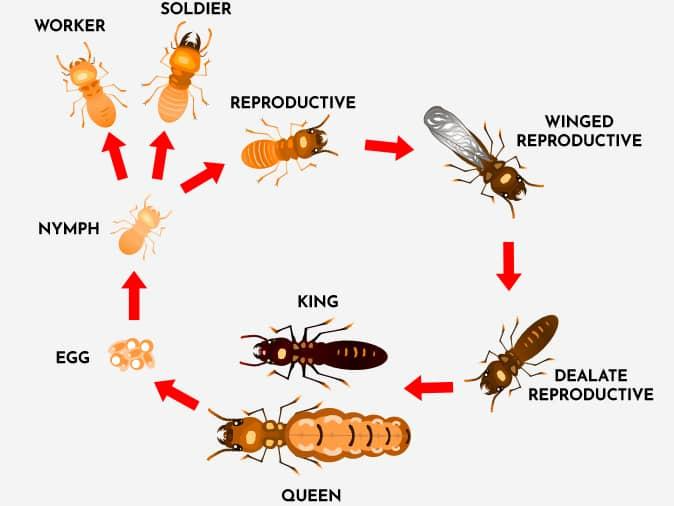
Unlike many other pests that cause immediate, localized damage or are easily spotted, termites operate within intricate colony structures, often numbering in the hundreds of thousands or even millions. They tunnel through wood, creating intricate networks that compromise structural integrity from the inside out. The slow, cumulative nature of this damage means that by the time an infestation is discovered, the financial cost of repairs can be substantial. Furthermore, different species of termites (subterranean, drywood, dampwood) present varying challenges and repair costs, depending on their habitat and destructive patterns. Their ability to remain hidden makes regular professional inspections not just a maintenance task, but an essential financial safeguard against unexpected, catastrophic expenses. This silent consumption translates directly into depreciating asset value and escalating future liabilities, making them a unique and formidable financial threat.
From Wood to Wallet: How Termite Damage Accumulates Financially
The process of termite damage is a direct pipeline from the structural integrity of a building to the financial health of its owner. Initially, small, localized damage might seem minor, but as colonies grow and tunnels expand, the structural elements — beams, joists, wall studs, flooring — become compromised. This necessitates costly repairs, ranging from simple wood replacement to extensive structural reinforcement or even partial rebuilding. For homeowners, this means significant out-of-pocket expenses that are rarely covered by standard insurance policies. For investors, it can mean a drastic reduction in property value, impacting rental income, resale potential, and overall return on investment. The longer an infestation goes unnoticed, the more profound its financial impact, transforming what might have been a preventative maintenance cost into a crisis-level financial burden.
Quantifying the Cost: The Economic Burden of Termite Infestations
The financial impact of termites is multifaceted, encompassing both immediate outlays for treatment and repair, as well as longer-term consequences that affect property value and marketability. Understanding these costs is crucial for accurate financial forecasting and risk assessment.
Direct Costs: Repairs, Treatments, and Remediation
The most immediate financial burden of a termite infestation is the cost of professional treatment and subsequent repairs. Termite treatments can range from several hundred to several thousand dollars, depending on the type of termite, the severity of the infestation, and the size of the property. This often involves chemical barriers, bait systems, or fumigation. Beyond treatment, the repair costs can dwarf the initial extermination expenses. Replacing damaged framing, subflooring, drywall, or wooden fixtures can easily run into tens of thousands of dollars, particularly if load-bearing structures are affected. In severe cases, where foundations or critical structural elements are compromised, costs can escalate dramatically, sometimes even exceeding the value of the property itself. These are unavoidable direct expenditures that directly deplete personal savings or necessitate unforeseen borrowing.
Indirect Costs: Property Value Depreciation and Transactional Hurdles
Beyond the tangible costs of repair, termites impose significant indirect financial penalties. An active or even a past, resolved termite infestation can significantly devalue a property. Potential buyers are often wary of properties with a history of termite issues, fearing latent damage or recurring problems, leading to lower offers or prolonged selling periods. For sellers, this can mean a substantial loss on their investment. Appraisers will also factor in termite damage when assessing a property’s worth, impacting refinancing options or mortgage eligibility. For real estate investors, this depreciation directly impacts their portfolio’s performance. Furthermore, the disclosure requirements in many jurisdictions mean that sellers must reveal any known termite history, which can create significant transactional hurdles and legal complexities, further impacting the financial outcome of a sale.
Fortifying Your Financial Future: Proactive Strategies Against Termite Threats
Given the substantial financial risks associated with termites, a proactive approach to prevention and protection is not merely advisable but essential for sound financial planning and asset preservation.
Investment in Prevention: Budgeting for Regular Inspections and Maintenance
Viewing termite prevention as an investment rather than an expense is a fundamental shift in financial perspective. Regular professional termite inspections, typically an annual or biennial service, are a relatively small financial outlay compared to the potential costs of an undetected infestation. These inspections can identify early signs of termite activity, allowing for localized and less costly treatments. Beyond inspections, budgeting for proactive maintenance such as managing moisture levels around the foundation, ensuring proper drainage, repairing leaky pipes, and keeping wood-to-ground contact to a minimum are all low-cost preventative measures that yield significant financial returns by mitigating risk. Integrating these into a regular home or property maintenance budget is a wise financial strategy, safeguarding against future liabilities.
The Role of Insurance: What Homeowner Policies Cover (and Don’t)
A critical aspect of financial protection against termites involves understanding insurance coverage. Unfortunately, most standard homeowner insurance policies do not cover termite damage. This exclusion is typically due to the perception that termite damage is preventable through routine maintenance and is not considered a sudden or accidental event. This means homeowners are often entirely responsible for the costs of treatment and repair. Some specialized policies or riders might offer limited coverage, particularly if the damage is sudden and results from an unforeseen cause that led to an infestation (e.g., a burst pipe causing severe moisture that attracted termites, where the pipe damage is covered, but the termite damage might still be excluded). Financially astute property owners should review their policies carefully, understand their coverage gaps, and consider whether specialized pest control warranties or insurance products are a viable investment for their specific risk profile.
Business Implications and Broader Economic Impacts
While individuals face significant financial burdens from termites, the problem extends into the commercial sector, impacting business finance, operations, and even the broader economy.
Commercial Properties: Protecting Business Assets and Operations
For businesses, termite infestations represent a dual threat: direct financial costs and operational disruptions. Commercial buildings, warehouses, restaurants, and historical properties are all susceptible. Damage to structural elements can compromise employee safety, lead to costly business interruptions, or even necessitate temporary closure during extensive repairs or fumigation. This results in lost revenue, employee wages during downtime, and potential damage to brand reputation. Furthermore, businesses that store inventory in wooden pallets or structures face the risk of product damage, leading to financial losses from unsellable goods. For landlords, maintaining pest-free commercial properties is crucial for tenant retention and preserving asset value within their investment portfolios, impacting their business finance directly. Proactive pest management programs are not just a cleanliness measure but a critical component of business continuity planning and financial risk mitigation.
The Pest Control Industry: An Economic Ecosystem
The very existence and growth of the professional pest control industry underscore the significant economic threat posed by termites. This industry, valued in billions globally, thrives on providing inspection, prevention, and treatment services for termites and other pests. It represents a substantial economic ecosystem, employing thousands and generating significant revenue. From a financial perspective, investing in reputable pest control services is an expenditure that generates a return in averted losses. The industry also drives innovation in chemical treatments, bait systems, and diagnostic technologies, all aimed at more efficiently combating the financial drain of termite damage. This economic activity highlights the ongoing battle against termites as a persistent and costly challenge for property owners worldwide.
Strategic Investment Decisions: Mitigating Termite Risk in Real Estate
For anyone involved in real estate, whether as a buyer, seller, or long-term investor, understanding and mitigating termite risk is a cornerstone of prudent financial decision-making.
Due Diligence in Property Acquisition: Financial Wisdom Before You Buy
When acquiring a property, whether it’s a first home or a multi-unit investment, comprehensive due diligence is paramount. A professional termite inspection should be a non-negotiable part of the pre-purchase process. This financial wisdom extends beyond simply identifying an active infestation; it’s about understanding the property’s history, potential vulnerabilities, and the long-term maintenance implications. A clear termite report can save prospective buyers hundreds of thousands of dollars in future repairs and provide leverage in price negotiations. If an infestation is found, it offers an opportunity to either negotiate for repairs, a reduced sale price, or to walk away from a potentially financially catastrophic purchase. This proactive approach to risk assessment is a hallmark of intelligent real estate investing and personal finance management.
Long-Term Financial Planning: Building Resilience Against Future Infestations
Effective long-term financial planning for property owners must incorporate strategies to build resilience against future termite infestations. This includes allocating funds specifically for ongoing pest management, setting aside an emergency fund for unexpected repairs, and maintaining vigilance. Regular property maintenance, such as ensuring proper ventilation, fixing leaks promptly, and removing wood debris, acts as a preventative financial measure. For property investors, understanding the regional prevalence of termites and factoring this into property selection and portfolio diversification can be a strategic move. By treating termite control as an integral part of property ownership and wealth preservation, individuals and businesses can safeguard their financial health against these persistent and costly invaders.

Conclusion
The question, “what is termite?” extends far beyond a simple biological definition. It encapsulates a profound financial challenge that impacts homeowners, businesses, and investors globally. Termites are not just pests; they are silent financial adversaries capable of causing immense direct repair costs, significant property value depreciation, and substantial operational disruptions.
Understanding the insidious nature of termite damage and its direct pipeline to financial losses compels a proactive, financially astute approach. By investing in regular inspections, understanding insurance limitations, implementing preventative maintenance, and exercising thorough due diligence in property transactions, individuals and organizations can fortify their financial assets against this unseen threat. Ultimately, recognizing termites as a financial risk is the first critical step toward building resilience and ensuring long-term financial stability for any property owner.
aViewFromTheCave is a participant in the Amazon Services LLC Associates Program, an affiliate advertising program designed to provide a means for sites to earn advertising fees by advertising and linking to Amazon.com. Amazon, the Amazon logo, AmazonSupply, and the AmazonSupply logo are trademarks of Amazon.com, Inc. or its affiliates. As an Amazon Associate we earn affiliate commissions from qualifying purchases.