
The term “Spartan” evokes images of discipline, resilience, unyielding focus, and an almost austere dedication to core principles. In the realm of branding, a “Spartan” identity often refers to a strategy characterized by its commitment to functionality, durability, and a no-frills approach, often eschewing superficial extravagance in favor of robust utility and clear purpose. These are brands that historically have thrived on their perceived strength, their steadfast quality, and their direct, no-nonsense communication. They built trust by promising efficacy and delivering reliability, rather than relying on fleeting trends or elaborate marketing campaigns.
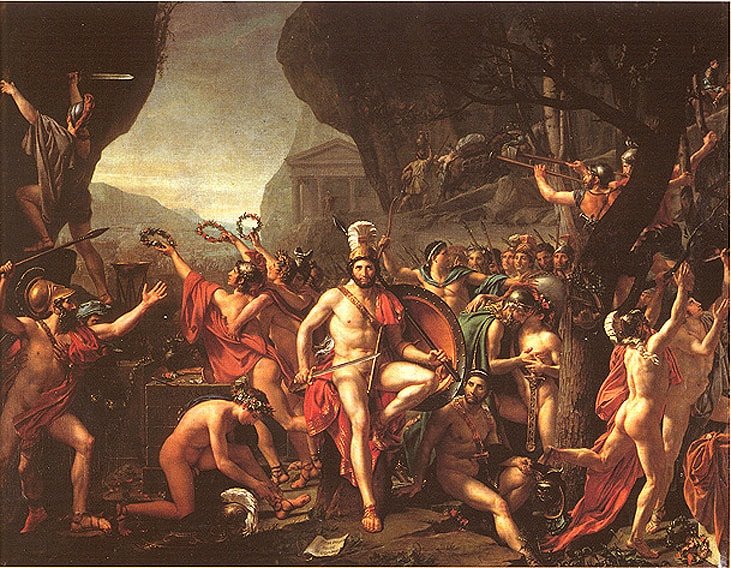
But in an era saturated with hyper-personalization, experiential marketing, and the constant demand for novelty, one might legitimately ask: what happened to these “Spartan” brands? Have they faded into obscurity, outmaneuvered by more agile, emotionally resonant competitors? Or have they, much like their ancient namesake, found new ways to adapt their formidable core to the challenges of a constantly evolving marketplace? This article delves into the journey of austere brand identities, exploring their enduring appeal, the formidable pressures for transformation they face, and their surprising resurgence in contemporary branding landscapes. We will uncover how the essence of Spartan branding, while perhaps reshaped, continues to offer valuable lessons in establishing and maintaining a powerful, lasting brand presence.
The Spartan Ethos: Defining Austere Branding
At its heart, Spartan branding is a philosophy of essentialism. It’s about stripping away the superfluous to reveal the true, robust core of a product or service. This approach doesn’t just manifest in minimalist aesthetics; it permeates every facet of the brand, from product development to customer service.
Core Principles of Spartan Brand Identity
The defining characteristics of a Spartan brand are rooted in a clear, uncompromising vision. Foremost among these is functionality over form, where the primary objective is to solve a problem effectively and reliably. This translates into products that are built to last, engineered for performance, and designed for purpose, often prioritizing utility over decorative flourish. Think of early industrial tools, outdoor gear built for extreme conditions, or certain enterprise software known for its power rather than its slick interface. Durability becomes a hallmark, signaling a promise of longevity and enduring value that counters the prevalent culture of disposability.
Clarity of purpose is another non-negotiable principle. Spartan brands know precisely what they are and who they serve. Their messaging is direct, unambiguous, and focused on the core benefit they deliver. There’s no room for ambiguity or over-promising; instead, there’s a commitment to straightforwardness that builds deep-seated trust. Finally, resilience and unwavering quality are paramount. These brands often embody a steadfastness, a refusal to compromise on the standards that define them, even in the face of competitive pressures or changing fads. This creates a perception of reliability that, once earned, becomes a powerful differentiator.
The Allure of Simplicity and Strength
Why do consumers gravitate towards brands that embrace this austere identity? In a world increasingly bombarded with sensory overload, complex choices, and ephemeral trends, the simplicity and strength of a Spartan brand offer a powerful antidote. There’s an inherent authenticity in a brand that doesn’t try to be everything to everyone, but instead excels in its defined niche. This authenticity fosters trust, as consumers perceive the brand as honest and genuine.
Moreover, the focus on durability and quality often translates into a perception of superior value. While not always the cheapest option, Spartan brands promise a long-term return on investment, reducing the need for frequent replacements or upgrades. This resonates deeply with consumers seeking reliability and sustainability. The clarity of purpose also acts as a beacon, cutting through marketing noise and offering a straightforward solution to specific needs. For many, a Spartan brand represents a refuge from superficiality, a testament to enduring principles in an otherwise transient world. It’s the brand you turn to when you need something to simply work, without fuss or distraction, embodying a quiet confidence that is profoundly appealing.
Navigating the Modern Market: Challenges and Transformations
While the Spartan ethos holds inherent appeal, the relentless pace of change in consumer expectations and technological advancements has presented significant challenges to brands rigidly adhering to this model. The modern market demands more than just utility; it craves experience, connection, and narrative.
The Pressure to Adapt: Beyond Pure Functionality
For decades, many Spartan brands could thrive almost solely on their robust functionality and unwavering quality. Their products spoke for themselves, and their reputation for reliability was their strongest marketing asset. However, contemporary consumers expect more. The rise of digital natives and the experience economy means that a product’s utility is often just the baseline. People now seek emotional engagement, seamless user experiences, personalized interactions, and brands that align with their values.
This shift puts immense pressure on purely functional brands. If a competitor can offer similar quality and a superior brand story, a more engaging customer journey, or a visually appealing aesthetic, the “Spartan” brand risks being perceived as sterile, outdated, or even difficult to engage with. The brand narrative, once implicit in the product’s performance, now needs to be actively articulated and woven into every touchpoint. The challenge is to evolve the brand experience without diluting the core values of strength and simplicity.
The Pitfalls of Inflexibility
The very discipline and focus that define Spartan brands can, ironically, become their Achilles’ heel if taken to an extreme. An unyielding adherence to traditional methods or an aversion to new forms of communication can lead to inflexibility and stagnation. Brands that resist aesthetic updates, fail to engage with customers on new digital platforms, or refuse to acknowledge evolving social values risk alienating new generations of consumers. They might be seen as stubborn rather than steadfast, antiquated rather than classic.
When “Spartan” becomes “stagnant,” the brand loses its competitive edge. Market share erodes as more agile competitors, even those with slightly inferior products, manage to capture consumer attention and loyalty through superior marketing, innovative design, or a more dynamic brand presence. The perceived harshness or lack of emotional connection, once tolerated for the sake of functionality, can become a major barrier in a marketplace that increasingly values empathy and personalization. The lesson here is clear: resilience must be paired with strategic adaptability.
Strategic Evolution vs. Abandonment
The question for Spartan brands isn’t whether to change, but how. The most successful among them haven’t abandoned their core identity but have strategically evolved it. This involves a delicate balancing act: preserving the essence of what makes them “Spartan” – their commitment to quality, durability, and purpose – while integrating modern design principles, contemporary communication strategies, and enhanced customer experiences.
This evolution often means investing in sophisticated branding that can convey simplicity and strength with a modern sensibility. It might involve subtle design refreshes that maintain recognition but update aesthetics, or expanding into digital channels with content that reinforces core values rather than just selling products. Some brands might expand their product lines to meet new needs, ensuring each new offering still adheres to the Spartan standards of utility and quality. The goal is to demonstrate that discipline can coexist with dynamism, and that a focused brand can still be forward-thinking and relevant to a new generation of consumers without diluting its foundational strength.

The Resurgence of Authenticity: Modern Spartans
Despite the challenges, the underlying appeal of the Spartan ethos has not diminished. In fact, in an age of overconsumption and digital fatigue, there’s a noticeable resurgence in the desire for authenticity, clarity, and enduring value – qualities inherently present in Spartan brand identities.
Minimalism as a Marketing Advantage
The aesthetic of minimalism, which is often closely tied to Spartan principles, has become a powerful marketing advantage. Contemporary brands, especially in the direct-to-consumer (D2C) space, are leveraging clean design, straightforward messaging, and an uncluttered brand experience to cut through the noise. This “neo-Spartan” approach resonates with consumers tired of visual clutter and manipulative marketing tactics. It communicates honesty, transparency, and a focus on essentials.
This isn’t just about aesthetics; it’s about a holistic brand experience that reflects simplicity in product design, packaging, website interface, and even customer service. Brands like Everlane or Muji, though not explicitly “Spartan,” embody elements of this aesthetic and philosophical approach, offering clear value propositions and a no-nonsense experience that builds trust and loyalty. By embracing minimalism, these brands differentiate themselves, making a statement that quality and substance speak louder than flash and ornamentation.
Purpose-Driven Austerity
Beyond mere aesthetics, many modern Spartan brands are embracing a lean, no-frills approach not just for cost-saving or traditional efficiency, but as a deliberate statement of ethical commitment or sustainability. In a world increasingly concerned with environmental impact and corporate responsibility, brands that demonstrate austerity in their operations, production, and packaging can communicate a deeper purpose.
This purpose-driven austerity aligns with consumer values, signaling that the brand is thoughtful about its footprint and focused on delivering genuine, sustainable value. For instance, brands that emphasize reparability, longevity, and timeless design as alternatives to fast fashion or planned obsolescence are embodying a modern Spartan resilience. They’re not just selling a product; they’re selling a philosophy that values enduring quality and responsible consumption, transforming what might be seen as limitations into powerful ethical differentiators.
Building Community Through Shared Values
One of the most profound aspects of the modern Spartan brand resurgence is its ability to foster strong, loyal communities based on shared values. When a brand stands for discipline, durability, and a clear purpose, it naturally attracts consumers who resonate with these principles. This goes beyond mere transaction; it’s about building an affinity around a lifestyle or belief system.
These brands often cultivate a sense of belonging among their customers, who see themselves as part of a discerning group that appreciates enduring quality and straightforwardness. Through authentic storytelling, transparent practices, and consistent delivery on their promises, modern Spartan brands build deep emotional connections. This loyalty is robust, often transcending price sensitivity, as customers become advocates for a brand that genuinely reflects their own values. In a fragmented digital world, such community building through shared principles becomes an invaluable asset for brand longevity and resilience.
Lessons from the Metaphorical Battlefield: Strategies for Brand Longevity
The journey of Spartan brands, from their foundational principles to their modern resurgence, offers crucial insights for any brand seeking enduring relevance in a dynamic market. The key lies in strategic adaptability without compromising identity.
Upholding Core Values While Embracing Innovation
The most critical lesson for any brand, particularly those with a strong “Spartan” identity, is the delicate balance between upholding core values and embracing innovation. True brand longevity isn’t about rigid adherence to the past, nor is it about abandoning identity for the sake of novelty. Instead, it’s about understanding which aspects of the brand are immutable and which can (or must) evolve. For a Spartan brand, the immutable core might be its commitment to quality, durability, and purposeful design. Innovation, then, becomes the means by which these core values are continually delivered in ways that meet contemporary expectations.
This could involve integrating new sustainable materials without compromising strength, adopting cutting-edge manufacturing techniques to enhance precision, or utilizing digital platforms to simplify the customer journey while maintaining a direct, honest tone. The goal is to ensure that while the armor might be updated, the warrior inside remains true to its essence.
Communicating Purpose in a Noisy World
In an environment saturated with marketing messages, the Spartan brand’s challenge is to communicate its purpose effectively without resorting to flashiness. This requires a deep understanding of the brand’s unique story and a commitment to authenticity in every piece of communication. Spartan brands thrive by telling their story through action and integrity rather than just words. Their marketing often focuses on demonstrating utility, showcasing durability, and highlighting the craftsmanship or ethical practices behind their products.
This involves clear, concise messaging that cuts through jargon and speaks directly to the core needs and values of the target audience. It means investing in compelling visual content that conveys simplicity and strength, and leveraging channels where authentic conversations can take place, rather than just broadcasting. When a brand’s purpose is genuinely lived and consistently communicated, it creates a resonance that is far more powerful and lasting than any fleeting trend.

The Future of “Spartan” Brands
The future for “Spartan” brands is not one of obsolescence but of transformation and continued relevance. As consumers increasingly seek meaning, sustainability, and reliability amidst complexity and rapid change, the disciplined, focused, and enduring qualities of Spartan brands become ever more appealing. They offer a counter-narrative – a commitment to enduring value in an often-ephemeral world.
The “Spartans” of the branding world haven’t disappeared; they have evolved. They have learned to fight new battles with updated armor, adapting their strategies to engage modern consumers while retaining the unwavering strength and clarity of purpose that defined them from the start. Their legacy is not just one of survival, but of proving that discipline, resilience, and authenticity remain powerful cornerstones for building brands that stand the test of time, continuing to inspire trust and loyalty in a constantly shifting landscape. They remind us that true strength in branding comes not from being everything to everyone, but from being unequivocally true to oneself.
aViewFromTheCave is a participant in the Amazon Services LLC Associates Program, an affiliate advertising program designed to provide a means for sites to earn advertising fees by advertising and linking to Amazon.com. Amazon, the Amazon logo, AmazonSupply, and the AmazonSupply logo are trademarks of Amazon.com, Inc. or its affiliates. As an Amazon Associate we earn affiliate commissions from qualifying purchases.