
In the dynamic landscape of modern public figures, few individuals command as much attention and generate as much discourse as Donald Trump and Elon Musk. Their interactions, public statements, and perceived alignments have become a subject of intense fascination, often analyzed through political, technological, or economic lenses. However, a deeper, more profound narrative emerges when examining their relationship through the prism of personal and corporate branding. Both men are titans of self-promotion, architects of distinct identities, and masters of leveraging platforms to amplify their messages. The confluence of their paths offers an unparalleled case study in high-stakes branding, illustrating how two immensely powerful, often controversial, figures navigate influence, reputation, and strategic positioning in an increasingly interconnected world. This article delves into the “happenings” between Trump and Elon, meticulously dissecting the branding implications of their every move.

The Confluence of Two Colossal Personal Brands
At the heart of the Trump-Elon dynamic lies the powerful interplay of two meticulously crafted, albeit vastly different, personal brands. Understanding the core tenets of each is crucial to deciphering the strategic value and potential risks of their association.
Defining the Trump Brand: Populist Power and Unfiltered Authenticity
Donald Trump’s brand is characterized by audacious disruption, an anti-establishment stance, and a direct, often combative communication style. His appeal largely stems from his projection of unfiltered authenticity, a quality that resonates deeply with a segment of the electorate weary of polished political rhetoric. The Trump brand embodies a promise of strength, a challenge to the status quo, and a willingness to defy conventional wisdom. His signature red hats, rally chants, and direct-to-audience social media pronouncements are not mere accessories but integral components of a cohesive brand identity that has proven remarkably resilient and polarizing. This brand thrives on loyalty, often transforming political supporters into fervent brand advocates, fiercely protective of the persona he projects. His corporate brand, intertwined with his personal one, emphasizes luxury, success, and American exceptionalism, further reinforcing the image of an unapologetic winner.
Defining the Elon Brand: Maverick Innovator and Future Visionary
Elon Musk, on the other hand, has meticulously built a brand synonymous with groundbreaking innovation, audacious ambition, and a relentless pursuit of humanity’s future. From electric vehicles and renewable energy (Tesla) to space exploration (SpaceX) and neurotechnology (Neuralink), his ventures are unified by a narrative of pushing boundaries and solving seemingly insurmountable problems. The Elon brand is defined by his maverick personality, his often-provocative social media presence, and his direct engagement with both critics and fans. He embodies the archetype of the entrepreneurial genius, a visionary driven by a desire to transform the world. His personal brand is deeply intertwined with his corporate identities, where his public persona directly influences the perception and market value of companies like Tesla and SpaceX. He leverages his celebrity to market his products, attract talent, and secure investment, making his personal brand a critical asset for his technological empire.
Initial Encounters: From Skepticism to Strategic Alignment
The relationship between Trump and Musk has evolved over time, moving from initial public skepticism and even mutual criticism to a more strategically aligned, if still complex, dynamic. Early in Trump’s presidency, Musk served on advisory councils, but later distanced himself, citing policy disagreements. This period reflected a careful brand positioning by Musk, seeking to maintain an image of apolitical innovation while still engaging with power structures. However, as Trump exited the White House and Musk embarked on his acquisition of Twitter (now X), their trajectories began to intersect more directly. The public narrative shifted, with Musk frequently commenting on issues pertinent to free speech and online censorship – topics central to Trump’s post-presidency brand narrative. This pivot suggested a potential strategic calculation by both parties, recognizing the shared ground in challenging established norms and leveraging a highly engaged, often anti-establishment, audience. The evolution of their relationship highlights the fluid nature of personal branding, demonstrating how alliances can shift based on perceived mutual benefit and convergent ideological leanings.
Navigating Shared Platforms: X as a Battleground and Megaphone
The acquisition of Twitter by Elon Musk and its subsequent rebranding to X fundamentally reshaped the digital landscape, creating a critical nexus for the interaction and amplification of both Trump and Musk’s personal brands. X has become not just a platform, but a strategic battleground where their respective narratives are shaped, tested, and propagated.
The Acquisition of Twitter and Trump’s Reinstatement: A Brand Decision
Elon Musk’s tumultuous acquisition of Twitter was framed, in part, as a mission to protect free speech and restore balance to online discourse. This narrative, a cornerstone of Musk’s evolving personal brand as a champion of liberty, directly intersected with Trump’s post-presidency struggle for a dominant online voice. Banned from major platforms after January 6th, Trump had launched Truth Social, an alternative social media venture. Musk’s decision to reinstate Trump’s account on X, following a user poll, was not merely a technical action but a profound brand statement. For Musk, it reinforced his commitment to “free speech absolutism,” distinguishing his platform’s brand from others. For Trump, it provided access to his massive pre-existing audience on X, immediately boosting his reach and influence far beyond what Truth Social could offer. This act was a strategic brand decision, signaling a new era of content moderation policies under Musk’s leadership, directly impacting the perceived neutrality and utility of X as a platform for political discourse.
Leveraging X: Content Strategy and Audience Engagement for Maximum Impact
Both Trump and Musk are adept at leveraging X for maximum brand impact. Trump’s content strategy on X mirrors his rallies: direct, provocative, and designed to ignite strong reactions. He uses the platform to break news, attack opponents, and rally his base, often bypassing traditional media gatekeepers. His posts are not just messages; they are brand artifacts, reinforcing his image as a fighter and a populist leader. The engagement metrics around his posts – the likes, reposts, and comments – serve as a direct measure of his brand’s resonance and reach. Musk, similarly, uses X as an extension of his own brand. He posts about his companies’ progress, engages directly with users, shares memes, and often makes significant announcements or policy shifts via his personal account. This informal, direct engagement fosters a sense of authenticity and accessibility, reinforcing his image as a hands-on visionary. For both, X is not just a broadcasting tool but a dynamic arena for cultivating loyalty, shaping public opinion, and directly engaging their respective communities, thereby solidifying their unique brand identities in real-time.
The Double-Edged Sword: Brand Resonance vs. Reputation Risks
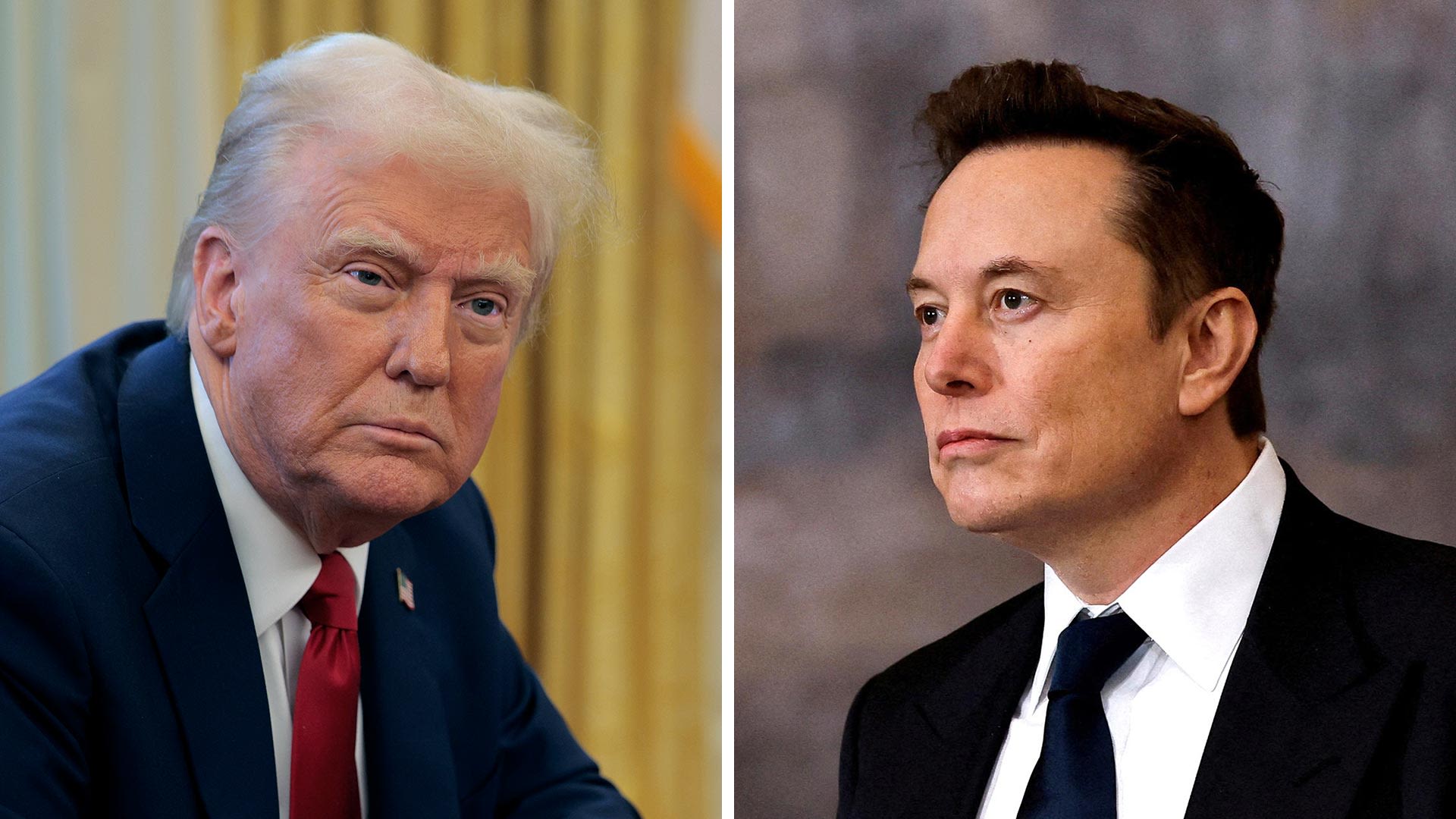
While X offers unparalleled opportunities for brand amplification, it also presents significant reputation risks for both Trump and Musk. For Trump, his often-inflammatory posts can alienate moderate voters and trigger widespread condemnation, potentially limiting the broader appeal of his political brand. The constant scrutiny of his statements means that any misstep can be instantly amplified, leading to a PR crisis that requires swift and often reactive brand management. For Musk, the challenge lies in balancing his “free speech absolutist” brand with the commercial viability and public perception of X itself. The platform’s perceived decline in content moderation, coupled with an increase in hate speech or misinformation, directly impacts X’s brand image and can deter advertisers and users. Musk’s personal controversies and often erratic posting style also reflect directly on the corporate brands he leads, creating a double-edged sword where his personal brand’s provocations can either drive engagement or alienate key stakeholders, impacting the valuation and public trust of his ventures. Navigating this fine line between authentic self-expression and reputational damage is a constant, high-stakes balancing act for both figures on X.
The Interplay of Influence: Political, Economic, and Social Branding
The ongoing “happenings” between Trump and Elon Musk transcend mere personal interactions; they represent a significant interplay of political, economic, and social influence, with profound implications for their respective brands and the broader public discourse. Their association, whether direct or indirect, creates a ripple effect that touches diverse audiences and shapes perceptions.
Cross-Pollination of Audiences: Expanding Reach and Reinforcing Loyalty
One of the most potent branding effects of their overlapping presence, particularly on X, is the cross-pollination of their respective audiences. Many of Musk’s followers, drawn by his entrepreneurial spirit and anti-establishment leanings, often overlap with or are receptive to Trump’s populist messaging. Conversely, some of Trump’s supporters, especially those interested in technological advancements or critical of traditional media, may find common ground with Musk’s vision. This phenomenon effectively expands the reach of both brands, introducing each figure to new segments of the population they might not have otherwise engaged with. It reinforces loyalty among their existing bases, as the perceived alliance or even mere co-existence on the same dominant platform legitimizes and strengthens their shared narrative of challenging established norms. This cross-pollination is a subtle yet powerful form of brand marketing, leveraging network effects to broaden influence and solidify shared ideological foundations, without necessarily requiring explicit endorsements.
Perceived Endorsements: The Ripple Effect on Each Other’s Brand Equity
Even without explicit endorsements, the public often perceives a connection or alignment between Trump and Musk, which has significant implications for their brand equity. When Musk reinstates Trump on X or comments on political issues in a way that aligns with Trump’s base, it can be interpreted as a tacit endorsement. For Trump, this provides a veneer of technological savvy and future-forward thinking, aligning his brand with a figure widely seen as an innovator, potentially broadening his appeal beyond his traditional base. For Musk, the perceived alignment with Trump’s powerful political movement can energize a segment of the population that is highly engaged and motivated, potentially boosting X’s user base and reinforcing his image as a champion of free speech for all. However, this also carries risks. Any negative associations or controversies surrounding one figure can inadvertently spill over and tarnish the brand equity of the other, creating a complex reputational interdependence that requires careful management to avoid unintended consequences.
Managing Contradictions: Aligning Values or Embracing Dissonance?
A crucial aspect of their brand interplay lies in how they manage, or even embrace, inherent contradictions. Both Trump and Musk project images of being anti-establishment, yet both wield immense power and influence. Trump’s brand is rooted in nationalist populism, while Musk’s is globally ambitious and technologically utopian. Their individual values, while having some overlapping themes (e.g., free speech, challenging regulations), are not entirely harmonious. The challenge for their brands is whether to strategically align on convergent values or to embrace the dissonance as part of their larger-than-life personas. Often, they seem to opt for the latter, allowing contradictions to exist, which paradoxically reinforces their image as unconventional and unpredictable leaders. This approach suggests a sophisticated understanding of modern branding, where perfect ideological consistency is less important than maintaining a strong, distinctive, and engaging narrative. Their ability to navigate these contradictions without significantly diluting their core brand messages is a testament to the strength and resilience of their individual personal brands.
Strategic Positioning and Future Implications for Their Brands
The ongoing narrative between Trump and Elon Musk is more than just a series of events; it’s a living case study in strategic brand positioning, with profound implications for their legacies and the future of public branding in the digital age. Their interactions offer valuable insights into how influential figures build, maintain, and adapt their personal and corporate identities.
Beyond the Headlines: Long-Term Brand Building and Legacy
For both Trump and Musk, their current “happenings” are not merely about immediate political or commercial gains, but about long-term brand building and legacy. Trump’s engagement, whether on X or through rallies, is consistently aimed at solidifying his place in history as a transformative, if controversial, political figure. His brand strategy revolves around establishing an enduring political movement that transcends electoral cycles. Musk, similarly, is cultivating a legacy as a visionary who fundamentally altered humanity’s trajectory across multiple industries. His public persona, his pronouncements, and even his perceived controversies are all elements in crafting a narrative that cements his status as a titan of innovation. Their interactions, therefore, contribute to this grander design, shaping public perception and historical record. They leverage each other, sometimes implicitly, to enhance their respective long-term narratives, understanding that every public engagement contributes to the mosaic of their enduring personal brands.
The Art of Disruption: Redefining Traditional Brand Management
Both Trump and Musk are master disruptors, not only in their respective fields (politics, technology) but also in the realm of brand management itself. They have largely bypassed traditional media gatekeepers, utilizing direct-to-consumer communication channels (primarily social media) to cultivate and manage their brands. Their willingness to be provocative, to challenge norms, and to embrace controversy rather than shy away from it, represents a radical departure from conventional corporate and political branding strategies, which typically prioritize cautious messaging and risk aversion. This disruptive approach has allowed them to foster incredibly loyal communities and maintain a constant presence in public consciousness. For other brands looking to navigate the attention economy, Trump and Musk’s strategies offer a template for leveraging authenticity, direct engagement, and a willingness to break rules to achieve unprecedented levels of visibility and influence. They have, in essence, redefined what effective brand management looks like in an era saturated with information and skepticism towards traditional institutions.

Lessons for Corporate and Personal Branding in the Digital Age
The Trump-Elon dynamic provides invaluable lessons for both corporate and personal branding in the digital age. Firstly, it underscores the paramount importance of a strong, distinctive personal brand, even for corporate leaders. Musk’s personal brand is inextricably linked to the success of Tesla and SpaceX. Secondly, it highlights the power of direct communication and platform ownership (as seen with X) in controlling one’s narrative and circumventing traditional media filters. Thirdly, it demonstrates that authenticity, even if polarizing, can be a more potent brand asset than bland universally acceptable messaging. However, it also serves as a cautionary tale: while disruption can yield immense influence, it also carries significant reputational risks and the potential for alienation. For brands, the challenge is to strike a balance between bold distinctiveness and broad appeal, understanding that in an interconnected world, every public action, interaction, or perceived alignment has immediate and lasting implications for one’s brand equity. The ongoing saga between Trump and Elon Musk will undoubtedly continue to offer rich insights into the evolving art and science of branding in the 21st century.
aViewFromTheCave is a participant in the Amazon Services LLC Associates Program, an affiliate advertising program designed to provide a means for sites to earn advertising fees by advertising and linking to Amazon.com. Amazon, the Amazon logo, AmazonSupply, and the AmazonSupply logo are trademarks of Amazon.com, Inc. or its affiliates. As an Amazon Associate we earn affiliate commissions from qualifying purchases.