
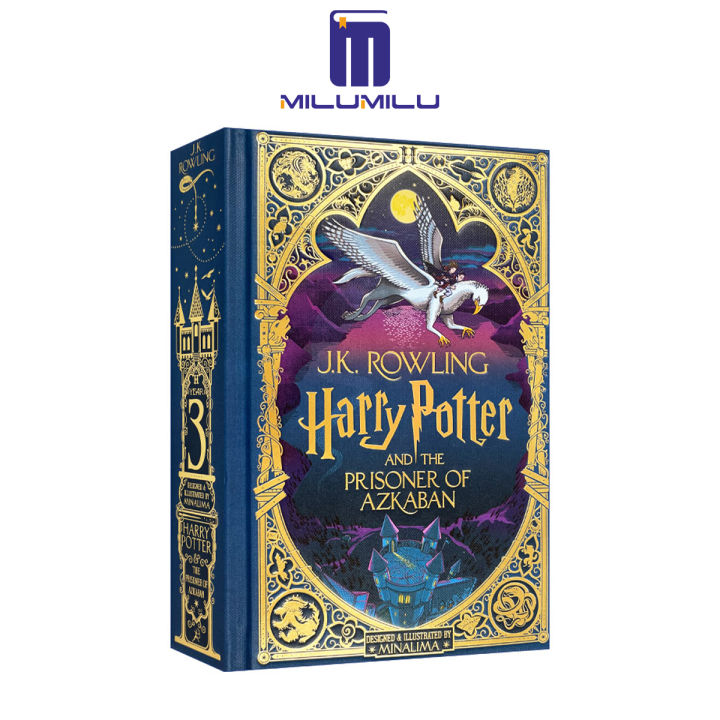
The question, “What is the third book in Harry Potter?” may seem straightforward, inviting a simple factual answer: Harry Potter and the Prisoner of Azkaban. However, for the astute observer of global phenomena and enduring intellectual property, this query opens a far more profound discussion. It serves as a potent microcosm for understanding the intricate architecture of a mega-brand, revealing how individual elements contribute to its overarching narrative, market presence, and indelible cultural footprint. The Harry Potter series, far more than a collection of fantasy novels, is a masterclass in brand building, narrative cohesion, and sustained audience engagement. Through the lens of its third installment, we can dissect the strategic elements that elevate a beloved story into an iconic, multi-billion-dollar brand.

The Architecture of an Enduring Brand: From Concept to Cultural Icon
Every successful brand, irrespective of its industry, begins with a compelling core idea. For Harry Potter, this was the enchanting world of Hogwarts and the journey of an orphaned boy destined for greatness. This foundational concept, meticulously crafted by J.K. Rowling, provided the bedrock upon which one of the most powerful literary and entertainment brands in history was constructed. Understanding how each piece of this intricate puzzle—including the third book—plays its role is crucial for appreciating the brand’s enduring power.
Building Blocks of Narrative Cohesion: How Each Installment Reinforces the Brand
The strength of the Harry Potter brand lies significantly in its unparalleled narrative cohesion. From the moment Harry receives his Hogwarts letter to the climactic battle against Voldemort, the story unfurls with a remarkable consistency of tone, character development, and world-building. Each book, rather than being a standalone adventure, acts as an essential chapter in a larger, meticulously planned saga. Harry Potter and the Prisoner of Azkaban is a prime example of this strategic narrative reinforcement. It doesn’t just present a new mystery; it deepens the mythology surrounding Harry’s past, introduces critical new characters and magical concepts, and subtly shifts the series’ tone towards darker, more complex themes.
This intentional progression ensures that consumers (readers and viewers alike) remain deeply invested. Each book is a promise delivered, an expansion of a cherished universe that consistently rewards loyalty. From a brand perspective, this creates immense customer lifetime value. By providing a continuous, evolving, yet consistent experience, the Harry Potter brand cultivated a dedicated following, eager to consume each new product. This narrative coherence is a brand’s most valuable asset, fostering trust and emotional connection that transcends mere entertainment.
Intellectual Property as a Cornerstone: Protecting and Expanding the Brand Universe
At the heart of any successful media brand is its intellectual property (IP). J.K. Rowling’s original books form the core IP of the Harry Potter brand, protected by copyright. This foundational IP enabled the subsequent vast expansion into films, video games, merchandise, theme parks, and digital platforms. The question “What is the third book?” implicitly acknowledges the distinct, identifiable nature of each piece of that IP.
The strategic management of this IP has been instrumental in the brand’s success. Warner Bros.’ acquisition of film rights and subsequent careful stewardship transformed the literary phenomenon into a cinematic juggernaut. Each movie adaptation, while a distinct product, served to reinforce and popularize the underlying book brand. The brand’s guardians have consistently ensured that all extensions remain faithful to the original source material’s spirit and aesthetics, thereby maintaining brand authenticity—a critical factor for fan loyalty. This careful management of IP ensures that the brand remains cohesive and recognizable across diverse media, preventing dilution and fostering a unified brand experience. Without robust IP protection and a clear strategy for its expansion, the brand’s potential would have been severely limited, unable to capitalize on the enormous demand generated by the core story.
The Prisoner of Azkaban: A Pivotal Chapter in the Harry Potter Brand Saga
While all seven books are integral, Harry Potter and the Prisoner of Azkaban holds a particularly significant place in the brand’s evolution. It marks a noticeable shift in narrative complexity and thematic depth, contributing in unique ways to the brand’s ability to mature with its audience and expand its commercial appeal.
Deepening the Lore and Expanding Brand Engagement
The Prisoner of Azkaban is a narrative watershed. It introduces pivotal elements that profoundly enrich the Harry Potter universe, providing new layers for exploration, merchandise, and fan engagement. The introduction of the Dementors, horrifying entities that feed on happiness, not only raises the stakes but also provides a tangible representation of emotional distress, resonating with a maturing audience. Sirius Black, initially presented as a dangerous fugitive, is revealed as Harry’s godfather, adding critical backstory and emotional depth to Harry’s understanding of his family and past. The Marauder’s Map, a magical artifact revealing the secrets of Hogwarts, becomes an instant fan favorite, inspiring countless pieces of merchandise and digital interpretations.
From a brand perspective, these new elements are invaluable. They generate fresh content opportunities, fuel fan theories, and provide compelling reasons for repeat engagement. Each new magical creature, spell, or character introduced in the third book broadens the universe, offering fertile ground for product developers and content creators. This constant replenishment of lore is essential for maintaining brand vibrancy and ensuring there’s always something new for consumers to discover or revisit, thereby keeping the brand at the forefront of popular culture.
Evolving Themes and Maturing Audiences: Brand Adaptability
One of the most remarkable feats of the Harry Potter brand is its ability to grow and evolve alongside its original audience. The Prisoner of Azkaban is the book where the series definitively sheds some of its more childlike innocence, venturing into more complex moral ambiguities, the nuances of justice, and the weight of history. The themes shift from simple good versus evil to discussions of prejudice, betrayal, and the unreliable nature of appearances.

This strategic evolution was vital for the brand’s longevity. By refusing to keep Harry and his friends perpetually young, J.K. Rowling ensured that the narrative remained relevant and engaging for readers who were also growing up. This adaptability allowed the brand to retain its initial fanbase while simultaneously attracting new readers and viewers drawn to its increasingly sophisticated storytelling. For any brand aiming for long-term relevance, understanding its audience’s evolving needs and adapting its offering accordingly is paramount. Harry Potter expertly executed this, transforming from a children’s fantasy into a rich, multi-generational epic, thus securing its place as a cultural touchstone for decades.
Beyond the Pages: Brand Extension and Experiential Marketing
The Harry Potter brand exemplifies successful multi-platform expansion. The sheer scale of its presence across various media and consumer touchpoints is a testament to shrewd brand strategy, moving far beyond the simple act of asking “what is the third book?” to crafting an immersive universe.
From Print to Pixels and Parks: Multi-platform Brand Strategy
The journey of Harry Potter from a book series to a global entertainment juggernaut is a masterclass in multi-platform brand strategy. The sequential release of the books created anticipation, which was then amplified by the highly successful film adaptations. These films not only brought the stories to life visually but also introduced the brand to a wider, global audience. Following the films, the brand meticulously expanded into video games, allowing fans to virtually experience the magic; a vast array of merchandise, from wands to apparel, transforming everyday objects into branded artifacts; and perhaps most impressively, the Wizarding World theme parks at Universal Studios.
These theme parks represent the pinnacle of experiential marketing for the brand. They allow fans to step directly into the world of Harry Potter, drink Butterbeer, walk through Diagon Alley, and ride the Hogwarts Express. This level of immersion transforms passive consumption into active participation, deepening the emotional connection to the brand. Each extension, whether a digital game or a physical theme park, consistently reinforces the core brand identity, characters, and narrative, ensuring a cohesive and enriching brand experience across all touchpoints. This carefully orchestrated expansion strategy maximizes revenue streams while simultaneously solidifying the brand’s place in popular culture.
Cultivating Community and Fandom: The Heartbeat of a Brand
At its core, a powerful brand fosters a sense of community. The Harry Potter brand excels at cultivating a passionate, engaged global fandom. The shared experience of reading the books, watching the films, and discussing theories online creates a unique communal bond. The question “What is the third book?” is not just a query for information; it’s often an entry point into a conversation with fellow fans, a way of establishing shared knowledge and belonging within the community.
Digital platforms like Pottermore (now part of Wizarding World Digital) have been instrumental in this. They offer quizzes to sort fans into Hogwarts houses, provide supplementary lore from J.K. Rowling, and create a centralized hub for engagement. This active cultivation of fandom ensures that the brand remains vibrant and relevant, even years after the final book and film releases. Fans become brand ambassadors, generating organic word-of-mouth marketing and defending the brand with fierce loyalty. This deep emotional investment from its community is arguably the Harry Potter brand’s most invaluable asset, proving that the heart of any successful brand beats strongest in the collective enthusiasm of its audience.
Sustaining Brand Legacy: Navigating Challenges and Embracing Evolution
No brand, however successful, is immune to challenges. The Harry Potter brand, like any other long-standing entity, faces the ongoing task of maintaining relevance, navigating external pressures, and ensuring its legacy endures for future generations.
The Double-Edged Sword of Creator Influence: Brand Stewardship in the Digital Age
In the digital age, the influence of a brand’s creator is a double-edged sword. J.K. Rowling’s creative genius is undeniably the source of the Harry Potter brand’s magic and success. Her continued involvement in new projects (like Fantastic Beasts) and her engagement with fans initially reinforced brand authenticity. However, the creator’s personal views or controversies can also present significant challenges to brand stewardship. When a brand’s creator faces public scrutiny or disagreement, it can create tension within the fanbase and potentially impact the brand’s perceived values.
Brand custodians must navigate these complexities carefully, balancing respect for the original creator with the imperative to maintain the brand’s broader appeal and positive public image. This involves careful communication strategies and a deep understanding of audience sentiment. The Harry Potter brand’s strength lies in its universe being larger than any single individual, allowing it to transcend personal controversies, though the challenge of maintaining brand integrity amidst creator influence remains an ongoing aspect of its stewardship.
Future-Proofing the Narrative: Engaging New Generations
A critical component of sustaining any brand legacy is ensuring its relevance to new generations. For Harry Potter, this means continually finding ways to introduce the magic to children who weren’t born when the books were first released or the original films premiered. This can involve new cinematic endeavors (like the Fantastic Beasts series), new gaming experiences (such as Hogwarts Legacy), or reimagined digital content.
The brand’s enduring themes of friendship, courage, good versus evil, and the importance of choice are universal and timeless, making it inherently appealing to new audiences. However, continuous innovation in how these themes are presented—whether through interactive experiences, new narrative extensions, or accessibility initiatives—is key to future-proofing. The Harry Potter brand continues to explore these avenues, ensuring that the magic discovered by those who first asked “what is the third book?” will be available for new legions of fans for decades to come.
In conclusion, the simple question, “What is the third book in Harry Potter?” serves as an invaluable entry point into a comprehensive analysis of brand strategy, narrative power, and sustained global influence. Harry Potter and the Prisoner of Azkaban is not merely a chapter in a series; it is a critical component of a meticulously constructed brand, demonstrating how deep narrative coherence, robust intellectual property management, strategic audience engagement, and thoughtful brand extension can elevate a story into an enduring cultural phenomenon. The Harry Potter brand is a testament to the power of imagination, expertly packaged and strategically delivered, proving that a strong narrative core is the ultimate foundation for unparalleled brand success.
aViewFromTheCave is a participant in the Amazon Services LLC Associates Program, an affiliate advertising program designed to provide a means for sites to earn advertising fees by advertising and linking to Amazon.com. Amazon, the Amazon logo, AmazonSupply, and the AmazonSupply logo are trademarks of Amazon.com, Inc. or its affiliates. As an Amazon Associate we earn affiliate commissions from qualifying purchases.