
The question of what percentage of the federal budget is allocated to military spending is one that frequently sparks debate, fuels political discourse, and carries significant implications for national priorities, economic stability, and international relations. Far from a simple numerical answer, this figure is multifaceted, depending heavily on how one defines “military spending” and which budgetary slice—total federal outlays, discretionary spending, or even GDP—is used as the denominator. For anyone seeking to understand government finance, investment opportunities, or the broader economic landscape, delving into these nuances is paramount.
At its core, understanding military expenditure involves navigating complex budgetary documents, discerning between various accounting methodologies, and appreciating the historical and geopolitical forces that shape these allocations. This article will unravel these complexities, providing a comprehensive, insightful, and professional overview of military spending within the U.S. federal budget, exploring its components, historical trends, economic ramifications, and the ongoing policy debates that define its future.
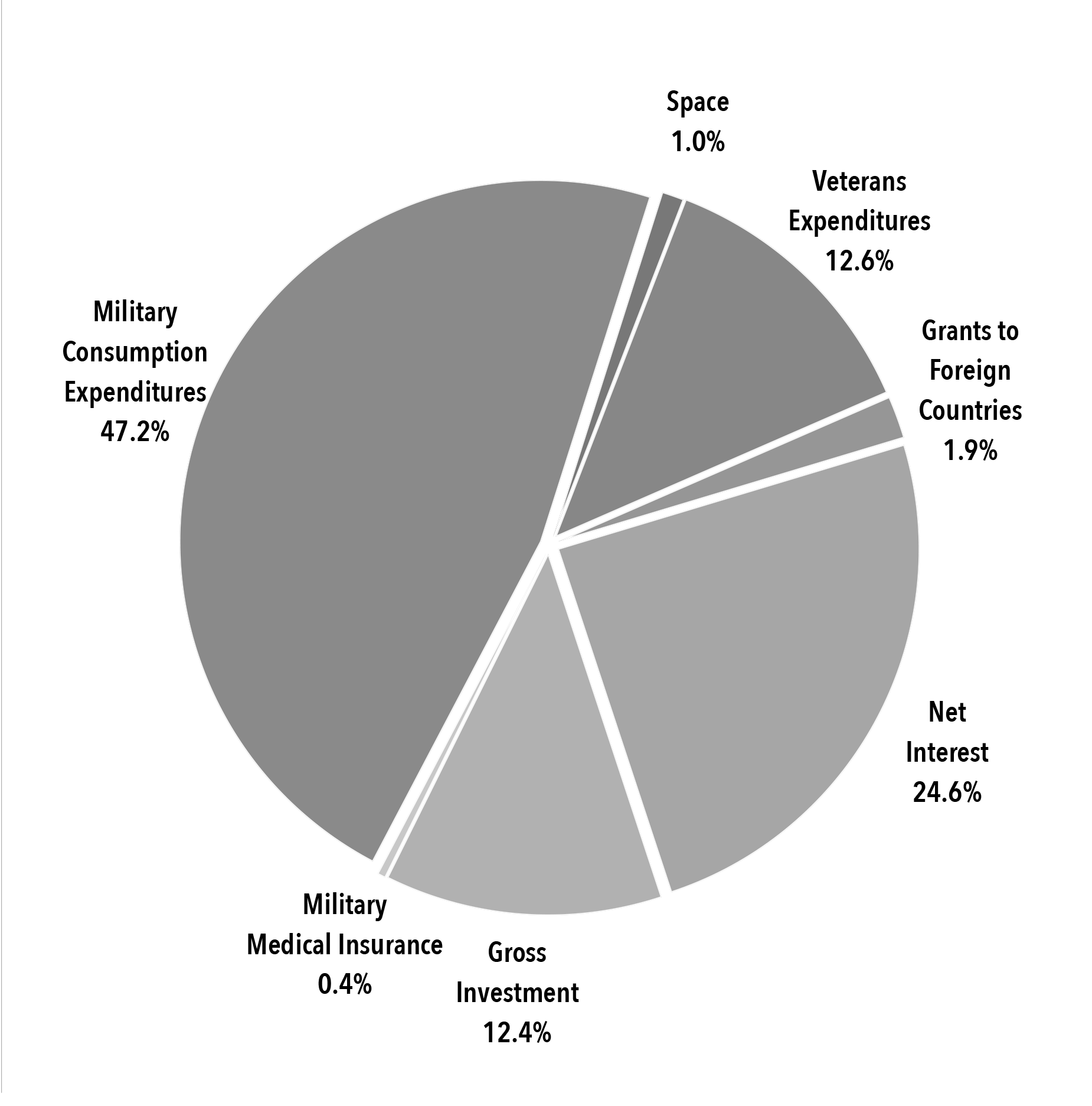
Decoding Federal Budget Allocations: The Nuances of Military Spending
To truly grasp the scale of military spending, it’s crucial to understand the different lenses through which it can be viewed. A simple percentage can be highly misleading if the underlying definitions are not clear. The U.S. federal budget is a colossal financial blueprint, and the “military” component is often presented in ways that can be confusing without context.
Understanding Different Calculation Methodologies
When discussing military spending, three primary metrics are commonly cited, each offering a distinct perspective:
-
As a Percentage of Total Federal Outlays: This metric considers military spending against the entire sum of money the federal government spends in a given fiscal year, including mandatory spending (like Social Security, Medicare, and interest on the national debt) and discretionary spending. Using this broad denominator, military spending typically appears as a smaller percentage, often ranging from 10% to 15% in recent years. This figure provides a holistic view of how defense spending compares to all government expenditures, encompassing entitlements and fixed costs.
-
As a Percentage of Discretionary Spending: Discretionary spending refers to the portion of the federal budget that Congress can choose to spend each year through appropriations bills. Unlike mandatory spending, which is dictated by existing laws, discretionary spending is subject to annual legislative approval. When viewed against only discretionary spending, military outlays represent a much larger proportion, frequently exceeding 50%. This is a critical distinction because it highlights the immense political power and resource allocation dedicated to defense among the areas Congress directly controls. If you hear that “over half the budget goes to the military,” this is usually the context.
-
As a Percentage of Gross Domestic Product (GDP): This metric measures military spending relative to the size of the entire U.S. economy. It offers insight into the economic burden or investment in defense compared to the nation’s total economic output. Historically, this percentage has varied significantly, peaking during major wars. In recent decades, it has generally hovered around 3% to 4% of GDP. This figure is often used for international comparisons, showing how the U.S. defense commitment compares to other nations relative to their economic size.
The Current Landscape: A Snapshot of Defense Outlays
For recent fiscal years (e.g., FY2023-FY2024 projections), the Department of Defense (DoD) base budget, which covers day-to-day operations, personnel, and procurement, has typically been in the range of $800 billion to over $850 billion. When factoring in supplemental appropriations for specific conflicts or emergencies, the total figure can rise further.
When calculating the “percentage of the federal budget,” it’s vital to clarify which denominator is being used. For example, in a fiscal year where total federal outlays are around $6 trillion and the defense budget is $850 billion, military spending would represent approximately 14% of total outlays. However, if total discretionary spending for the same year is $1.7 trillion, that same $850 billion defense budget would represent roughly 50% of discretionary spending. These distinctions are not mere academic exercises; they inform public debate, policy choices, and ultimately, where taxpayer money is directed.
Beyond the Headlines: What Constitutes “Military Spending”?
The term “military spending” itself can be narrower or broader depending on the context. While the Department of Defense (DoD) budget forms the vast majority, a comprehensive understanding requires looking at related expenditures often excluded from simple defense figures.
Core Department of Defense (DoD) Budget
The DoD budget is the primary component of military spending and is typically broken down into several key areas:
-
Personnel: Salaries, benefits, and healthcare for active-duty military personnel, reserves, and civilian employees. This is often the largest single component.
-
Operations and Maintenance (O&M): Covers the costs of training, equipment upkeep, facility maintenance, fuel, and daily operations of military bases worldwide.
-
Procurement: Funding for acquiring new weapons systems, aircraft, ships, vehicles, and other military hardware. This is where major defense contractors benefit significantly.
-
Research, Development, Test, and Evaluation (RDT&E): Investments in developing new technologies and improving existing ones, crucial for maintaining a technological edge.
-
Military Construction and Family Housing: Funding for building and renovating military bases, infrastructure, and housing for service members and their families.
Related Security Costs Outside DoD
A broader definition of “military spending” often includes expenditures from other government agencies that contribute to national security but are not directly under the DoD:
-
Veterans Affairs (VA): While not direct military operations, the VA budget—covering healthcare, benefits, and support for veterans—is a direct consequence of past and present military service. This can add hundreds of billions to the broader “national security” tab.
-
Department of Energy (DoE) – Nuclear Weapons Program: The DoE manages the nation’s nuclear arsenal, including research, development, and maintenance of nuclear warheads.
-
Department of Homeland Security (DHS): While its mission is primarily domestic security, elements of DHS (like the Coast Guard) have military functions.
-
Intelligence Agencies: Budgets for agencies like the CIA, NSA, and others are classified but are a significant part of the broader national security apparatus.
-
International Security Assistance: Funding provided to allies for military aid and security cooperation, managed by the State Department.
When these “related security costs” are factored in, the total figure for national security spending can be considerably higher than the often-cited DoD budget, making the percentage of the federal budget dedicated to “military and security” even more substantial.
Historical Context and Trends
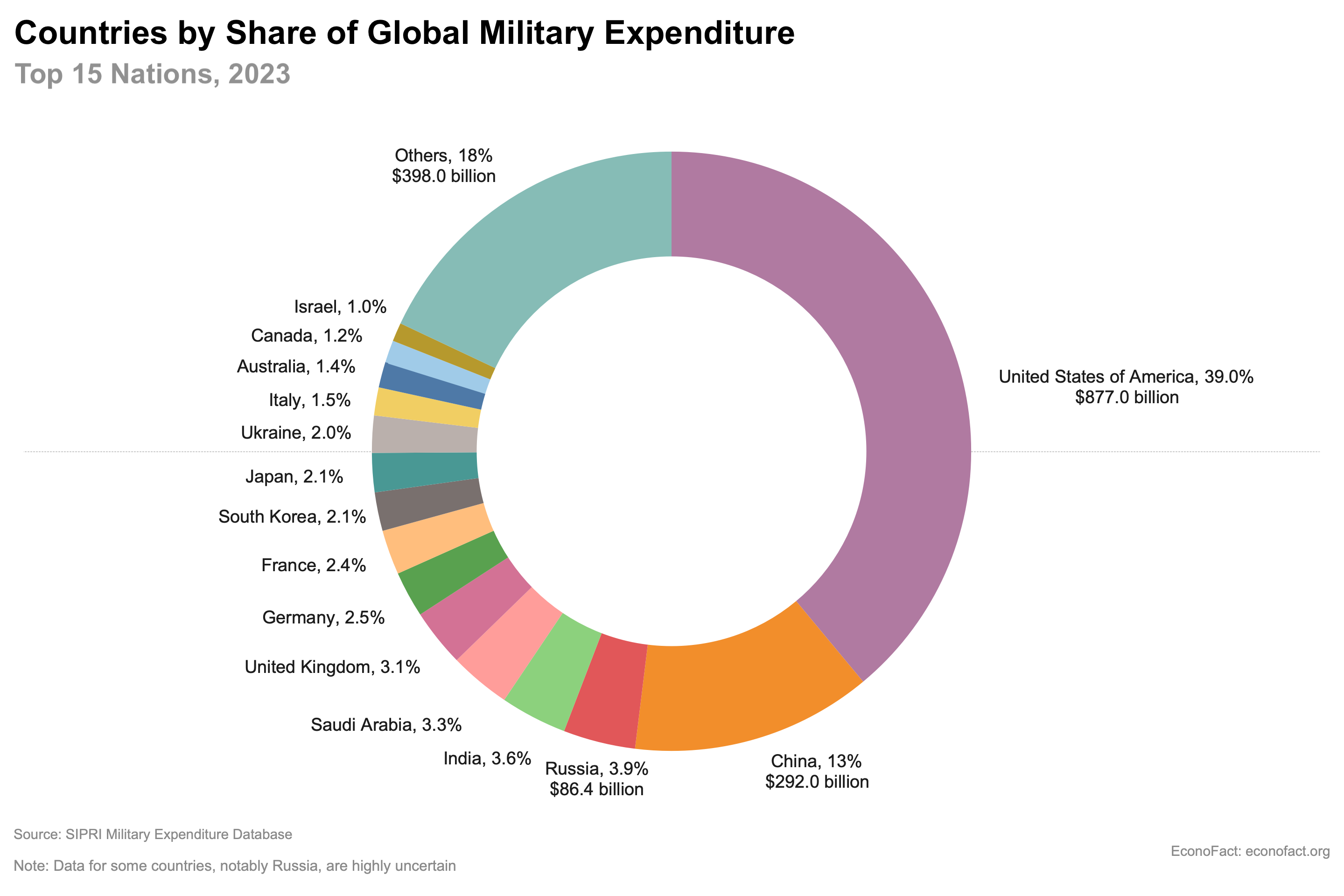
U.S. military spending has fluctuated dramatically throughout history, typically surging during periods of conflict and receding afterwards. Major peaks occurred during World War II, the Korean War, and the Vietnam War. Post-Cold War, there was a decline, but spending escalated significantly after the September 11th attacks and the subsequent wars in Afghanistan and Iraq, reaching new highs in the 2000s.
More recently, geopolitical developments, including renewed great power competition with China and Russia, the war in Ukraine, and ongoing threats from terrorism, have led to sustained high levels of defense spending and projected increases. Understanding these historical trends is crucial for contextualizing current allocations and anticipating future budgetary pressures.
Economic Implications and Financial Trade-offs
The immense scale of military spending has profound economic implications, both domestically and internationally. These expenditures represent a significant allocation of national resources, prompting discussions about trade-offs and alternative investments.
Opportunity Costs: Where Else Could Funds Go?
Every dollar spent on defense is a dollar that cannot be spent elsewhere. This concept, known as “opportunity cost,” is central to debates surrounding military budgets. Critics often argue that funds allocated to defense could be redirected to other pressing domestic needs, such as:
-
Infrastructure: Investing in roads, bridges, public transport, and utilities could boost economic productivity and create jobs.
-
Education: Funding for schools, universities, and vocational training could enhance human capital and long-term economic growth.
-
Healthcare: Expanding access to healthcare or investing in medical research could improve public health outcomes.
-
Clean Energy and Climate Initiatives: Investing in renewable energy and climate resilience could mitigate environmental risks and foster new industries.
The economic impact of these alternative investments is a continuous point of contention, with different schools of thought prioritizing different sectors for national development and prosperity.
Impact on National Debt and Economic Growth
Sustained high levels of military spending, especially when financed through borrowing, contribute to the national debt. While defense spending can stimulate certain sectors of the economy (e.g., defense contractors, manufacturing), its overall impact on long-term economic growth is a subject of ongoing debate among economists. Some argue that military spending can be less stimulative than investments in education or infrastructure, as much of the spending goes towards non-productive assets or specific, highly specialized industries. Conversely, proponents argue that a strong defense underpins global stability, which is essential for trade and economic prosperity.
The Defense Industry and Its Economic Footprint
The defense industry is a powerful economic force, employing millions of people directly and indirectly, and driving technological innovation in areas like aerospace, cybersecurity, and advanced materials. Major defense contractors are significant players in the stock market and receive substantial government contracts. These companies, and the jobs they create, often have concentrated regional impacts, making decisions about military spending deeply intertwined with local economies and political considerations. Investors tracking specific industries often pay close attention to defense budgets and geopolitical developments, as they can directly influence the financial performance of these corporations.
Public Perception, Policy Debates, and Future Outlook
The discussion around military spending is rarely purely financial; it is deeply embedded in public perception, political ideologies, and evolving global realities.
Public Discourse and Political Divides
Public opinion on defense spending often mirrors political divides. Conservatives and national security hawks typically advocate for robust defense budgets to maintain global leadership and deter adversaries, viewing it as a core function of government. Progressives and fiscal conservatives, on the other hand, often question the efficiency and necessity of current spending levels, advocating for reallocation towards social programs or deficit reduction. These debates play out in Congress during the annual appropriations process, making defense spending a perennial hot-button issue.
Global Geopolitics and Future Budgetary Pressures
Current geopolitical events profoundly shape future military budgets. The war in Ukraine has highlighted the need for readiness and conventional deterrence. The rise of China as a military and economic power is driving increased investment in naval power, advanced weaponry, and cyber capabilities. The ongoing technological race, particularly in areas like AI, hypersonics, and space, necessitates significant R&D investments to maintain a strategic advantage. These factors suggest that military spending, at least in the near term, is likely to remain high or even increase, leading to continued budgetary pressures and financial trade-offs.

Tools for Financial Oversight and Transparency
Several institutions play crucial roles in financial oversight of military spending:
-
Congressional Budget Office (CBO): Provides independent analysis of the budget and economy.
-
Government Accountability Office (GAO): Investigates how the federal government spends taxpayer dollars and makes recommendations to improve efficiency and effectiveness.
-
Congressional Committees: Oversee specific aspects of defense spending through authorization and appropriations processes.
These bodies provide valuable insights for financial analysts, policymakers, and the public, promoting transparency and accountability in the allocation of vast sums of money.
In conclusion, understanding “what percentage of the federal budget is military” requires looking beyond a single number. It involves appreciating the different ways this spending is calculated, recognizing its diverse components, considering its historical context, and evaluating its profound economic and societal implications. For informed financial decision-making, whether as a taxpayer, investor, or engaged citizen, this detailed perspective is not just helpful—it is essential. The ongoing balance between national security imperatives and fiscal responsibility will remain a defining challenge for future financial policy.
aViewFromTheCave is a participant in the Amazon Services LLC Associates Program, an affiliate advertising program designed to provide a means for sites to earn advertising fees by advertising and linking to Amazon.com. Amazon, the Amazon logo, AmazonSupply, and the AmazonSupply logo are trademarks of Amazon.com, Inc. or its affiliates. As an Amazon Associate we earn affiliate commissions from qualifying purchases.