
The sense of smell, or olfaction, is often the most underrated aspect of our daily experience, yet it acts as the primary sensory interface for memory, emotion, and consumer behavior. From a brand strategy perspective, scent is the most potent tool in the sensory marketing toolkit. While visuals capture attention and sound builds recognition, scent bypasses the analytical mind entirely, forging an immediate, subconscious connection between a consumer and a brand identity. Understanding the mechanics of smell is not just a biological endeavor; it is a masterclass in how to engineer loyalty and evoke deep-seated emotional responses.
The Neurological Architecture of Brand Recognition
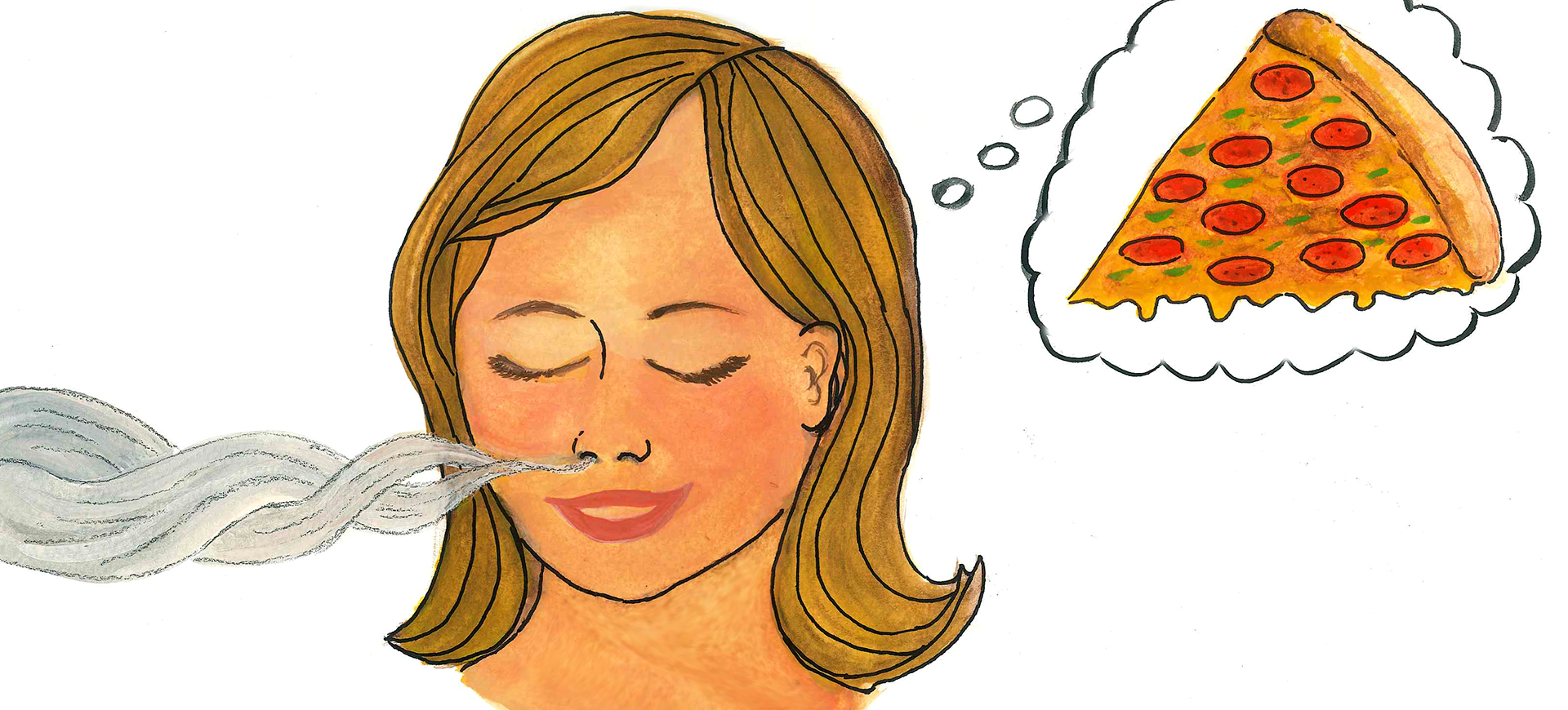
The human nose is capable of detecting at least one trillion different odors, yet this biological complexity serves a much higher strategic purpose for businesses. When an odor molecule enters the nasal cavity and stimulates the olfactory receptors, the signal does not travel to the thalamus—the brain’s primary relay station for sensory input—like sight or sound does. Instead, it travels directly to the limbic system, which houses the amygdala and the hippocampus.
The Limbic Shortcut
The amygdala is responsible for processing emotions, while the hippocampus is the seat of memory. By triggering these areas directly, scent creates a “limbic shortcut.” In marketing, this means that a signature scent does not require a consumer to “think” about the brand; they “feel” the brand before they even process the visual information in front of them. For retail environments, this is the gold standard of brand immersion.
Encoding Long-term Associations
Because scent is so closely tied to memory, brands that utilize “olfactory branding” are essentially hardwiring their identity into the customer’s long-term recall. When a customer associates a specific, pleasant scent with a high-end hotel lobby or a luxury clothing store, they are not just experiencing a smell; they are encoding a spatial and emotional memory that will trigger a preference for that brand whenever they encounter a similar sensory cue in the future. This is the physiological basis of brand loyalty.
Olfactory Branding: The Silent Influencer
In the competitive landscape of modern commerce, visual clutter is at an all-time high. Consumers are inundated with digital ads, dynamic interfaces, and aggressive branding. In this environment, the “silent” nature of scent becomes a strategic advantage. Olfactory branding—the practice of developing a unique signature scent for a brand—is the ultimate differentiator because it occupies the “unclaimed” sensory space of the customer experience.
Crafting a Sensory Identity
Just as a brand develops a visual style guide including fonts, colors, and logos, a sophisticated brand strategy must now include an olfactory profile. This profile should be as consistent as any logo. A tech company might opt for crisp, clean, ozone-like notes to signify innovation and precision, while a wellness brand might lean into cedarwood and bergamot to establish a sense of organic tranquility. The scent must be an extension of the brand’s core values.

The Psychology of Ambient Scenting
Ambient scenting refers to the use of subtle fragrances in retail or office environments to influence consumer mood and behavior. Studies have shown that when a space is lightly scented with a fragrance congruent with the product, dwell time increases. Customers stay longer, explore more aisles, and, most importantly, develop a higher perceived value for the goods on display. When the environment “smells” like the brand’s promised lifestyle, the barrier to purchase lowers significantly.
The ROI of Scent-Driven Marketing
Integrating scent into a marketing strategy is not merely an aesthetic choice; it is a measurable business decision. Companies that leverage sensory marketing see a significant uptick in customer satisfaction and repeat visitation rates. The challenge, however, lies in consistency and technical implementation.
Scaling Sensory Experiences
For global brands, the goal is to provide a uniform experience across every touchpoint. Whether a flagship store is in New York, Tokyo, or London, the olfactory identity must be identical. This requires precision-engineered delivery systems—nebulization technology that can scent vast spaces without overpowering the customer. These systems allow for scheduled release, intensity control, and remote monitoring, ensuring that the brand’s “smell” remains a subtle, sophisticated background note rather than an intrusive odor.
Ethics and Sensitivity in Scent Strategy
While the benefits are clear, the strategy must be implemented with professional nuance. “Scent-scaping” must account for the psychological comfort of the consumer. An overly aggressive scent profile can cause physiological discomfort or feelings of alienation. A successful olfactory strategy is one that the customer barely notices consciously but recognizes subconsciously. It is the difference between a high-end boutique and a crowded department store perfume counter. The former invites the customer in, while the latter pushes them away.
The Future of Sensory Brand Strategy
As we move toward more immersive digital and physical experiences, the role of scent will only expand. We are seeing a shift toward “integrated sensory ecosystems,” where the physical environment and the digital interface work in tandem to reinforce brand values.
Augmented Reality and Beyond
While digital interfaces currently focus on sight and sound, the future of brand engagement lies in the integration of sensory-triggering technology. Imagine a scenario where a high-end e-commerce experience is supplemented by a home-delivered sensory kit, allowing the customer to interact with a brand’s physical olfactory identity while browsing digital catalogs. This bridging of the digital and physical divide will become the next major frontier in personalizing the consumer journey.

Building Resilience Through Sensory Cues
Brand resilience is built on the strength of the emotional connection a company has with its audience. In times of market volatility, consumers gravitate toward brands that provide a sense of stability, safety, and familiarity. Scent, being the most primal of our senses, offers a unique opportunity to provide that comfort. A brand that possesses a distinct, welcoming, and consistent olfactory identity remains in the “safe zone” of the consumer’s memory. When everything else changes—when visual trends shift and digital strategies evolve—the fundamental smell of a brand provides a consistent, unshakable anchor that keeps the consumer returning home.
Ultimately, the question “what is smell” is transformed, through the lens of brand strategy, into a question of “how do we harness the most powerful human sense to build lasting value?” The brands that master this will not just be recognized by their names or logos; they will be remembered, felt, and experienced on a level that competitors simply cannot reach. By treating scent as a critical component of corporate identity, businesses can move beyond the surface level of marketing and into the deep, enduring architecture of human emotion and memory.
aViewFromTheCave is a participant in the Amazon Services LLC Associates Program, an affiliate advertising program designed to provide a means for sites to earn advertising fees by advertising and linking to Amazon.com. Amazon, the Amazon logo, AmazonSupply, and the AmazonSupply logo are trademarks of Amazon.com, Inc. or its affiliates. As an Amazon Associate we earn affiliate commissions from qualifying purchases.