
As of mid-2024, the Minecraft development cycle has reached a significant milestone with the official rollout of the “Tricky Trials” update, known technically as version 1.21. Minecraft, a titan in the gaming software landscape, continues to evolve under the stewardship of Mojang Studios. Understanding the nuances of the latest version is essential for players, server administrators, and developers who rely on the stability and feature set of the Java and Bedrock editions. This comprehensive overview examines the technical architecture, key feature rollouts, and the operational implications of upgrading to the most recent release.
Navigating the Technical Evolution of Minecraft 1.21
The 1.21 update represents a deliberate shift in software optimization and procedural generation. Unlike previous updates that focused primarily on terrain height or cave depth, “Tricky Trials” emphasizes combat mechanics, reward structures, and automated gameplay elements. From a software engineering perspective, this update refines how entities interact with randomized environmental triggers, effectively increasing the complexity of the game’s internal simulation without compromising client-side performance.

The Trial Chambers Architecture
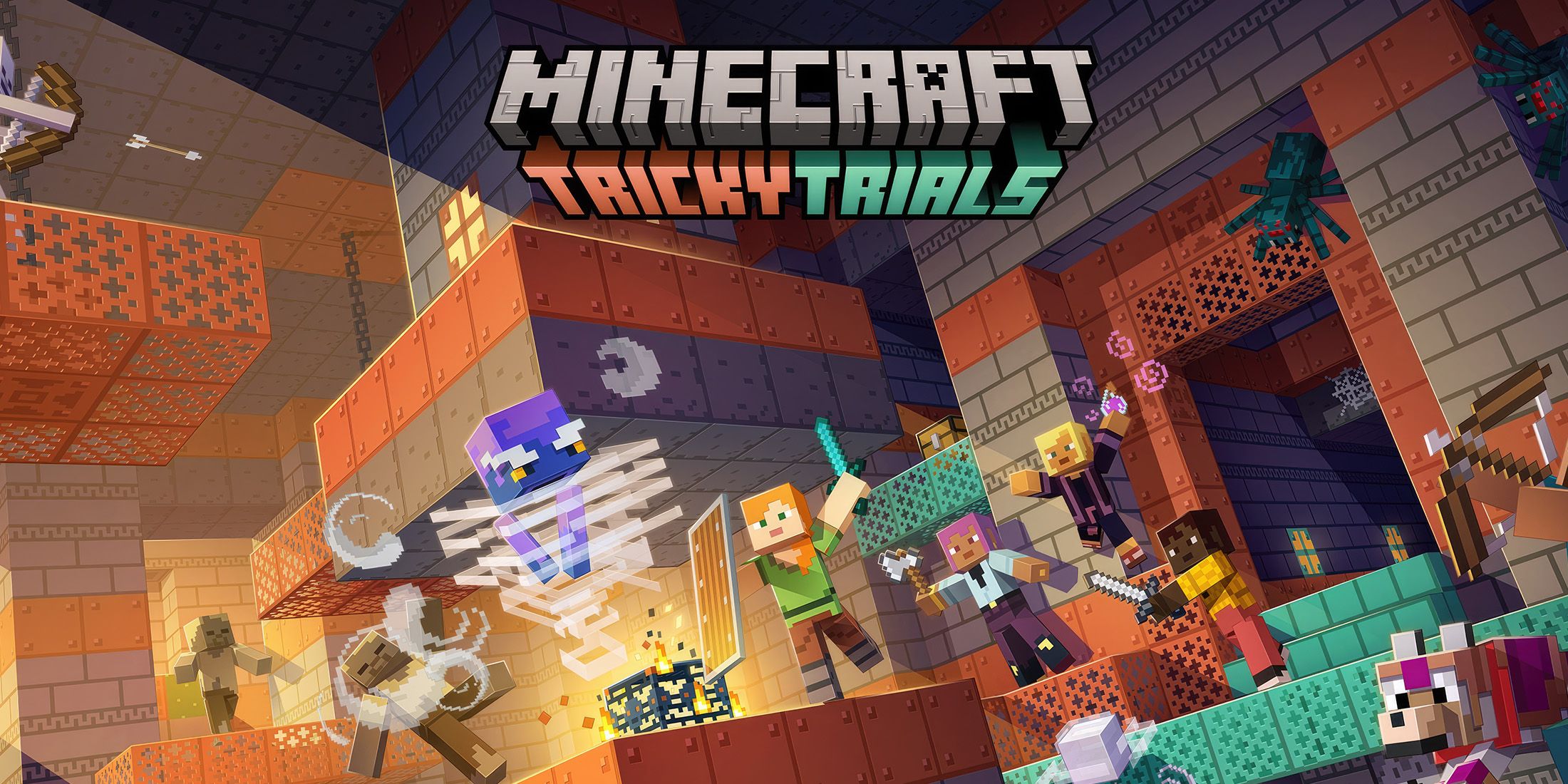
The cornerstone of version 1.21 is the introduction of Trial Chambers—procedural, multi-room structures that challenge players with scaled combat encounters. These structures utilize a new block architecture designed to test the limits of pathfinding AI. By integrating automated spawners that adjust difficulty based on the number of players present, the game achieves a dynamic scaling system that is rarely seen in sandbox software of this scale. This implementation requires more robust local server processing, suggesting that developers are optimizing the Java Edition’s multi-threading capabilities to handle the increased entity density.
Combat and Reward Logic
The loot distribution in Trial Chambers introduces the “Trial Key” and the “Vault” block. This system is a sophisticated move toward anti-griefing mechanics, as Vaults reward every player in a group individually rather than dispensing a single pool of items. This shift is a significant quality-of-life update for multi-user servers, ensuring that collaboration is incentivized through programmed software logic rather than social agreement alone.
Cross-Platform Parity and Synchronization
One of the most persistent challenges in the Minecraft ecosystem is the parity between the Java Edition and the Bedrock Edition. As version 1.21 rolls out, Mojang has invested heavily in ensuring that the feature set remains consistent across Windows, macOS, Linux, consoles, and mobile devices.
Bridging the Java and Bedrock Divide
While the underlying codebases differ—Java being the legacy C-style programming environment and Bedrock being the highly optimized C++ engine—the parity project aims for visual and functional uniformity. The latest update demonstrates refined resource pack handling, allowing for smoother transitions when moving between platforms. For developers, this means that data-driven content—such as custom add-ons or texture packs—is becoming increasingly portable. The move toward “Data-Driven Everything” in Bedrock is effectively allowing developers to replicate complex logic that was previously exclusive to Java-based mods.
Technical Performance and Optimization
With each version update, the performance overhead of the Java Virtual Machine (JVM) continues to be a focal point. Version 1.21 includes minor patches to the memory allocation system, which assists in mitigating the “garbage collection” stutters that often plague high-density servers. For power users and server owners, this release confirms that Mojang is prioritizing client-side efficiency, allowing for higher render distances and more complex redstone contraptions without triggering catastrophic frame-rate drops.
The Role of Automated Gameplay and Redstone
A critical component of the 1.21 update is the introduction of the Crafter, an automated block that enables the programmatic construction of items. This is perhaps the most significant technical change to the game’s logic in recent years. By allowing redstone signals to trigger crafting recipes, the update has essentially brought industrial automation into the core gameplay loop.
Implementing the Crafter in Complex Systems
The Crafter block functions by accepting redstone pulses to dispense ingredients into a crafting grid. This represents a bridge between basic logic gates and advanced automation. For players interested in the intersection of gaming and digital engineering, this addition allows for the creation of fully autonomous item production lines. From an architectural perspective, it requires a new way of thinking about inventory management and logistical flow within the game’s coordinate system.
Redstone Circuitry and Logical Signaling
The integration of the Crafter requires an understanding of tick-based delays and signal propagation. Because the Crafter operates on a specific delay, it is not merely a “set and forget” tool; it is a component that requires precise timing. This invites a deeper layer of technical proficiency, encouraging users to experiment with comparators, observers, and hoppers to create efficient manufacturing hubs. This shift signals a broader trend in software development where players are increasingly encouraged to treat game environments as programmable workspaces.
Securing Your Minecraft Environment
Upgrading to the latest version of Minecraft is not just about new content; it is a critical practice in digital security and software maintenance. Running outdated versions of the game, particularly when hosting or joining private servers, exposes users to potential vulnerabilities in the underlying server software.
The Importance of Frequent Patching
Minecraft updates frequently contain “silent” patches that address security flaws within the Netty network library—the code responsible for handling player connections. By staying current with the 1.21 release, server administrators ensure that their environment is protected against known exploit vectors that could allow unauthorized access to server files or facilitate Denial-of-Service (DoS) attacks.
Managing Mods and Compatibility
While the latest version offers stability, it often breaks third-party modifications, such as Fabric or Forge loaders. For users reliant on heavy modpacks, the transition to 1.21 requires a deliberate migration path. It is advisable to wait for official stable releases of primary mod APIs before migrating active worlds. Developers of these loaders are consistently working toward API stability, but the rapid pace of Mojang’s updates necessitates a disciplined approach to version management. To ensure a seamless upgrade, always back up the level.dat and region files within the game directory before deploying a new build.
The Future of Minecraft Software
Looking beyond version 1.21, the trajectory of Minecraft as software is clearly pointed toward modularity and accessibility. The continued focus on data-driven behaviors suggests that Mojang intends to keep the engine flexible for years to come. Whether it is through the refinement of the C++ Bedrock engine or the gradual modernization of the Java environment, the game remains a primary case study in how to maintain a long-standing software product while satisfying a vast and technically diverse user base.
As we look toward future “point” updates (1.21.x), we can expect further refinements in performance and bug remediation. The commitment to the “Tricky Trials” theme serves as a reminder that the development team is listening to the community’s demand for high-stakes gameplay, while simultaneously building the underlying software architecture to support that demand. Staying informed about these technical updates is the most effective way to ensure a stable, secure, and optimal experience in the evolving world of Minecraft. By understanding the mechanical, logical, and security-based changes inherent in the latest version, players and administrators can fully leverage the tools provided in this sandbox to build, explore, and engineer more effectively than ever before.
aViewFromTheCave is a participant in the Amazon Services LLC Associates Program, an affiliate advertising program designed to provide a means for sites to earn advertising fees by advertising and linking to Amazon.com. Amazon, the Amazon logo, AmazonSupply, and the AmazonSupply logo are trademarks of Amazon.com, Inc. or its affiliates. As an Amazon Associate we earn affiliate commissions from qualifying purchases.