
Sensitive skin is more than just a dermatological term; it represents a significant and growing consumer segment that demands a nuanced approach from brands. For any company in the beauty, personal care, or wellness space, a deep understanding of what constitutes sensitive skin—its triggers, perceptions, and management—is not merely beneficial but essential for brand integrity, product innovation, and market penetration. This article delves into sensitive skin from a brand perspective, exploring why this understanding is paramount for building trust and relevance with a discerning consumer base.
The Evolving Definition of Sensitive Skin for Brands
The concept of sensitive skin has moved beyond a niche concern to a widespread self-diagnosis. While clinical definitions exist, consumer perception often dictates market trends. Brands must navigate this dual reality to effectively cater to this segment.
Beyond Irritation: Nuances Brands Must Grasp
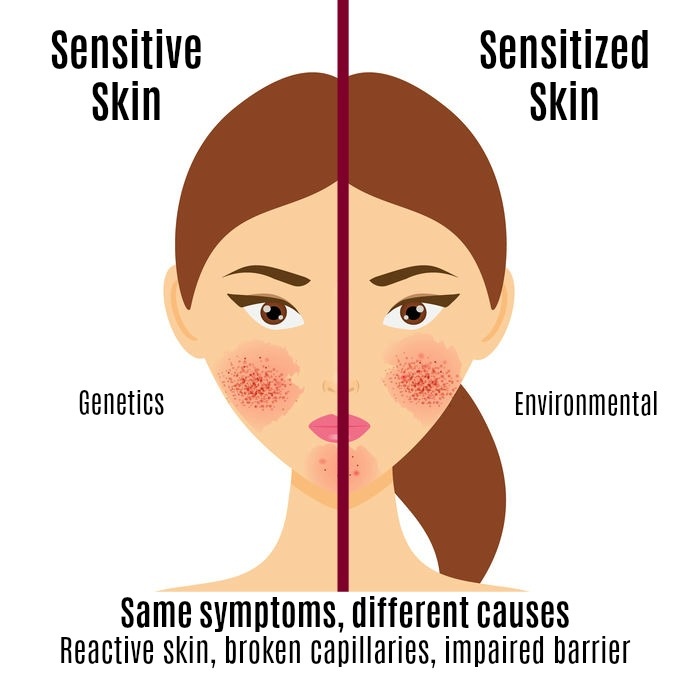
For brands, sensitive skin is not a monolithic condition. It encompasses a spectrum of reactions, triggers, and underlying predispositions. A truly insightful brand understands that sensitivity can stem from various sources:
-
Genetic Predisposition: Some individuals are born with a predisposition to conditions like eczema or rosacea, making their skin inherently more reactive. Brands targeting this group might focus on barrier repair and soothing active ingredients.
-
Environmental Factors: Pollution, harsh weather conditions, UV radiation, and even hard water can induce temporary or chronic sensitivity. Brands must consider regional environmental factors when developing and marketing products.
-
Ingredient Reactions: Specific chemicals, fragrances, dyes, or preservatives can trigger adverse reactions. This is where ingredient transparency becomes critical for brands.
-
Lifestyle & Psychological Factors: Stress, diet, lack of sleep, and certain medications can exacerbate skin sensitivity. Brands that acknowledge these holistic influences can offer more comprehensive solutions and build deeper connections.
-
Compromised Barrier Function: Often, sensitive skin has a weakened skin barrier, making it more permeable and susceptible to irritants and moisture loss. Products designed to strengthen and protect this barrier are highly valued.
Brands that grasp these nuances can move beyond generic “gentle” claims to offer targeted solutions, enhancing their credibility and efficacy in the eyes of the consumer. This segmented understanding allows for more precise product positioning and more impactful marketing narratives.
Self-Perception vs. Clinical Diagnosis: Bridging the Gap
A significant challenge and opportunity for brands lies in the discrepancy between self-identified sensitive skin and clinically diagnosed conditions. Studies consistently show that a large percentage of the population perceives their skin as sensitive, even if they haven’t received a formal diagnosis. This means:
-
Broad Market Reach: The self-identified sensitive skin consumer base is vast, representing a substantial market opportunity.
-
Emotional Connection: Self-perception often comes with a heightened emotional need for comfort, safety, and reliability from products. Brands must tap into this emotional landscape.
-
Trust as Currency: For these consumers, trust in a brand’s claims is paramount. They are often wary, having experienced negative reactions in the past.
Brands must bridge this gap by offering products that are genuinely non-irritating and effective, while also validating the consumer’s self-assessment through empathetic messaging. This involves creating formulations that minimize common irritants and communicating this commitment clearly and consistently. Ignoring the self-identified sensitive consumer means missing out on a huge portion of the market, while exclusively targeting clinically diagnosed conditions limits potential reach.
Branding for Sensitivity: Strategies and Authenticity
Effectively branding for sensitive skin requires more than just labeling a product “hypoallergenic.” It demands a deep commitment to formulation, transparency, and communication that resonates with a highly scrutinizing audience.
The Language of Gentle: Crafting Trustworthy Messaging
The words brands choose to describe their sensitive skin offerings are critical. Messaging must convey safety, efficacy, and empathy. Key elements include:
-
Clear and Concise Claims: Avoid jargon and vague promises. Focus on benefits like “soothes redness,” “restores skin barrier,” “minimizes irritation,” or “fragrance-free.”
-
Ingredient Focus: Highlight the absence of common irritants (e.g., parabens, sulfates, dyes, essential oils for some brands) and the presence of soothing, barrier-supporting ingredients (e.g., ceramides, hyaluronic acid, niacinamide).
-
Certifications and Endorsements: Dermatologist-tested, allergy-tested, non-comedogenic, and seals from reputable organizations (e.g., National Eczema Association) provide external validation and build consumer confidence.
-
Storytelling with Empathy: Brands can build an emotional connection by sharing stories of individuals who have found relief, or by emphasizing the brand’s commitment to creating comfortable, safe experiences for sensitive skin.
The language of gentle is not just about avoiding harsh terms; it’s about building a narrative of care, understanding, and reliability that reassures the sensitive skin consumer.
Ingredient Transparency and Formulation Integrity
Perhaps no other consumer segment demands as much ingredient transparency as those with sensitive skin. Brands must adopt a ‘radical transparency’ approach:
-
Full Ingredient Disclosure: Providing comprehensive ingredient lists, ideally with explanations of key ingredients and their functions, builds immense trust.
-
“Free-From” Claims with Integrity: While “free-from” claims can be powerful, they must be genuine. Misleading claims or “greenwashing” can quickly erode trust. Brands should be able to substantiate why certain ingredients are excluded and the benefits of their absence.
-
Rigorous Testing: Beyond standard safety testing, brands should invest in specialized dermatological and allergy testing for their sensitive skin lines. Sharing details about these testing protocols can further bolster confidence.
-
Minimalist Formulations: Often, less is more for sensitive skin. Brands that prioritize fewer, high-quality, well-researched ingredients can convey a sense of safety and reduce the likelihood of adverse reactions.

Formulation integrity is the backbone of any sensitive skin brand. It demonstrates a genuine commitment to the consumer’s well-being and is a non-negotiable for long-term success in this segment.
Marketing to the Sensitive Skin Consumer: Challenges and Opportunities
Marketing to the sensitive skin consumer requires a blend of scientific substantiation, empathetic communication, and strategic digital engagement. It’s about building a community based on shared experiences and solutions.
Digital Engagement and Community Building
The digital realm offers unprecedented opportunities for brands to connect with the sensitive skin community:
-
Content Marketing: Developing informative blog posts, videos, and infographics that explain sensitive skin, identify triggers, and offer solutions positions the brand as a trusted expert.
-
Social Media Engagement: Platforms like Instagram, TikTok, and Facebook are ideal for sharing user testimonials, before-and-after photos, and creating interactive Q&A sessions with dermatologists or brand experts.
-
Influencer Marketing: Partnering with authentic influencers who genuinely struggle with sensitive skin and have found relief with the brand’s products can be highly effective. Their personal stories resonate deeply.
-
Online Forums and Groups: Brands can participate in or even host online communities where sensitive skin sufferers can share experiences, offer support, and discover solutions. This fosters a sense of belonging and brand loyalty.
By fostering a digital community, brands can move beyond transactional relationships, becoming a trusted resource and confidante for individuals navigating the challenges of sensitive skin.
Navigating the “Greenwashing” Trap
The rising demand for natural and “clean” beauty products can sometimes lead brands into the trap of greenwashing – making misleading claims about the naturalness or environmental friendliness of products. For the sensitive skin consumer, who is already highly cautious about ingredients, this can be particularly damaging to trust.
-
Authenticity Over Hype: Brands must prioritize genuine product benefits and transparent communication over buzzwords and superficial claims.
-
Substantiate Claims: Any claim, whether “natural,” “organic,” or “clean,” must be backed by verifiable data, certifications, or transparent sourcing practices.
-
Educate, Don’t Manipulate: Instead of simply declaring products “natural,” educate consumers on why specific natural ingredients are beneficial for sensitive skin, or why a synthetic but safe ingredient is chosen over a natural irritant.
For sensitive skin brands, avoiding greenwashing is not just good practice; it’s a fundamental requirement for maintaining credibility and fostering long-term consumer relationships built on honesty and integrity.
The Future of Sensitive Skincare Branding
As understanding of sensitive skin evolves, so too will the strategies brands employ to cater to this dynamic market. The future promises even greater personalization and holistic approaches.
Personalization and Predictive Analytics
The future of sensitive skincare branding will likely lean heavily into data-driven personalization:
-
AI-Powered Skin Analysis: Apps and devices that analyze an individual’s skin type, concerns, and potential triggers can recommend highly personalized product regimens.
-
Custom Formulations: Brands may offer bespoke skincare solutions formulated based on individual skin profiles, genetic predispositions, and lifestyle data.
-
Predictive Care: Utilizing data from environmental factors (pollution levels, UV index), user feedback, and clinical research, brands could offer proactive advice and product recommendations to prevent flare-ups.
This level of personalization will allow brands to move beyond mass-market solutions, offering truly tailored care that dramatically improves outcomes for sensitive skin sufferers.

Holistic Brand Experiences
Beyond just products, brands will increasingly offer holistic experiences that support the sensitive skin journey:
-
Integrated Wellness Solutions: Partnering with wellness experts, nutritionists, or mental health professionals to address lifestyle factors that impact skin sensitivity.
-
Educational Platforms: Expanding content to include comprehensive guides on diet, stress management, and environmental protection relevant to sensitive skin.
-
Expert Consultation Services: Offering virtual or in-person consultations with dermatologists or estheticians specializing in sensitive skin, integrated directly into the brand experience.
By offering a comprehensive ecosystem of support, brands can become indispensable partners in their consumers’ sensitive skin management, fostering unparalleled loyalty and trust.
In conclusion, understanding “what is sensitive skin” is a foundational pillar for any brand seeking to succeed in the personal care market. It requires a commitment to scientific rigor, ethical formulation, transparent communication, and empathetic marketing. By genuinely prioritizing the unique needs of the sensitive skin consumer, brands can build not just market share, but enduring relationships founded on trust, efficacy, and a shared journey towards skin comfort and health.
aViewFromTheCave is a participant in the Amazon Services LLC Associates Program, an affiliate advertising program designed to provide a means for sites to earn advertising fees by advertising and linking to Amazon.com. Amazon, the Amazon logo, AmazonSupply, and the AmazonSupply logo are trademarks of Amazon.com, Inc. or its affiliates. As an Amazon Associate we earn affiliate commissions from qualifying purchases.