
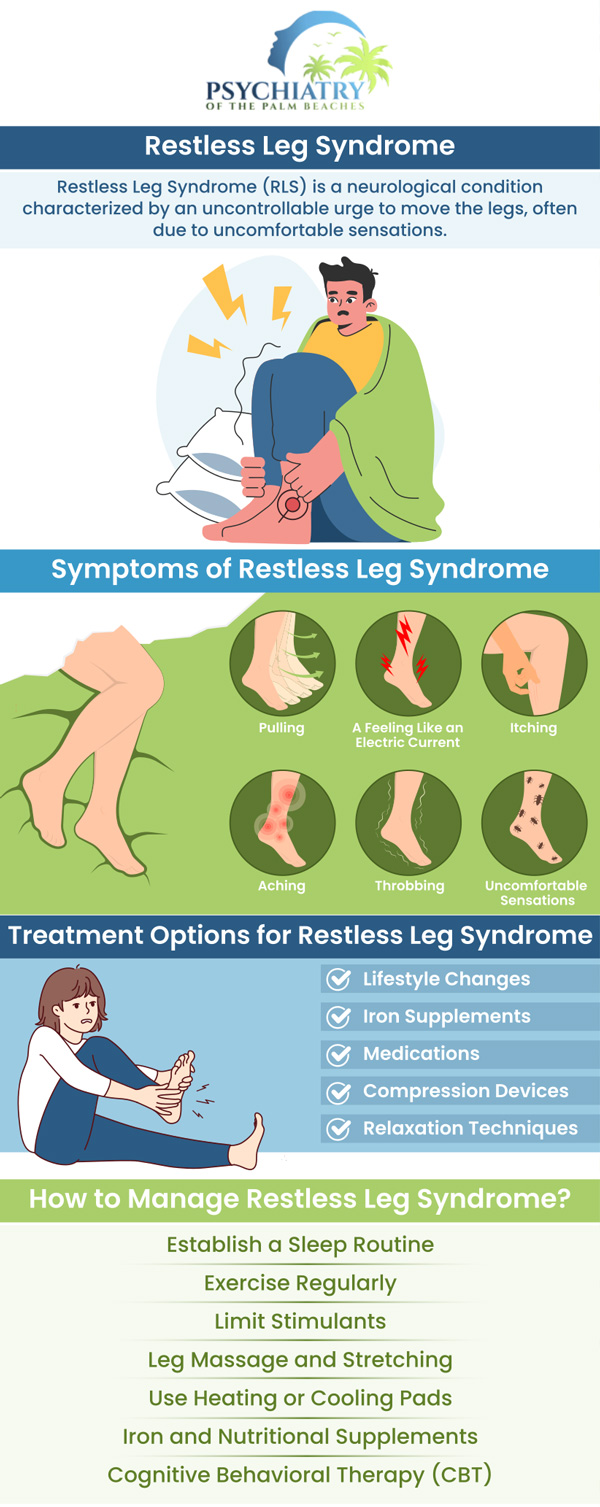
Restless Leg Syndrome (RLS), also known as Willis-Ekbom Disease, has long been a challenge for both patients and clinicians. Characterized by an uncontrollable urge to move the legs, usually accompanied by uncomfortable sensations, it disrupts sleep and diminishes quality of life. Traditionally, management relied heavily on pharmaceutical interventions, such as dopamine agonists or iron supplements. However, as the digital transformation of healthcare accelerates, a new frontier of HealthTech is emerging.
The question of “what can be done for restless leg syndrome” is no longer confined to the pharmacy. Today, it is being answered by engineers, software developers, and data scientists. From wearable haptic devices to AI-driven diagnostic tools, technology is providing non-invasive, data-backed alternatives for those seeking relief.
Wearable Interventions: The New Frontier of Non-Pharmacological Relief
The most immediate impact of technology on RLS is found in the hardware designed to counteract the physical sensations of the condition. Wearable tech has moved beyond simple fitness tracking, evolving into sophisticated medical devices that provide direct therapeutic relief.
Targeted Vibrational Therapy and Haptic Feedback
One of the most significant breakthroughs in RLS technology is the development of vibrational therapy devices. The biological premise is “counter-stimulation”—providing the brain with a competing sensation that overrides the “creeping” or “crawling” feelings associated with RLS.
Modern devices, such as FDA-cleared vibrating pads and leg wraps, utilize high-frequency, low-amplitude vibrations. These gadgets are programmed with specific haptic patterns designed to target the sensory pathways. Unlike generic massagers, these tech-forward solutions use sensors to detect leg movement and can adjust their intensity based on the severity of the user’s symptoms, providing a tailored intervention that allows the user to fall asleep more easily.
Smart Compression and Pneumatic Systems
While compression stockings have been a staple for venous issues, “Smart Compression” is a technological leap forward. Modern pneumatic compression devices (PCDs) are now portable and rechargeable, utilizing sophisticated algorithms to mimic manual lymphatic drainage or specific pressure sequences. These devices help by increasing blood flow and providing deep-tissue stimulation that has been shown to mitigate RLS symptoms in clinical settings. The integration of Bluetooth connectivity allows these wearables to be controlled via smartphone, enabling users to customize pressure levels and cycle durations from their bedside.
Digital Health Platforms: Leveraging AI and Data for Personalized Care
RLS is notoriously difficult to track because symptoms often occur at night or during periods of rest. This is where digital health platforms and Artificial Intelligence (AI) are changing the game, turning subjective experiences into actionable data.
Algorithmic Diagnosis and Advanced Sleep Tracking
The integration of AI into consumer wearables like the Oura Ring, Whoop, and the Apple Watch has enabled a level of “passive monitoring” previously impossible outside of a sleep lab. For an RLS sufferer, these devices can track “Periodic Limb Movements” (PLM) during sleep.
AI algorithms analyze heart rate variability (HRV), movement spikes, and sleep stage transitions to provide a “Restlessness Score.” By correlating this data with lifestyle inputs—such as caffeine intake, exercise, or screen time—the software can identify specific triggers. This shifts the management of RLS from reactive to proactive, allowing users to adjust their behavior based on predictive analytics.
Telemedicine and Virtual Neurology
The rise of telehealth platforms has specialized significantly. We are seeing the emergence of “Virtual Neurology” clinics that focus specifically on sleep and movement disorders. These platforms use remote patient monitoring (RPM) technology to transmit data from the patient’s home directly to a specialist.
Through integrated portals, doctors can view a patient’s movement data in real-time, adjust the settings on their neurostimulation devices remotely, and conduct video consultations. This reduces the “geographic lottery” of healthcare, ensuring that a patient in a rural area has access to the same specialized technological insights as someone in a major medical hub.
Neurostimulation and Bioelectronic Medicine
Bioelectronic medicine is an emerging field that uses electrical, magnetic, or pulsed light energy to modulate the nervous system. For RLS, which is fundamentally a neurological “misfire,” these high-tech interventions offer a way to “reboot” the sensory-motor loops.

Transcutaneous Electrical Nerve Stimulation (TENS) in the Digital Age
While TENS technology has existed for decades, the “TENS 2.0” movement has refined these tools for RLS specifically. Modern TENS units are now wireless, app-controlled, and utilize “micro-current” technology.
These devices work by sending low-voltage electrical currents through the skin to the nerves, effectively blocking pain or discomfort signals before they reach the brain. The latest iterations use “Adaptive Stimulation,” where the device learns which frequencies are most effective for a specific user over time, optimizing the wave patterns to prevent the body from becoming desensitized to the treatment.
Non-Invasive Neuromodulation and PEMF
Pulsed Electromagnetic Field (PEMF) therapy is another tech-centric approach gaining traction. Once reserved for high-end sports clinics, portable PEMF mats and wraps are now available for home use. These devices emit low-frequency electromagnetic waves that penetrate deep into the muscle and nerve tissue.
The technology aims to improve cellular repair and modulate the firing of neurons in the legs. By integrating these devices into a “Smart Home” ecosystem, users can schedule sessions to begin thirty minutes before their typical RLS onset time, automating their relief through the Internet of Things (IoT).
The Role of Mobile Applications in Lifestyle Modification
Software is the “brain” behind the hardware. Mobile applications have evolved from simple diaries into sophisticated therapeutic tools that utilize Cognitive Behavioral Therapy (CBT) and biofeedback.
Biofeedback and Guided Neuromuscular Training
Some of the most innovative apps for RLS now utilize the smartphone’s internal sensors (accelerometers and gyroscopes) to guide users through “Biofeedback” exercises. If a user feels the onset of RLS, the app directs them through specific isometric exercises or stretching routines.
As the user moves, the app provides real-time feedback on the precision of the movement. This helps “distract” the nervous system and recalibrate the motor cortex. Furthermore, gamification elements within these apps encourage consistency, which is vital for long-term symptom management.
Nutrient and Trigger Tracking Software
Because RLS is often linked to iron deficiencies or dopamine fluctuations, specialized nutrition-tracking apps are becoming a key part of the “tech stack” for patients. These aren’t just calorie counters; they are sophisticated databases that track micro-nutrients, hydration levels, and pharmacological interactions.
Many of these apps now feature “OCR Technology” (Optical Character Recognition), allowing users to scan lab results from their blood tests. The AI then cross-references these levels with the latest clinical research on RLS, suggesting dietary adjustments or alerting the user when their ferritin levels might be contributing to increased restlessness.
Future Trends: Robotics and the Internet of Medical Things (IoMT)
The future of RLS management lies in the complete integration of the patient’s environment. We are moving toward a world where the “Smart Bedroom” acts as a collective medical device.
Smart Beds and Autonomous Sleep Environments
The next generation of “Smart Beds” is being designed with RLS in mind. These beds use under-mattress sensors to detect the specific frequency of leg kicks or tosses associated with RLS.
When the bed detects these movements, it can autonomously respond: adjusting the temperature of the mattress (as cooling or heating can often soothe symptoms), changing the incline of the legs to improve circulation, or activating localized vibration zones. This happens without the user ever having to wake up, creating a closed-loop system of care.

Integrated Health Ecosystems
As we look forward, the “Internet of Medical Things” (IoMT) will allow for a seamless flow of data between all these devices. Your smart watch will detect a high-stress day; your nutrition app will note a lack of magnesium; and your smart bed will pre-set a therapeutic vibration cycle before you even lie down.
In this tech-driven future, “what can be done for restless leg syndrome” is answered by an invisible, intelligent infrastructure of support. We are moving away from the era of “living with” RLS and into an era of “technologically managing” it, where data-driven insights and precision engineering provide the rest that patients have long been denied.
aViewFromTheCave is a participant in the Amazon Services LLC Associates Program, an affiliate advertising program designed to provide a means for sites to earn advertising fees by advertising and linking to Amazon.com. Amazon, the Amazon logo, AmazonSupply, and the AmazonSupply logo are trademarks of Amazon.com, Inc. or its affiliates. As an Amazon Associate we earn affiliate commissions from qualifying purchases.