
While seemingly a straightforward query, the exact kickoff time of the Super Bowl is far from a trivial detail. It is, in fact, a meticulously planned strategic decision that forms a cornerstone of one of the world’s most enduring and valuable brands: the Super Bowl itself. This specific moment on the clock is not just a scheduling point; it’s the culmination of years of brand building, negotiation, and a precise understanding of audience behavior, advertiser value, and global cultural impact. For marketers, brand strategists, and corporate identity experts, the Super Bowl’s timing offers a masterclass in how a singular event can command unparalleled attention and drive immense commercial value, all hinged on a perfectly synchronized start.
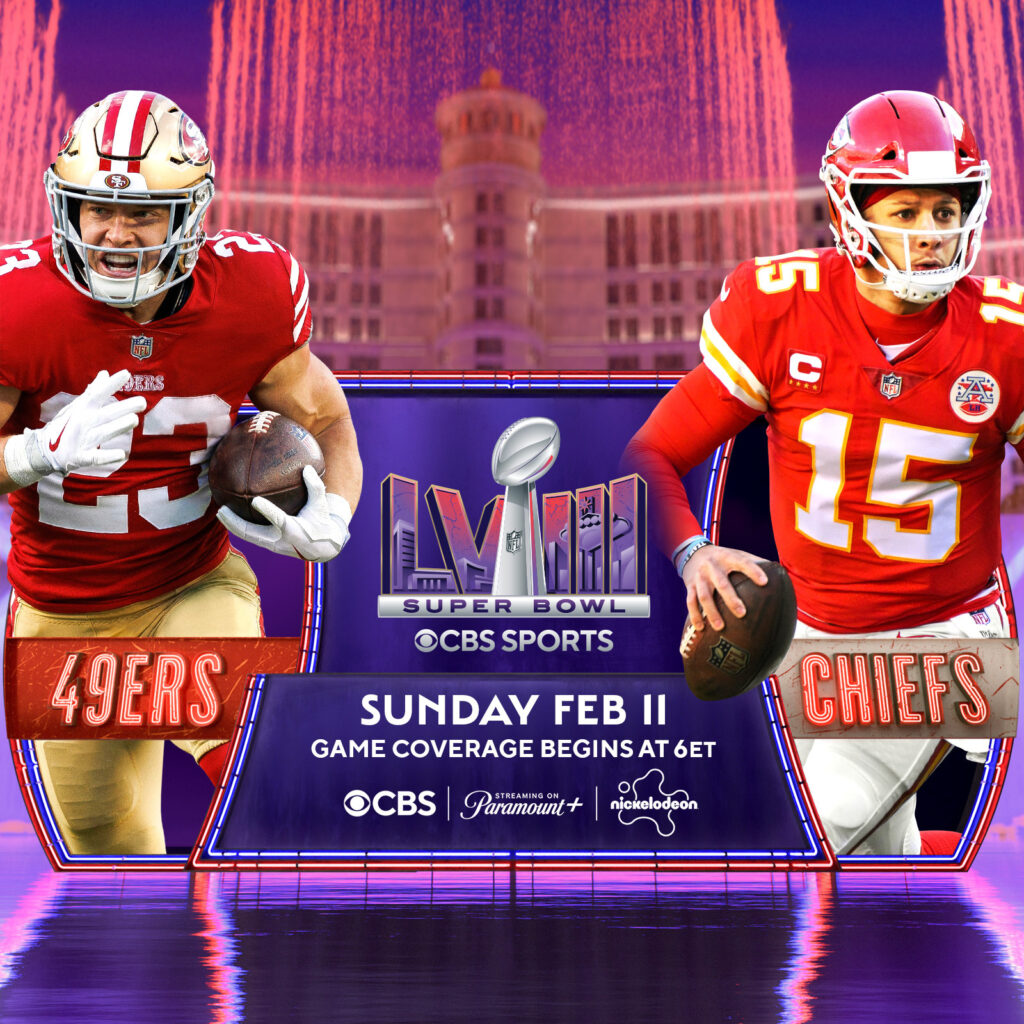
The Strategic Orchestration of Kickoff: A Brand Cornerstone
The determination of the Super Bowl’s starting time is a high-stakes calculation, designed to maximize viewership and engagement across diverse audiences. It’s a prime example of strategic brand positioning, where every minute is analyzed for its potential impact on a multi-billion dollar enterprise.
Global Reach and Audience Capture
The Super Bowl’s kickoff time is carefully selected to strike a delicate balance, primarily targeting the vast North American audience in their prime-time viewing window, typically Sunday early evening (Eastern Standard Time). This slot is crucial for domestic viewership, ensuring that the majority of households are settled, fed, and ready to dedicate several hours to the spectacle. However, the NFL, as a global brand, also considers international markets. While a perfect global sync is impossible due to time zones, the chosen time aims to offer reasonably accessible viewing windows in key international markets, often leveraging Monday mornings or late Sunday nights, further extending the brand’s footprint. This careful consideration of time zones underscores a brand strategy focused on expansive, yet targeted, audience capture, making the event a shared experience across continents. The consistency of this time window year after year reinforces the Super Bowl’s brand identity as an annual, global fixture.
Advertiser Value and Prime-Time Power
For brands, the Super Bowl is the ultimate stage, and its precisely scheduled kickoff is the opening curtain. The consistent, highly anticipated starting time creates an unparalleled advertising window, transforming commercial breaks into cultural moments. This predictability allows brands to meticulously plan their multi-million dollar campaigns, from ad creation to media buys, with absolute certainty regarding their reach. The value proposition for advertisers is intrinsically linked to the event’s timing: a captive, massive, and engaged audience, primed for both the game and the commercials. This strategic time slot enables the Super Bowl to command record-breaking ad prices, making it a unique marketplace for corporate branding. Companies aren’t just buying airtime; they’re buying into a synchronized national experience, a brand halo effect that begins precisely when the game does.
Building Anticipation: The Countdown as a Marketing Tool
The journey to Super Bowl kickoff is a masterclass in brand anticipation. The fixed and known start time fuels weeks, if not months, of speculation, build-up, and relentless media coverage. From the moment the conference championships conclude, the countdown begins, becoming a powerful marketing tool in itself. News outlets, social media platforms, and fan communities engage in a collective narrative that revolves around the impending event. This sustained build-up generates immense hype, solidifying the Super Bowl’s brand as the must-watch event of the year. The official kickoff time acts as the ultimate deadline and focal point, galvanizing an audience ready to experience a communal spectacle, further strengthening the Super Bowl’s corporate identity as the pinnacle of American sports and entertainment.
Beyond the Whistle: How Timing Influences Brand Narratives
The impact of the Super Bowl’s timing extends far beyond the moment the ball is kicked. It fundamentally shapes the ancillary events, post-game discussions, and the broader cultural narrative, all of which contribute to the Super Bowl’s comprehensive brand strategy.
The Half-Time Show: A Brand-Within-a-Brand Phenomenon
Precisely timed mid-game, the Super Bowl Half-Time Show has evolved into a brand-within-a-brand, a standalone entertainment spectacle that rivals the game itself in terms of cultural impact and viewership. The meticulous timing of this segment—typically a compact 12-15 minutes—is crucial. It allows for a monumental production, showcasing global music icons, while ensuring the game’s flow isn’t unduly disrupted. The Half-Time Show’s consistent placement within the broadcast strengthens the Super Bowl’s overall brand identity as a fusion of sports and entertainment. For the featured artists, it’s a career-defining moment, a platform for personal branding on an unprecedented scale, leveraging the Super Bowl’s established time slot to reach a global audience. The marketing and design elements around the Half-Time Show are as sophisticated as the game itself, reinforcing its status as a critical, timed element of the Super Bowl experience.
Post-Game Branding: Extending the Impact
The final whistle doesn’t signify the end of the Super Bowl brand’s influence; rather, it marks a transition into the post-game branding phase. The conclusion of the game, dictated by the initial kickoff time and game duration, seamlessly flows into celebratory broadcasts, analytical discussions, and immediate social media buzz. This extended narrative capitalizes on the momentum of the live event, prolonging audience engagement and offering further opportunities for brand reinforcement. Media outlets strategically plan their post-game content, knowing precisely when the action will conclude. Winning teams and star players leverage this post-game window for personal branding, solidifying their legacy, while the NFL extends its corporate identity through narratives of triumph, sportsmanship, and the spectacle of competition.
The Super Bowl as a Cultural Time Marker

Beyond its commercial and entertainment value, the Super Bowl’s consistent annual timing has cemented its place as a significant cultural time marker. It’s an event around which countless social gatherings, family traditions, and national conversations revolve. This fixed point in the calendar provides a reliable rhythm for communities and individuals, fostering a sense of shared experience. Brands understand this deeply ingrained cultural timing and align their marketing efforts accordingly, from themed promotions leading up to the game to post-game engagement. The Super Bowl’s precise date and time have become synonymous with a unique blend of national unity, competitive spirit, and collective celebration, making it an invaluable asset for any brand seeking to tap into a powerful cultural current.
Navigating the Dynamics: Brand Adaptability and Consistency
Maintaining the Super Bowl’s brand integrity requires a delicate balance between unwavering consistency in its core offering and a pragmatic adaptability to evolving circumstances. The timing of the event is central to this dynamic.
The Balance of Tradition and Evolution
While the Super Bowl’s general timing—early Sunday evening in February—is sacrosanct to its brand identity, minor adjustments to the exact kickoff minute can occur. These subtle shifts are often driven by broadcast partner requirements, lead-in programming strategies, or efforts to optimize viewership. The NFL meticulously manages these changes to ensure they enhance, rather than detract from, the established brand experience. This strategic flexibility demonstrates a sophisticated understanding of how to evolve without sacrificing the core traditions that define the Super Bowl brand. It’s about optimizing the delivery of the experience while preserving the perceived predictability and gravitas of the event.
Mitigating Disruption: A Brand’s Resilience
The Super Bowl brand’s resilience is tested when unforeseen circumstances threaten its meticulously planned timing. Weather delays, technical glitches, or even unprecedented global events could potentially disrupt the kickoff. The brand strategy in such scenarios focuses on swift, transparent communication and efficient problem-solving to minimize audience frustration and maintain the event’s high-value image. Any disruption to the scheduled time is handled with extreme care, as even a minor deviation can impact advertiser value and viewer experience. This proactive approach to risk management is critical for a brand that promises a seamless, spectacular show, regardless of external pressures.
The Ripple Effect: How Ancillary Brands Align
The Super Bowl’s official kickoff time creates a massive ripple effect across an ecosystem of ancillary brands and businesses. Local restaurants, bars, merchandise vendors, media outlets, and even private party hosts all align their operations, marketing, and staffing around the game’s schedule. This synchronized effort underscores the Super Bowl’s power as a master brand that dictates the rhythm of countless smaller entities. For these businesses, understanding and adhering to the Super Bowl’s timing is not just logistical; it’s a fundamental part of their own brand strategy, allowing them to tap into the event’s immense commercial energy and audience engagement.
The Future of Super Bowl Timing in a Fragmented Media Landscape
As media consumption habits evolve rapidly, the Super Bowl brand faces new challenges and opportunities regarding its timing, especially in a world of streaming and hyper-personalization.
Streaming vs. Broadcast: The Digital Imperative
The increasing shift towards digital streaming platforms presents both an opportunity and a challenge for the Super Bowl’s timing strategy. While traditional broadcast television dictates much of the current timing, the rise of global streaming audiences could prompt future considerations. The brand must weigh the benefits of a prime-time linear broadcast against the potential to optimize for diverse global streaming audiences, without alienating its core viewers or devaluing advertiser slots. This digital imperative requires a forward-thinking brand strategy to ensure the Super Bowl remains accessible and relevant across all media channels, maintaining its singular event status while adapting to the digital age.
Personalization and Global Audiences
In an era where content is increasingly personalized and on-demand, the Super Bowl’s success lies in its ability to remain a singular, synchronous, live event. Future brand strategy will need to explore how to maintain this communal “must-watch” timing while also catering to an ever more globalized and personalized media landscape. This might involve innovative digital offerings that enhance the live experience for different time zones or provide tailored content around the main event. The challenge for the Super Bowl brand will be to leverage technology to extend its reach and engagement without compromising the core value of a shared, precisely timed, live spectacle.

Leveraging Technology for Enhanced Brand Engagement
While the Super Bowl’s timing is a brand strategy decision, technology plays a critical role in enabling enhanced engagement around that time. From real-time push notifications of kickoff to interactive viewing experiences that synchronize with the live game, technology helps reinforce the importance of the event’s schedule. These tools allow the Super Bowl brand to deepen its connection with fans, ensuring they are aware, engaged, and ready precisely when the action begins. This isn’t about the tech itself, but how brand strategists use technological advancements to underscore the importance of the scheduled timing and enrich the overall brand experience.
In conclusion, the question “what is the starting time for the Super Bowl” is far more profound than a simple inquiry. It unlocks a comprehensive understanding of event branding, corporate identity, and strategic marketing. The Super Bowl’s kickoff time is a meticulously crafted strategic element that underpins one of the world’s most successful and enduring brands. It dictates everything from multi-million dollar advertising spends to global cultural conversations, making it a powerful lesson in how precise timing, consistency, and strategic foresight can converge to create unparalleled brand value and cultural resonance.
aViewFromTheCave is a participant in the Amazon Services LLC Associates Program, an affiliate advertising program designed to provide a means for sites to earn advertising fees by advertising and linking to Amazon.com. Amazon, the Amazon logo, AmazonSupply, and the AmazonSupply logo are trademarks of Amazon.com, Inc. or its affiliates. As an Amazon Associate we earn affiliate commissions from qualifying purchases.