
The question of retirement age in the United States is one of the most critical variables in personal financial planning. While many people intuitively associate retirement with the age of 65, the reality of the American financial landscape is far more nuanced. Depending on your birth year, your work history, and your specific financial goals, “retirement age” can actually refer to several different milestones, each carrying distinct implications for your Social Security benefits, healthcare coverage, and overall portfolio longevity.
Understanding Social Security Retirement Milestones
The Social Security Administration (SSA) defines retirement age through three distinct lenses: Early Eligibility Age, Full Retirement Age (FRA), and Delayed Retirement Age. Understanding the friction between these milestones is essential for anyone attempting to map out their golden years.
Early Eligibility Age
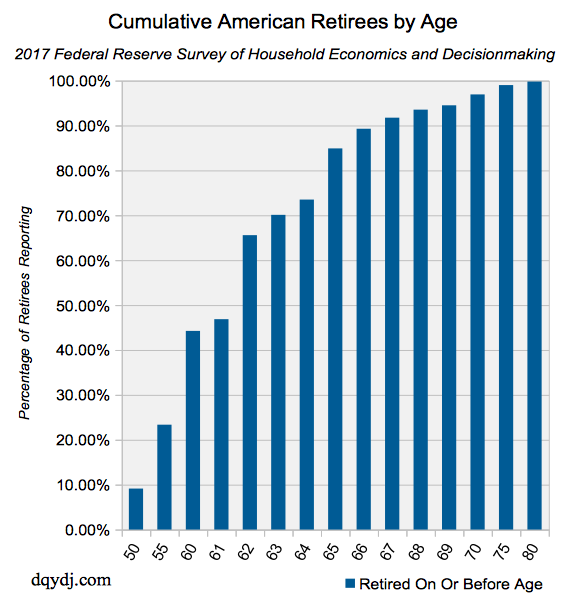
The earliest you can begin collecting Social Security retirement benefits is age 62. However, choosing to file at this age comes with a significant permanent reduction in your monthly benefit amount. If your Full Retirement Age is 67, filing at 62 results in a reduction of approximately 30%. This is a trade-off that many Americans make to exit the workforce early, but it requires a robust personal savings strategy to compensate for the smaller lifelong government check.
Full Retirement Age (FRA)
Full Retirement Age, sometimes referred to as “Normal Retirement Age,” is the age at which you are entitled to 100% of your Social Security benefit based on your lifetime earnings. For those born in 1960 or later, the FRA is 67. If you were born between 1943 and 1954, your FRA is 66. This milestone is the benchmark for many financial plans because it represents the point where you no longer face benefit reductions for starting payments, nor do you receive extra credits for waiting.
Delayed Retirement Credits
If you have the financial capacity to wait, you can earn “delayed retirement credits” for every year you hold off on claiming Social Security past your FRA, up until age 70. Your benefit increases by 8% for each year you delay. By waiting until 70, you maximize your monthly payout, creating an effective longevity insurance policy that protects against the risk of outliving your retirement savings.
The Intersection of Medicare and Retirement
One of the most dangerous misconceptions in retirement planning is the assumption that Medicare begins automatically at your desired retirement age. In the United States, Medicare eligibility generally begins at age 65, regardless of when you choose to start your Social Security benefits.
The Healthcare Coverage Gap
If you plan to retire at age 62—the early eligibility age for Social Security—you face a three-year “gap” where you are not yet covered by Medicare. During this window, you must bridge the cost of private health insurance or COBRA coverage. Because healthcare costs tend to accelerate as individuals age, this period can be a significant drain on your retirement savings if not explicitly budgeted for.
Planning for Longevity and Medical Expenses
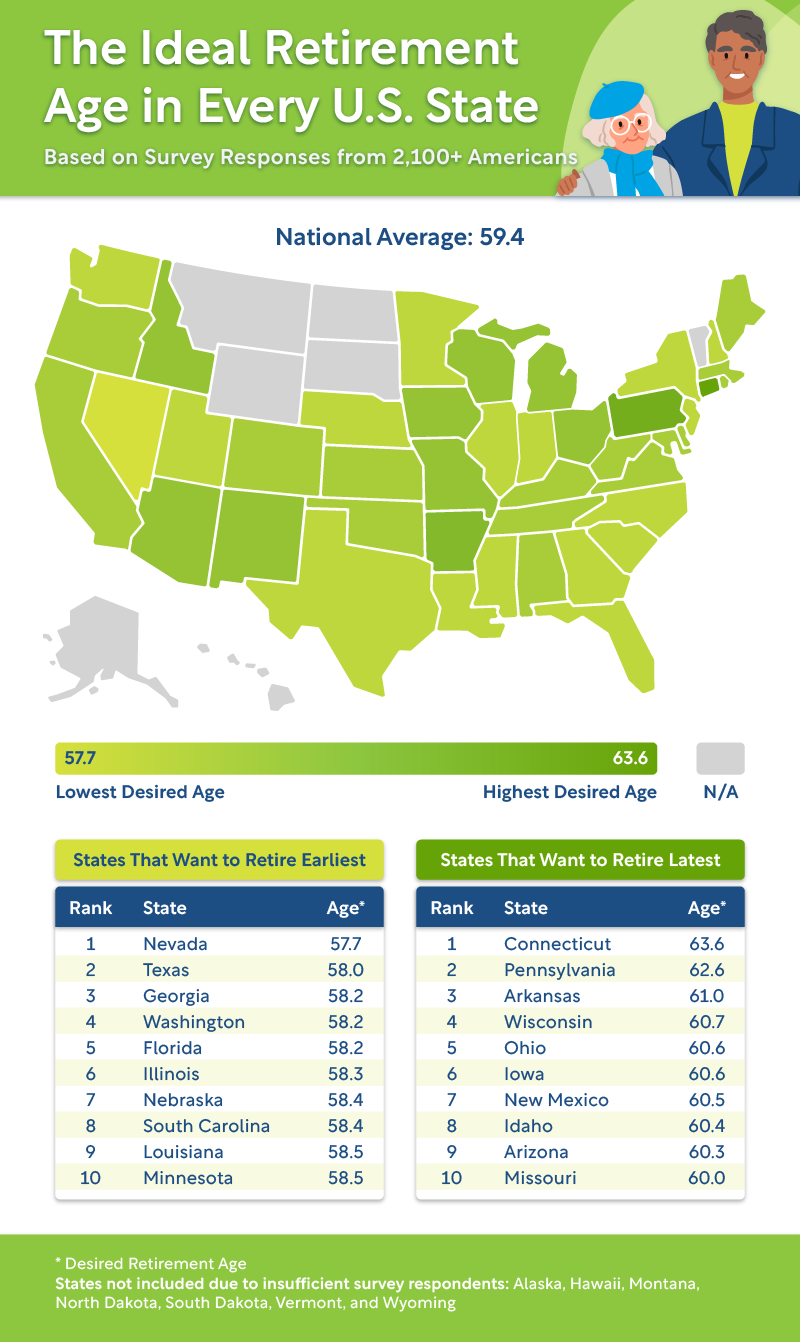
Financial planners often emphasize that the “ideal” retirement age is not just about lifestyle; it is about protecting your assets from the rising costs of medical care. Long-term care, prescription drugs, and supplemental coverage (Medigap) are factors that should influence your decision to continue working. Choosing to work until 65 allows you to transition seamlessly into Medicare, potentially preserving thousands of dollars in investment capital that would otherwise be spent on private insurance premiums during a premature retirement.
The Role of Personal Savings and Private Pensions
While Social Security provides a baseline of income, it was never intended to be the sole source of funding for a comfortable retirement. For most professionals, the true retirement age is determined by the “crossover point”—the moment when your accumulated retirement assets, combined with other passive income streams, can sustain your desired lifestyle without the need for active labor.
The 4% Rule and Sustainable Withdrawals
Many financial experts utilize the “4% rule” as a guidepost for retirement readiness. This rule suggests that if you withdraw 4% of your total retirement portfolio in your first year of retirement and adjust that amount for inflation in subsequent years, your savings are likely to last for 30 years. If your current savings total is insufficient to generate an income through this withdrawal rate that meets your needs, your retirement age must be pushed back until your portfolio reaches a higher valuation.
Employer-Sponsored Vehicles: 401(k) and 403(b)
The accessibility of your retirement accounts often dictates when you can retire. Generally, you can begin making penalty-free withdrawals from 401(k) and 403(b) accounts at age 59½. If you intend to retire before this age, you must have a plan for how to access your capital without triggering the 10% IRS early withdrawal penalty. This might include using Rule 72(t) (Substantially Equal Periodic Payments) or maintaining a “bridge” account in a taxable brokerage that you can tap into before accessing your tax-advantaged retirement funds.
Strategic Timing: Is There a “Right” Age?
There is no singular, universal retirement age in the US. Instead, there is a financial “sweet spot” that is highly individual. Determining your retirement age involves a complex equation of taxes, health insurance, Social Security, and investment growth.
The Case for Working Longer
Working just two or three years past the traditional 65-year mark can have a compounding effect on your financial security. First, you continue to contribute to your retirement accounts, allowing for more growth without the need for withdrawals. Second, you allow your Social Security benefits to increase significantly. Finally, you reduce the total number of years that your portfolio must support your lifestyle, which reduces the overall risk of running out of money.
The Psychological Aspect of Retirement
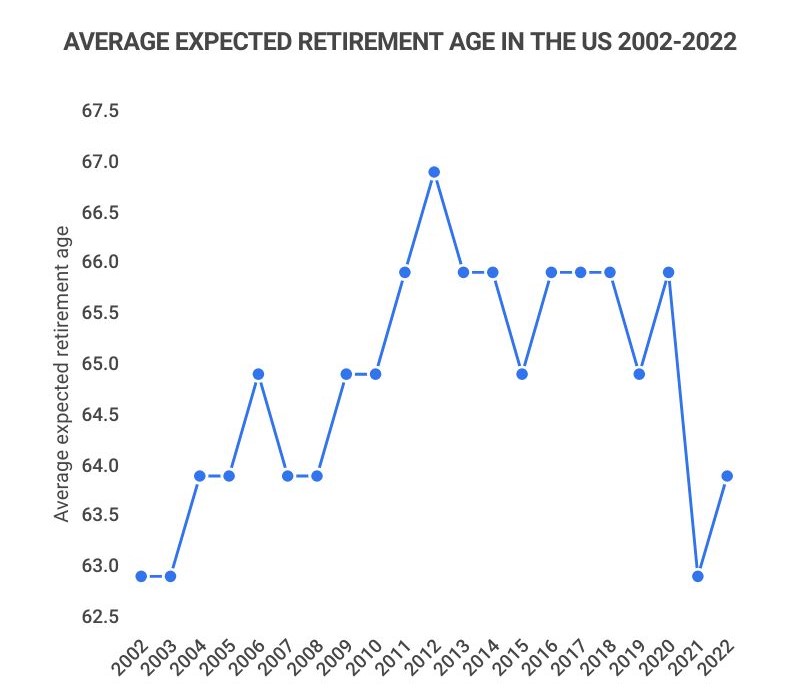
Financial success aside, retirement age is also a psychological choice. Many individuals find that they are not ready to fully exit the workforce at 62 or 65. The trend of “semi-retirement” or “phased retirement,” where individuals shift to part-time or consulting roles, has become a popular way to ease into the transition. This approach can supplement your Social Security income and keep your investment accounts growing for a longer period, providing an extra cushion of safety.
Final Considerations for Your Roadmap
To define your retirement age, you should conduct an annual audit of your financial standing:
- Calculate your projected Social Security income using the SSA’s online tools based on various filing ages.
- Estimate your annual retirement expenses, accounting for inflation and the likely increase in healthcare costs.
- Stress-test your portfolio to see if it can withstand market volatility during the early years of your retirement.
- Identify your “bridge” strategy to cover the gap between your planned retirement date and the start of Medicare or Social Security.
Ultimately, the retirement age in the US is a choice governed by your financial discipline. By understanding the tax, benefit, and investment implications of different ages, you can move away from the arbitrary 65-year-old goal and toward a date that provides you with the highest level of security and peace of mind. Whether you choose to retire early to enjoy your health or push your retirement age to 70 to maximize your benefits, the decision should be rooted in a clear, actionable financial plan that accounts for the realities of the American economy.
aViewFromTheCave is a participant in the Amazon Services LLC Associates Program, an affiliate advertising program designed to provide a means for sites to earn advertising fees by advertising and linking to Amazon.com. Amazon, the Amazon logo, AmazonSupply, and the AmazonSupply logo are trademarks of Amazon.com, Inc. or its affiliates. As an Amazon Associate we earn affiliate commissions from qualifying purchases.