
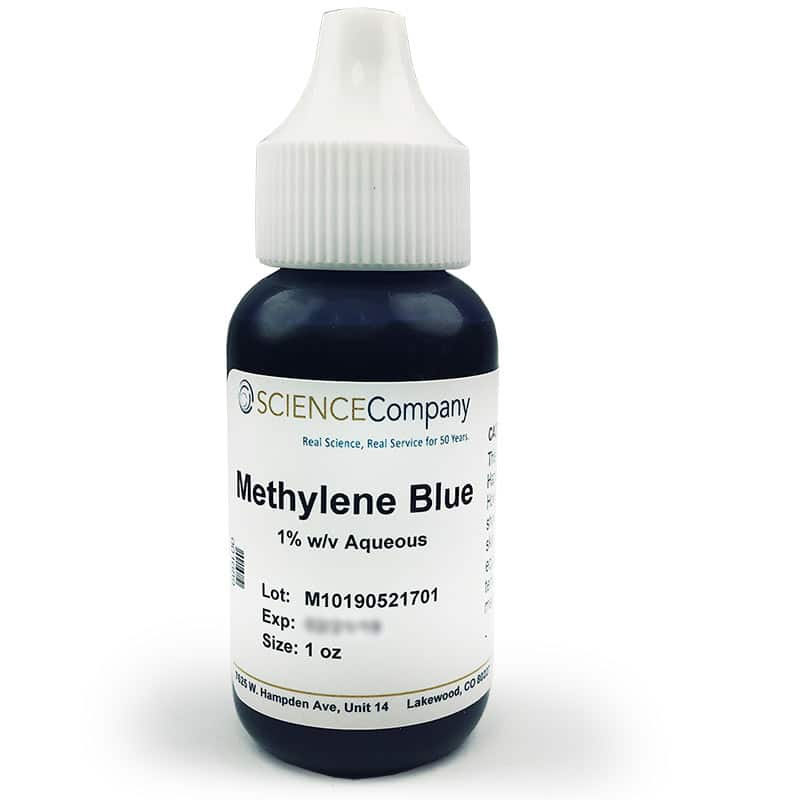
In the intricate tapestry of modern technology, some concepts, while seemingly basic, are utterly foundational, underpinning innovations that shape our world. Methylene is one such concept. Far from being an obscure chemical term, the “methylene group” (–CH2–) represents a core building block whose understanding and manipulation are indispensable to chemical engineering, materials science, and countless technological advancements. From the plastics in our smartphones to the solvents that fabricate microchips, and from advanced pharmaceuticals to sustainable energy solutions, the unassuming methylene group plays a silent yet profoundly impactful role. This article delves into the chemical essence of methylene and, more importantly, explores its pervasive influence and critical applications across the vast landscape of technology.
The Chemical Identity of Methylene: A Core Concept in Tech Development
To truly grasp methylene’s technological significance, we must first understand its chemical nature. It is not an independent molecule typically found in isolation but rather a functional group—a specific arrangement of atoms within a larger molecule that confers particular properties. Its simplicity belies its versatility, making it a cornerstone for chemists and engineers designing the next generation of materials and processes.
Defining Methylene (–CH2– Group)
At its heart, a methylene group consists of one carbon atom bonded to two hydrogen atoms (–CH2–). In organic chemistry, carbon typically forms four bonds. When a carbon atom forms two single bonds with hydrogen atoms and two single bonds with other atoms within a larger molecular structure, it is termed a methylene group. This arrangement makes it saturated and relatively stable within the context of a larger molecule. It is distinct from the highly reactive “carbene” species (:CH2), which is an unstable, neutral molecule with a divalent carbon atom that forms only two bonds and has two non-bonding electrons—though the term “methylene” is sometimes colloquially, and incorrectly, used to refer to carbene. For technological purposes, our focus is on the stable methylene group embedded within organic compounds.
The presence of methylene units dictates much about a compound’s physical and chemical properties. For instance, increasing the number of methylene units in a straight chain typically leads to higher melting and boiling points, increased hydrophobicity, and altered viscosity, all critical parameters for material selection and design in technological applications. Its position within a molecule, whether in a chain, ring, or adjacent to other functional groups, further influences reactivity and overall molecular behavior, providing a rich palette for engineers to sculpt materials with precise characteristics.
Reactivity and Stability: Versatility for Innovation
The relative stability of the methylene group within a larger molecule contributes to its utility. Unlike more reactive functional groups, methylene groups themselves are generally inert under mild conditions, allowing them to form the stable “backbone” of many complex organic structures. However, this stability is not absolute. When methylene groups are situated adjacent to certain other functional groups (e.g., carbonyls, double bonds, aromatic rings), their hydrogen atoms can become more acidic or the carbon atom can become more susceptible to radical reactions. This nuanced reactivity is precisely what makes methylene-containing compounds so versatile in synthetic chemistry and industrial processes.
Chemical engineers exploit this precise balance of stability and tunable reactivity. They design reactions where methylene groups can be selectively oxidized, reduced, halogenated, or involved in polymerization, building ever more complex and functional molecules. For example, the ability to activate methylene groups adjacent to carbonyls is fundamental to many carbon-carbon bond forming reactions used in pharmaceutical synthesis, where new drugs, often critical for medical technology, are developed. Understanding the electronic environment of methylene groups allows for the rational design of catalysts and reaction conditions to achieve specific transformations, leading to the efficient and scalable production of advanced materials and chemicals vital for technological progress.
Methylene’s Ubiquitous Role in Advanced Materials
Perhaps the most apparent impact of methylene on technology lies in the realm of materials science. Methylene groups are the recurring motif in an astonishing array of synthetic polymers and other industrial chemicals that are the very fabric of our modern world. Without them, much of the technology we take for granted simply wouldn’t exist.
Polymers and Plastics: The Backbone of Modern Tech
Consider polyethylene, the most widely produced plastic globally, found in everything from food packaging to durable pipes and electrical insulation. Its structure is simply a long chain of repeating methylene (–CH2–) units. Similarly, polypropylene, used in automotive components, textiles, and medical devices, is built upon a backbone of alternating methylene and methyl (–CH(CH3)–) units. Polyvinyl chloride (PVC), critical for cables, window frames, and flooring, incorporates methylene groups alongside chlorine atoms.
The sheer diversity of polymers incorporating methylene groups is staggering. Their ability to form long, flexible chains lends itself to materials with varying degrees of strength, flexibility, transparency, and chemical resistance. Engineers manipulate the length of these chains, the degree of branching, and the presence of other functional groups to tailor polymers for specific technological applications. High-density polyethylene (HDPE) for sturdy containers, low-density polyethylene (LDPE) for flexible films, ultra-high-molecular-weight polyethylene (UHMWPE) for ballistic vests and medical implants – all owe their distinct properties to the precise arrangement and number of their constituent methylene units, impacting everything from consumer electronics casing to specialized aerospace composites.
Solvents and Industrial Chemicals: Catalysts of Production
Beyond solid materials, methylene-containing compounds are essential as solvents and reagents in countless industrial processes. Dichloromethane (methylene chloride, CH2Cl2) is a prime example. This volatile organic compound is widely used as a solvent in the manufacture of pharmaceuticals, as a paint stripper, and in the production of photographic film, synthetic fibers, and printed circuit boards. Its ability to dissolve a wide range of organic compounds while being relatively non-flammable (compared to many other organic solvents) makes it indispensable in certain high-tech manufacturing streams, particularly where precise cleaning or formulation is required.
Similarly, other halogenated methanes and larger hydrocarbons containing methylene groups serve as crucial intermediates in the synthesis of more complex chemicals, refrigerants (though many are being phased out due to environmental concerns), and fire suppressants. The careful selection and management of these chemicals are critical in ensuring both the efficiency of manufacturing processes and adherence to environmental and safety regulations, a constant challenge for chemical engineers in the tech sector.
Lubricants, Fuels, and Waxes: Enhancing Performance and Efficiency
The long hydrocarbon chains rich in methylene units are also the defining feature of many lubricants, fuels, and waxes. In lubricants, the extensive methylene chains provide the necessary viscosity and thermal stability to reduce friction and wear in engines and machinery, from intricate robotic arms to massive industrial turbines. The physical properties imparted by these chains allow lubricants to withstand extreme temperatures and pressures, crucial for the longevity and efficiency of mechanical systems that power much of our modern infrastructure.
Fuels like gasoline and diesel are complex mixtures of hydrocarbons, predominantly composed of molecules with numerous methylene and methyl groups. The combustion of these methylene-rich compounds releases the energy that drives vehicles, powers generators, and sustains many industrial operations. Waxes, too, such as paraffin wax, are primarily long-chain alkanes dominated by methylene groups. Their unique physical properties (e.g., water repellency, malleability, and melting points) are utilized in diverse technological applications, including protective coatings for electronics, thermal management solutions, and components in personal care products.
Methylene in Electronics and Semiconductor Manufacturing
The precision required in the electronics industry demands an extraordinary level of control over materials at the molecular level. Methylene-containing compounds are instrumental in various stages of microchip fabrication and the assembly of electronic devices, often operating behind the scenes but with critical impact.
Photoresists and Etching Agents: Crafting Microchips
In the fabrication of integrated circuits, photolithography is the process used to transfer geometric patterns from a photomask to a substrate. Photoresists, light-sensitive polymers that are either selectively hardened or softened upon exposure to UV light, are central to this process. Many photoresist polymers are designed with backbones incorporating methylene units, alongside other functional groups that impart light sensitivity and control solubility. The precise control over the molecular structure of these polymers, including the arrangement of methylene groups, allows for the creation of features just a few nanometers in size, which are fundamental to the ever-increasing density and performance of modern microprocessors and memory chips.
Following photolithography, etching agents remove unwanted material from the silicon wafer. While many etching agents are inorganic, organic solvents containing methylene groups can be used in resist stripping or cleaning processes to ensure a pristine surface for subsequent layers.
Encapsulants and Insulators: Protecting Delicate Components
Once microchips are fabricated, they need protection from environmental factors like moisture, dust, and physical damage. Encapsulant materials, often epoxy resins or other polymers with extensive methylene backbones, are used to seal and protect these delicate electronic components. These methylene-rich polymers provide excellent electrical insulation, preventing short circuits and ensuring the long-term reliability of electronic devices. The specific polymer chemistry, including the cross-linking density facilitated by methylene group interactions, is engineered to provide optimal thermal expansion characteristics, mechanical strength, and dielectric properties suitable for high-performance electronics.
Advanced Display Technologies: Towards Brighter Futures
Methylene groups also contribute to the advancement of display technologies. In organic light-emitting diodes (OLEDs), for instance, the organic molecules that emit light often contain methylene linkages. These linkages influence the flexibility, stability, and electronic properties of the organic semiconductor materials, affecting color purity, efficiency, and lifespan of displays. Research into new organic molecules for OLEDs continually explores how varying the number and arrangement of methylene units can optimize device performance for brighter, more energy-efficient, and flexible screens.
Emerging Technologies and Future Implications
The story of methylene in technology is far from over. As scientific understanding deepens and technological demands evolve, the humble methylene group continues to be a focal point for innovation, particularly in areas aiming for sustainability and advanced functionalities.
Sustainable Chemistry and Green Tech: Redefining Production
A significant frontier in methylene-related technology lies in sustainable chemistry. Traditional sources of methylene-containing compounds often rely on fossil fuels. However, there is growing research into bio-based methylene sources, where biomass (e.g., plant matter, agricultural waste) is converted into chemical intermediates that can then be processed into polymers or other materials. This shift towards renewable resources for methylene units is crucial for reducing the carbon footprint of the chemical industry and promoting a circular economy.
Furthermore, engineers are developing greener processes for synthesizing methylene-containing compounds, focusing on reducing energy consumption, minimizing waste, and eliminating hazardous solvents. This includes the development of more selective catalysts that can perform transformations involving methylene groups with higher efficiency and fewer undesirable byproducts, aligning with the principles of green engineering for a more sustainable technological future.
Nanotechnology and Methylene-Based Structures: Precision at the Atomic Scale
At the nanoscale, the precise arrangement of methylene groups can lead to materials with entirely new properties. Researchers are exploring the use of methylene-rich polymers in nanotechnology for applications like drug delivery systems, where nanoparticles encapsulating therapeutic agents can be designed to release their payload at specific sites in the body. The flexibility and biocompatibility of methylene-containing polymers are key to their success in these intricate biological applications.
In advanced electronics, self-assembled monolayers (SAMs) often utilize molecules with long methylene chains to create highly ordered, ultra-thin films on surfaces. These films can modify surface properties, control adhesion, or act as dielectric layers in nanoscale electronic devices. The precise control over the density and orientation of these methylene chains at the molecular level is critical for the performance of these next-generation nanotechnologies.
AI-Driven Material Discovery: Accelerating Innovation
The advent of artificial intelligence and machine learning is revolutionizing material discovery. Computational chemistry models are now capable of predicting the properties of new molecules based on their structure, including the presence and arrangement of methylene groups. AI algorithms can rapidly screen vast libraries of hypothetical methylene-containing polymers or organic compounds, identifying candidates with desirable properties for specific technological applications—be it for high-performance batteries, efficient solar cells, or novel semiconductors.
This AI-driven approach significantly accelerates the research and development cycle, moving from molecular design to experimental validation much faster than traditional trial-and-error methods. By leveraging AI to understand and manipulate the fundamental role of methylene groups, scientists and engineers are poised to unlock unprecedented material capabilities, pushing the boundaries of what is technologically possible.

Conclusion
The methylene group, a seemingly simple chemical entity, is anything but trivial. It stands as an unsung hero in the technological landscape, a fundamental building block whose presence and manipulation are critical for the materials, processes, and devices that define our modern world. From the robust plastics that encapsulate our electronics to the precise photoresists that etch microchips, and from the lubricants that keep our machinery running to the advanced materials envisioned for sustainable futures, methylene’s influence is pervasive. Its versatility, tunable reactivity, and ability to form stable backbones in complex molecules make it an indispensable concept for chemists and engineers alike. As we push the boundaries of materials science, green chemistry, nanotechnology, and AI-driven discovery, a deep understanding and innovative application of “what is methylene” will continue to be a driving force behind the next wave of technological innovation.
aViewFromTheCave is a participant in the Amazon Services LLC Associates Program, an affiliate advertising program designed to provide a means for sites to earn advertising fees by advertising and linking to Amazon.com. Amazon, the Amazon logo, AmazonSupply, and the AmazonSupply logo are trademarks of Amazon.com, Inc. or its affiliates. As an Amazon Associate we earn affiliate commissions from qualifying purchases.