
In a world saturated with messages vying for attention, understanding the art of rhetoric is no longer a niche academic pursuit; it is a fundamental pillar of successful branding. Far from being mere grandiloquence or flowery language, rhetoric is the strategic art of effective communication, designed to inform, persuade, or motivate an audience. For a brand, mastering rhetoric is about much more than just selling products; it’s about building trust, forging identity, shaping perceptions, and cultivating a loyal community. It’s the intentional craft behind every message, every image, every interaction that defines who your brand is and why it matters.
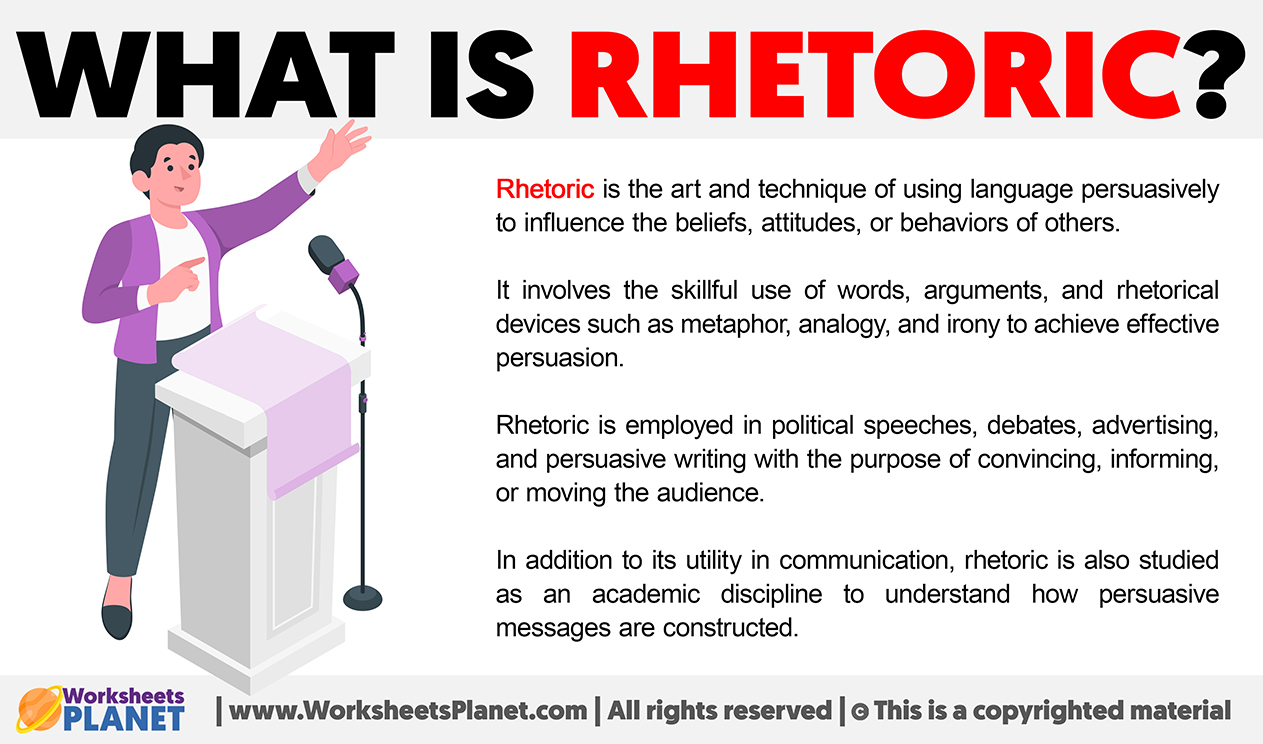
Rhetoric, in its essence, provides the framework for understanding how language and visuals work to influence human thought and action. In the context of branding, this means dissecting how a company crafts its narratives, designs its advertisements, articulates its values, and even responds to crises. Every tagline, every marketing campaign, every piece of content published online is a rhetorical act, imbued with the potential to either strengthen or dilute a brand’s presence. To truly connect with an audience, a brand must understand not just what it wants to say, but how it should say it, to whom, and under what circumstances. This article will delve into the profound significance of rhetoric for modern brands, exploring its core principles and demonstrating how strategic communication can elevate a brand from being merely recognized to being truly revered.
The Ancient Art, Modern Application: Understanding Rhetoric in Branding
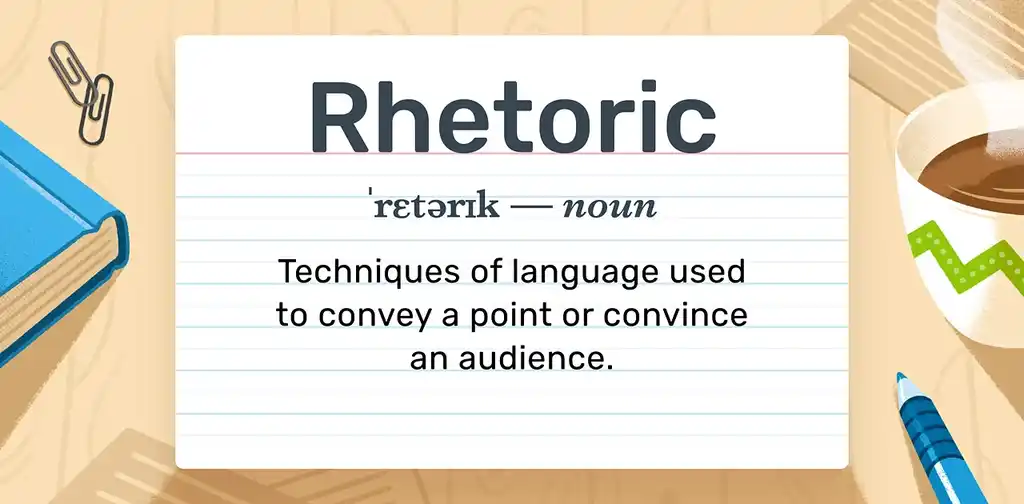
Rhetoric, as formally studied, dates back to ancient Greece, with Aristotle’s seminal work “Rhetoric” laying much of the groundwork. He defined rhetoric as “the faculty of observing in any given case the available means of persuasion.” While the tools and mediums have evolved dramatically, the fundamental principles remain startlingly relevant for today’s brands. It’s about more than just convincing; it’s about shaping understanding, fostering connection, and inspiring action through carefully considered communication.
Beyond Persuasion: Ethos, Pathos, and Logos in Brand Building
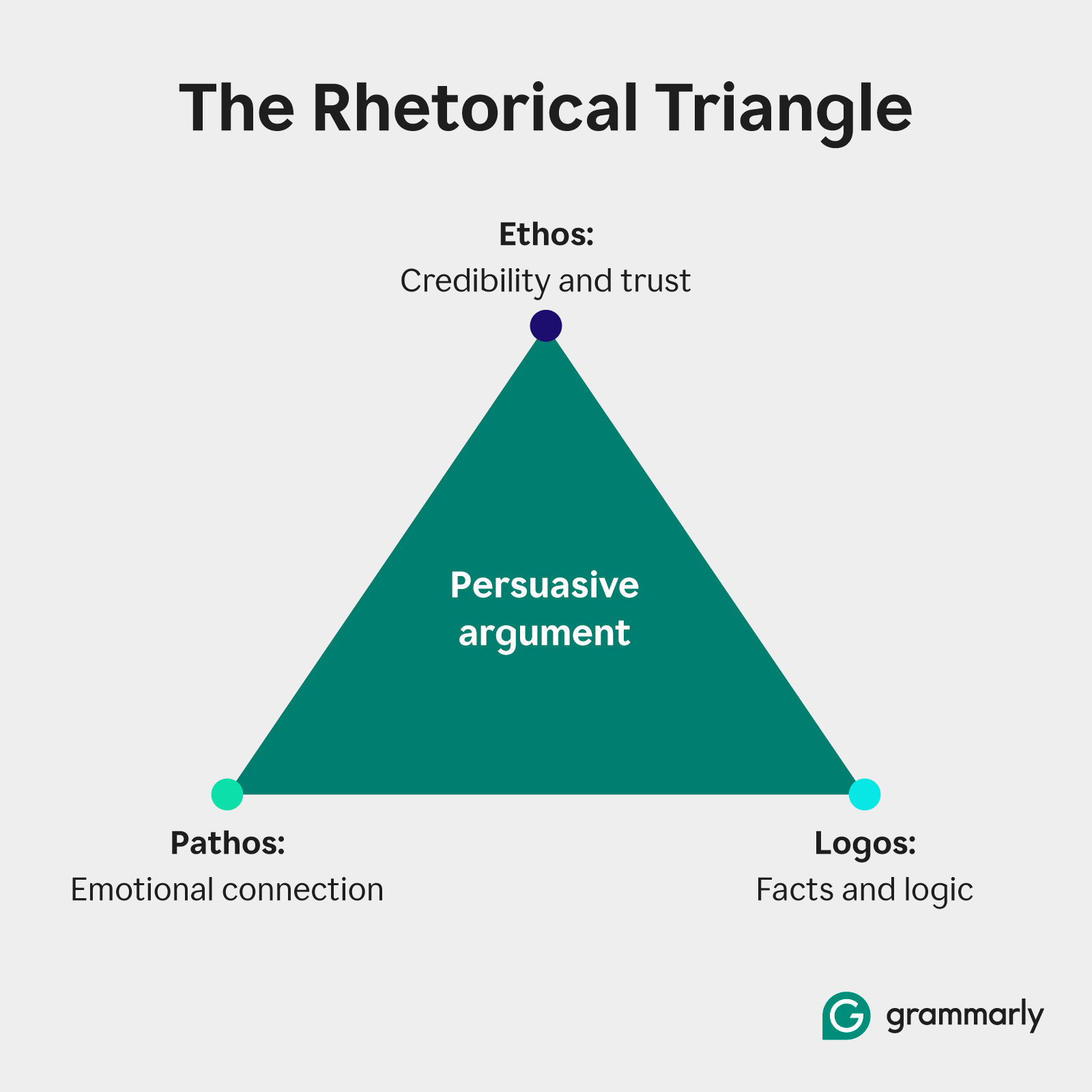
Aristotle identified three primary modes of persuasion, known as rhetorical appeals, which are as vital today for brand building as they were for ancient orators:
Ethos: The Foundation of Brand Credibility and Trust
Ethos refers to the credibility or ethical appeal of the speaker (or, in our case, the brand). It’s about establishing trust, demonstrating authority, and showcasing good character. For a brand, ethos is built through consistent quality, transparent practices, ethical sourcing, customer testimonials, expert endorsements, and a strong track record. A brand with strong ethos is perceived as reliable, knowledgeable, and trustworthy, making its messages inherently more persuasive. Consider a luxury brand known for its craftsmanship: its ethos is built through decades of quality, artisanal skill, and premium materials, lending an air of authority and desirability to all its communications.
Pathos: Forging Emotional Connection and Resonance
Pathos appeals to the audience’s emotions. It involves evoking feelings such as joy, nostalgia, fear, excitement, or empathy to create a connection and move the audience. Brands effectively use pathos through storytelling, evocative imagery, aspirational messaging, and aligning with shared values. A powerful advertising campaign that tugs at the heartstrings, or a brand that champions a social cause, is leveraging pathos to build deep emotional bonds with its audience. This emotional resonance often transcends logical arguments, leading to stronger loyalty and advocacy.
Logos: The Logic and Reason Behind Brand Claims
Logos appeals to the audience’s logic and reason. It involves using facts, data, statistics, logical arguments, and clear explanations to persuade. For a brand, logos is evident in detailing product specifications, presenting research findings, demonstrating efficiency, or offering clear, problem-solving solutions. While pathos might draw an audience in, logos often provides the rational justification for a purchase or belief. A tech company showcasing the superior processing speed of its new device with benchmark tests, or a financial service detailing its competitive interest rates, is employing logos to convince potential customers. The most effective brand rhetoric artfully combines all three appeals, creating a message that is credible, emotionally engaging, and logically sound.
Decoding the Rhetorical Landscape of a Brand
Every aspect of a brand’s public face, from its name to its packaging to its customer service script, contributes to its rhetorical landscape. Understanding this landscape involves recognizing both intentional and unintentional rhetorical choices. A brand might consciously craft a tagline to evoke a specific feeling (pathos) or choose an authoritative spokesperson (ethos). However, its choice of font, the tone of its automated email replies, or even the layout of its physical store also communicate messages – sometimes inadvertently. A coherent rhetorical strategy ensures that all these elements work in harmony to reinforce the desired brand identity and message. Without this understanding, a brand risks sending mixed signals, confusing its audience, and eroding its carefully constructed image.
Crafting Your Brand’s Voice: Rhetoric in Messaging and Identity
The core of any brand’s identity is its voice – how it speaks, what it emphasizes, and the personality it projects. Rhetoric provides the tools to intentionally sculpt this voice, ensuring it resonates authentically with the target audience and consistently reinforces the brand’s values and mission.
The Power of Narrative: Storytelling as a Rhetorical Device
Humans are wired for stories. Narrative is arguably one of the most potent rhetorical devices, allowing brands to communicate complex ideas, build emotional connections, and create memorable experiences. A brand’s story isn’t just about its origin; it encompasses its mission, its struggles, its successes, its values, and the impact it aims to make.
Brand Origin Stories: Roots of Authenticity
Sharing the journey of how a brand came to be – the passion of its founders, the problem it set out to solve – establishes a foundational ethos and pathos. It makes the brand more human, relatable, and authentic.
For example, the story of Patagonia’s commitment to environmental activism from its inception is a powerful narrative that resonates deeply with its customer base.
Customer Success Stories: The Relatable Journey
Highlighting how customers have benefited from a brand’s products or services provides tangible proof (logos) and evokes empathy (pathos). These stories don’t just sell; they inspire and validate.
Think of before-and-after transformations in the fitness industry or testimonials from users of productivity software.
Vision for the Future: Aspirational Rhetoric
Articulating a clear vision for the future, and how the brand plans to contribute to it, uses aspirational rhetoric. It taps into hopes and desires, inviting the audience to be part of a larger movement or purpose.
Many tech companies sell a vision of a more connected or efficient future, rather than just selling devices.
Strategic storytelling transforms a brand from a mere vendor into a trusted guide, an inspiring partner, or a fellow traveler on a shared journey.
Language as a Brand Asset: Diction, Tone, and Style
Every word a brand uses is an opportunity to express its identity. The careful selection of language—its diction, tone, and overall style—is a critical rhetorical act that shapes perceptions and relationships.
Diction: The Precise Choice of Words
Diction refers to the specific words a brand chooses. Are they formal or informal? Technical or accessible? Evocative or straightforward? A luxury brand might use sophisticated, refined language, while a fast-food chain might opt for energetic, casual words. Consistent diction reinforces brand personality and distinguishes it from competitors.
Tone: The Attitude Behind the Words
Tone conveys the brand’s attitude towards its audience and its subject matter. Is it authoritative, friendly, humorous, empathetic, or serious? A brand’s tone is crucial for establishing rapport. A humorous tone might work for a social media brand targeting Gen Z, while a serious, reassuring tone is essential for a financial services firm.
Style: The Overall Linguistic Identity
Style encompasses the overall way a brand uses language – sentence structure, rhetorical devices (like metaphors, alliteration, hyperbole), and patterns of expression. A brand known for its innovation might use bold, forward-looking language, whereas one focused on tradition might employ more classic, timeless phrasing. Consistency in diction, tone, and style across all communication channels—from website copy to ad campaigns to customer support interactions—builds a cohesive and recognizable brand voice that fosters familiarity and trust.
Visual Rhetoric: When Images Speak Louder Than Words
Rhetoric isn’t solely confined to spoken or written words; visual elements are incredibly powerful rhetorical tools, especially in our visually-driven digital age. Logos, color schemes, typography, photography, and video all communicate messages and evoke responses without a single word being uttered.
Logos and Color Schemes: Instant Identity and Emotion
A brand’s logo is its most condensed form of visual rhetoric, instantly conveying identity, values, and even industry. Color psychology plays a huge role here: blue often signifies trust (logos for financial institutions), green suggests nature and health (pathos for eco-friendly brands), and red can denote passion or urgency (pathos for dynamic brands).
Photography and Videography: Evoking Mood and Aspiration
The style of imagery a brand uses — whether candid, highly stylized, documentary, or abstract — shapes its ethos and pathos. High-quality, aspirational photography can create desire, while authentic, unpolished visuals can build a sense of relatability and transparency. Video, with its ability to combine visuals, sound, and narrative, offers an even richer rhetorical canvas for storytelling and emotional engagement.
Typography: Personality in Print
The chosen fonts for a brand’s text subtly convey personality. A modern sans-serif font might suggest innovation and cleanliness, while a classic serif font can evoke tradition and trustworthiness. Visual rhetoric works synergistically with verbal rhetoric; a brand’s carefully chosen words will be amplified or undermined by its visual presentation. A cohesive brand identity ensures that both elements speak the same language, reinforcing the desired message and emotional connection.
Rhetorical Strategy in Marketing and Engagement
In the dynamic world of marketing, effective rhetoric is the difference between a forgotten message and a viral campaign. It guides how brands approach audience engagement, campaign development, and even crisis management.
From Campaigns to Conversations: Persuading Your Audience
Marketing is, at its heart, an exercise in persuasion. A brand’s rhetorical strategy determines how it targets, informs, and motivates its audience to take specific actions, whether it’s making a purchase, signing up for a newsletter, or becoming a brand advocate.
Analyzing Target Audience: Tailored Messages
Effective rhetoric begins with a deep understanding of the audience. What are their demographics, psychographics, needs, desires, and pain points? Tailoring rhetorical appeals (ethos, pathos, logos) to resonate with specific audience segments ensures that messages are relevant and impactful. What persuades a Gen Z consumer on TikTok will be different from what persuades a Baby Boomer via email.
Call to Actions (CTAs): Rhetorical Imperatives
A Call to Action (CTA) is a direct rhetorical command or invitation, designed to prompt an immediate response. The language, placement, and urgency of CTAs are crucial. “Buy Now” is direct, while “Discover Your Potential” is aspirational. The effectiveness of a CTA relies on the persuasive groundwork laid by the preceding rhetorical appeals.
Engaging in Dialogues: Beyond Monologues
Modern marketing has shifted from one-way communication to two-way dialogue. Brands that use rhetoric to foster genuine conversations, respond to feedback, and engage actively on social media build stronger communities and deepen loyalty. This conversational rhetoric is characterized by empathy, responsiveness, and authenticity.
Handling Brand Crises: Defensive Rhetoric and Reputation Management
Crises are inevitable, and how a brand communicates during challenging times can make or break its reputation. This is where defensive rhetoric becomes paramount. A carefully crafted rhetorical response can mitigate damage, rebuild trust, and reaffirm brand values.
Strategic Communication During PR Disasters
When a crisis hits, a brand must act swiftly and strategically. This involves acknowledging the problem, taking responsibility (if appropriate), explaining the situation clearly and concisely, outlining corrective actions, and expressing empathy for those affected. The tone must be serious, sincere, and transparent.
Apology, Explanation, Corrective Action: The Three Pillars
A robust rhetorical response to a crisis often involves these three elements: a genuine apology (pathos, ethos), a clear and factual explanation without making excuses (logos), and a concrete plan for corrective action (ethos, logos). Brands that handle crises with honesty and humility, using rhetoric that conveys genuine concern and commitment to resolution, are more likely to regain public trust. Conversely, a dismissive, evasive, or overly defensive rhetorical stance can severely damage a brand’s ethos and lead to long-term reputational harm.
Measuring the Impact: Rhetoric’s Role in Brand Equity and Loyalty
Ultimately, the goal of strategic rhetoric in branding is to build brand equity – the commercial value derived from consumer perception of the brand name of a particular product or service, rather than from the product or service itself. This equity is fostered through loyalty, trust, and a strong, positive reputation.
Building Brand Trust and Authenticity Through Consistent Rhetoric
Trust is the bedrock of strong brand relationships. Consistent rhetoric plays a crucial role in building and maintaining this trust. When a brand’s messaging across all touchpoints is cohesive, authentic, and aligns with its actions, it builds a powerful sense of reliability.
Walking the Talk: The Dangers of Rhetorical Inconsistency
Authenticity stems from a brand’s ability to “walk the talk.” If a brand’s rhetoric touts sustainability but its supply chain practices are environmentally damaging, this inconsistency—a rhetorical dissonance—will quickly erode trust and damage its ethos. Consumers today are highly attuned to corporate hypocrisy and are quick to call out brands that fail to live up to their stated values. Consistent rhetoric, where words align with deeds, strengthens a brand’s moral authority and credibility, making its messages more believable and its promises more impactful.
Fostering Community and Advocacy: Rhetoric as a Unifying Force
Beyond individual persuasion, rhetoric can serve as a unifying force, bringing people together around shared ideas, values, and experiences. For brands, this translates into building vibrant communities and cultivating passionate advocates.
Creating a Sense of Belonging Among Customers
Brands that use inclusive, empowering rhetoric can foster a strong sense of belonging among their customers. By articulating a shared vision, celebrating collective achievements, and facilitating customer interaction, brands can move beyond transactional relationships to create a true community. This community, bound by shared identification with the brand’s rhetoric, often becomes its most potent marketing channel.
Empowering Brand Advocates
When customers feel a strong emotional and rational connection to a brand, they become advocates. They amplify the brand’s message (rhetoric), defend its reputation, and actively recruit new customers. Brands can rhetorically empower these advocates by providing them with compelling content, platforms for sharing their experiences, and recognizing their contributions. This organic, word-of-mouth rhetoric is often the most persuasive form of marketing, born directly from a brand’s successful and consistent communication strategy.
Conclusion
Rhetoric is not an optional embellishment for a brand; it is the very fabric of its existence and interaction with the world. From shaping its core identity and values to navigating complex market landscapes and managing public perception, every strategic communication act by a brand is inherently rhetorical. By understanding and intentionally applying the principles of ethos, pathos, and logos, and by crafting compelling narratives, a consistent voice, and impactful visuals, brands can move beyond mere commercial transactions. They can build deep, resonant connections, forge enduring trust, and cultivate loyal communities that transcend the conventional customer relationship. In an increasingly noisy marketplace, mastering rhetoric is not just about being heard; it’s about being understood, believed, and ultimately, beloved. For any brand aspiring to not just survive but thrive, the art of rhetoric is an indispensable master skill.
aViewFromTheCave is a participant in the Amazon Services LLC Associates Program, an affiliate advertising program designed to provide a means for sites to earn advertising fees by advertising and linking to Amazon.com. Amazon, the Amazon logo, AmazonSupply, and the AmazonSupply logo are trademarks of Amazon.com, Inc. or its affiliates. As an Amazon Associate we earn affiliate commissions from qualifying purchases.