
The digital realm thrives on anticipation. From the latest software updates promising revolutionary features to high-stakes esports showdowns that capture global attention, knowing “what time does x come out” is a fundamental query in the tech world. The term “rematch,” while inherently suggesting a competitive re-engagement, extends its meaning within technology far beyond just a gaming contest. It encapsulates the release of a highly anticipated game sequel, a critical software patch addressing previous limitations, a renewed iteration of an application, or even a scheduled re-broadcast of a major digital event. For developers, users, and competitive players alike, precise timing isn’t just a matter of convenience; it’s a linchpin of planning, engagement, and competitive strategy. Understanding the intricate dance of digital release schedules is crucial for anyone navigating the fast-paced currents of modern technology.

Decoding Release Schedules in the Digital Age
The process of rolling out new software, game updates, or digital content is far more complex than simply flipping a switch. Companies employ sophisticated strategies to ensure smooth launches, manage global user bases, and mitigate potential issues.
The Rationale Behind Staggered Rollouts
Why don’t all new features or games go live simultaneously for everyone worldwide? The answer lies in risk management and resource optimization. Staggered rollouts, often seen with operating system updates or major application revamps, allow developers to monitor performance in real-time within a smaller user base. This phased approach helps in identifying and fixing critical bugs before they impact millions. It minimizes server strain, prevents widespread outages, and provides valuable telemetry data. Furthermore, A/B testing — where different versions of a feature are released to separate user groups — informs subsequent iterations, ensuring that the final “rematch” is the most robust and user-friendly version possible. This strategy is a testament to the iterative nature of modern software development, where a “release” is often just one step in a continuous improvement cycle.
Time Zones and Global Launches: A Complex Dance
For a truly global audience, coordinating a release time across multiple time zones is an intricate challenge. Developers often choose a specific UTC (Coordinated Universal Time) moment, which then translates into various local times around the world. For instance, a game launching at midnight PST might go live mid-afternoon in Europe and early morning the next day in Asia. The goal is often to provide a relatively uniform experience, or strategically align the launch with peak user activity in major markets. However, this also means some regions experience the “rematch” much earlier or later than others, which can have implications for competitive integrity in esports or simply for general user excitement. Effective communication about these time zone conversions is paramount to avoid confusion and manage global expectations.
Pre-loading and Early Access: Managing Anticipation
To alleviate the day-one strain on servers and cater to eager users, pre-loading has become a standard practice, especially for large game releases. This allows users to download the bulk of the content before the official launch time, making the actual “rematch” moment a simple unlock rather than a massive download queue. Similarly, early access programs or pre-order bonuses often grant privileged access to content ahead of the public. These strategies serve a dual purpose: they build immense hype and anticipation, acting as powerful marketing tools, while also distributing server load more evenly. From a user perspective, it transforms the “what time does rematch come out” question into “what time can I start the rematch I’ve already prepared for,” enhancing satisfaction and engagement.
The “Rematch” Phenomenon: More Than Just a Game
While “rematch” immediately conjures images of competitive gaming, its spirit of re-engagement and renewal permeates various facets of the tech industry, signifying critical moments of change and improvement.
Esports Events and Competitive Resets
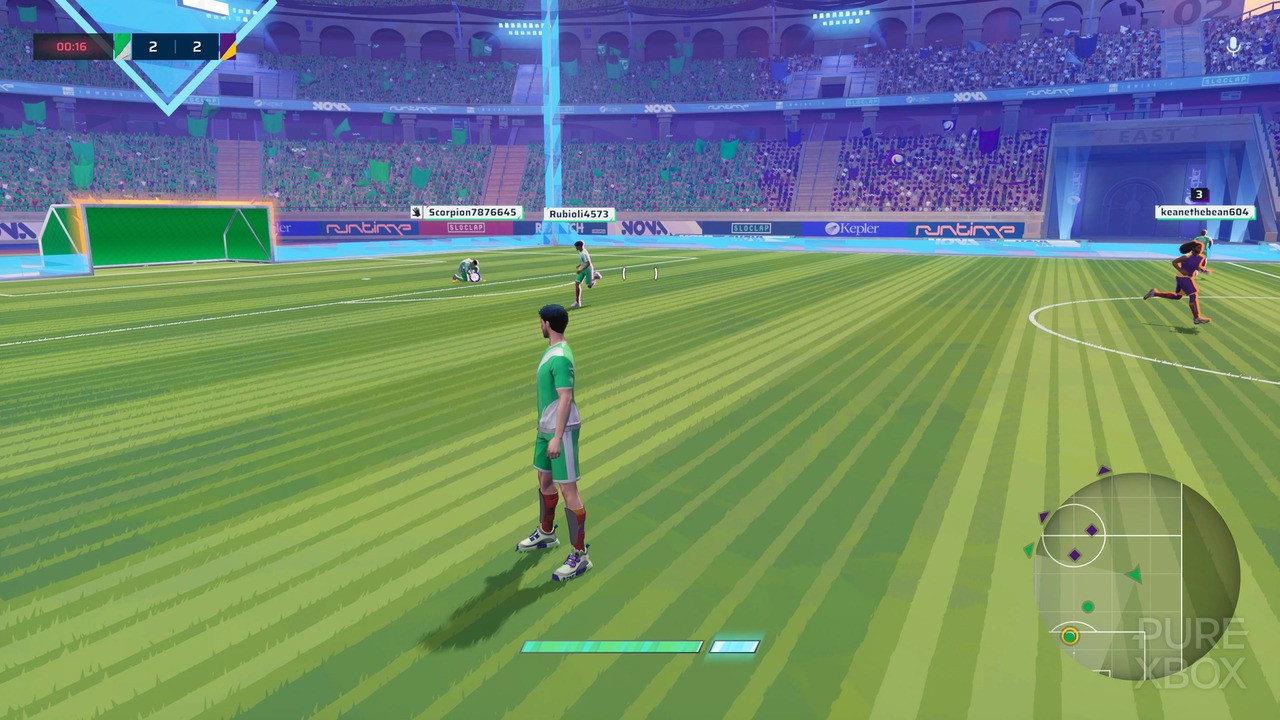
In its most direct interpretation, “what time does rematch come out” frequently refers to a specific, highly anticipated esports match. These events are not just games; they are meticulously planned digital spectacles, often broadcast globally. The technology enabling these high-stakes competitions is immense: dedicated servers, advanced streaming platforms, robust anti-cheat systems, and sophisticated spectator tools. For professional players, knowing the exact timing of a “rematch” is critical for preparation, mental conditioning, and strategic planning. For the global audience, precise schedules allow millions to tune in simultaneously, fostering a shared experience that transcends geographical boundaries. These competitive resets, whether seasonal rank changes or grand finals rematches, often define the meta-game and drive significant technological advancements in game development and streaming infrastructure.
Software Updates as a “Rematch” Against Bugs and Limitations
Beyond competitive gaming, the concept of a “rematch” often applies to significant software updates or patches. In this context, the “rematch” is against previously identified bugs, performance issues, or feature limitations. A major software release aims to “win” this rematch by delivering a more stable, efficient, and feature-rich experience. This iterative improvement cycle is the bedrock of modern software development. Companies often release detailed patch notes that outline what has been improved, what new features have been added, and importantly, when these changes will “come out.” For users, these updates represent a renewed promise of better functionality, security, and an enhanced user experience, turning frustration with an old version into anticipation for the new.
Reinventing User Experiences: Feature Rollouts
Sometimes, a “rematch” isn’t an entirely new product but a significant revamp of an existing feature or user interface. Think of a streaming service overhauling its recommendation algorithm, a social media app redesigning its user profile section, or a productivity tool introducing a completely new collaborative function. These “rematches” are about reinventing and refreshing the user experience, addressing past feedback, and leveraging new technologies. Beta programs often precede these rollouts, allowing a select group of users to test and provide feedback, shaping the final version. The timing of these feature rollouts is often strategic, designed to coincide with market trends, competitor moves, or internal milestones, aiming to capture renewed user interest and demonstrate ongoing innovation.
How to Stay Informed: Navigating Release Announcements
In the dynamic world of tech, misinformation can spread quickly. Knowing where to look for accurate release times is essential for anyone eager to be among the first to experience a new “rematch.”
Official Channels: The First Stop
The most reliable sources for release times are always the official channels of the developers or publishers. Their official websites, dedicated news sections, and verified social media accounts (Twitter, Facebook, Instagram) are primary conduits for announcements. Press releases and official blogs often provide comprehensive details, including exact dates, times, and regional breakdowns. Subscribing to newsletters or enabling notifications from these sources ensures that you receive information directly as it’s released, cutting through the noise of unofficial speculation.
Community Hubs and Fan Wikis
Beyond official channels, vibrant online communities play a crucial role in disseminating and interpreting release information. Platforms like Reddit, Discord servers, and dedicated fan forums often have moderators and enthusiasts who meticulously track announcements, create countdowns, and compile FAQs based on official data. While not primary sources themselves, these hubs are excellent for cross-referencing information, engaging in discussions, and getting real-time updates from a collective user base. Many also feature community-curated wikis that consolidate all known information about upcoming releases, including “rematch” schedules.
Leveraging Technology: Calendar Integrations and Notifications
To ensure you don’t miss a crucial “rematch,” leverage the very technology you’re anticipating. Many official websites and community hubs offer calendar integration options, allowing you to add release dates directly to your personal digital calendar (Google Calendar, Outlook Calendar, Apple Calendar). Furthermore, dedicated apps or browser extensions can track upcoming game releases, software updates, or esports events, providing customizable notifications. Setting up alerts on platforms like Twitch for specific esports channels or using app-specific notification settings for software updates can provide timely reminders, ensuring you’re ready when the “rematch” goes live.
The Impact of Timely Releases on the Tech Ecosystem
The exact moment a “rematch” comes out sends ripples throughout the entire tech ecosystem, affecting developers, users, and the broader market in profound ways.
For Developers and Publishers
For creators, the release of a new game, major update, or significant feature is the culmination of countless hours of work. Timely and well-executed releases are critical for revenue generation, fostering community engagement, and enhancing brand reputation. Meeting announced deadlines demonstrates competence and builds trust with the user base. Conversely, delays or botched launches can lead to significant financial losses, damage credibility, and generate negative sentiment. The pressure to deliver on time, while maintaining quality, is immense, making “what time does rematch come out” a question that directly impacts their financial viability and long-term success.
For Users and Consumers
For the end-user, the arrival of a new “rematch” often brings enhanced experiences, access to cutting-edge functionalities, and potentially a competitive edge in online environments. Whether it’s a smoother operating system, a more immersive game, or a more efficient productivity tool, timely releases contribute to overall satisfaction and value derived from tech products. However, miscommunicated times, unexpected delays, or server issues during a launch can lead to widespread frustration, disengagement, and even a move towards competitor products. Users invest their time and often their money, and they expect clarity and reliability regarding release schedules.
The Broader Market Implications
Beyond individual companies and users, the timing of major tech releases can significantly influence the competitive landscape and innovation cycles across the industry. A well-timed “rematch” release can capture market share, set new industry standards, or even catalyze new trends. For example, a groundbreaking game engine update can inspire an entire generation of developers, or a highly anticipated smartphone release can shift consumer preferences for years. Competitors closely monitor these schedules, often adjusting their own roadmaps in response. Thus, “what time does rematch come out” isn’t just a simple query; it’s a market signal, an indicator of technological progress, and a strategic lever in the ever-evolving tech world.
In conclusion, “what time does rematch come out” is a question that, in the tech sphere, transcends its literal competitive meaning to encompass the myriad releases, updates, and events that shape our digital lives. From the meticulous planning behind global software rollouts to the electrifying moments of esports showdowns, precise timing is a critical element. As technology continues its relentless march forward, the demand for clear, accurate, and timely information about these digital “rematches” will only grow, underscoring the vital role of communication and innovation in keeping the global tech ecosystem vibrant and engaged.
aViewFromTheCave is a participant in the Amazon Services LLC Associates Program, an affiliate advertising program designed to provide a means for sites to earn advertising fees by advertising and linking to Amazon.com. Amazon, the Amazon logo, AmazonSupply, and the AmazonSupply logo are trademarks of Amazon.com, Inc. or its affiliates. As an Amazon Associate we earn affiliate commissions from qualifying purchases.