
The allure of building a business from the comfort and convenience of one’s home has never been stronger. With evolving technology and shifting work paradigms, the dream of becoming your own boss, setting your own hours, and controlling your financial destiny is within reach for many. However, the path to a thriving home-based business isn’t paved solely with passion and innovation; it’s meticulously constructed with sound financial planning, diligent management, and strategic monetary decisions. This guide will delve into the critical financial aspects of establishing and growing a successful home business, empowering you to navigate the economic landscape with confidence and competence.
Laying the Financial Foundation for Your Home Business
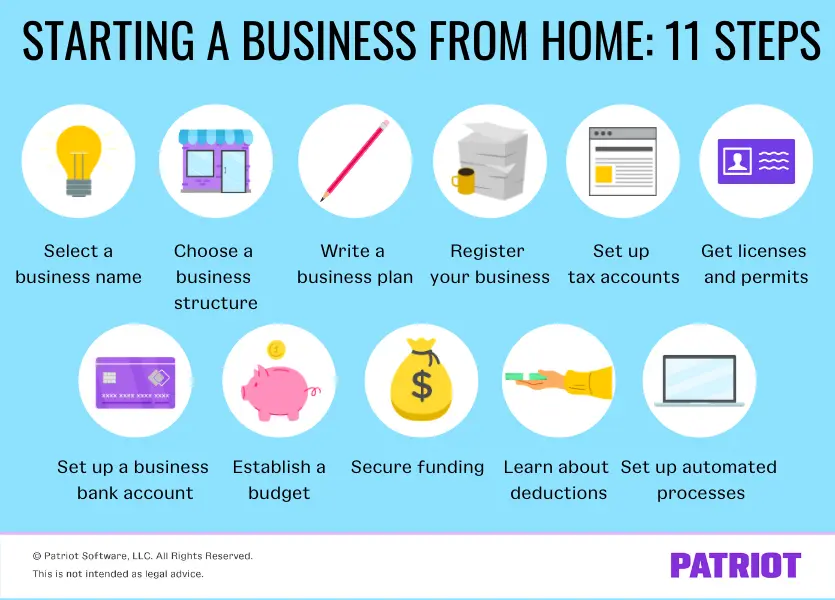
Before a single product is sold or service rendered, a robust financial foundation must be established. This involves a clear understanding of your market, meticulous planning, and adherence to legal and tax requirements. Without these initial steps, even the most brilliant business idea can falter under the weight of financial mismanagement.
Identifying Profitable Niches and Business Models
The first financial consideration is ensuring that your chosen business idea has a viable market and the potential for profitability. This isn’t just about what you love to do, but what customers are willing to pay for.
-
Market Research for Demand and Profitability: Conduct thorough research to identify gaps in the market, underserved customer segments, and existing demand. Analyze competitor pricing, customer reviews, and market trends to determine if your offering can command a profitable price point. Tools like Google Trends, social media analytics, and industry reports can provide invaluable insights into market size and potential revenue.
-
Understanding Startup Costs and Potential ROI: Every business, no matter how small or home-based, incurs startup costs. This could include domain registration, website hosting, software subscriptions, initial inventory, raw materials, professional tools, or training. Accurately estimate these initial outlays and project a realistic Return on Investment (ROI) timeline. Will you need to invest significantly before seeing returns, or can you start with minimal capital?
-
Exploring Various Income Streams: Consider how your business will generate revenue. Will you sell physical products (e-commerce, handmade goods), digital products (e-books, online courses, templates), offer services (consulting, freelance writing, virtual assistance), or generate income through advertising or affiliate marketing? Diversifying potential income streams from the outset can build resilience and enhance overall profitability.
Crafting a Realistic Business Plan and Budget
A business plan serves as your financial roadmap, outlining your goals and how you intend to achieve them. A detailed budget is the compass that keeps you on track.
-
Financial Projections: Revenue, Expenses, Profit: Develop conservative and optimistic financial projections for your first one to three years. Forecast your anticipated revenue based on your pricing strategy and sales volume. Itemize all potential expenses, both fixed (rent if applicable, software subscriptions) and variable (materials, marketing spend). The difference between projected revenue and expenses will give you an estimated profit margin, a crucial indicator of your business’s health.
-
Funding Options: Self-Funding, Micro-Loans, Grants: How will you finance your startup? Many home businesses begin with personal savings (self-funding or “bootstrapping”). Explore options like small business micro-loans from community organizations, or government grants for specific industries or demographics if available. Carefully evaluate the terms and interest rates of any external financing to ensure they align with your business’s financial capacity.
-
Separating Personal and Business Finances from Day One: This is a non-negotiable step for any serious entrepreneur. Open a dedicated business bank account and, if applicable, a business credit card. This simplifies accounting, makes tax preparation easier, and provides a clear picture of your business’s financial performance, separate from your personal expenditures. It also protects your personal assets in case of business liabilities.
Legal and Tax Considerations for Home-Based Entrepreneurs
Navigating the legal and tax landscape is critical for legitimacy and avoiding future financial penalties. This varies by location, so local consultation is often wise.
-
Choosing the Right Business Structure: Decide whether to operate as a sole proprietorship, partnership, Limited Liability Company (LLC), or S-Corp. Each structure has different implications for personal liability, taxation, and administrative burden. An LLC, for instance, offers personal asset protection but requires more paperwork than a sole proprietorship. Consult with a legal professional or accountant to choose the best fit for your specific situation.
-
Understanding Tax Obligations, Deductions, and Quarterly Payments: As a self-employed individual, you are responsible for paying self-employment taxes (Social Security and Medicare), income taxes, and potentially state or local taxes. You will likely need to make estimated quarterly tax payments to avoid penalties. Familiarize yourself with legitimate business deductions—such as home office expenses, business travel, software, and professional development—to minimize your taxable income.
-
Permits, Licenses, and Insurance: Depending on your industry and location, you may need specific business licenses or permits. For example, a food-related business will have different requirements than a consulting service. Additionally, consider business insurance to protect against liabilities, property damage, or professional errors. Failure to comply with these regulations can result in hefty fines and jeopardize your business.
Smart Financial Management for Sustainable Growth
Once your business is operational, ongoing financial management becomes paramount. It’s not enough to just make sales; you need to understand where your money is going, how to optimize your pricing, and how to maintain healthy cash flow.
Tracking Income and Expenses Meticulously
Accurate record-keeping is the backbone of sound financial management. It provides insight, aids decision-making, and simplifies tax time.
-
Importance of Accounting Software: Invest in reliable accounting software like QuickBooks Self-Employed, Wave, or FreshBooks. These tools automate invoicing, track expenses, generate financial reports, and often integrate with your business bank account. They provide a real-time snapshot of your financial health.
-
Categorizing Transactions for Tax Purposes and Financial Analysis: Consistently categorize every income and expense transaction. This not only streamlines tax preparation by clearly identifying deductible expenses but also allows you to analyze spending patterns. Are you overspending on marketing? Is a particular supplier too expensive?
-
Regular Financial Reviews: P&L Statements, Cash Flow: Make it a habit to review your Profit & Loss (P&L) statement and cash flow reports regularly (monthly or quarterly). The P&L shows your revenue versus expenses over a period, indicating profitability. Cash flow shows the actual movement of money in and out of your business, highlighting liquidity. These reviews help you make informed adjustments to your operations and budget.
Pricing Strategies that Drive Profitability
Setting the right price for your products or services is a delicate balance. Price too low, and you undervalue your work; price too high, and you might deter customers.
-
Cost-Plus, Value-Based, Competitive Pricing: Explore different pricing models. Cost-plus pricing adds a markup to your total costs. Value-based pricing sets prices based on the perceived value to the customer, often allowing for higher margins. Competitive pricing involves aligning your prices with those of your competitors. A hybrid approach, considering all three, is often most effective.
-
Understanding Perceived Value and Customer Willingness to Pay: The price a customer is willing to pay isn’t just about your costs; it’s about the perceived value they gain. High-quality branding, exceptional customer service, and unique features can all increase perceived value and justify higher prices.
-
Offering Tiered Services or Product Bundles: To cater to a wider audience and maximize revenue, consider offering different tiers of your service or product (e.g., basic, premium, enterprise). Bundling related products or services at a slightly reduced combined price can also encourage larger purchases.
Managing Cash Flow and Building Financial Reserves

Cash flow is the lifeblood of any business. Even a profitable business can fail if it runs out of cash.
-
Forecasting Cash Inflows and Outflows: Beyond tracking, actively forecast your cash flow. Anticipate when large invoices will be paid and when major expenses (e.g., annual software renewals, quarterly tax payments) are due. This helps you identify potential cash shortfalls before they become crises.
-
Strategies for Improving Cash Flow: Implement strategies to optimize cash flow. This might include requesting upfront deposits for large projects, offering early payment discounts, streamlining your invoicing and collection processes, or negotiating better payment terms with your suppliers.
-
Importance of an Emergency Fund for Your Business: Just as individuals need personal emergency funds, businesses need their own financial cushion. Aim to have at least three to six months’ worth of operating expenses saved in a separate business savings account. This fund provides a critical safety net during slow periods, unexpected expenses, or economic downturns.
Scaling Your Home Business: Financial Strategies for Expansion
Once your home business achieves a stable level of profitability, the next step is often scaling. This phase requires strategic financial planning to ensure growth is sustainable and doesn’t outstrip your resources.
Reinvesting Profits Strategically
Growth often requires investment, and intelligently reinvesting profits is a key driver.
-
Prioritizing Investments: Carefully decide where to reinvest your hard-earned profits. High-impact areas often include enhanced marketing and advertising campaigns, investment in new equipment or software that boosts efficiency, expanding inventory to meet demand, or investing in your own skill development through courses or certifications. Each investment should have a clear expected return.
-
Balancing Growth with Financial Stability: Aggressive growth can be exciting but can also strain cash flow. Maintain a balance between ambitious expansion and ensuring your financial stability. Don’t overcommit to investments that could cripple your business if initial returns are slower than expected.
-
Avoiding Over-Leveraging: While external funding can fuel growth, be cautious about taking on too much debt. Excessive loans can create a heavy burden of interest payments, reducing your flexibility and profitability. Ensure any borrowed capital is used to generate significantly more revenue than its cost.
Diversifying Income Streams
Reliance on a single product, service, or client can be risky. Diversification builds resilience.
-
Adding New Products/Services: Expand your offerings to appeal to a broader audience or serve existing customers in new ways. If you sell physical products, could you create a digital guide related to their use? If you offer a service, could you create a complementary product?
-
Exploring Affiliate Marketing, Digital Products, or Consulting: Look for ways to leverage your expertise or audience without creating entirely new core offerings. Affiliate marketing allows you to earn commissions by promoting other companies’ products. Creating digital products (e-books, templates, online courses) can provide passive income. Offering one-on-one consulting can leverage your specialized knowledge.
-
Reducing Reliance on a Single Source of Income: Aim to have multiple revenue channels. If one product or service experiences a downturn, others can help sustain your business. This financial diversification acts as a hedge against market volatility.
Planning for Long-Term Financial Security
A successful home business should contribute not only to its own growth but also to your personal financial future.
-
Retirement Planning for Entrepreneurs: As a self-employed individual, you don’t have an employer-sponsored 401(k). Set up your own retirement accounts, such as a SEP IRA or Solo 401(k), and contribute regularly. These accounts offer significant tax advantages and are crucial for building long-term personal wealth.
-
Succession Planning or Exit Strategies: Even if your business is young, consider what its future holds. Do you envision selling it one day? Passing it down? Or simply winding it down when you retire? Having an idea of your exit strategy can influence current financial decisions and ensure your business is structured to be valuable and transferable.
-
Building Personal Wealth Alongside Business Wealth: Remember that your business is a vehicle for your personal financial goals. Don’t let all profits remain locked in the business. Pay yourself a fair salary, make personal investments, and contribute to your savings to build a strong personal financial position independent of your business.
Leveraging Financial Tools and Resources
In today’s digital age, a wealth of tools and expert advice is available to home-based entrepreneurs to simplify financial management and foster growth.
Essential Software for Business Finance
Technology can significantly streamline financial tasks, saving time and reducing errors.
-
Bookkeeping, Invoicing, Payment Processing Tools: Beyond accounting software, utilize dedicated tools for invoicing (e.g., Wave, Zoho Invoice) and payment processing (e.g., Stripe, PayPal, Square). These tools are often integrated, allowing for seamless financial operations and faster payments.
-
Budgeting and Forecasting Software: While accounting software often includes budgeting features, dedicated forecasting tools can provide more granular control and predictive insights into your future financial landscape. Spreadsheets are a simple starting point, but specialized software can offer greater sophistication.
-
Tax Preparation Software Specific to Self-Employment: When tax season arrives, specialized software like TurboTax Self-Employed or H&R Block Premium can guide you through the process, helping you identify relevant deductions and ensuring accurate filing. For more complex situations, an accountant is invaluable.
Accessing Expert Financial Advice
You don’t have to be a financial guru to run a successful business. Knowing when to seek professional help is a sign of smart financial management.
-
When to Hire an Accountant or Financial Advisor: Consider hiring an accountant for complex tax situations, detailed financial analysis, or strategic financial planning. A financial advisor can help with personal wealth management, retirement planning, and investment strategies. Their expertise can save you money and headaches in the long run.
-
Benefits of Financial Coaching for Entrepreneurs: A financial coach can provide personalized guidance, help you set financial goals, create actionable plans, and keep you accountable. They can be particularly helpful for new entrepreneurs who are still finding their footing in managing business finances.
-
Online Communities and Educational Resources: Leverage online forums, webinars, e-books, and courses dedicated to small business finance. Many government small business administrations (like the SBA in the US) also offer free resources and counseling services. Learning from others and staying informed is crucial for continuous financial improvement.

Conclusion
Making business at home is an exciting and rewarding journey, offering unparalleled freedom and the potential for significant financial gain. However, its success hinges critically on a proactive, informed, and disciplined approach to finances. From the initial meticulous planning and legal setup to ongoing cash flow management, strategic reinvestment, and long-term wealth building, every financial decision contributes to the stability and growth of your venture. By embracing robust financial practices, leveraging available tools, and not shying away from expert advice, you can transform your home-based business into a financially sound and enduring enterprise, providing not just income, but true financial independence and peace of mind.
aViewFromTheCave is a participant in the Amazon Services LLC Associates Program, an affiliate advertising program designed to provide a means for sites to earn advertising fees by advertising and linking to Amazon.com. Amazon, the Amazon logo, AmazonSupply, and the AmazonSupply logo are trademarks of Amazon.com, Inc. or its affiliates. As an Amazon Associate we earn affiliate commissions from qualifying purchases.