
In the dynamic world of commerce, the concept of “value” stands as the cornerstone of effective marketing. Far more than just a price tag, value represents the holistic benefit a customer perceives they receive in exchange for their resources – be it money, time, effort, or attention. It’s the intrinsic reason customers choose one brand over another, fostering loyalty and driving sustainable growth. Understanding and strategically leveraging value is not merely a marketing tactic; it is the fundamental purpose of marketing itself, defining a brand’s existence and its relationship with its audience.
This article delves into the multi-faceted nature of value in marketing, exploring its components, its creation, its communication, and its profound impact on brand success. We will unpack how brands move beyond mere transactions to build enduring connections based on perceived worth, differentiating themselves in crowded markets and cultivating a loyal customer base.
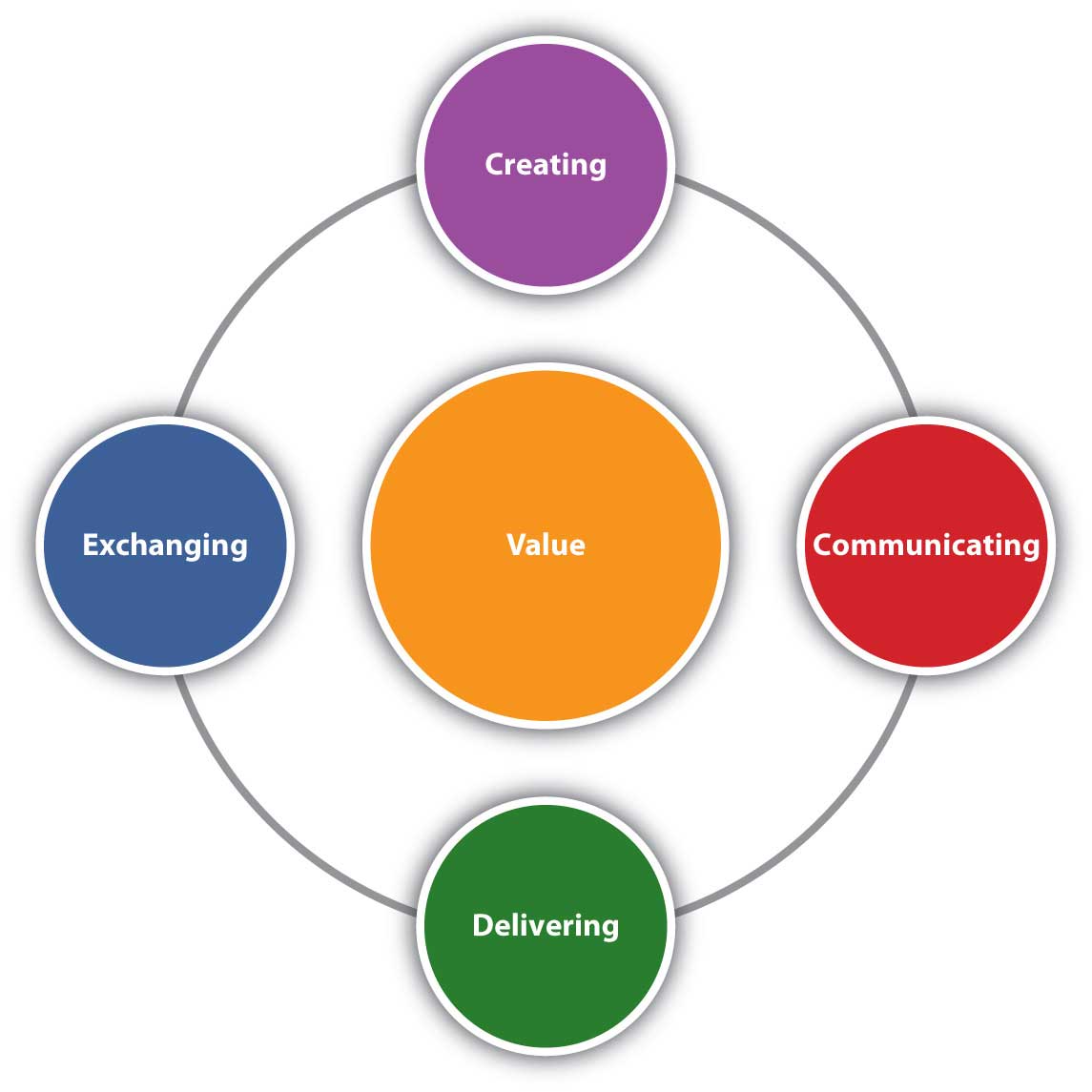
Deconstructing “Value” in the Marketing Landscape
At its core, value in marketing is a subjective assessment made by the customer, reflecting the benefits they gain relative to the costs they incur. It’s a perception that dictates purchase decisions and shapes long-term brand relationships.
Beyond Price: Perceived vs. Actual Value
While price is a component of cost, it rarely encapsulates the entirety of value. Customers evaluate a product or service not just on its monetary cost, but on the total cost of ownership, including convenience, psychological effort, and opportunity cost. Conversely, benefits extend beyond mere functionality; they encompass emotional satisfaction, social standing, problem-solving, and enhanced experiences.
Perceived Value is what truly matters in marketing. It’s the customer’s subjective evaluation of a product’s or service’s ability to satisfy their needs and desires, relative to alternatives. A product might have high actual quality (actual value), but if its benefits aren’t effectively communicated or resonate with the target audience, its perceived value can be low, leading to poor sales. Conversely, a brand can expertly craft a high perceived value even if its actual value is on par with competitors, through superior branding, experience, or positioning. The challenge for marketers is to bridge this gap, ensuring that the brand’s offering is not only inherently valuable but also perceived as such by its target market.
The Exchange Process: Customer Needs & Business Offerings
Marketing is fundamentally an exchange process, where a business offers solutions (products, services, experiences) to meet customer needs and wants. Value is the measure of how well this exchange satisfies both parties. For the customer, it’s about receiving benefits that justify the costs. For the business, it’s about generating revenue and profit in exchange for delivering those benefits.
A successful exchange occurs when the customer perceives that the benefits outweigh the costs, leading to satisfaction and a potential repeat purchase. Businesses, therefore, must deeply understand their target customers’ needs, aspirations, pain points, and desires. This understanding allows them to develop offerings that are not just desirable but also truly valuable, creating a foundation for a robust and sustained brand-customer relationship. Ignoring the customer’s perspective of value is akin to speaking a different language; the message, however well-intended, will simply not be received.
Types of Value: Functional, Emotional, Social, Epistemic
Value is not monolithic; it manifests in various forms that appeal to different facets of the human experience. Understanding these distinct types allows brands to construct richer, more compelling value propositions.
-
Functional Value: This is the most straightforward type, referring to the practical utility or performance of a product or service. Does it solve a problem? Does it work efficiently? Is it durable? For example, a reliable car provides functional value through transportation.
-
Emotional Value: This pertains to the feelings or psychological states a product or brand evokes. Does it make the customer feel happy, secure, empowered, or nostalgic? Luxury brands often excel here, selling not just goods but a feeling of exclusivity and prestige.
-
Social Value: This relates to how a product or brand helps customers connect with others, express their identity, or gain social status. Wearing certain brands or using specific products can signify group affiliation or personal aspiration. Social media platforms, for instance, primarily offer social value.
-
Epistemic Value: This type of value is derived from novelty, curiosity, or the desire for knowledge and learning. Products that offer new experiences, teach new skills, or provide unique insights tap into epistemic value. Travel experiences, educational courses, or innovative gadgets often offer this dimension of value.
By recognizing and strategically combining these different types of value, brands can create a holistic offering that resonates deeply with diverse customer motivations, moving beyond mere transactional relationships to foster strong emotional and social bonds.
The Strategic Imperative of Value Creation
Value creation is not an accidental outcome; it’s a deliberate strategic process that underpins all successful marketing efforts. It begins with a deep understanding of the market and culminates in a unique proposition that sets a brand apart.
Understanding Your Target Audience: Needs, Wants, Pains
The foundation of value creation is an intimate understanding of the target audience. Marketers must move beyond demographics to delve into psychographics, behaviors, motivations, and unmet needs. What problems do potential customers face? What are their aspirations? What makes them feel frustrated, delighted, or empowered?
Conducting thorough market research, analyzing customer data, and engaging in empathetic listening are crucial steps. This deep insight allows brands to identify genuine gaps in the market or opportunities to serve existing needs in superior ways. Without this understanding, any attempt at value creation is speculative and likely to miss the mark, resulting in offerings that fail to resonate or differentiate.
Crafting a Unique Value Proposition (UVP)
Once customer needs are identified, the next step is to articulate how the brand uniquely addresses them. A Unique Value Proposition (UVP) is a clear, concise statement that communicates the specific benefits a customer will receive, why these benefits are superior to alternatives, and why the brand is the best choice.
A strong UVP is specific, measurable, and customer-centric. It doesn’t just list features; it translates features into tangible benefits. For example, “our car has excellent fuel economy” (feature) becomes “our car saves you hundreds on gas every year, reducing your carbon footprint” (benefit and value). A compelling UVP acts as the brand’s North Star, guiding all product development, communication, and marketing activities. It answers the fundamental customer question: “Why should I choose you?”
Integrating Value Across the Marketing Mix (4 Ps)
Value creation isn’t confined to product development; it must be interwoven throughout the entire marketing mix – Product, Price, Place (Distribution), and Promotion. Each element plays a critical role in shaping perceived value.
-
Product: The product or service itself must deliver on its promises. Its features, quality, design, and usability are fundamental sources of functional and emotional value.
-
Price: Pricing strategy is a direct communicator of value. A premium price can signal exclusivity and high quality, while a lower price might signal affordability and accessibility. The key is to align price with the perceived benefits.
-
Place (Distribution): How and where a product is available influences its convenience and accessibility, adding to its value. Easy access, prompt delivery, and a seamless purchase journey enhance the customer experience.
-
Promotion: This is where the brand communicates its value proposition. Advertising, PR, content marketing, and sales efforts must clearly articulate the benefits, evoke emotions, and tell a compelling story about how the brand solves problems and enriches lives. Consistent messaging across all channels reinforces the brand’s value proposition.
Communicating and Delivering Value Effectively
Having created genuine value, the next critical step is to ensure that this value is effectively communicated to the target audience and consistently delivered at every touchpoint.
Storytelling and Emotional Connection

Facts and features are important, but emotions drive decisions. Effective value communication goes beyond listing specifications; it tells a story that resonates with the customer’s aspirations, fears, and desires. Brands that master storytelling can forge deep emotional connections, making their value proposition more memorable and compelling.
A brand’s narrative can highlight its purpose, its journey, its impact, or the transformation it brings to customers’ lives. This emotional resonance builds trust, fosters loyalty, and differentiates the brand in a way that functional benefits alone often cannot. Customers don’t just buy products; they buy into stories, values, and identities.
Demonstrating Tangible and Intangible Benefits
While emotional appeal is powerful, demonstrating concrete benefits is equally crucial. Marketers must translate abstract value into tangible evidence. This can involve case studies, testimonials, product demonstrations, free trials, guarantees, or data-driven results that prove the product or service delivers on its promises.
For example, a software company might demonstrate how its tool saves users 10 hours a week (tangible benefit), leading to more free time and less stress (intangible benefit). Clearly articulating both the functional outcomes and the emotional or psychological gains helps customers fully grasp the extent of the value they receive.
The Role of Brand Experience in Value Delivery
Value isn’t just a promise; it’s an experience. Every interaction a customer has with a brand – from browsing a website to receiving customer support to using the product itself – contributes to their perception of value. A seamless, delightful, and consistent brand experience reinforces the value proposition and builds trust.
Poor customer service, a difficult-to-navigate website, or a product that fails to meet expectations can quickly erode perceived value, regardless of how strong the initial marketing message was. Investing in user experience (UX), customer service training, and quality control are vital aspects of value delivery. It’s about living up to the brand’s promise and consistently exceeding expectations, turning initial interest into enduring loyalty.
Measuring and Sustaining Value in the Long Term
Value creation and delivery are ongoing processes. For brands to thrive, they must continuously measure the impact of their value proposition and adapt to evolving customer and market dynamics.
Key Performance Indicators (KPIs) for Value Assessment
To understand if a brand is successfully creating and delivering value, marketers must track relevant KPIs. These can include:
-
Customer Satisfaction (CSAT) and Net Promoter Score (NPS): Direct measures of how happy customers are and their likelihood to recommend the brand. High scores indicate strong perceived value.
-
Customer Retention Rate: The percentage of customers who continue to do business with the brand over time, reflecting ongoing satisfaction with value.
-
Churn Rate: The rate at which customers stop doing business with a brand, often signaling a decrease in perceived value or a superior competitor offering.
-
Customer Lifetime Value (CLV): The total revenue a brand can reasonably expect from a single customer account over their relationship with the brand, directly reflecting the long-term value delivered and perceived.
-
Market Share and Brand Equity: Broader indicators of a brand’s competitive standing and overall perceived worth in the market.
Regularly analyzing these metrics provides invaluable insights into the effectiveness of value strategies and highlights areas for improvement.
Customer Lifetime Value (CLV) and Retention
Focusing on CLV is paramount for sustaining value. It shifts the marketing paradigm from single transactions to long-term relationships. By continuously delivering value that meets and exceeds customer expectations, brands can significantly increase CLV. This involves strategies like loyalty programs, personalized communications, and proactive customer service.
High customer retention is a direct result of consistent value delivery. Retaining existing customers is often far more cost-effective than acquiring new ones, and loyal customers frequently become brand advocates, amplifying the brand’s reach and credibility through word-of-mouth.
Adapting to Evolving Customer Expectations and Market Dynamics
The definition of “value” is not static. Customer expectations evolve, new technologies emerge, and competitors innovate. Brands must be agile and responsive, continuously monitoring market trends, gathering customer feedback, and iterating on their value proposition.
What was considered valuable a decade ago might be table stakes today. For example, speed of delivery in e-commerce has moved from a premium benefit to a basic expectation. Brands that fail to adapt risk becoming irrelevant. This requires ongoing market research, product development, and a commitment to continuous improvement, ensuring that the brand’s value remains compelling and competitive in an ever-changing landscape.
The Future of Value-Driven Marketing
As markets become more saturated and consumers more discerning, the emphasis on value will only intensify. Future marketing success will hinge on deeper personalization, ethical practices, and collaborative creation.
Personalization and Hyper-Targeting
The era of mass marketing is fading. Consumers expect brands to understand their individual needs and offer tailored experiences. Leveraging data analytics and AI, brands will increasingly deliver hyper-personalized value propositions – offering the right product, at the right time, through the right channel, with a message crafted specifically for the individual. This level of personalization drastically enhances perceived relevance and, consequently, perceived value.
Ethical Considerations and Brand Purpose
Today’s consumers, particularly younger generations, care deeply about the values and ethics of the brands they support. Value extends beyond functional benefits to encompass a brand’s social and environmental impact. Brands with a clear purpose, that demonstrate ethical practices, sustainability, and social responsibility, will be perceived as more valuable and trustworthy. Integrating purpose into the core value proposition builds deeper emotional connections and distinguishes brands that genuinely contribute positively to the world.

Co-creation of Value with Customers
The future of value creation will be increasingly collaborative. Brands are moving from simply delivering value to co-creating it with their customers. This involves engaging customers in product development, soliciting feedback for service improvements, and empowering them to customize offerings. When customers feel they have a stake in shaping the brand, their sense of ownership and perceived value skyrockets, transforming them from mere consumers into active brand partners and advocates.
In conclusion, value in marketing is the lifeblood of a successful brand. It is a dynamic, multi-dimensional concept that underpins every strategic decision, from product development to customer service. By relentlessly focusing on understanding, creating, communicating, and delivering superior value – both tangible and intangible – brands can transcend mere transactions, build powerful emotional connections, and secure a loyal customer base that drives long-term success in an ever-evolving marketplace.
aViewFromTheCave is a participant in the Amazon Services LLC Associates Program, an affiliate advertising program designed to provide a means for sites to earn advertising fees by advertising and linking to Amazon.com. Amazon, the Amazon logo, AmazonSupply, and the AmazonSupply logo are trademarks of Amazon.com, Inc. or its affiliates. As an Amazon Associate we earn affiliate commissions from qualifying purchases.