
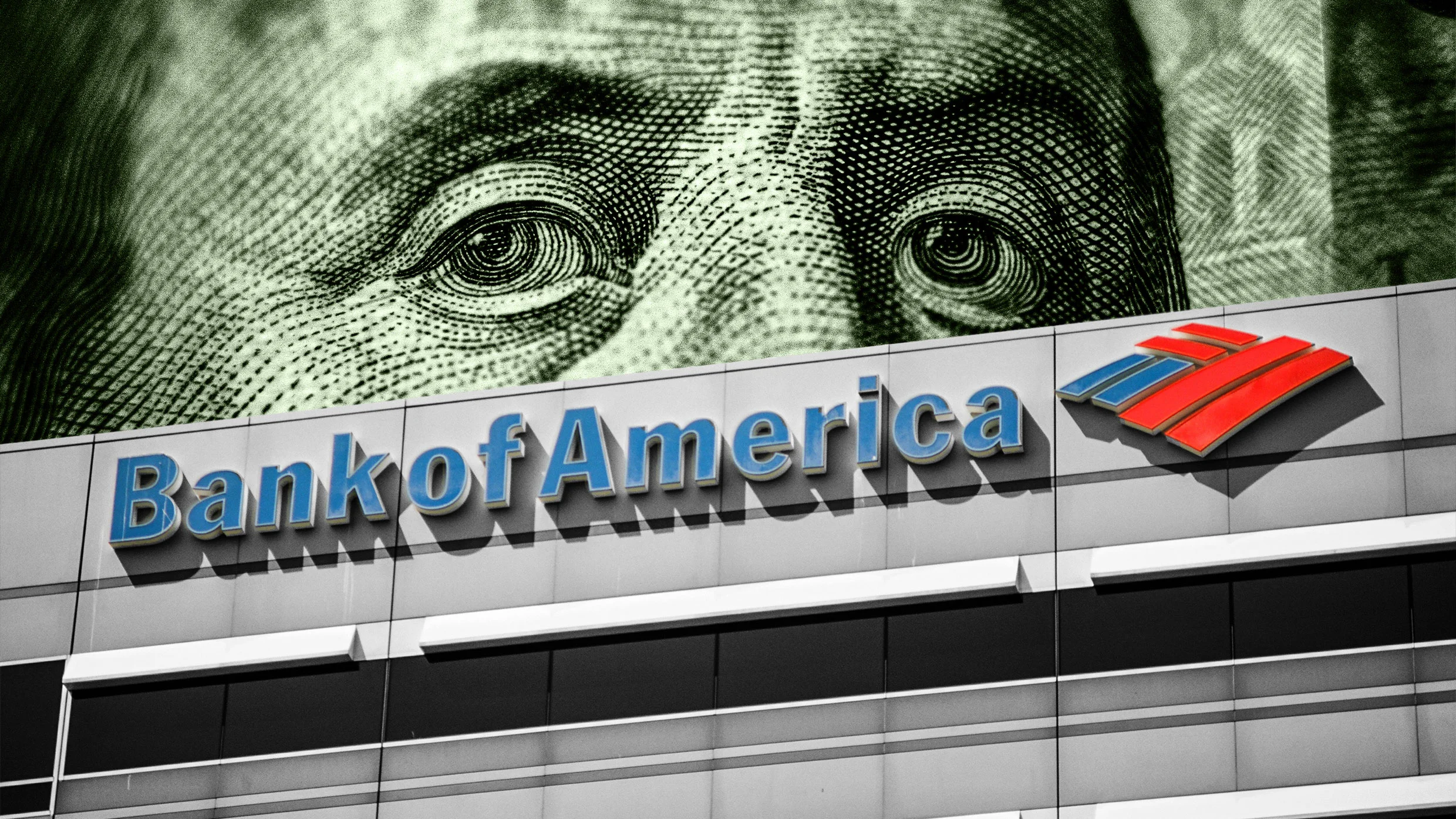
Bank of America, a colossal entity in the global financial landscape, has a history marked by both monumental successes and significant challenges. For investors, financial analysts, and everyday consumers, understanding the trajectory of such a banking giant is crucial. “What happened with Bank of America” is not a question with a singular, simple answer, but rather an invitation to explore a complex narrative of strategic acquisitions, regulatory battles, economic downturns, and transformative pivots. This exploration, firmly rooted in the “Money” category, will dissect the financial decisions, market forces, and operational shifts that have defined one of America’s oldest and largest financial institutions. From its foundational role in the nation’s economy to its navigation through modern crises and technological shifts, Bank of America’s story offers profound insights into business finance, investment dynamics, and the resilience required to thrive in a perpetually evolving industry.

Navigating the Storm: Bank of America and the 2008 Financial Crisis
The period leading up to and immediately following the 2008 financial crisis stands as perhaps the most turbulent and defining chapter in Bank of America’s modern history. The bank, like many of its peers, found itself at the epicenter of a collapsing housing market and an unprecedented credit crunch. However, specific strategic decisions made during this period profoundly amplified its exposure and subsequent challenges.
The Merrill Lynch Acquisition: A Risky Bet
In September 2008, amidst the deepening crisis and just hours before Lehman Brothers declared bankruptcy, Bank of America announced its acquisition of Merrill Lynch. This move, orchestrated under immense pressure and with a belief in creating a diversified financial powerhouse, was heralded by some as a bold defensive play. Merrill Lynch, a venerable Wall Street institution, brought with it a vast wealth management franchise and a strong investment banking arm. However, it also came with substantial exposure to toxic assets, particularly in the form of mortgage-backed securities and collateralized debt obligations, whose values were plummeting. The immediate aftermath revealed that Merrill Lynch was facing much larger losses than initially disclosed, leading to widespread investor concern and significant pressure on Bank of America’s balance sheet. This acquisition, intended to solidify its position, instead became a source of immense financial strain and public scrutiny, placing the bank in a precarious position requiring substantial government assistance. The integration proved complex and costly, consuming management’s attention and resources for years, directly impacting the bank’s earnings and stock performance.
Mortgage Meltdown and Legal Fallout
The core of the 2008 crisis stemmed from the implosion of the subprime mortgage market, and Bank of America, through its own legacy lending practices and especially through the Countrywide Financial acquisition in 2008 (another crisis-era deal), inherited a massive portfolio of troubled mortgages. Countrywide, once the nation’s largest mortgage lender, was deeply embroiled in originating and securitizing risky loans. Bank of America’s absorption of Countrywide meant inheriting its vast liabilities, including billions of dollars in put-back claims from investors who alleged that mortgages sold to them did not meet underwriting standards. The ensuing years were plagued by a barrage of lawsuits from institutional investors, government agencies, and homeowners. These legal challenges resulted in multi-billion-dollar settlements, including record fines imposed by the Department of Justice and other regulatory bodies. These payouts significantly drained capital, depressed earnings, and cast a long shadow over the bank’s financial health, demonstrating the profound long-term costs of past lending excesses and flawed acquisition strategies.
Government Intervention and TARP Repayment
As the financial crisis spiraled, Bank of America, like other systemically important financial institutions, received substantial capital injections from the U.S. government under the Troubled Asset Relief Program (TARP). The bank received $45 billion in TARP funds, a crucial lifeline that prevented a potential collapse and stabilized the broader financial system. While the assistance was critical for survival, it came with significant public and political pressure, including restrictions on executive compensation and dividend payments. Repaying the TARP funds became a major priority for the bank, not just to shed the government’s influence but also to restore its reputation and regain market confidence. Bank of America successfully repaid its TARP obligations in December 2009, a significant milestone that signaled its gradual return to health. This period underscored the interconnectedness of the financial system and the profound role of government intervention in mitigating systemic risk, while also highlighting the immense capital restructuring required for recovery.
Rebuilding Trust and Restructuring Operations Post-Crisis
Emerging from the depths of the financial crisis, Bank of America embarked on a protracted and arduous journey of rebuilding. This involved not just shoring up its balance sheet but fundamentally re-evaluating its business model, streamlining operations, and working diligently to restore investor and public trust.
Streamlining the Business Model
In the immediate aftermath of the crisis, Bank of America was widely seen as a sprawling, unwieldy giant, burdened by disparate acquired businesses and an overly complex structure. A key strategic imperative became the simplification and streamlining of its operations. This involved divesting non-core assets, reducing its physical branch footprint as consumer banking shifted online, and consolidating various business units. The goal was to reduce operational complexities, lower costs, and enhance efficiency. The bank focused on strengthening its core businesses: consumer banking, wealth management (Merrill Lynch), global banking, and global markets. This strategic re-alignment aimed to leverage its existing strengths, improve cross-selling opportunities, and create a more integrated and agile institution capable of responding swiftly to market demands and regulatory changes.
Capital Reinforcement and Stress Test Performance
A cornerstone of post-crisis recovery for all major banks was the emphasis on robust capital levels. Regulators, particularly through the Dodd-Frank Act and the Basel III framework, mandated significantly higher capital requirements to ensure banks could withstand future economic shocks. Bank of America diligently worked to increase its Common Equity Tier 1 (CET1) ratio through retained earnings, asset sales, and careful management of risk-weighted assets. A crucial annual exercise became the Federal Reserve’s stress tests, which simulate severe economic downturns to assess a bank’s resilience. For several years, Bank of America faced challenges in passing these tests with flying colors, particularly concerning its capital planning and risk management frameworks. However, through continuous improvement in its processes, risk models, and capital allocation strategies, the bank consistently demonstrated its ability to exceed regulatory minimums, eventually earning approvals for increased capital distributions to shareholders in the form of dividends and share buybacks. This achievement was a powerful signal of its enhanced financial stability and improved risk management capabilities.
Tackling Legacy Assets and Litigation Costs

Even after the worst of the crisis, the ghost of legacy assets and ongoing litigation continued to haunt Bank of America. The bank dedicated substantial resources to unwinding its troubled mortgage-related assets, either through sales, modifications, or allowing them to mature. This involved creating dedicated units to manage and resolve problem loans, a process that was slow and capital-intensive. Simultaneously, the long tail of legal liabilities stemming from pre-crisis activities, particularly those related to residential mortgage-backed securities (RMBS) and foreclosure practices, persisted for years. The bank had to set aside billions of dollars in litigation reserves, which directly impacted its profitability. Managing these legacy issues required not only financial discipline but also a comprehensive overhaul of compliance and risk governance to prevent future transgressions. Successfully navigating these challenges was instrumental in cleaning up its balance sheet and allowing the bank to pivot towards future growth.
Strategic Pivots in an Evolving Financial Landscape
With its balance sheet fortified and legacy issues largely addressed, Bank of America has strategically pivoted to meet the demands of a rapidly evolving financial landscape. This involves embracing technology, adapting to changing consumer behaviors, and integrating broader societal considerations into its business model.
The Rise of Digital Banking and Consumer Focus
Recognizing the irreversible shift towards digital channels, Bank of America has made substantial investments in its technology infrastructure and digital offerings. The focus has been on enhancing the customer experience through mobile banking apps, online platforms, and innovative digital tools. Features like Merrill Edge for self-directed investing, Zelle for peer-to-peer payments, and Erica, the AI-powered virtual assistant, are testament to this commitment. The bank has also strategically reduced its physical branch network, while simultaneously modernizing remaining branches to offer a more technologically integrated experience. This digital transformation is not merely about convenience; it’s a critical component of its cost-cutting strategy and its effort to attract and retain a younger, digitally native customer base, crucial for long-term growth in the competitive consumer banking sector.
Wealth Management and Global Banking Expansion
Post-crisis, Bank of America strategically doubled down on its Merrill Lynch wealth management arm, recognizing the stability and fee-based revenue it provides. The integration has matured, allowing for significant synergies between its consumer bank and wealth management capabilities, offering clients a comprehensive suite of financial services. Simultaneously, its Global Banking and Global Markets divisions have continued to expand, providing essential services like corporate lending, treasury management, capital raising, and trading solutions to large corporations and institutional investors worldwide. The bank aims to be a primary financial partner for its corporate clients, leveraging its extensive global network and diverse product offerings. This diversified revenue stream helps to mitigate risks associated with reliance on any single business segment, providing a more balanced and resilient financial profile.
ESG Initiatives and Sustainable Finance
In recent years, environmental, social, and governance (ESG) considerations have moved from the periphery to the core of corporate strategy, and Bank of America has been a leader in this area within the financial sector. The bank has committed significant capital to sustainable finance initiatives, including financing for renewable energy projects, green bonds, and social impact investments. It has set ambitious targets for its own operational sustainability, including reducing its carbon footprint. From an investment perspective, its focus on ESG appeals to a growing cohort of investors who prioritize socially responsible investing. Furthermore, integrating ESG factors into its lending and investment decisions is increasingly seen as a way to identify and mitigate long-term risks, enhance brand reputation, and align with evolving societal values. This commitment underscores a broader understanding that financial performance is increasingly intertwined with broader environmental and social stewardship.
Current Financial Standing and Future Outlook
Bank of America today presents a picture of a well-capitalized, diversified, and technologically advanced financial institution, a stark contrast to its post-crisis struggles. Its financial standing and future prospects are shaped by internal strategies and the broader macroeconomic environment.
Recent Earnings Performance and Market Position
In recent quarters, Bank of America has generally reported strong earnings, benefiting from rising interest rates (which expand net interest margins), robust loan growth, and a resilient consumer base. Its diversified revenue streams across consumer banking, wealth management, and global banking/markets provide a stable foundation. The bank holds a leading market position in several key areas, including consumer deposits, small business lending, and wealth management. Its stock performance has reflected this stability and strategic execution, though like all financial institutions, it remains sensitive to market volatility, interest rate fluctuations, and economic cycles. Analysts closely watch its net interest income, loan loss provisions, and non-interest income from fee-based services as key indicators of its ongoing health and profitability.
Challenges and Opportunities in the Macroeconomic Environment
Looking ahead, Bank of America faces a mix of challenges and opportunities. On the challenge side, a potential economic slowdown or recession could impact loan demand, increase loan defaults, and put pressure on asset quality. Inflationary pressures could impact operational costs, while intense competition from fintech companies and other large banks continues to drive innovation and potentially compress margins. Regulatory scrutiny, particularly concerning consumer protection and systemic risk, remains a constant. However, significant opportunities also exist. Continued technological advancement allows for further operational efficiencies and enhanced customer experiences. A strong economy, with healthy employment and consumer spending, would naturally benefit its core businesses. Its significant investment in sustainable finance positions it well for the growing green economy. Furthermore, its focus on personalized financial advice and integrated digital platforms can help deepen customer relationships and expand its market share.
Investment Considerations for Bank of America Stock
For investors considering Bank of America stock (BAC), a comprehensive evaluation is essential within the “Money” context. Key factors include its strong balance sheet and capital position, robust stress test performance, and diversified revenue streams. Its dividend yield and ongoing share repurchase programs can offer attractive returns to shareholders. However, investors must also weigh the inherent cyclicality of the banking industry, its sensitivity to interest rates and economic downturns, and ongoing regulatory risks. Analyzing its valuation metrics, such as price-to-earnings ratio and price-to-book ratio, relative to peers and historical averages, provides insight into its potential as an investment. Ultimately, Bank of America’s ability to continue adapting to technological shifts, manage credit risk effectively, and deliver consistent financial performance will determine its long-term investment appeal. The story of “what happened with Bank of America” is an ongoing narrative of adaptation, resilience, and strategic evolution in the dynamic world of finance.
aViewFromTheCave is a participant in the Amazon Services LLC Associates Program, an affiliate advertising program designed to provide a means for sites to earn advertising fees by advertising and linking to Amazon.com. Amazon, the Amazon logo, AmazonSupply, and the AmazonSupply logo are trademarks of Amazon.com, Inc. or its affiliates. As an Amazon Associate we earn affiliate commissions from qualifying purchases.