
For millions worldwide, the seemingly innocuous question, “What is the pollen count in my area today?” is far more than a casual inquiry; it’s a critical daily check that dictates everything from outdoor activities to medication schedules. Historically, answering this question involved relying on broad, often inaccurate, regional forecasts delivered through traditional media. Today, however, we live in an era where technology has revolutionized our ability to access, understand, and even predict environmental data with unprecedented precision. From sophisticated mobile applications to AI-powered predictive models and smart home sensors, the tech landscape offers a powerful arsenal against the invisible adversary of pollen. This article delves into how cutting-edge technology is transforming allergy management, offering hyper-local, real-time insights that empower individuals to breathe easier and navigate their daily lives with greater confidence.

The Digital Revolution in Allergy Management
The journey from rudimentary pollen warnings to hyper-personalized allergy forecasts is a testament to rapid technological advancement. What was once a general, often delayed, announcement about “high pollen” for an entire state has evolved into a real-time, street-level data stream accessible at our fingertips. This shift represents a fundamental change in how we perceive and interact with environmental health information, moving from passive reception to active, informed decision-making.
Evolution from Traditional Forecasts to Hyper-Local Data
Decades ago, pollen counts were typically generated by a limited number of manual collection stations, often situated in specific urban areas. These stations used specialized devices like Rotorod samplers, which collected airborne pollen over a 24-hour period, after which the samples were analyzed manually under a microscope. This process was labor-intensive, time-consuming, and inherently lagged the actual environmental conditions. The resulting forecasts were broad — often covering large geographical regions — and could be several days old by the time they reached the public. This meant that a forecast for “high pollen” might apply to a vast area, even if a specific neighborhood or microclimate within that area had significantly different conditions.
The digital revolution has dramatically altered this landscape. The proliferation of digital weather services, coupled with advances in atmospheric modeling, laid the groundwork for more granular data. However, the true leap came with the integration of localized sensor networks and crowdsourced data. Modern systems now combine data from a diverse array of sources: automated pollen traps that use optical or spectroscopic analysis for real-time identification, a denser network of traditional manual stations, satellite imagery to track vegetation bloom, and even citizen science initiatives where individuals report symptoms or local conditions. This multi-modal data fusion, processed by powerful computing systems, allows for the generation of hyper-local forecasts. Instead of a county-wide “moderate” rating, users can now see estimates specific to their ZIP code, often distinguishing between pollen types (tree, grass, weed) and even offering hourly predictions. This level of detail empowers individuals to make highly informed decisions, like knowing whether to postpone a morning jog due to a sudden spike in grass pollen, or if the evening might bring relief.
The Role of AI and Machine Learning in Predictive Analytics
Beyond simply collecting and displaying data, artificial intelligence (AI) and machine learning (ML) are the true game-changers in modern pollen forecasting. These technologies have moved pollen prediction from an observational science to a predictive one, significantly enhancing accuracy and foresight. AI algorithms are designed to sift through colossal datasets, identify intricate patterns, and make educated predictions that human analysis alone could never achieve.
At the core of AI-driven pollen forecasting is the ability to integrate and interpret a vast array of contributing factors. ML models are trained on historical pollen data, correlating it with meteorological conditions (temperature, humidity, wind speed and direction, precipitation), geographical features, satellite-derived vegetation indices, and even urban heat island effects. For example, an AI model can learn that a specific combination of rising temperatures, low humidity, and a particular wind direction consistently precedes a spike in oak pollen in a given urban park. It can also identify lag times – how many days after a certain weather event will pollen levels peak.
Furthermore, AI can adapt and learn from new data, continuously refining its predictive capabilities. As more real-time sensor data comes in, the models update and improve their accuracy. Some advanced systems even incorporate population-level anonymized health data, such as aggregated symptom reports from allergy apps, to validate and fine-tune their forecasts. This means the predictions are not static but dynamically evolving, offering users the most current and likely scenario. The result is a proactive approach to allergy management, where individuals receive alerts before pollen levels become problematic, allowing them to take preventative measures, plan activities, and manage their health more effectively than ever before. This sophisticated application of AI transforms raw environmental data into actionable insights, making the invisible threat of pollen significantly more manageable.
Essential Tech Tools for Tracking Pollen Counts
The promise of hyper-local, AI-driven pollen forecasts is primarily delivered through a diverse ecosystem of technological tools. These range from the ubiquitous mobile apps we carry in our pockets to sophisticated smart home gadgets and the emerging field of integrated health platforms. Each offers a unique angle on how individuals can monitor and respond to pollen counts, putting control directly into the hands of allergy sufferers.
Mobile Apps: Your Personal Pollen Tracker
Mobile applications have undeniably become the most accessible and popular tools for tracking pollen counts. Virtually every major weather app, such as AccuWeather, The Weather Channel, and Weather Underground, now includes robust allergy forecast features. Beyond general weather, these apps typically offer daily pollen counts, often broken down by specific pollen types (trees, grasses, weeds), and provide forecasts for several days ahead. Many include interactive maps showing pollen levels in different areas, allowing users to plan travel or outdoor activities.
Specialized allergy apps, like those from AllergyPlus, Pollen.com, or Zyrtec’s AllergyCast, go a step further. They often allow users to log their symptoms, medication use, and even their general feeling of well-being. By correlating this personal data with local pollen counts, these apps can help individuals identify specific triggers, understand their personal sensitivity thresholds, and optimize their treatment plans. Many offer personalized alerts, notifying users when pollen levels are expected to rise in their immediate vicinity, or when specific pollen types they are sensitive to become prevalent. Some advanced apps also integrate air quality data, providing a more holistic view of environmental irritants. The user interface is typically designed for clarity and ease of use, making complex data digestible at a glance, allowing users to quickly assess their risk and take appropriate action.
Smart Home Devices and Environmental Sensors
The rise of the smart home has extended allergy monitoring beyond the smartphone to our living spaces. Smart home devices, particularly those focused on air quality, play an increasingly important role in providing granular environmental data. Air quality monitors, like those offered by Awair, Molekule (some models), or more industrial-grade sensors, can detect particulate matter (PM2.5, PM10) and volatile organic compounds (VOCs) that often correlate with or exacerbate allergy symptoms. While these devices don’t always directly measure pollen counts (as pollen is a specific type of particulate), they can indicate periods of poor air quality that might include high pollen loads.
More advanced environmental sensors are emerging that are specifically designed to detect and identify airborne allergens. These devices often use optical scattering or spectral analysis to differentiate between various types of particulate matter, including common pollen grains. When integrated into a smart home ecosystem, these sensors can provide real-time indoor and localized outdoor readings. For instance, a smart air purifier linked to an environmental sensor could automatically increase its filtration intensity when high pollen levels are detected either inside or outside the home. Similarly, smart window and door sensors could integrate with pollen data to advise users to keep windows closed during peak pollen hours. These gadgets move beyond passive monitoring to active, automated environmental management, creating a healthier living space.
Wearable Tech and Integrated Health Platforms
While wearable technology hasn’t yet reached a point where it can directly measure pollen exposure from your wrist, its role in allergy management is growing through integration with broader health platforms. Smartwatches and fitness trackers constantly collect biometric data such as heart rate variability, sleep patterns, and activity levels. When cross-referenced with reported pollen counts and a user’s logged allergy symptoms, these data points can offer valuable insights. For example, a persistent disruption in sleep or an unexplained change in heart rate variability could be correlated with an increase in local pollen, helping users identify subtle physiological responses to allergens even before overt symptoms manifest.
The true power of wearables in this context comes from their ability to feed data into integrated health platforms. These platforms (often cloud-based and accessible via apps) can aggregate data from mobile apps (pollen forecasts, symptom logs), smart home devices (air quality), and wearables (biometrics). Through sophisticated algorithms, these platforms can start to identify personal triggers with greater precision, offering highly personalized advice. For instance, a platform might learn that a specific individual experiences a particular type of headache when oak pollen reaches a certain threshold, especially after a moderate-intensity outdoor workout. This comprehensive data integration moves beyond simply reporting a number; it provides a holistic picture of an individual’s interaction with their environment, enabling a highly personalized and proactive approach to managing allergic responses.
Leveraging Data for Proactive Allergy Management
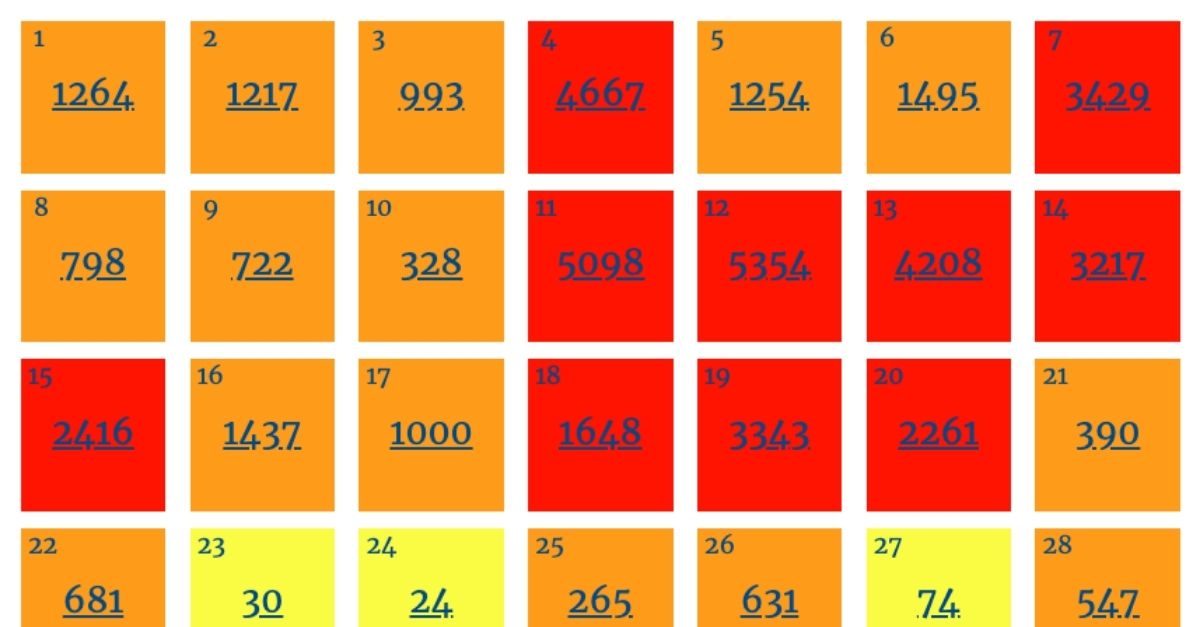
The sheer volume of data generated by modern pollen tracking technologies is only truly valuable when it translates into actionable insights. The goal isn’t just to know the pollen count, but to understand what that number means for you and how you can use that information to proactively manage your health. This is where advanced features within apps and integrated platforms truly shine, empowering users to move from reactive symptom treatment to preventative strategies.
Personalized Alerts and Actionable Insights
One of the most immediate benefits of digital pollen tracking is the ability to receive personalized alerts. Gone are the days of checking a website every morning; modern apps can push notifications directly to your phone when pollen levels are expected to rise significantly in your area, or when specific allergens you’ve identified as triggers are prevalent. These alerts aren’t just informative; they’re actionable. For example, an alert might recommend: “High tree pollen expected between 10 AM and 3 PM today. Consider taking your antihistamine now and planning indoor activities.” Or, “Grass pollen is peaking. If you’re sensitive, keep windows closed and avoid mowing the lawn.”
These insights go beyond generic advice. Many apps allow users to input their own symptom severity, the types of medication they take, and their response to different pollen types. Over time, the app learns your personal sensitivity thresholds. It can then offer highly tailored recommendations, such as suggesting a specific allergy medication regimen based on your historical symptom data and predicted pollen levels. This level of personalization empowers individuals to take preventative measures before symptoms become severe, optimizing their medication timing, planning their outdoor exposure, and ultimately improving their quality of life during allergy season.
Data Visualization and Trend Analysis
Beyond real-time alerts, modern tech tools offer powerful data visualization capabilities that help users understand long-term trends and identify personal patterns. Instead of just seeing today’s pollen count, users can view historical data for their area, often presented in clear, intuitive graphs. These visualizations can show how pollen levels fluctuate daily, weekly, and seasonally. For instance, a user might notice that their symptoms are consistently worse on breezy days with high grass pollen, or that they experience a flare-up every year precisely when elm pollen begins its seasonal cycle.
By analyzing these trends, individuals can gain a deeper understanding of their unique allergic profile. They can identify the specific times of year when they are most vulnerable, the types of pollen that affect them most severely, and even the weather conditions that exacerbate their symptoms. This information is invaluable for long-term allergy management. It allows users to:
-
Proactively plan: Schedule outdoor events during low pollen periods or even plan vacations to regions with different flora during their peak allergy season.
-
Communicate with healthcare providers: Provide concrete data to their allergist, showing symptom correlation with specific pollen types and environmental factors, leading to more targeted treatment plans.
-
Optimize home environment: Make informed decisions about air filtration, landscaping choices, and cleaning routines based on historical pollen patterns.
This data-driven approach transforms allergy management from a guessing game into a strategic, informed process.
Beyond Pollen: Integrating Other Environmental Factors
While pollen is a major allergen, it’s rarely the only environmental factor influencing respiratory health. Advanced digital platforms recognize this and are increasingly integrating a broader spectrum of environmental data to provide a holistic view. These platforms combine pollen counts with information on:
-
Air Quality: Including levels of particulate matter (PM2.5, PM10) from pollution, ozone, nitrogen dioxide, and sulfur dioxide. Poor air quality can significantly exacerbate allergy symptoms, regardless of pollen levels.
-
Mold Spores: Another common allergen, mold spore counts can fluctuate independently of pollen and are often tied to humidity and damp conditions.
-
UV Index: While not an allergen, UV index data is often included in comprehensive environmental forecasts, aiding in overall outdoor planning.
-
Weather Conditions: Detailed forecasts for temperature, humidity, wind, and precipitation are crucial, as these factors directly influence pollen dispersal and the intensity of allergic reactions.
By integrating these diverse data points, users receive a more complete picture of their immediate environment. For example, an app might alert a user to moderate tree pollen but also note high levels of PM2.5 due to local traffic pollution, advising extra caution. This comprehensive environmental awareness allows individuals to make more nuanced decisions about their daily activities, medication, and overall exposure to irritants, moving beyond just pollen to a more integrated approach to respiratory health and well-being.
The Future of Pollen Tracking Technology
The technological advancements in pollen tracking have already transformed allergy management, but the horizon promises even more sophisticated solutions. As AI continues to evolve, sensor technology becomes more ubiquitous, and personal health data integration becomes seamless, we can expect a future where managing allergies is not just easier, but profoundly personalized and predictive.
Hyper-Personalized Forecasts and Predictive Healthcare
The current generation of pollen apps offers personalized alerts based on user-inputted sensitivities and local data. The future, however, envisions hyper-personalization on an entirely new level. Imagine a system that combines your genetic predisposition to certain allergies (derived from a DNA test), your anonymized electronic health records (e.g., history of asthma, eczema, or specific allergic reactions), and real-time environmental data down to the microclimate of your street. AI algorithms could then analyze this vast dataset to predict not just when pollen levels will be high, but how you, specifically, will likely react.
This could lead to predictive healthcare interventions. Instead of waiting for symptoms, a user might receive an alert stating, “Based on your genetic profile and current ragweed pollen levels, you are at a 70% risk of developing moderate congestion within the next 4 hours. Consider taking your prescribed nasal spray now.” This proactive approach moves beyond general recommendations to highly individualized health management, potentially preventing symptom onset or significantly reducing their severity. It represents a paradigm shift from treating allergies reactively to preemptively mitigating their impact.
Advanced Sensor Networks and IoT Integration
The current network of pollen sensors, while greatly improved, still has spatial gaps. The future will see the deployment of incredibly dense networks of micro-sensors, integrated into the Internet of Things (IoT) infrastructure. These tiny, low-cost sensors could be embedded in streetlights, public transportation, smart buildings, and even personal devices, continuously sampling the air and identifying pollen types and concentrations in real-time. This creates a living, dynamic map of airborne allergens with unprecedented spatial and temporal resolution.
Furthermore, IoT integration will allow for seamless communication between these sensors and smart devices in our homes and workplaces. Your smart home system could automatically adjust air purifiers, seal windows, or even modify HVAC settings based on real-time pollen levels detected directly outside your building. Smart city initiatives could leverage this data to inform urban planning, potentially adjusting park maintenance schedules or recommending alternate routes for pedestrians during peak pollen events in specific areas. This ubiquitous sensing and intelligent response will create environments that actively adapt to protect individuals from allergens.
AI-Driven Symptom Management and Telehealth Integration
Beyond just forecasting, AI will play a central role in advanced symptom management. Imagine an AI companion that learns your unique allergy patterns, medication effectiveness, and lifestyle factors. It could provide ongoing guidance, suggesting adjustments to medication dosages based on real-time symptoms and forecast changes, recommending specific non-pharmacological interventions (e.g., dietary changes, exercise modifications), and even predicting when a flare-up might require a doctor’s visit.
This leads naturally to seamless telehealth integration. If an AI system detects a persistent worsening of symptoms despite recommended interventions, it could automatically flag the situation and facilitate a direct, virtual consultation with your allergist or general practitioner. Data from your allergy app, wearables, and smart home sensors could be instantly shared (with your consent), providing the doctor with a comprehensive overview of your environmental exposure and symptom history. This integration would streamline communication, reduce the need for in-person visits for routine checks, and ensure that individuals receive timely and informed medical attention when needed, making allergy care more efficient, accessible, and highly personalized.

Conclusion
The question “what is the pollen count in my area today?” has evolved from a simple curiosity into a sophisticated interaction with a complex digital ecosystem. Technology has transformed allergy management from a reactive struggle to a proactive, informed, and increasingly personalized process. From the granular data provided by mobile apps and the predictive power of AI to the environmental control offered by smart home devices and the holistic insights from integrated health platforms, the digital revolution has armed allergy sufferers with tools that were unimaginable just a few decades ago. As we look to the future, the convergence of hyper-personalization, ubiquitous sensing, and intelligent automation promises an even more refined and integrated approach, ultimately enabling millions to navigate their world with greater comfort and confidence, no longer solely at the mercy of the invisible cloud of pollen.
aViewFromTheCave is a participant in the Amazon Services LLC Associates Program, an affiliate advertising program designed to provide a means for sites to earn advertising fees by advertising and linking to Amazon.com. Amazon, the Amazon logo, AmazonSupply, and the AmazonSupply logo are trademarks of Amazon.com, Inc. or its affiliates. As an Amazon Associate we earn affiliate commissions from qualifying purchases.