
In an increasingly data-driven world, the sheer volume of information generated daily can be overwhelming. From intricate user interactions on a website to the colossal streams of sensor data from IoT devices, raw data exists in myriad forms and at staggering scales. However, raw data, in its pristine, granular state, often lacks immediate utility for high-level decision-making or pattern recognition. This is where aggregated data steps in, acting as a crucial bridge between raw information and actionable insight.
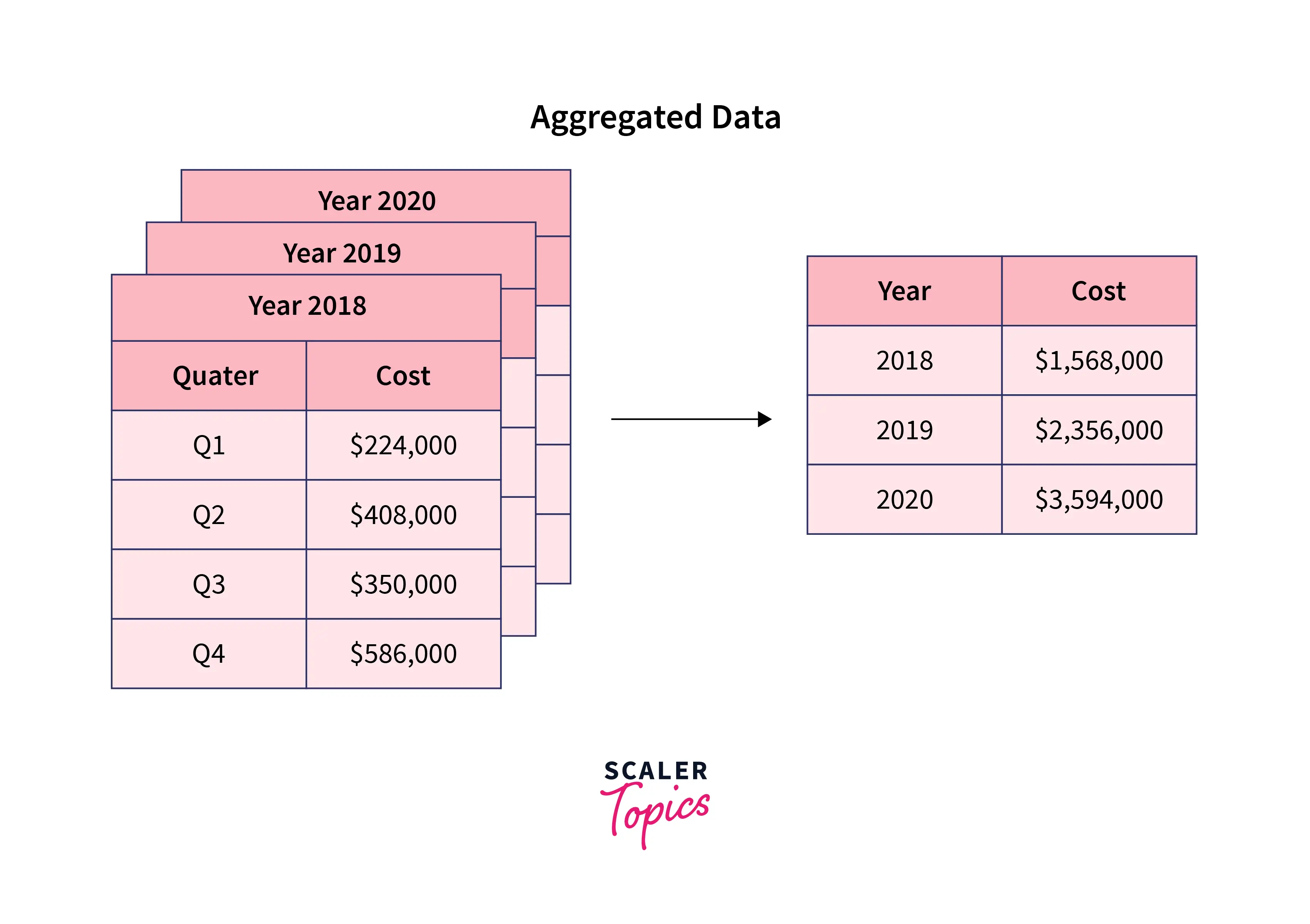
At its core, aggregated data refers to information that has been collected from multiple individual sources and then compiled, summarized, or processed into a collective form. Instead of examining each discrete data point, aggregation transforms these individual entries into a consolidated, higher-level view, revealing trends, averages, totals, and other statistical summaries that would be invisible in the original granular data. It’s the process of turning a sprawling forest of individual trees into a clear, navigable map of the entire woodland, highlighting its key features and overall health. This transformation is fundamental to nearly every facet of modern technology, from AI and machine learning to software optimization and digital security.
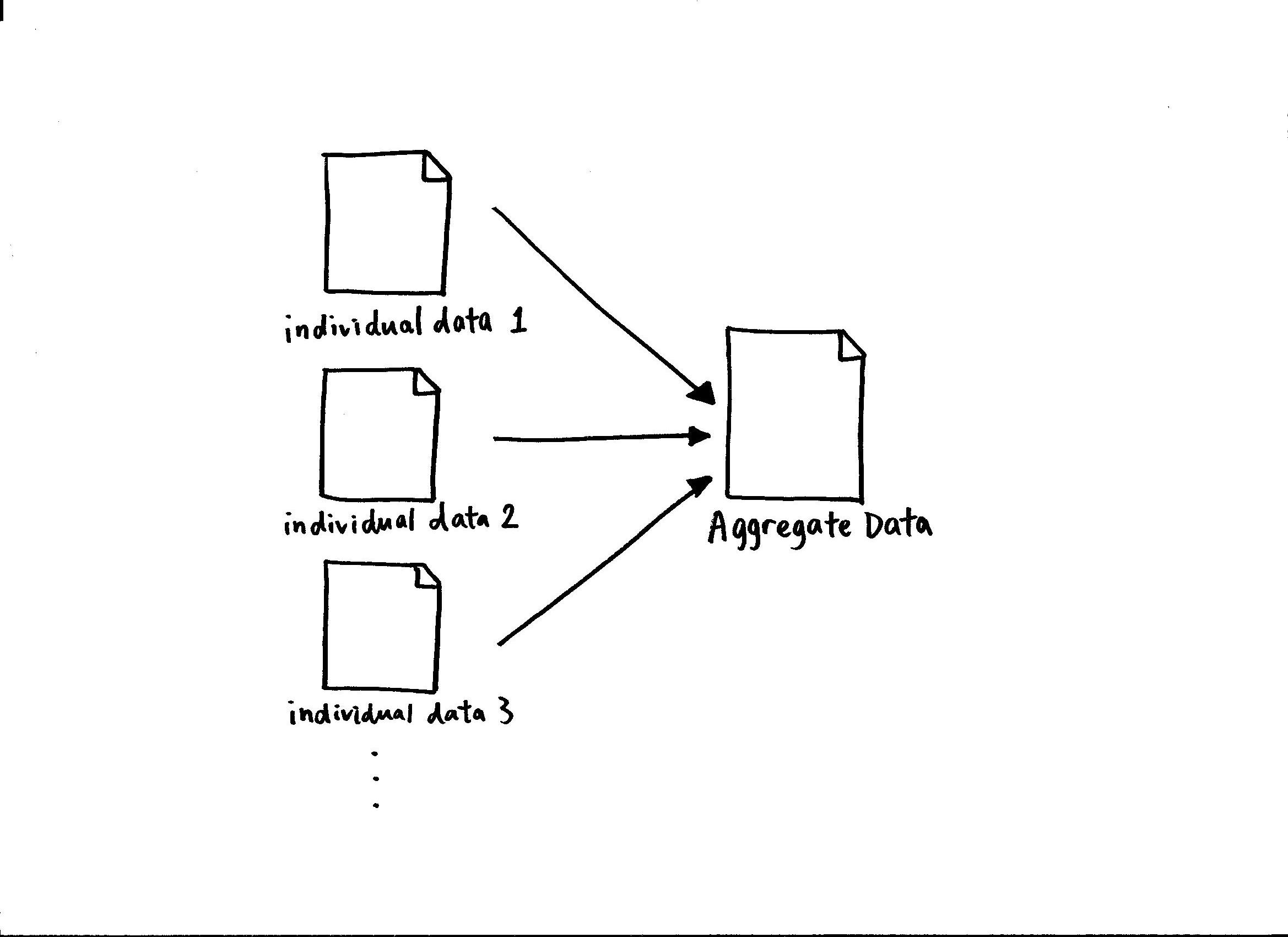
The Mechanics of Data Aggregation
Understanding aggregated data requires a look at how raw information is collected and subsequently processed. It’s a journey from disparate, unorganized entries to structured, meaningful summaries.
Sources of Raw Data
The digital ecosystem is a veritable goldmine of raw data, continuously generating information across countless touchpoints. These sources are the starting point for any aggregation process:
-
Databases and Data Warehouses: Traditional relational databases (SQL) and increasingly non-relational (NoSQL) databases store structured data from various applications, transactions, and user profiles. Data warehouses consolidate data from multiple operational systems for reporting and analysis.
-
APIs (Application Programming Interfaces): APIs enable different software systems to communicate and exchange data. This can include pulling public data, integrating third-party services, or collecting data from microservices within a larger application architecture.
-
IoT Devices and Sensors: Smart devices, industrial sensors, wearables, and autonomous vehicles generate continuous streams of data about environmental conditions, performance metrics, location, and user activity.
-
Web Logs and User Interactions: Every click, scroll, page visit, and form submission on websites and applications generates log data. This provides a rich understanding of user behavior and application performance.
-
Social Media Feeds: Publicly available data from social platforms, while requiring careful ethical consideration, can be aggregated to gauge public sentiment, trending topics, and market reactions.
-
Financial Transactions: Records of sales, purchases, payments, and stock trades form a massive dataset that is frequently aggregated for financial analysis and fraud detection.
Key Aggregation Techniques
Once raw data is collected, various techniques are employed to consolidate it. These methods move beyond simple collection, performing statistical or logical operations to create meaningful summaries:
-
Summation (SUM): Calculating the total of a specific numeric field across a group of records (e.g., total sales revenue per month).
-
Averaging (AVG): Determining the mean value of a numeric field (e.g., average time spent on a page, average transaction value).
-
Counting (COUNT): Tallying the number of records or unique instances within a group (e.g., number of unique visitors to a website, number of errors logged).
-
Minimum (MIN) and Maximum (MAX): Identifying the lowest and highest values in a dataset (e.g., minimum latency recorded, maximum CPU usage).
-
Grouping (GROUP BY): A fundamental technique in database queries, where data is organized into groups based on one or more common attributes (e.g., grouping sales data by product category, grouping user activity by geographical region). This often precedes other aggregation functions.
-
Categorization: Assigning data points to predefined categories to simplify analysis and identify trends within those categories.
-
Percentiles/Medians: Providing insights into data distribution beyond simple averages, particularly useful for understanding performance metrics where outliers can skew means.
The Transformation Process
The journey from raw data to aggregated insight is rarely instantaneous or simple. It typically involves a structured process, often referred to as an ETL (Extract, Transform, Load) pipeline in data warehousing, or more broadly, data preparation.
-
Extraction: Data is pulled from its various source systems. This step requires robust connectors and an understanding of the source data’s structure and access protocols.
-
Cleaning and Validation: Raw data is notoriously messy. This crucial step involves identifying and correcting errors, handling missing values, standardizing formats, removing duplicates, and resolving inconsistencies. “Garbage in, garbage out” is a fundamental truth in data aggregation.
-
Transformation: This is where the actual aggregation logic is applied. Data is grouped, summarized, calculated, and often enriched with additional context. For instance, individual website clicks might be aggregated into “sessions,” or individual sensor readings into “hourly averages.”
-
Loading: The aggregated data is then stored in a target system – perhaps a data warehouse, a specialized analytics database, or a data lake – ready for analysis, reporting, or feeding into other applications.
Why Aggregated Data is Indispensable in Tech
Aggregated data is not merely a convenience; it is a fundamental requirement for operating, optimizing, and innovating within the modern technology landscape. Its benefits permeate various domains, enabling intelligence and efficiency.
Enhancing Data Analysis and Reporting
One of the most direct benefits of data aggregation is its ability to simplify complex data for analytical purposes.
-
Faster Queries and Reduced Data Volume: Running queries against petabytes of raw data is computationally expensive and slow. Aggregated data significantly reduces the volume, allowing for much faster retrieval and processing, which is critical for real-time dashboards and interactive reports.
-
Trend Identification and Pattern Recognition: By summarizing data, analysts can easily spot long-term trends, seasonal patterns, and significant shifts that would be obscured by individual data points. For example, aggregating user sign-ups by week can reveal growth trends or the impact of marketing campaigns.
-
Business Intelligence (BI) and Dashboards: BI tools rely heavily on aggregated data to create intuitive dashboards that provide a high-level overview of key performance indicators (KPIs) for various aspects of a business or system. This enables executives and teams to make informed decisions quickly.
Powering AI and Machine Learning Models
Artificial intelligence and machine learning algorithms thrive on data, but often not raw, noisy data. Aggregated data is crucial for their development and effectiveness.
-
Feature Engineering: Aggregation is a powerful technique for creating new, more informative features from raw data. For instance, instead of feeding a model individual user clicks, one might aggregate them into features like “average session duration,” “number of unique pages visited,” or “frequency of specific actions,” which are far more predictive.
-
Training Data Preparation: ML models often require structured, clean, and representative datasets for training. Aggregating raw data helps in cleaning, normalizing, and structuring this data, reducing noise and highlighting relevant patterns that the model can learn from.
-
Recommendation Systems: By aggregating user preferences, past purchases, or viewing habits, recommendation engines can suggest relevant products, content, or services, a core function of e-commerce and streaming platforms.
-
Anomaly Detection: In cybersecurity or system monitoring, aggregating network traffic or server logs can establish a baseline of “normal” behavior. Deviations from this aggregated norm can then trigger alerts for potential anomalies or threats.
Optimizing Software and Applications
Aggregated data provides the insights necessary to build better, more efficient software and applications.
-
Performance Monitoring: Aggregating metrics like CPU usage, memory consumption, request latency, and error rates allows developers and operations teams to monitor the health and performance of systems, identify bottlenecks, and diagnose issues.
-
User Experience (UX) Improvements: By aggregating user behavior data (e.g., click-through rates, time on page, conversion funnels), product teams can understand how users interact with their applications, identify pain points, and iterate on designs to improve usability and engagement. A/B testing insights are almost entirely derived from aggregated metrics.
-
Resource Allocation: Aggregated data on resource usage (e.g., server load over time) can inform intelligent auto-scaling decisions in cloud environments, ensuring applications have sufficient resources while minimizing costs.
-
Error Reporting and Diagnostics: Aggregating error logs by type, frequency, and source helps developers prioritize bug fixes and understand the overall stability of their software.
Strengthening Digital Security
In the realm of digital security, aggregated data is a powerful weapon against threats and vulnerabilities.
-
Threat Intelligence: Aggregating security logs from various systems (firewalls, intrusion detection systems, endpoints) allows security analysts to identify attack patterns, correlate events, and detect sophisticated multi-stage attacks that individual logs might miss.
-
Fraud Detection: In financial tech and e-commerce, aggregating transaction data by user, location, or payment method helps identify unusual patterns indicative of fraudulent activity.
-
Compliance Reporting: Many regulatory frameworks (e.g., GDPR, HIPAA) require detailed audit trails and reporting. Aggregated security data helps organizations demonstrate compliance and quickly identify potential breaches.
-
Behavioral Analytics for Security: Establishing a baseline of normal user or system behavior through aggregation enables the detection of anomalous activities that might signal unauthorized access or insider threats.
Challenges and Best Practices in Data Aggregation
While incredibly powerful, the process of data aggregation comes with its own set of challenges. Adhering to best practices is essential to harness its full potential responsibly.
Data Privacy and Anonymization
One of the most significant concerns when aggregating data, especially user-centric data, is privacy. Aggregating data, while reducing individuality, can sometimes still reveal sensitive information, particularly if the aggregation groups are small or if external data can be linked.
-
Anonymization Techniques: Implementing techniques like k-anonymity (ensuring each record is indistinguishable from at least k-1 other records), differential privacy (adding noise to query results), and pseudonymization (replacing identifiable data with artificial identifiers) is crucial.
-
Compliance with Regulations: Adhering to data protection regulations like GDPR, CCPA, and others is paramount. This often means obtaining explicit consent, providing data subjects with rights over their data, and minimizing the collection of personally identifiable information (PII).
-
Balancing Utility and Privacy: Striking the right balance between deriving useful insights and protecting individual privacy is an ongoing challenge. Aggregation strategies must be designed with privacy-by-design principles.
Data Quality and Integrity
The adage “garbage in, garbage out” holds true for aggregated data. The quality of aggregated insights is directly dependent on the quality of the raw data.
-
Robust Data Cleaning Pipelines: Investing in automated and manual data cleaning processes is critical to ensure accuracy. This includes handling missing values, correcting inconsistencies, standardizing formats, and removing duplicates before aggregation.
-
Data Validation: Implementing validation rules at the point of data entry or ingestion helps prevent bad data from entering the system in the first place.
-
Source Reliability: Understanding the provenance and reliability of data sources is essential. Data aggregated from unreliable or biased sources will lead to flawed conclusions.
Scalability and Performance
Dealing with ever-growing volumes of data presents significant technical challenges for aggregation systems.
-
Big Data Technologies: For massive datasets, traditional databases may not suffice. Modern big data technologies like Apache Hadoop, Spark, Kafka, and cloud-based data warehouses (e.g., Snowflake, BigQuery, Redshift) are designed to handle distributed storage and parallel processing required for large-scale aggregation.
-
Real-time vs. Batch Processing: Deciding between real-time (stream) aggregation and batch aggregation depends on the application’s latency requirements. Real-time systems (using tools like Apache Flink or Kafka Streams) are necessary for immediate insights, while batch processing (using tools like Spark or Hadoop MapReduce) is suitable for periodic, less time-sensitive analysis.
-
Optimized Querying: Database indexing, partitioning, and efficient query optimization are vital to ensure that aggregations are performed and retrieved quickly.
Ethical Considerations
Beyond privacy, broader ethical considerations surround data aggregation.
-
Bias in Data: If the raw data itself is biased (e.g., collected from a non-representative sample), aggregated results will amplify that bias, leading to unfair or inaccurate conclusions, especially in AI systems.
-
Potential for Misinterpretation: Aggregated data, while simplifying, can sometimes mask critical nuances present in the granular data. Analysts must be careful not to oversimplify or misinterpret trends, always considering the underlying data and potential confounding factors.
-
Representativeness: Ensuring that the aggregated data truly represents the population or system it aims to describe is crucial to avoid drawing incorrect inferences.
The Future Landscape of Data Aggregation
The field of data aggregation is constantly evolving, driven by new technologies and increasing demands for deeper, faster insights.
Real-time and Stream Processing
The demand for immediate insights is pushing aggregation towards real-time processing. Instead of periodically aggregating historical data, systems are increasingly designed to process and aggregate data as it arrives in continuous streams. Event-driven architectures, utilizing platforms like Apache Kafka for messaging and Apache Flink or Spark Streaming for processing, enable businesses to react instantaneously to changes, optimize operations on the fly, and deliver dynamic user experiences.
Edge Computing and Decentralized Aggregation
With the proliferation of IoT devices and the increasing concern for data privacy, edge computing is gaining prominence. Aggregation is moving closer to the data source, at the “edge” of the network, rather than sending all raw data to a central cloud for processing. This reduces latency, conserves bandwidth, and enhances privacy by aggregating sensitive data locally before transmitting only the summarized, non-identifiable insights. Blockchain technologies could also play a role in securing and validating decentralized aggregated data.
Automated and AI-driven Aggregation
Artificial intelligence and machine learning are beginning to automate and optimize the aggregation process itself. Smart data pipelines can dynamically identify relevant data points for aggregation, suggest optimal grouping strategies, and even automatically clean and transform data with minimal human intervention. Natural Language Processing (NLP) is also advancing, allowing for the aggregation of insights from unstructured text data, such as customer reviews or social media comments, a task traditionally very challenging.

Conclusion
Aggregated data is a foundational concept and an indispensable tool in the modern technological landscape. It is the alchemy that transforms the overwhelming deluge of raw information into refined, actionable intelligence. From powering the complex algorithms of artificial intelligence and machine learning to optimizing the performance of software applications and bolstering digital security, aggregated data serves as the bedrock upon which informed decisions and innovative solutions are built.
However, its immense power comes with significant responsibilities. Addressing challenges related to data privacy, ensuring data quality, mastering scalability, and navigating ethical considerations are not merely technical footnotes but central tenets for responsible data practices. As technology continues its relentless march forward, the methodologies and tools for data aggregation will undoubtedly evolve, but its fundamental role—that of making sense of the digital world by consolidating its vastness into clarity—will remain paramount. For any organization or individual operating within the tech ecosystem, a deep understanding of aggregated data is not just beneficial, but absolutely critical for navigating and thriving in the information age.
aViewFromTheCave is a participant in the Amazon Services LLC Associates Program, an affiliate advertising program designed to provide a means for sites to earn advertising fees by advertising and linking to Amazon.com. Amazon, the Amazon logo, AmazonSupply, and the AmazonSupply logo are trademarks of Amazon.com, Inc. or its affiliates. As an Amazon Associate we earn affiliate commissions from qualifying purchases.