
The concept of “suburban” has evolved dramatically over decades, moving beyond a mere geographical descriptor to encompass a distinct socio-economic landscape. When we ask “what is the meaning of suburban” through the lens of money, we delve into a complex interplay of personal finance, real estate investment, local economies, and unique financial planning challenges and opportunities. Suburban money isn’t just about the wealth held by those living in these areas; it’s about the financial mechanics that define, sustain, and transform these communities, offering both stability and dynamic growth. It represents a significant segment of the national economy, characterized by specific spending patterns, investment priorities, and a distinct approach to financial well-being that often contrasts with its urban and rural counterparts. Understanding suburban money is crucial for anyone looking to navigate the financial implications of residential choices, investment strategies, and lifestyle planning in these influential zones.
The Economics of Suburban Living: Real Estate and Lifestyle Costs
At the heart of suburban money lies the economics of its distinctive lifestyle. The allure of more space, better schools, and a perceived higher quality of life often drives the migration to suburban areas, but these benefits come with a unique financial calculus. The cost of living in the suburbs is a nuanced equation, differing significantly from both dense urban centers and sparsely populated rural regions. It’s a balance of housing affordability, transportation expenses, property taxes, and the discretionary income needed to support a family-oriented lifestyle.
Real Estate Investment and Appreciation Dynamics
For many, the primary financial engagement with the suburbs begins with real estate. Suburban homes are often seen as a cornerstone of personal wealth, representing a substantial investment and a long-term asset. Unlike the often volatile, high-density markets of major cities, suburban real estate tends to offer a blend of steady appreciation and a tangible sense of ownership. The meaning of suburban in a financial context is inherently tied to the single-family home – its purchase, maintenance, and potential for equity growth.
Investors and homeowners alike look to suburban markets for consistent value appreciation, driven by factors such as demand for family-friendly neighborhoods, good school districts, and proximity to employment hubs without the direct congestion. The financial stability of suburban areas is frequently measured by their housing market health, influencing everything from local government budgets to individual retirement plans. Furthermore, the land available in many suburban areas, while shrinking, still offers opportunities for new development, leading to cycles of construction, job creation, and subsequent property value adjustments that are distinctly “suburban.”
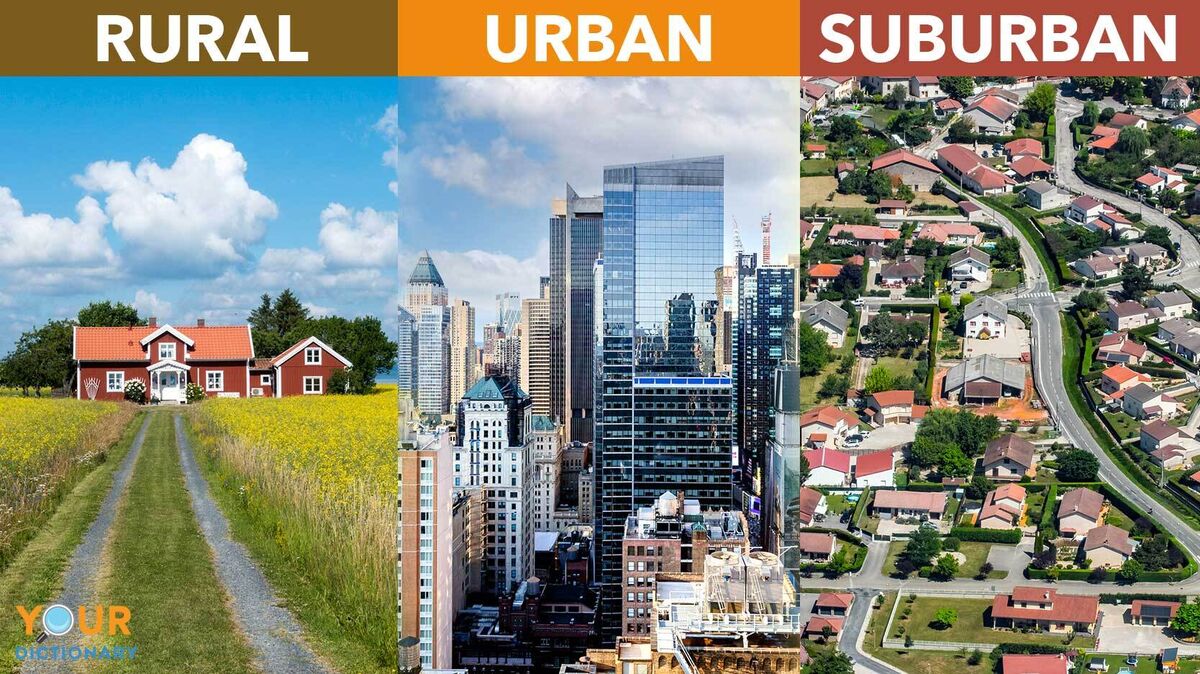
Comparative Cost of Living: Suburban vs. Urban vs. Rural
While often perceived as more affordable than downtown urban living, the cost of living in the suburbs can be deceptively high, especially when all factors are considered. While housing prices per square foot might be lower than in a metropolis, larger homes mean higher overall purchase prices and increased utility bills. Transportation costs become a significant line item; the reliance on personal vehicles for commuting, errands, and leisure means higher expenses for gasoline, insurance, maintenance, and car payments. This contrasts sharply with urban environments where public transport can significantly reduce vehicle-related costs, or rural areas where distances might be greater but traffic less intense.
Beyond direct expenses, the suburban lifestyle often encourages consumption patterns that contribute to its unique financial meaning. Larger homes require more furnishings, lawns require landscaping and maintenance, and community amenities often come with HOAs or local taxes. Balancing these expenditures against family budgets requires careful financial planning, making the suburbs a distinct economic environment where a significant portion of income is allocated towards housing, transportation, and family-centric spending.
Personal Finance in the Suburban Household: Budgeting and Wealth Management
The financial blueprint of a suburban household is typically distinct, shaped by family size, career paths often tied to commuting, and long-term financial goals that frequently center around education and retirement. Personal finance in this context requires a strategic approach, focusing on managing larger assets, planning for significant future expenses, and leveraging the stability that many suburban environments offer.
Budgeting for Families and Larger Homes
Suburban family budgets are fundamentally different from those of single urban dwellers or rural homesteaders. A larger home means higher property taxes, increased insurance premiums, and more extensive maintenance costs. Families often account for multiple cars, child-related expenses (daycare, extracurricular activities, healthcare), and higher grocery bills. Discretionary spending might lean towards home improvements, family vacations, or community activities.
Effective budgeting in the suburbs often involves a complex allocation of funds across various categories, with a strong emphasis on saving for the future. Decisions about where to live, what type of home to buy, and how many vehicles to own are intrinsically financial, reflecting the priorities and trade-offs inherent in the suburban dream. The meaning of suburban money, in this regard, is about the careful orchestration of resources to support a specific vision of family life and community engagement.
Education and Property Tax Implications

One of the most significant financial considerations for suburban families is the quality of local schools, which is often directly tied to property taxes. A substantial portion of property taxes in many suburban communities is earmarked for funding local education. This creates a fascinating financial feedback loop: desirable school districts attract families, increasing housing demand and property values, which in turn generates more tax revenue for schools, further enhancing their quality.
For homeowners, this means that while property taxes can be a substantial ongoing expense, they are also an investment in their children’s future and a contributor to the long-term value of their home. Understanding the local property tax structure, potential assessments, and how these funds are utilized is a critical aspect of suburban financial planning. It’s a trade-off that many families are willing to make, viewing the higher tax burden as a premium for access to quality education and well-maintained public services, ultimately defining a core facet of suburban financial meaning.
Business and Income Opportunities in the Suburbs: Entrepreneurship and Digital Work
While often seen as bedroom communities, suburban areas are increasingly vibrant hubs for economic activity, offering unique business and income generation opportunities. The financial landscape of the suburbs extends beyond residential real estate to encompass local commerce, small business entrepreneurship, and the growing prevalence of remote and hybrid work models.
Local Entrepreneurship and Small Businesses
The suburban environment fosters a distinct type of entrepreneurship. Small businesses – from local restaurants and boutique shops to specialized service providers (plumbers, landscapers, tutors) – thrive by catering directly to the needs and preferences of their community. These businesses often form the backbone of local economies, providing employment, contributing to the tax base, and creating a sense of community identity that goes beyond chain stores.
For many, the meaning of suburban in a financial sense involves the opportunity to build a business close to home, serving a loyal customer base. The lower commercial rents compared to city centers, combined with a steady flow of consumer demand from affluent households, make the suburbs an attractive location for aspiring entrepreneurs. Local business growth also stimulates ancillary services, from marketing agencies to accounting firms, further enriching the suburban financial ecosystem.
Side Hustles and Online Income Generation
The suburban lifestyle, with its emphasis on family and community, also lends itself well to side hustles and online income generation. The desire for supplementary income to manage household expenses, save for education, or accelerate debt repayment often leads suburban residents to explore flexible work options. This could range from traditional part-time jobs within the community to leveraging digital platforms for online freelancing, e-commerce ventures, or gig economy work.
The increased space available in suburban homes can also facilitate home-based businesses, from creative studios to online fulfillment centers. The rise of remote work capabilities has further blurred the lines between urban employment and suburban living, allowing individuals to earn competitive incomes from city-based jobs while enjoying the suburban lifestyle. This flexibility in income generation contributes significantly to the modern financial meaning of suburban, empowering residents to tailor their work-life balance to their unique circumstances.
Financial Tools and Planning for Suburbanites: Investment and Future Security
Navigating the financial complexities of suburban life requires access to appropriate financial tools and a robust planning strategy. From managing significant mortgage liabilities to planning for retirement and intergenerational wealth transfer, suburbanites often engage with a distinct set of financial products and advisory services.
Mortgage Strategies and Refinancing
For most suburban homeowners, the mortgage is their largest financial commitment. Strategic mortgage planning is crucial, involving decisions about fixed vs. adjustable rates, loan terms, and down payments. The meaning of suburban in a financial context often revolves around building equity in a home over decades. As interest rates fluctuate or personal financial situations change, refinancing becomes a powerful tool to reduce monthly payments, shorten loan terms, or access home equity for other investments or expenses.
Financial advisors specializing in real estate and homeownership often guide suburban clients through these complex decisions, helping them optimize their housing debt as a cornerstone of their overall financial plan. Understanding the nuances of property valuation, interest rate environments, and loan products is fundamental to successful suburban financial management.

Wealth Management and Estate Planning
With larger assets, including substantial home equity, and often multi-generational family structures, wealth management and estate planning take on particular importance in suburban households. The goal extends beyond simply accumulating wealth to preserving it, growing it, and efficiently transferring it to future generations.
Suburban wealth management often involves a diversified portfolio that balances traditional investments with real estate assets. Estate planning focuses on minimizing taxes, ensuring smooth asset distribution, and providing for heirs, often with considerations for college funds, trusts, and long-term care. The meaning of suburban, financially, culminates in this long-term vision: creating a legacy of financial security and opportunity for families, rooted in the stability and growth potential inherent in these unique communities.
In conclusion, “what is the meaning of suburban” when viewed through the lens of money reveals a dynamic, multifaceted financial ecosystem. It’s about the significant investment in real estate, the unique demands of family budgeting, the opportunities for local entrepreneurship and flexible income, and the strategic financial planning required to build and maintain wealth within these distinct communities. Suburban money isn’t just a collection of individual financial decisions; it’s a powerful economic force shaping landscapes, lifestyles, and legacies.
aViewFromTheCave is a participant in the Amazon Services LLC Associates Program, an affiliate advertising program designed to provide a means for sites to earn advertising fees by advertising and linking to Amazon.com. Amazon, the Amazon logo, AmazonSupply, and the AmazonSupply logo are trademarks of Amazon.com, Inc. or its affiliates. As an Amazon Associate we earn affiliate commissions from qualifying purchases.