
For most individuals and businesses, a bank account is the cornerstone of their financial life. It’s where income is received, bills are paid, and savings are built. The mere thought of it being closed can evoke a sense of panic and confusion. While sometimes closure is a voluntary decision, often it’s an involuntary action taken by the bank, leaving account holders scrambling to understand the implications and navigate the aftermath. Understanding the causes, immediate effects, and long-term consequences of a bank account closure is crucial for maintaining financial stability and peace of mind. This article delves deep into what happens when this pivotal financial tool is removed, offering insights and practical advice to manage the situation effectively.
Understanding Bank Account Closure: Reasons and Types
Bank account closures are not always uniform; they can stem from various causes and carry different implications depending on whether they are initiated by you or your financial institution. Grasping these distinctions is the first step in addressing the situation.
Voluntary vs. Involuntary Closure
Voluntary closure occurs when you, the account holder, decide to close your account. This might be due to dissatisfaction with the bank’s services, a move to a different location, a desire to consolidate accounts, or the opening of a more suitable account elsewhere. Typically, this is a smooth process where you ensure all outstanding transactions clear, transfer any remaining balance, and formally request closure. As you are in control, you can plan and execute this without significant disruption.
Involuntary closure, on the other hand, is when the bank decides to close your account without your explicit request. This can be far more disruptive and often signals an underlying issue that needs to be addressed. Banks are private institutions and, like any business, reserve the right to cease doing business with a customer, often within the terms agreed upon when the account was opened.
Common Reasons for Involuntary Closure
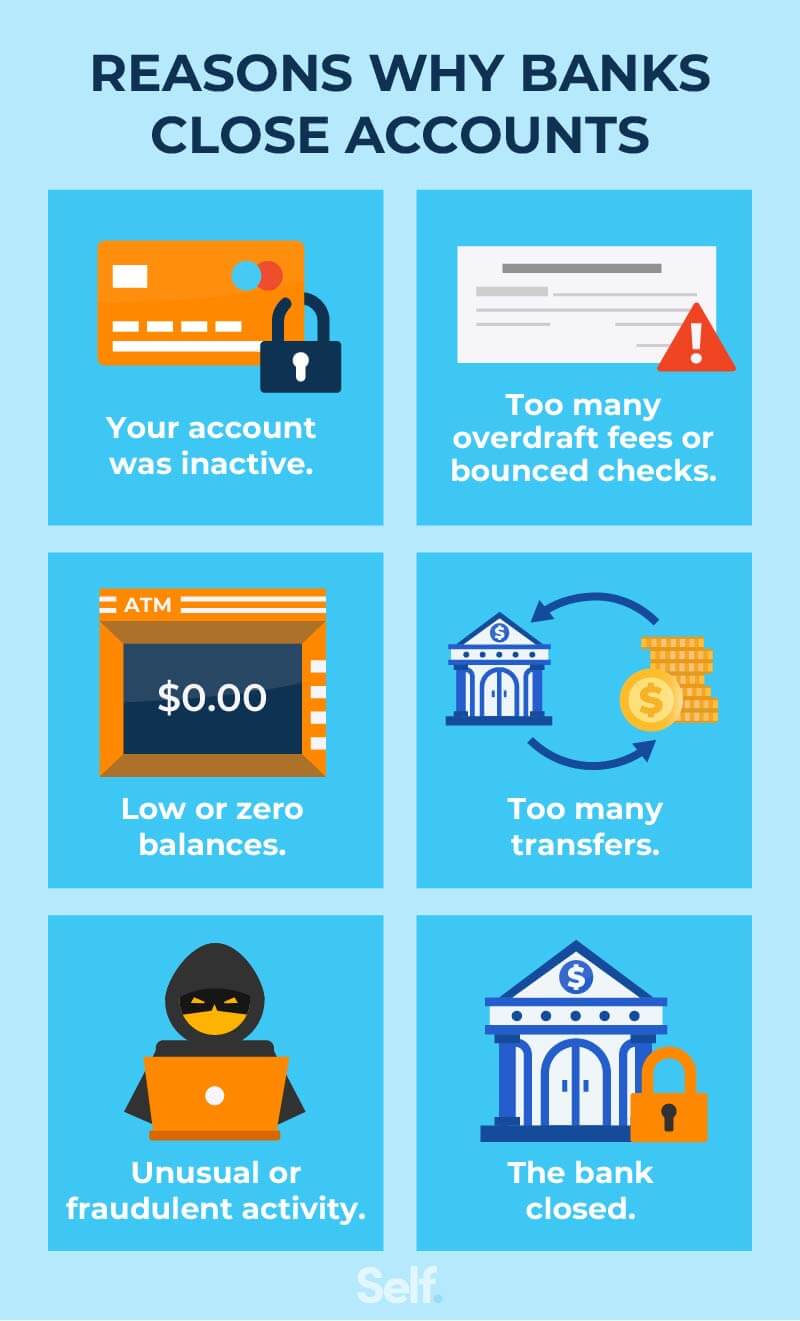
Banks don’t close accounts arbitrarily. There are specific, usually policy-driven, reasons for such actions:
-
Dormancy: Many accounts become dormant if there’s no activity (deposits, withdrawals, transfers) for a prolonged period, typically 12-24 months, varying by bank and state law. After a certain point, the bank may classify the account as “unclaimed property” and escheat the funds to the state, subsequently closing the account.
-
Persistent Negative Balance/Overdrafts: Consistently maintaining a negative balance, failing to cover overdrafts, or racking up excessive overdraft fees can signal financial instability or irresponsibility to the bank. If these issues persist, the bank may decide to terminate the relationship.
-
Suspected Fraud or Illegal Activity: This is a serious reason for closure. If a bank suspects an account is being used for money laundering, terrorist financing, identity theft, or any other illegal activity, they are legally obligated to investigate and, often, close the account immediately. This can happen even if the account holder is unknowingly involved.
-
Violation of Terms and Conditions: All bank accounts come with a detailed agreement. Violating these terms, such as making too many withdrawals from a savings account (exceeding Regulation D limits), misrepresenting information, or engaging in behaviors deemed high-risk by the bank, can lead to closure.
-
“De-risking” or Business Decisions: Sometimes, banks may decide to exit certain types of businesses or customer segments deemed too risky or unprofitable. This is more common for business accounts, especially those involved in industries like cryptocurrency, cannabis, or international money transfers, which might face heightened regulatory scrutiny.
-
ChexSystems Record: If you have a history of mishandling bank accounts (e.g., unpaid negative balances, fraud) that has been reported to ChexSystems (a consumer reporting agency for deposit accounts), a new bank may open an account for a trial period and then close it if your ChexSystems record is discovered or if you continue to exhibit problematic behavior.
The Bank’s Perspective: Why They Close Accounts
From a bank’s standpoint, closing an account is often a measure of risk management, regulatory compliance, or maintaining operational efficiency. They must protect their assets, adhere to strict anti-money laundering (AML) and know-your-customer (KYC) regulations, and ensure their customer base aligns with their business model. While it may feel impersonal, banks weigh the costs and risks of maintaining certain accounts against the potential benefits.
Immediate Impacts and Steps to Take
An involuntary bank account closure can throw your financial life into disarray. Acting quickly and methodically is crucial to minimize disruption.
Notification and Communication from the Bank
Ideally, your bank will notify you in advance of an impending closure, often via mail or email, stating the reason and providing instructions on how to retrieve your funds. However, in cases of suspected fraud or illegal activity, a bank may close an account without prior notice, sometimes even freezing funds temporarily as part of an investigation.
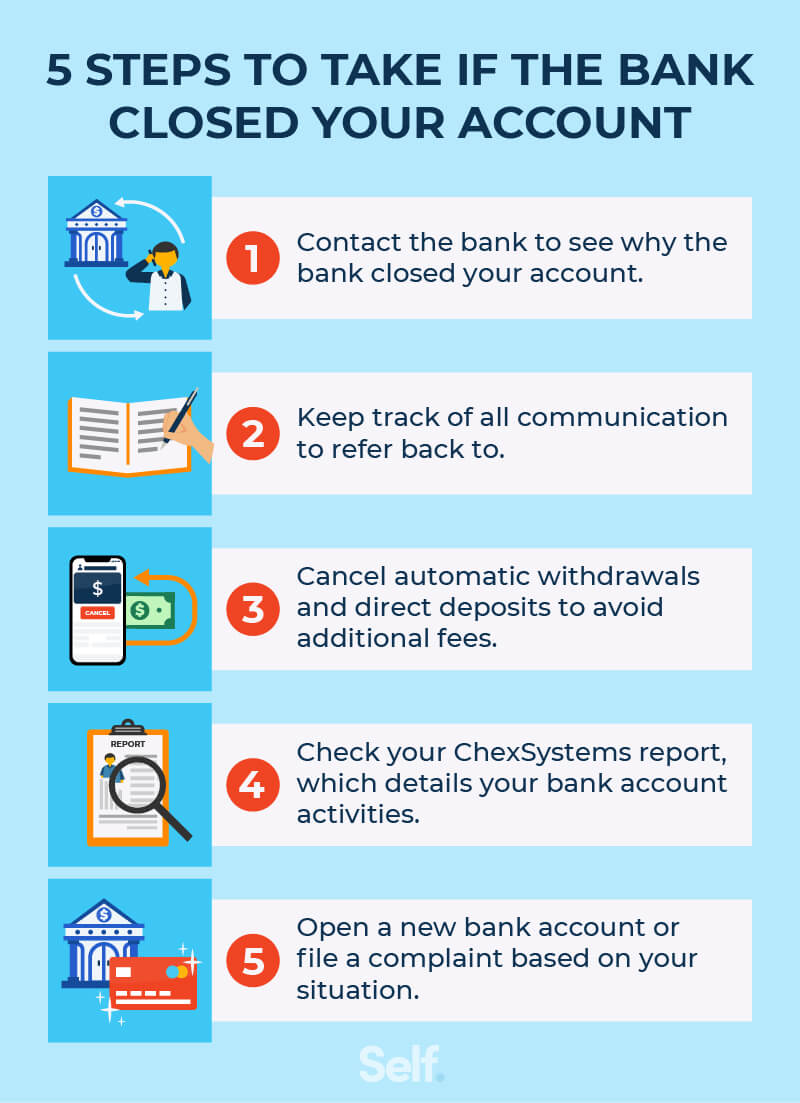
Upon receiving notification, or even suspecting closure, immediately contact your bank to:
-
Confirm the closure and its effective date.
-
Understand the specific reason for closure.
-
Inquire about how to retrieve any remaining balance.
-
Ask about any outstanding obligations or fees.
Managing Direct Deposits and Automatic Payments
This is arguably the most critical immediate impact. All automated transactions linked to your closed account will fail:
-
Direct Deposits: Your salary, government benefits, or other regular income will be rejected. Inform your employer, benefits provider, or any other source of direct deposits immediately with new account information.
-
Automatic Payments (ACH Debits): Utility bills, loan payments, subscriptions, and other recurring debits will bounce. This can lead to missed payments, late fees, and potential damage to your credit score if critical payments like mortgages or car loans are affected. Proactively update all billers with your new bank account details. Use a checklist to ensure no recurring payment is missed.
-
Checks and Debit Card Transactions: Any checks you’ve written that haven’t cleared yet will bounce, leading to NSF (Non-Sufficient Funds) fees from both your bank (if you still had funds and they attempted to process) and the recipient’s bank, along with potential reputational damage. Your debit card will, of course, be deactivated.
Accessing Remaining Funds
If there’s a positive balance in your account, the bank is obligated to return these funds to you. This is typically done in one of several ways:
-
A cashier’s check mailed to your address on file.
-
An electronic transfer to another account you designate (though this might be complicated if the bank relationship is fully terminated).
-
Sometimes, an in-person withdrawal may be possible at a branch, though this is less common for involuntary closures.
Ensure your mailing address with the bank is current to receive any mailed funds.
Handling Outstanding Checks and Debits
If you’ve written checks that haven’t cleared or authorized debits, and your account is closed, they will bounce. This is problematic not only because of fees but also because it can signal unreliability to payees. Contact anyone you’ve recently paid via check and inform them of the situation, arranging alternative payment methods. If the closure was due to a negative balance, you might still owe the bank that amount, which they will seek to collect.
Long-Term Consequences and Financial Health
The repercussions of an involuntary bank account closure extend beyond immediate inconveniences, potentially impacting your financial future and ability to access banking services.
Impact on Your Financial Reputation (ChexSystems)
One of the most significant long-term consequences is the potential negative impact on your financial reputation, primarily through a reporting agency called ChexSystems. ChexSystems is like a credit bureau, but for banking activities. Banks report specific information about account closures, especially those related to unpaid negative balances, fraud, or abuse. A negative entry on your ChexSystems report can make it extremely difficult to open new checking or savings accounts at other financial institutions for several years (typically five years). Many banks use ChexSystems to screen new applicants, and a poor report is often a red flag leading to denial.
Difficulty Opening New Accounts
With a negative ChexSystems report, you might find yourself in a challenging situation where traditional banks refuse to open an account for you. This can force you into alternative, often more expensive, financial services like prepaid debit cards, check-cashing services, or money orders, which lack the security and convenience of a traditional bank account. This can create a cycle of financial difficulty, limiting access to direct deposit, online bill pay, and affordable credit.
Potential Effect on Credit Score (Indirect)
While a bank account closure itself doesn’t directly impact your credit score (ChexSystems is separate from credit bureaus like Experian, Equifax, and TransUnion), the underlying causes and subsequent actions can:
-
Unpaid Negative Balances: If a closed account had a negative balance that goes unpaid, the bank might sell the debt to a collection agency. This collection account will then likely be reported to credit bureaus, significantly harming your credit score.
-
Missed Payments: If automatic payments for loans, credit cards, or other debts fail due to a closed account, these missed payments will be reported to credit bureaus, damaging your score.
-
Reliance on Alternative Services: Being unable to access traditional banking can lead to higher reliance on payday loans or other high-interest alternatives, which can further complicate financial management and credit health.
Legal and Collection Ramifications
If your account was closed with a negative balance, the bank has the right to pursue collection of that debt. This can include sending it to a collections agency, which will then contact you to recover the funds. If attempts to collect are unsuccessful, the bank or collection agency might pursue legal action, potentially leading to lawsuits, wage garnishments, or liens, depending on state laws and the amount owed. It’s always best to address any outstanding balances directly with the bank to avoid these severe consequences.
Rebuilding Your Financial Foundation After Closure
An involuntary bank account closure can be a wake-up call. It’s an opportunity to assess your financial habits and take proactive steps to rebuild trust and stability.
Addressing the Root Cause of Closure
The first and most important step is to understand and address why your account was closed.
-
If due to negative balances or overdrafts: Implement stricter budgeting, track spending diligently, and build an emergency fund.
-
If due to dormancy: Consolidate accounts or ensure you use your accounts regularly.
-
If due to fraud (even if you were unaware): Learn more about protecting yourself from financial scams and identity theft.
-
If due to policy violations: Familiarize yourself with bank terms and conditions for any new account.
Resolving the underlying issue is key to preventing future closures. If an unpaid negative balance was the cause, try to settle the debt with the bank or collection agency. Clearing this debt can sometimes lead to the removal or update of a negative ChexSystems entry, though this varies.
Strategies for Opening a New Bank Account
With a negative ChexSystems record, opening a traditional bank account can be challenging. However, there are options:
-
Second Chance Banking: Many credit unions and some community banks offer “second chance” checking accounts specifically designed for individuals with a negative banking history. These accounts often have higher fees or certain restrictions (e.g., no checks, limited debit card use) but provide a pathway back to mainstream banking.
-
Prepaid Debit Cards: While not a bank account, a reputable prepaid debit card can serve many functions, allowing direct deposit and online payments. Choose one with low fees and FDIC insurance.
-
Credit Unions: Credit unions are member-owned and often more forgiving than large commercial banks, sometimes offering accounts to individuals with ChexSystems issues if they demonstrate a commitment to financial improvement.
-
Online Banks: Some online-only banks may have less stringent ChexSystems requirements, though this is not universally true.
Restoring Financial Stability and Trust
Beyond simply opening a new account, focus on improving your overall financial health:
-
Budgeting: Create and stick to a realistic budget to manage income and expenses.
-
Savings: Start building an emergency fund to cover unexpected expenses and prevent future overdrafts.
-
Financial Literacy: Educate yourself on responsible money management practices.
-
Regular Monitoring: Regularly review your account statements and transactions to catch errors or suspicious activity early.
Over time, demonstrating responsible financial behavior will help you rebuild trust with financial institutions and improve your standing.
Monitoring Your Financial Health
Regularly check your ChexSystems report (you are entitled to one free report every 12 months) to monitor your banking history. Just like credit reports, ensure all information is accurate and dispute any errors. Additionally, continuously monitor your credit report to ensure that any old negative bank balances haven’t negatively impacted your credit score without your knowledge.
Preventing Account Closure
Proactive measures are always better than reactive solutions. By understanding and adhering to best practices, you can significantly reduce the risk of an involuntary bank account closure.
Maintaining Sufficient Funds
The most common reason for account closure is persistent negative balances. Always ensure you have enough funds to cover your transactions, especially automated payments. Set up low-balance alerts with your bank to notify you when your account balance falls below a certain threshold. Consider linking a savings account or line of credit as overdraft protection to automatically cover shortfalls, though be mindful of associated fees.
Staying Active with Your Account
Avoid account dormancy by performing regular transactions, even small ones. This could be a small deposit, an online bill payment, or a debit card purchase every few months. Review your bank’s dormancy policy to understand their specific timeline and requirements for keeping an account active. If you have accounts you no longer use, it’s often better to voluntarily close them rather than letting them become dormant.
Understanding Your Bank’s Terms and Conditions
When you open an account, you receive a stack of documents outlining the terms and conditions. While lengthy, it’s crucial to read and understand these. Pay particular attention to clauses regarding:
-
Minimum balance requirements.
-
Fee schedules (especially for overdrafts and maintenance).
-
Dormancy policies.
-
Transaction limits (e.g., Regulation D for savings accounts).
-
Circumstances under which the bank may close your account.
-
Communication preferences for important notices.
Knowledge of these terms empowers you to operate your account within the bank’s guidelines.
Regular Communication with Your Bank
Don’t wait for a problem to arise to communicate with your bank.
-
Update Contact Information: Ensure your bank always has your current mailing address, email, and phone number so you receive all critical notifications.
-
Address Issues Promptly: If you incur an overdraft, or notice unusual activity, contact your bank immediately to resolve it. Proactive communication can sometimes prevent an issue from escalating into an account closure.
-
Ask Questions: If anything is unclear about your account, fees, or transactions, don’t hesitate to ask a bank representative.
By being an informed and responsible account holder, you can foster a healthy and stable relationship with your financial institution, safeguarding your access to essential banking services.
In conclusion, a bank account closure, especially an involuntary one, can be a daunting experience with far-reaching consequences for your personal finances. From managing immediate disruptions to navigating the long-term impact on your financial reputation, understanding the process is paramount. By taking immediate action, addressing underlying issues, exploring alternative banking solutions, and committing to sound financial habits, you can overcome the challenges and successfully rebuild your financial foundation. Prevention, however, remains the best strategy, emphasizing the importance of active account management and clear communication with your bank.
aViewFromTheCave is a participant in the Amazon Services LLC Associates Program, an affiliate advertising program designed to provide a means for sites to earn advertising fees by advertising and linking to Amazon.com. Amazon, the Amazon logo, AmazonSupply, and the AmazonSupply logo are trademarks of Amazon.com, Inc. or its affiliates. As an Amazon Associate we earn affiliate commissions from qualifying purchases.