
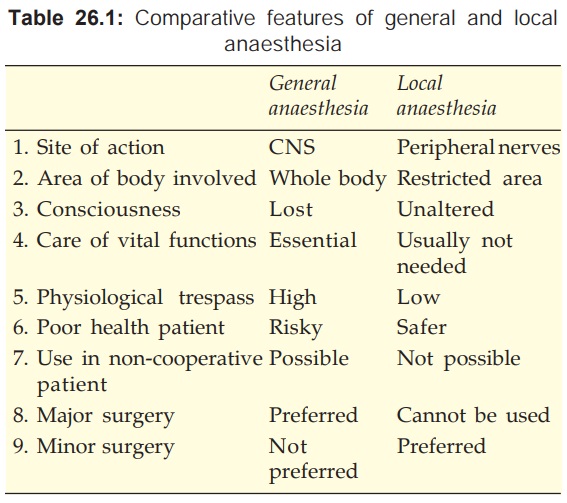
Anesthesia, a cornerstone of modern medicine, enables intricate surgical procedures and pain management by temporarily inhibiting sensation. While the medical distinction between general and local anesthesia is fundamental—one induces unconsciousness, the other targets a specific body part—the underlying technological infrastructure and digital advancements that support each are vastly different. Understanding these differences through a technological lens reveals the complexity, precision, and innovation driving contemporary anesthetic care. From sophisticated monitoring systems to AI-driven dosage algorithms, technology not only defines the delivery of anesthesia but also ensures patient safety and optimizes surgical outcomes.
The Technological Footprint of General Anesthesia
General anesthesia, a state of controlled, temporary loss of consciousness, requires a complex orchestration of pharmacological agents, advanced machinery, and real-time data analysis. The technological demands for inducing and maintaining this state are extensive, making it a highly tech-dependent medical intervention. The goal is to render the patient insensitive to pain, unaware of the procedure, and immobile, all while carefully maintaining vital physiological functions.
Advanced Anesthesia Machines and Ventilators
At the heart of general anesthesia delivery are sophisticated anesthesia machines. These integrated workstations are far more than simple gas mixers; they are precision instruments that deliver carefully measured concentrations of anesthetic gases and oxygen, often combined with intravenous agents. Modern machines feature digital flow meters, electronic vaporizers for volatile anesthetics, and integrated safety systems that prevent hypoxia or the delivery of incorrect gas mixtures.
Crucially, these machines are seamlessly coupled with advanced mechanical ventilators. As general anesthesia often suppresses spontaneous breathing, a ventilator takes over the vital function of respiration, ensuring adequate oxygenation and carbon dioxide removal. These ventilators are equipped with a myriad of modes, allowing anesthesiologists to precisely control tidal volume, respiratory rate, and airway pressures, all monitored and adjusted digitally. Many high-end models incorporate software that can automatically adjust ventilation parameters based on real-time blood gas analysis and patient lung compliance, providing a tailored respiratory support system. The digital interfaces and alarms on these machines are critical, providing immediate feedback and alerts for any deviation from desired parameters, thereby enhancing patient safety.
Multimodal Physiological Monitoring Systems
Maintaining a patient under general anesthesia is akin to navigating a complex ecosystem of physiological parameters, all of which must be meticulously monitored. The array of gadgets and software used for this purpose is staggering. Central to this is the multi-parameter patient monitor, an indispensable piece of technology that simultaneously tracks electrocardiogram (ECG) for heart activity, pulse oximetry for blood oxygen saturation (SpO2), non-invasive and invasive blood pressure, end-tidal carbon dioxide (EtCO2) for ventilation effectiveness, and core body temperature.
Beyond these standard measurements, general anesthesia often necessitates more advanced monitoring. Bispectral Index (BIS) or similar electroencephalography (EEG) based monitors provide a numerical assessment of the patient’s depth of anesthesia, preventing both awareness during surgery and excessive sedation. Neuromuscular transmission monitors assess the degree of muscle relaxation induced by paralytic agents, ensuring proper reversal at the end of the procedure. Advanced hemodynamic monitors, sometimes invasive, provide insights into cardiac output, systemic vascular resistance, and fluid status, allowing anesthesiologists to manage cardiovascular stability with unparalleled precision. All these data streams are typically consolidated onto a single digital interface, often integrated with electronic health records (EHR) systems, providing a comprehensive, real-time overview of the patient’s physiological state.
Smart Drug Infusion Pumps and Software
The administration of intravenous anesthetic agents, analgesics, and muscle relaxants during general anesthesia relies heavily on smart infusion pumps. These programmable devices deliver medications with extreme accuracy, often in micro-doses, over specific durations. “Smart” pumps are equipped with drug libraries that contain pre-programmed dosage limits, concentration ranges, and safety alerts, significantly reducing the risk of medication errors. They can be programmed to deliver infusions based on patient weight, age, and desired effect, making drug delivery highly precise.
Furthermore, Target-Controlled Infusion (TCI) systems represent an advanced application of software in anesthesia. TCI pumps utilize pharmacokinetic and pharmacodynamic models to automatically adjust the infusion rate of certain intravenous anesthetics (like propofol or remifentanil) to achieve and maintain a target drug concentration in the blood or at the effect site (brain). This predictive modeling, powered by complex algorithms, allows anesthesiologists to achieve a more stable depth of anesthesia and a faster, smoother emergence, optimizing drug usage and patient recovery times.
Precision and Digital Assistance in Local Anesthesia
In contrast to general anesthesia’s systemic impact, local and regional anesthesia aims to block sensation in a specific area or limb, allowing the patient to remain conscious. While seemingly simpler, the technological advancements in localized pain management are equally impressive, focusing on precision, safety, and patient comfort. The technology here is less about systemic life support and more about targeted delivery and visualization.
Ultrasound Guidance for Regional Blocks
One of the most transformative technological advancements in regional anesthesia is the widespread adoption of ultrasound guidance. Historically, nerve blocks relied on anatomical landmarks and subjective paresthesia induction (eliciting a tingling sensation). This method was prone to inaccuracies and complications. Modern high-resolution ultrasound machines allow anesthesiologists to visualize nerves, surrounding anatomical structures, and the needle in real-time.
This direct visualization dramatically improves the accuracy of local anesthetic injection, ensuring the drug is deposited precisely around the target nerve while avoiding blood vessels and other sensitive structures. Ultrasound guidance reduces the volume of local anesthetic required, hastens the onset of the block, extends its duration, and most importantly, significantly decreases the risk of complications such as nerve damage or systemic toxicity. The digital imaging capabilities, along with specialized probes and needle guides, have made regional anesthesia safer, more effective, and accessible for a wider range of procedures.
Nerve Stimulators and Electromyography
Prior to the ubiquity of ultrasound, and still used in conjunction with it, nerve stimulators were a key technological gadget for regional blocks. These devices deliver a small electrical current through the needle tip to elicit a motor response from the target nerve. By observing muscle twitches, the anesthesiologist can confirm the proximity of the needle to the nerve, guiding the local anesthetic injection. Modern nerve stimulators are highly refined, with digital displays showing current output and features like continuous stimulation for better tracking.

Electromyography (EMG) is also utilized, particularly in more complex or therapeutic nerve blocks and pain management procedures. EMG measures the electrical activity produced by muscles, providing real-time feedback on nerve function and helping to precisely identify neural structures for targeted interventions, often in combination with fluoroscopy or ultrasound.
Topical and Local Anesthetic Delivery Systems
Beyond injections, technology has also enhanced non-invasive local anesthetic delivery. Eutectic mixture of local anesthetics (EMLA) creams, applied topically, use a carefully formulated emulsion to allow local anesthetics to penetrate intact skin, numbing the area for minor procedures like venipuncture or superficial skin biopsies. Iontophoresis and phonophoresis are technologies that use electrical current or ultrasound waves, respectively, to drive local anesthetic drugs deeper into tissues without injection, offering a less invasive option for localized pain relief. Furthermore, sophisticated pumps designed for continuous peripheral nerve blocks deliver local anesthetic over several days post-operatively, providing extended pain relief at home, demonstrating how technology extends the benefits of local anesthesia beyond the operating room.
Monitoring and Data: The Digital Lifeline
Regardless of the type of anesthesia, technology’s most critical role is in monitoring patient safety and outcomes. The digital revolution has transformed how physiological data is collected, analyzed, and integrated, creating a robust safety net for patients undergoing any anesthetic procedure.
Real-time Data Analytics and Alerts
Modern operating rooms are awash with digital data. Every physiological parameter monitored is typically captured, processed, and displayed in real-time. Sophisticated software analyzes these streams, identifies trends, and triggers audible and visual alarms if parameters deviate from predefined safe ranges. These smart alert systems help anesthesiologists detect critical events early, allowing for timely intervention. Beyond basic alerts, some systems employ predictive analytics, using algorithms to forecast potential complications based on subtle shifts in multiple data points, moving from reactive to proactive patient management.
Electronic Health Records (EHR) Integration
The seamless integration of anesthesia data with the broader Electronic Health Record (EHR) system is a major technological leap. Anesthesia information management systems (AIMS) automatically capture and document all relevant data points—drug administration, physiological measurements, procedural events—directly into the patient’s digital chart. This eliminates manual charting, reduces human error, ensures comprehensive documentation, and makes crucial information immediately accessible to the entire healthcare team. This digital record also serves as a valuable resource for quality assurance, research, and improving future anesthetic practices.
Remote Monitoring Capabilities
While most critical monitoring occurs in the operating room or recovery area, technology also extends to remote or continuous monitoring, particularly for patients receiving continuous regional blocks post-operatively. Wearable sensors and app-based systems can track vital signs and pain levels, transmitting data to healthcare providers for remote oversight. This enhances patient safety outside the traditional hospital setting and optimizes resource allocation, representing an exciting frontier for integrated care through digital connectivity.
Innovations Driving the Future of Anesthesia Tech
The field of anesthesia technology is in a constant state of evolution, with emerging innovations promising even greater precision, safety, and personalized care. Artificial intelligence, robotics, and advanced materials are poised to redefine the landscape of anesthetic practice.
AI-Powered Dosage and Predictive Analytics
Artificial intelligence (AI) and machine learning (ML) are rapidly making inroads into anesthesia. AI algorithms can analyze vast datasets of patient physiology, drug responses, and clinical outcomes to suggest optimal anesthetic dosages tailored to an individual’s unique characteristics (e.g., age, weight, comorbidities). Predictive analytics, powered by AI, can identify patients at higher risk of complications (like hypotension or postoperative nausea) even before they occur, allowing anesthesiologists to implement preventative strategies. This level of personalized, data-driven decision-making represents a significant leap forward from traditional protocols.
Robotic Assistance and Automation
While fully autonomous anesthesia remains a distant concept, robotic assistance and automation are enhancing aspects of delivery and monitoring. Robots can be used for precise needle placement in regional blocks, especially in complex anatomical areas, increasing accuracy and reducing variability. Automated closed-loop systems, for example, can adjust the infusion rate of an anesthetic drug or the ventilation settings based on continuous real-time feedback from patient monitors, offloading some routine tasks from the anesthesiologist and allowing them to focus on broader clinical judgment and critical events.
Wearable Tech and Enhanced Patient Experience
The future also holds promise for integrating wearable technology into anesthetic care. Pre-operative wearables could collect baseline physiological data, track activity levels, and monitor sleep patterns, providing a more holistic view of patient health prior to surgery. Post-operatively, wearables could continuously monitor recovery, pain levels, and potential complications, sending alerts to healthcare providers. Beyond monitoring, virtual reality (VR) and augmented reality (AR) are being explored to reduce pre-operative anxiety and enhance patient comfort during local or regional procedures by distracting them or creating immersive, calming environments. These technologies not only improve clinical outcomes but also significantly enhance the overall patient experience.
In conclusion, the fundamental difference between general and local anesthesia, while medically distinct, is profoundly shaped by the technological tools and digital innovations that support them. General anesthesia relies on a complex network of life-support machines, multimodal monitors, and smart drug delivery systems to manage systemic physiological changes. Local anesthesia, on the other hand, leverages advanced imaging (like ultrasound) and precise delivery mechanisms to achieve highly targeted regional blocks. Both modalities are increasingly benefiting from integrated data management, AI-driven insights, and automation, pushing the boundaries of safety, efficacy, and personalized patient care in modern medicine. The relentless march of technology ensures that anesthetic practices will continue to evolve, offering ever more precise and secure experiences for patients worldwide.
aViewFromTheCave is a participant in the Amazon Services LLC Associates Program, an affiliate advertising program designed to provide a means for sites to earn advertising fees by advertising and linking to Amazon.com. Amazon, the Amazon logo, AmazonSupply, and the AmazonSupply logo are trademarks of Amazon.com, Inc. or its affiliates. As an Amazon Associate we earn affiliate commissions from qualifying purchases.