
Acapulco. The name alone once conjured images of sun-drenched beaches, daring cliff divers, and the glamorous escapades of Hollywood’s elite. It was a brand synonymous with luxury, exoticism, and an unrivaled sense of escape. Yet, for many today, the mention of Acapulco evokes a different, often somber, narrative. The trajectory of this iconic Mexican resort city offers a compelling, albeit tragic, case study in the profound impact of internal and external forces on a destination’s brand identity and its ultimate erosion. This analysis delves into Acapulco’s rise as a global brand powerhouse, the subtle and overt factors that led to its decline, and the immense challenges inherent in reclaiming a tarnished image.
The Golden Age: Forging an Iconic Global Brand
Acapulco’s ascent to global prominence in the mid-20th century was nothing short of meteoric. It wasn’t merely a city; it was a carefully curated experience, a brand built on aspiration, exclusivity, and an undeniable allure.
The Allure of Mid-Century Glamour
Post-World War II, as global travel became more accessible to the affluent, Acapulco emerged as the quintessential tropical paradise. Its natural harbor, breathtaking sunsets, and dramatic cliff faces provided a stunning backdrop for what would become its signature brand image. From the 1940s through the 1960s, it became the playground for Hollywood legends like Elizabeth Taylor, Frank Sinatra, and John Wayne, alongside European royalty and global magnates. These figures weren’t just visitors; they were unwitting brand ambassadors, their every sun-kissed photograph and poolside anecdote amplifying Acapulco’s mystique.
The city’s brand was meticulously crafted around opulence and romance. Exclusive hotels like Las Brisas, perched high above the bay, offered private pools and unparalleled views, embodying the pinnacle of luxury. The famed La Quebrada cliff divers became an emblem of daring and tradition, a unique spectacle that solidified Acapulco’s distinctive identity. The brand promised an escape from the mundane, a dive into a vibrant, sophisticated world where every evening brought a new adventure. This aspirational positioning made Acapulco not just a place to visit, but a lifestyle to experience, a status symbol for those who could afford its charm.
Strategic Marketing and Word-of-Mouth
While formal marketing campaigns certainly played a role, Acapulco’s brand arguably thrived most powerfully on a blend of organic celebrity endorsement and powerful word-of-mouth. Hollywood films shot on location showcased its beauty to a global audience, subtly embedding its image into popular culture. Newsreels and magazine features detailing the exploits of its famous visitors kept Acapulco in the public consciousness, creating a narrative of glamour and excitement that was irresistible.
This period saw the development of a unique brand lexicon around Acapulco: “Mexican Riviera,” “Pacific Paradise,” and “Jet-Set Destination.” These phrases weren’t just taglines; they encapsulated the city’s promise of an exotic, luxurious, and exclusive experience. The narrative was consistent: Acapulco was where the beautiful and powerful went to relax, party, and be seen. This organic, celebrity-driven publicity created a brand with immense cultural capital and a truly global reach, establishing it as the benchmark for luxury beach destinations.
Defining the Destination’s Brand Identity
At its zenith, Acapulco’s brand identity was clear and compelling. It stood for:
-
Sophistication & Exclusivity: A haven for the elite, offering privacy and top-tier service.
-
Natural Beauty & Adventure: Pristine beaches, dramatic cliffs, and thrilling activities like cliff diving.
-
Vibrancy & Nightlife: A lively atmosphere with world-class dining and entertainment.
-
Escape & Romance: The perfect setting for relaxation, passion, and creating unforgettable memories.
This carefully cultivated image was a powerful asset, attracting investment, driving tourism, and establishing Acapulco as a benchmark in global destination branding. It demonstrated how a combination of natural assets, strategic development, and high-profile association could forge an enduring and aspirational brand identity.
Cracks in the Facade: The Erosion of Brand Trust and Appeal
The glossy veneer of Acapulco’s brand, once impenetrable, began to show fissures as the latter half of the 20th century progressed. A confluence of factors, both internal and external, initiated a gradual but relentless erosion of its appeal and trust.
Shifting Market Dynamics and Emerging Competition
The global tourism landscape is relentlessly dynamic. As the world opened up further, new destinations emerged, often with modern infrastructure and fresh appeals. Places like Cancún and the Riviera Maya, developed with contemporary resort design and direct flights, offered a different kind of “paradise”—one that often felt safer, newer, and specifically tailored to mass tourism trends of the 1970s and beyond.
Acapulco, in contrast, struggled to adapt. Its mid-century charm, once a unique selling proposition, began to feel dated to a new generation of travelers. The infrastructure, built for a different era, struggled to keep pace with demand and expectations for modern amenities. The brand, once aspirational for all, found itself increasingly competing on price rather than luxury, diluting its exclusive image and attracting a different demographic of traveler, primarily domestic tourists and budget-conscious international visitors. This shift, while economically important, inadvertently chipped away at the “luxury brand” perception it had once so carefully cultivated.
Infrastructure Strain and Decline in Service Standards
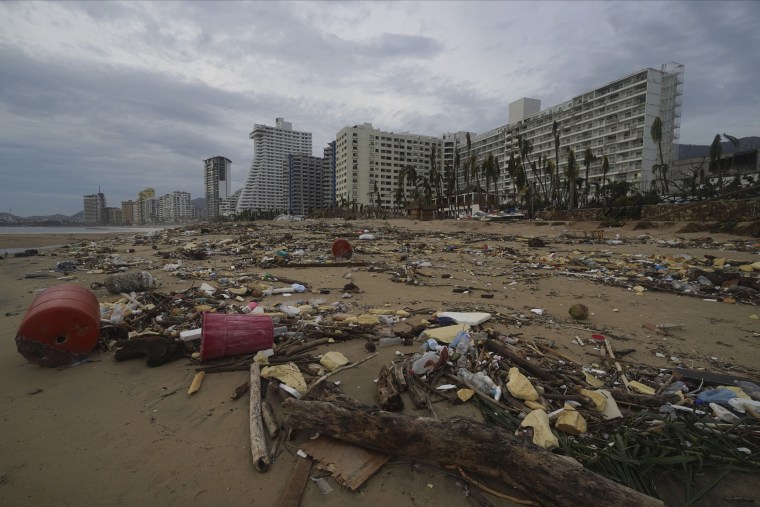
Rapid, often uncontrolled, urban development put immense strain on Acapulco’s infrastructure. Public services, from sanitation and waste management to road maintenance and public transport, failed to keep pace with the city’s growth. The pristine beaches and clear waters that were once a cornerstone of the brand began to suffer from pollution. Overcrowding, particularly during peak seasons, diminished the sense of exclusivity and tranquility that was central to its original appeal.
Furthermore, a decline in consistent service standards across some hospitality sectors contributed to a diminishing visitor experience. When a destination brand promises luxury and comfort, but delivers inconsistent service or visible signs of neglect, the disconnect damages trust. Tourists began to share experiences of deteriorating facilities, unreliable services, and a general sense that the city was not maintaining its promise. These tangible deteriorations directly undermined the intangible brand assets of quality and aspiration.
The Shadow of Insecurity: A Brand’s Worst Enemy
While economic and infrastructural challenges were significant, the most devastating blow to Acapulco’s brand came from the pervasive rise of crime and cartel violence. From the late 2000s onwards, Acapulco, like other parts of Mexico, became increasingly affected by organized crime. Homicide rates soared, and violent incidents, once rare, became more common and widely reported.
For a destination brand, especially one built on relaxation and escape, the perception of insecurity is a death knell. Safety is a fundamental human need, and when a place is perceived as unsafe, all other appeals become irrelevant. Negative media coverage, travel advisories from foreign governments, and first-hand accounts shared online amplified the narrative of a city in peril. This pervasive image of danger directly contradicted Acapulco’s core brand promise of a carefree paradise, replacing it with fear and apprehension. Tourists, particularly those from international markets, opted for destinations where their safety was not a constant concern, leading to a precipitous decline in visitor numbers and further exacerbating the city’s economic woes. A brand cannot thrive when its most basic promise—security—is broken.

The Brand in Crisis: Perceptions and Reality Diverge
Once the narrative of insecurity takes hold, a destination brand enters a profound crisis. Perception often supersedes reality, and the challenge of rebuilding becomes monumental.
The Power of Narrative: Media and Reputation Management
In the age of instant information, media narratives, both traditional and social, wield immense power. News reports focusing on violence and crime in Acapulco painted a grim picture, often without nuance or context regarding specific tourist zones versus broader urban areas. Travel bloggers, forums, and social media platforms became echo chambers, reinforcing negative perceptions. Even if specific tourist areas remained relatively safe, the overarching narrative of a dangerous city deterred potential visitors.
This created an insurmountable reputation management challenge. How does a city combat a narrative of fear when every incident, real or exaggerated, is amplified globally? Traditional tourism marketing, focused on beautiful imagery, becomes ineffective against such a powerful counter-narrative. The brand became defined not by its beaches or glamour, but by its crime statistics, making any positive messaging struggle to gain traction. The brand, once a beacon of aspiration, became a cautionary tale.
Target Audience Shift and Brand Irrelevance
As international and luxury tourism dwindled, Acapulco’s market inevitably shifted. It became more reliant on domestic tourism and budget travelers, who, while vital for the local economy, often have different expectations and spending patterns. While catering to this market is important, it further cemented the perception among previous target segments that Acapulco was no longer “their” destination.
The brand’s relevance to its historical, high-spending international clientele waned significantly. For those seeking luxury and exclusivity, Acapulco no longer offered the same cachet or perceived value as newer, more secure destinations. This made it difficult for the city to command premium prices or attract high-end investments, further locking it into a downward spiral where its original brand identity became increasingly irrelevant to the very market it once dominated.
The Cost of a Tarnished Brand
The impact of Acapulco’s tarnished brand transcended mere reputation; it had profound and devastating economic consequences. Reduced tourism numbers led to massive job losses in the hospitality sector, affecting hotels, restaurants, tour operators, and countless ancillary businesses. Property values plummeted, foreign investment dried up, and local businesses struggled to survive. The once-bustling streets and vibrant nightlife quieted, replaced by an air of struggle.
This economic downturn created a feedback loop: less tourism meant less revenue for public services, further straining infrastructure and exacerbating the problems that initially drove visitors away. The intangible damage to Acapulco’s brand manifested in very tangible financial hardship for its residents and a significant blow to the regional and national economy, serving as a stark reminder of the immense financial value inherent in a strong, trusted brand.
Rebuilding from the Ashes: A Brand’s Path to Renaissance
The journey to reclaim Acapulco’s brand is an arduous one, requiring sustained effort, significant investment, and a coherent, long-term strategy. It’s a testament to the fact that while brands can be broken, they are not always beyond repair.
Re-evaluating Core Brand Strengths and Unique Selling Propositions
Any effective brand revival begins with an honest assessment of enduring assets. Despite its challenges, Acapulco still possesses undeniable strengths: its stunning natural bay, the iconic La Quebrada cliff divers, its rich history, vibrant culture, and the warmth of its people. These are the foundational elements upon which a new brand narrative can be built.
The strategy must involve shifting focus from simply “what it was” to “what it can be.” This means leveraging its natural beauty for eco-tourism, promoting its historical sites, celebrating its culinary traditions, and perhaps developing niche markets like convention tourism or adventure sports, rather than solely relying on its past glamour. Identifying unique selling propositions that resonate with contemporary travelers, while distinguishing it from competitors, is paramount.
Strategic Rebranding and Communication
A comprehensive rebranding effort is essential. This involves developing a new, authentic, and forward-looking brand narrative that acknowledges past challenges while focusing on future potential. Communication must be transparent, addressing safety concerns head-on with demonstrable improvements, rather than simply ignoring them. This might involve:
-
Targeted Messaging: Differentiating between specific, safer tourist zones and general urban areas.
-
Highlighting Investment: Showcasing public and private sector investments in infrastructure, security, and visitor experience.
-
Positive Storytelling: Promoting success stories, cultural events, and the resilience of the local community.
-
Digital Presence: A modern, engaging digital marketing strategy across social media, websites, and travel platforms, offering compelling visuals and updated information.
This requires consistent, well-funded campaigns that slowly but surely rebuild trust and reshape public perception, one positive story at a time.
Investing in Experience and Infrastructure
A brand promise is only as strong as the experience it delivers. For Acapulco, this means substantial, visible investment in physical improvements. Modernizing hotels, improving public spaces, upgrading transportation networks, enhancing waste management, and critically, implementing robust public safety measures are non-negotiable. These tangible improvements are the foundation for any successful rebranding.
Investment in visitor experiences—from curated tours to cultural festivals and enhanced amenities—will ensure that when tourists do return, their expectations are met or exceeded, fostering positive word-of-mouth and encouraging repeat visits. The experience must consistently align with the new brand promise.

Engaging Stakeholders and Community Buy-in
A successful destination brand revival cannot happen in isolation. It requires the active participation and unwavering support of all stakeholders: local government, hoteliers, tour operators, small business owners, and, crucially, the local community. Fostering a sense of shared ownership and pride is vital. This means involving residents in planning, ensuring they benefit from tourism, and educating them on the importance of delivering a welcoming and safe environment. When the local community becomes an active participant in and beneficiary of the brand’s revival, it creates an authentic and sustainable foundation for long-term success.
Acapulco’s journey from unparalleled glamour to profound challenge serves as a powerful testament to the fragility of a destination brand. It underscores that a brand is not merely a logo or a slogan, but a living entity shaped by perception, experience, and trust. While the road to full recovery is long and steep, the ongoing efforts to re-evaluate, reinvest, and strategically reposition Acapulco highlight the enduring belief in its inherent potential. Its future hinges on a collective, sustained commitment to rebuilding its brand, one experience, one story, and one safer step at a time, proving that even a tarnished jewel can, with immense effort, regain its sparkle.
aViewFromTheCave is a participant in the Amazon Services LLC Associates Program, an affiliate advertising program designed to provide a means for sites to earn advertising fees by advertising and linking to Amazon.com. Amazon, the Amazon logo, AmazonSupply, and the AmazonSupply logo are trademarks of Amazon.com, Inc. or its affiliates. As an Amazon Associate we earn affiliate commissions from qualifying purchases.