
When examining the chemistry of professional baking, the humble egg is often referred to as the “silent partner” of the kitchen. While many home cooks view eggs simply as a staple ingredient to be whisked into a bowl, those managing food-based brands or developing commercial culinary products understand that the egg is a complex functional tool. From a brand strategy and production efficiency standpoint, understanding the chemical properties of an egg is less about the culinary result and more about the consistency, structural integrity, and scalability of a product line.
The Structural Architecture: Eggs as Binding Agents
In the realm of food branding, consistency is the hallmark of success. Whether you are launching a boutique pastry line or a large-scale consumer packaged good (CPG), your reputation hinges on the product performing exactly the same way every single time. This is where the protein coagulation properties of the egg become a critical asset for brand identity.
Protein Coagulation and Product Integrity
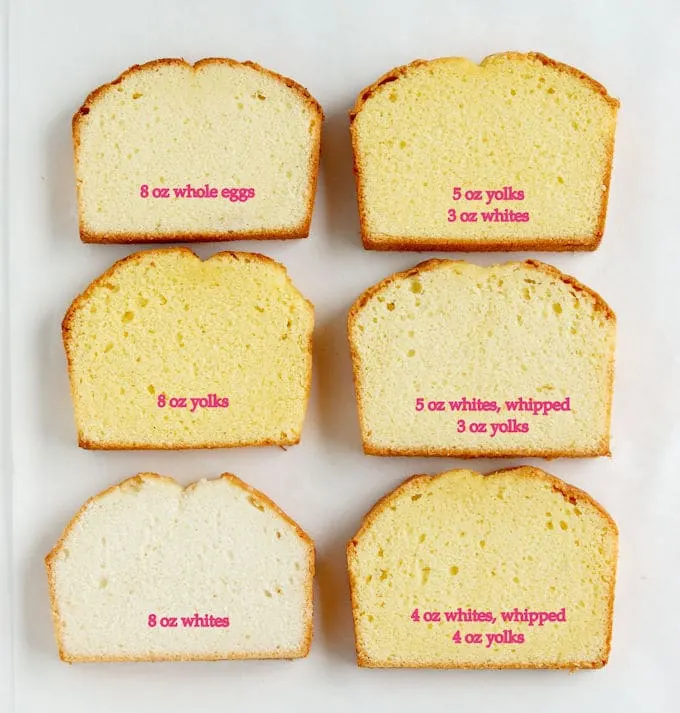
When an egg is heated, its proteins—primarily ovalbumin—denature and then coagulate. This transformation creates a stable matrix that holds the structural integrity of cakes, muffins, and quick breads. Without this binding, a product risks crumbling during shipping or shelf-display, which can severely damage a brand’s perceived quality. By utilizing eggs as a standardized binder, companies ensure their structural brand identity remains intact from the factory line to the consumer’s plate.
Emulsification for Market Longevity
Beyond binding, eggs act as a powerful emulsifier. The yolks contain lecithin, a phospholipid that allows fats and liquids—which are naturally repelled by one another—to form a homogenous mixture. In commercial production, this emulsification is vital. It prevents the separation of fats, ensuring that the texture of a baked good remains uniform. A product that separates or exhibits oiliness is a failure of production standards, and for a brand, it represents a failure of quality control. Emulsification ensures that every bite provides the same mouthfeel, which is central to building loyal consumer expectations.
Aeration and Volume: The Economics of Texture
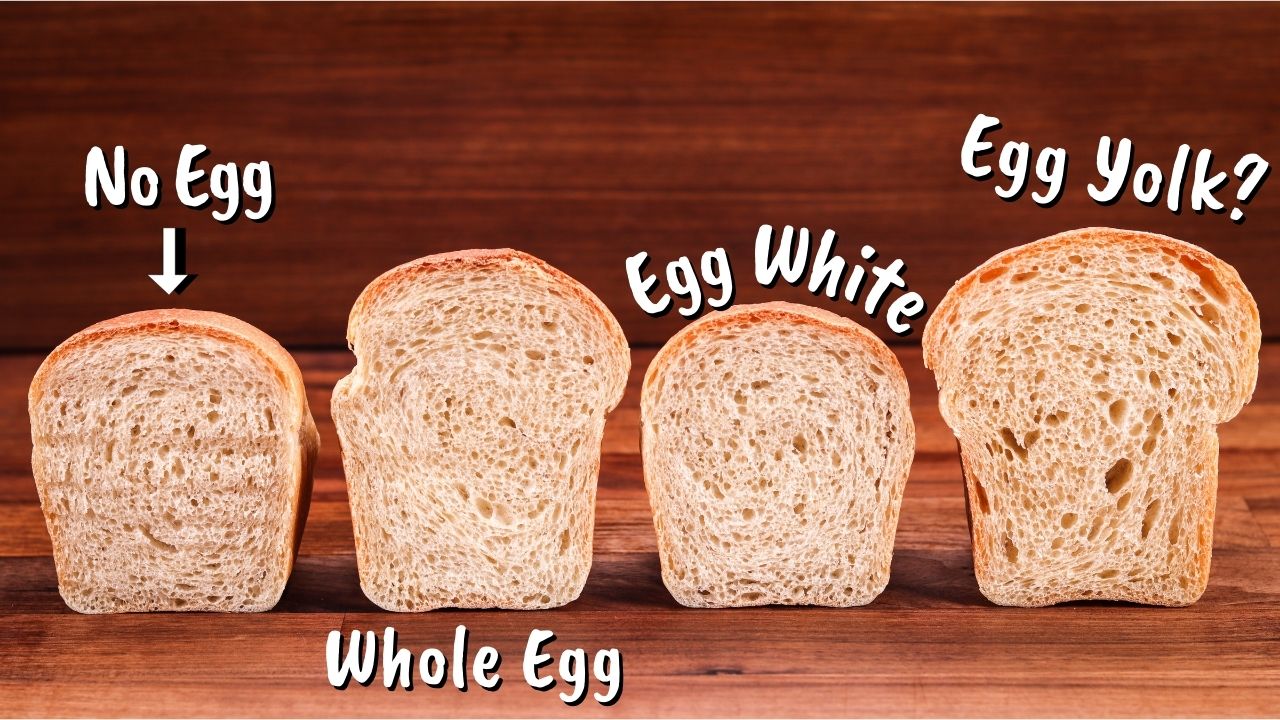
One of the most valuable properties of an egg in a commercial baking context is its ability to create volume. When eggs are whipped, they trap air in a protein mesh. This process of aeration is not merely a culinary technique; it is an economic driver.
The Science of Leavening
The air bubbles trapped in the egg whites expand during baking, providing a natural leavening effect. This expansion allows a product to achieve a light, airy structure without relying solely on synthetic chemical leaveners. For brands positioning themselves in the “clean label” or “natural” market segment, the egg serves as a vital component in reducing the number of artificial additives required to achieve a premium mouthfeel.
Managing Yield and Cost-Efficiency
From a financial perspective, the aeration property of eggs allows for higher volume production from the same base mass of ingredients. An aerated batter occupies more space, meaning that for the same weight of flour, sugar, and fat, a manufacturer can produce a larger finished item. This is a critical metric in business finance and product development. By optimizing the aeration process, a brand can maximize the yield per batch, effectively lowering the cost-per-unit while maintaining a high-value perception through a light, indulgent texture.
The Role of Lipids in Flavor and Mouthfeel
While proteins provide structure and emulsification, the yolk provides lipids. Fats are the primary carriers of flavor, and in the food industry, flavor is the primary driver of customer retention.
Fat as a Sensory Brand Marker
The lipids in egg yolks do more than just add richness; they coat the palate, enhancing the perception of other flavors in the baked good. When developing a signature recipe for a commercial brand, the fat content provided by the yolk is often used as a control variable to determine the “luxury” level of the product. A higher ratio of yolks can justify a premium price point, signaling to the consumer that the product is made with high-quality, whole ingredients.
Shelf-Life and Moisture Retention
Moisture retention is a key challenge for any food brand operating within a distribution network. Baked goods have a tendency to stale quickly as starches retrograde. The lipids from the egg yolk act as a natural moisture barrier. By slowing down the evaporation of water from the crumb, eggs extend the shelf life of a product. In the world of retail, shelf life is synonymous with reduced waste and improved profit margins. A brand that can maintain a soft, moist texture for three weeks as opposed to one week has a significant logistical advantage in the marketplace.
Standardization in Scaling: Why Consistency is King
For any entrepreneur moving from a home kitchen to a commercial bakery or a food tech startup, the transition requires a move from “recipes” to “formulas.” The egg is a standardized unit of measure that simplifies this scaling process.
Precision in Formulation
The weight, protein content, and lipid profile of a large egg are fairly consistent, which makes them a reliable variable in a formula. In automated manufacturing, precision is non-negotiable. Whether using shell eggs, pasteurized liquid eggs, or dried egg powders, the professional baker relies on the predictability of the egg to ensure that the batch produced on a Tuesday is identical to the one produced on a Friday. Any variance here would force a recall or a loss of inventory, both of which are detrimental to a company’s financial health.
Brand Trust Through Reliability
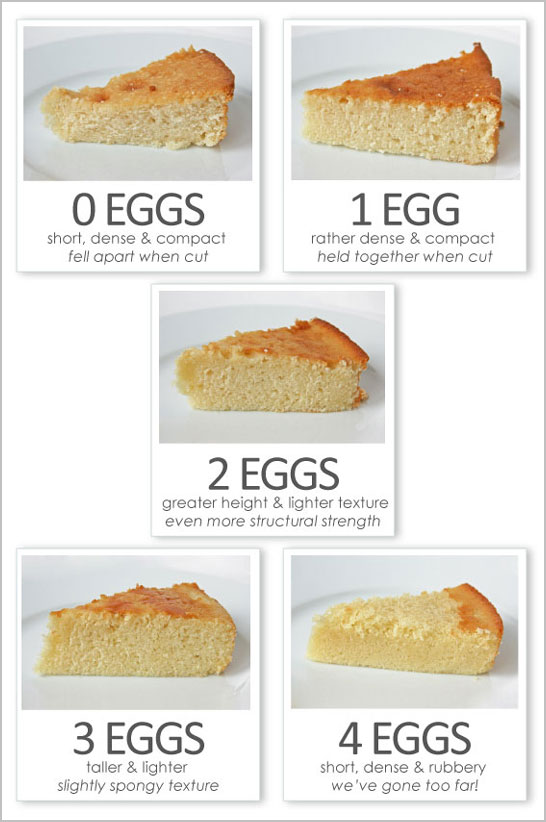
The ultimate goal of any brand, particularly in the food sector, is to build trust. Consumers return to a product because they know what to expect. By leveraging the specific functional properties of eggs—binding, emulsifying, aerating, and flavoring—manufacturers create a sensory experience that defines their brand. When the egg performs its role consistently, the brand maintains its promise to the customer. When that promise is kept repeatedly, you move from having a simple food product to having a recognizable, trusted, and scalable brand identity that can command loyalty in a crowded and competitive marketplace.
Ultimately, the egg is not just an ingredient; it is the backbone of the commercial baking industry. It facilitates the conversion of raw ingredients into a reliable, consistent, and profitable final product. Understanding its chemistry is, in essence, understanding the fundamentals of successful product development and brand sustainability.
aViewFromTheCave is a participant in the Amazon Services LLC Associates Program, an affiliate advertising program designed to provide a means for sites to earn advertising fees by advertising and linking to Amazon.com. Amazon, the Amazon logo, AmazonSupply, and the AmazonSupply logo are trademarks of Amazon.com, Inc. or its affiliates. As an Amazon Associate we earn affiliate commissions from qualifying purchases.