
In the realm of personal finance, few concepts are as fundamental yet frequently misunderstood as the vehicle lien. For the majority of consumers, purchasing a car is the second-largest financial commitment they will make, trailing only the purchase of a home. Because most individuals do not have the liquid capital to buy a vehicle outright, they rely on financing. This intersection of debt and property is where the vehicle lien resides.
A vehicle lien is a legal claim or encumbrance on a motor vehicle by a creditor (the lienholder) which serves as collateral for a debt. Until that debt is satisfied, the lienholder maintains a legal interest in the property, effectively limiting the “owner’s” ability to sell or transfer the title. Understanding the mechanics of liens is essential for maintaining a healthy financial profile, protecting your credit score, and ensuring smooth transitions during the sale or trade-in of an automotive asset.

Understanding the Mechanics of a Vehicle Lien
To grasp the financial implications of a lien, one must first understand how it functions as a security instrument. When you sign a loan agreement for a vehicle, you are essentially entering into a “secured” debt arrangement. The vehicle itself serves as the guarantee that the lender will be repaid.
How Liens Work in Auto Financing
When a bank, credit union, or online lender provides the capital for a vehicle purchase, they do not simply hand over the money on a promise. Instead, they “perfect” their interest in the vehicle by placing a lien on the title. In most jurisdictions, the physical or electronic title will list the lender as the primary lienholder. This legal status ensures that if the borrower defaults on their payments, the lender has the right to repossess the vehicle to recoup their losses. From a financial perspective, the lien acts as a risk-mitigation tool for the lender, which allows them to offer lower interest rates than they would for unsecured personal loans.
The Role of the Lienholder
The lienholder is the entity that holds the legal claim to the property. Most commonly, these are institutional lenders such as national banks (e.g., Chase, Wells Fargo) or captive finance companies (e.g., Toyota Financial Services, Ford Credit). However, lienholders can also be private individuals or businesses. The lienholder’s primary role is to monitor the status of the loan and ensure the asset is protected. This is why lienholders require specific levels of insurance coverage; they need to ensure that their collateral is protected in the event of an accident or total loss.
Perfecting the Lien: Title and Documentation
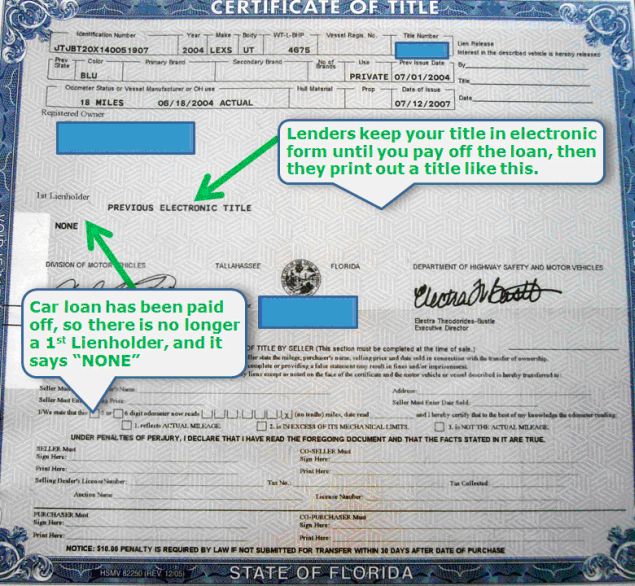
“Perfecting” a lien is the legal process of making the lien enforceable against third parties. This usually involves filing paperwork with the state’s Department of Motor Vehicles (DMV) or a similar regulatory body. Once perfected, the lien is a matter of public record. For the consumer, this means the title is “clouded.” You cannot legally transfer the title to a new owner without a “lien release,” which is only issued once the underlying debt is paid in full. This documentation is the cornerstone of the vehicle’s legal and financial identity.
The Financial Implications of a Lien on Your Personal Balance Sheet
A vehicle with a lien is not a “pure” asset; rather, it is a combination of an asset and a liability. Managing this balance is a critical component of personal wealth management and financial planning.
Asset Ownership vs. Liability
On a personal balance sheet, the vehicle’s market value is listed under assets, while the remaining loan balance is listed under liabilities. The difference between the two is your “equity.” Early in a loan term—especially with low down payments—it is common to have “negative equity,” often referred to as being “underwater” or “upside down” on the loan. A lien ensures that the lender’s liability is prioritized over your asset ownership. Until the lien is removed, you do not have full “unencumbered” ownership of the vehicle.
Impact on Credit Scores and Borrowing Power
The existence of a lien-backed loan significantly affects your credit profile. Because auto loans are secured, they contribute to your “credit mix,” which can positively impact your credit score if payments are made on time. However, the total amount of debt associated with the lien affects your debt-to-income (DTI) ratio. Lenders for other financial products, such as mortgages, will look at your monthly vehicle payment and the total lien amount to determine your capacity for additional borrowing. A high-value lien can sometimes limit your ability to secure other types of credit.
Insurance Requirements and Financial Risk
Lienholders typically mandate “full coverage” insurance, including collision and comprehensive policies. From a financial standpoint, this increases the monthly cost of ownership beyond just the loan payment. Furthermore, savvy consumers often purchase GAP (Guaranteed Asset Protection) insurance. This is a financial tool designed to cover the “gap” between what the vehicle is worth and what is owed on the lien in the event the car is totaled. Without this, a lien could leave a borrower owing thousands of dollars on a vehicle they no longer possess.
Navigating the Lifecycle of a Lien: From Issuance to Release
The lifecycle of a lien follows the lifecycle of the debt. Understanding how to transition through these stages is vital for anyone looking to sell, trade, or refinance their vehicle.
Paying Off the Loan and Obtaining a Lien Release
The most straightforward way to remove a lien is to satisfy the debt. Once the final payment is processed, the lender is legally obligated to release the lien. This is typically done by sending a “Lien Release” document to the owner or directly notifying the DMV. In many states, a new, “clear” title will then be issued in the owner’s name. It is a critical financial best practice to ensure you receive this confirmation; failing to do so can create significant hurdles years later when you attempt to sell the vehicle.
Selling or Trading a Car with an Active Lien
Selling a vehicle that has an active lien is more complex than selling one owned “free and clear.” If you trade the car into a dealership, the dealer will typically handle the payoff. They calculate the trade-in value, subtract the lien amount, and pay the lender directly. However, in a private sale, the process is trickier. The buyer must be confident that the seller will use the sale proceeds to pay off the lien so the title can be transferred. Often, these transactions take place at the lender’s local branch to ensure the money is applied correctly and the lien is released immediately.
Dealing with Refinancing and Title Transfers
Refinancing a vehicle loan involves replacing an existing lien with a new one, usually to secure a lower interest rate or better terms. During this process, the new lender pays off the original lienholder and files a new lien with the DMV. This is a strategic financial move that can improve monthly cash flow, but it requires a clear understanding of the “payoff amount,” which may include accrued interest and fees that differ from your current principal balance.
When Liens Become Legal Obstacles: Involuntary and Mechanic’s Liens
Not all liens are the result of a voluntary loan. Involuntary liens can be placed on a vehicle due to unpaid debts in other areas of life, creating significant financial and legal stress.
Tax Liens and Judgment Liens
If an individual fails to pay federal or state taxes, the government may place a tax lien on all their property, including vehicles. Similarly, if you lose a lawsuit and a court enters a judgment against you, the creditor may place a “judgment lien” on your vehicle. These liens are particularly dangerous because they can lead to the seizure of the asset regardless of whether you are current on your primary auto loan. They also severely damage your creditworthiness and are difficult to remove without full repayment or legal intervention.
Mechanic’s Liens: Protecting Small Business Interests
A “mechanic’s lien” (or artisan’s lien) occurs when a repair shop performs work on a vehicle and the owner fails to pay the bill. In many states, the repair shop has the legal right to keep the vehicle until the debt is paid. If the debt remains unpaid for a certain period, the shop can actually sell the vehicle at auction to recover the costs of parts and labor. This serves as a financial protection for small business owners in the automotive industry.
The Legal Risks of Default and Repossession
The ultimate power of a lien is the right of repossession. If a borrower fails to meet the terms of the financial agreement, the lienholder can seize the vehicle—often without a court order. From a finance perspective, repossession is a catastrophe. It results in the loss of the asset, a massive hit to the credit score, and often a “deficiency balance.” This occurs when the lender sells the repossessed car at auction for less than the lien amount, leaving the borrower still owing the difference.
Strategic Financial Planning: Managing Vehicle Debt Effectively
To manage a vehicle lien effectively, one must treat it as a component of a larger financial strategy. It is not just a monthly bill; it is a legal and financial status that requires oversight.
Strategies for Expedited Lien Removal
For those looking to improve their debt-to-income ratio, paying off a vehicle lien early can be a wise move. However, you must first check for “prepayment penalties.” While rare in modern consumer auto loans, some “subprime” lenders include fees for paying off a loan too early. If no such penalties exist, applying extra principal payments can significantly reduce the interest paid over the life of the loan and lead to an earlier lien release, providing you with full equity in the asset.
Comparing Secured vs. Unsecured Vehicle Loans
While most people use secured loans (liens), some choose to use unsecured personal loans to buy cars. In an unsecured arrangement, the lender does not place a lien on the title. The financial benefit is that you own the car outright from day one and can sell it without lender interference. The downside is that interest rates are typically much higher because the lender has no collateral. For high-net-worth individuals or those with excellent credit, evaluating the cost of the interest versus the flexibility of a clear title is a key part of sophisticated financial planning.
In conclusion, a vehicle lien is a powerful financial tool that enables millions of people to afford transportation. However, it represents a shared interest in what many consider to be personal property. By understanding how liens are perfected, maintained, and released, consumers can better navigate the complexities of automotive financing, protect their credit, and eventually achieve full, unencumbered ownership of their vehicles. Knowledge of these financial structures is the best defense against the risks of debt and the best path toward long-term financial stability.
aViewFromTheCave is a participant in the Amazon Services LLC Associates Program, an affiliate advertising program designed to provide a means for sites to earn advertising fees by advertising and linking to Amazon.com. Amazon, the Amazon logo, AmazonSupply, and the AmazonSupply logo are trademarks of Amazon.com, Inc. or its affiliates. As an Amazon Associate we earn affiliate commissions from qualifying purchases.