
In the intricate world of personal and business finance, the term “collection agency” often evokes a sense of dread or confusion. However, from a macro-financial perspective, these entities are essential components of the credit ecosystem. They serve as the bridge between lost revenue and recovered capital, ensuring that the flow of credit remains sustainable for lenders and consumers alike.
Understanding what collection agencies are, how they operate, and the legal frameworks that govern them is crucial for anyone navigating the modern financial landscape. Whether you are a business owner looking to recover unpaid invoices or an individual seeking to improve your credit standing, a deep dive into the mechanics of debt collection is an indispensable part of financial literacy.
Understanding the Role and Function of Collection Agencies
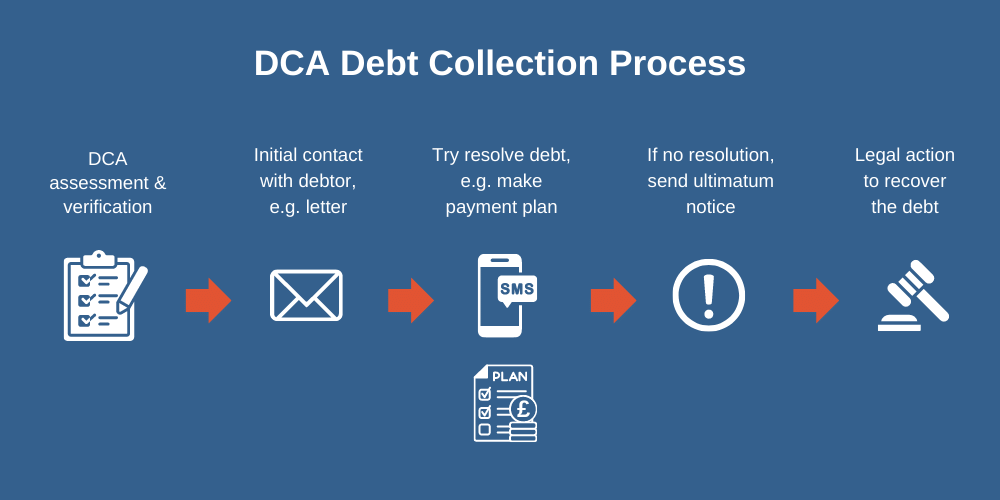
At its core, a collection agency is a specialized firm that recovers funds past due on accounts. When a borrower fails to make payments as agreed—whether on a credit card, medical bill, utility account, or personal loan—the original creditor eventually determines that the debt is unlikely to be recovered through their internal processes. At this point, the debt is moved into the realm of professional collections.
How Collection Agencies Operate
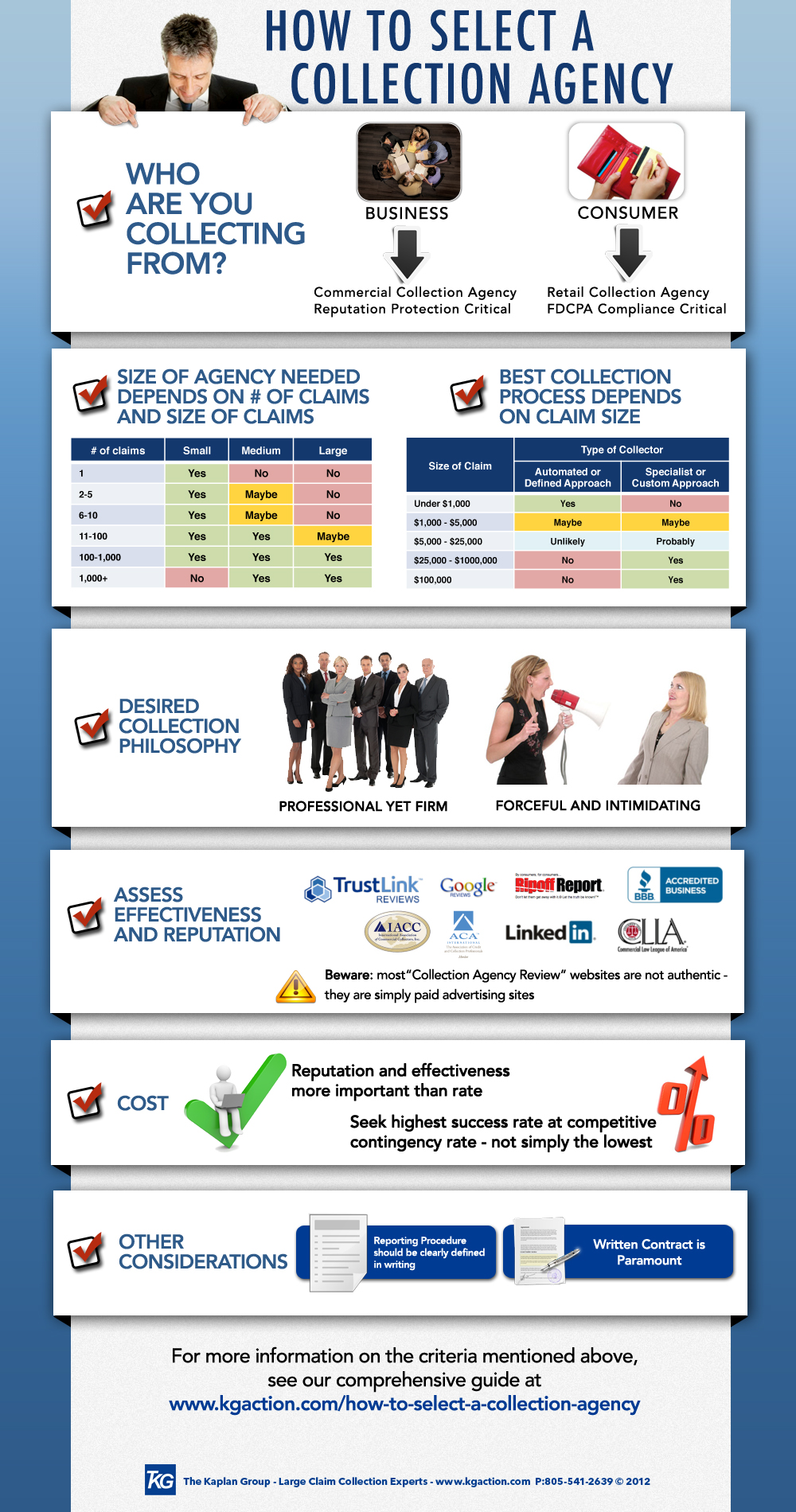
Collection agencies typically work in one of two ways. In the first model, they act as agents for the original creditor. The creditor retains ownership of the debt, but the agency handles the communication and collection efforts in exchange for a percentage of the recovered funds, known as a contingency fee. This fee can range anywhere from 20% to 50% depending on the age and type of the debt.
In the second model, the agency acts as a “debt buyer.” Here, the agency purchases the delinquent accounts from the original creditor for a fraction of their face value—often just pennies on the dollar. Once the debt is purchased, the agency owns it outright and keeps any amount it manages to collect from the debtor.
The Lifecycle of a Delinquent Debt
A debt does not move to a collection agency overnight. Generally, an account must be at least 60 to 90 days past due before a creditor considers third-party intervention. Before this happens, the creditor’s internal “accounts receivable” or “loss prevention” department will attempt to contact the borrower. Once the account is “charged off”—a tax term meaning the creditor no longer expects to be paid—it is typically sold or assigned to an agency.
Types of Debt Collection: First-Party vs. Third-Party
It is important to distinguish between first-party and third-party collectors. First-party collectors are employees of the original company (e.g., a bank’s internal collections department). They often have more flexibility to negotiate because they want to maintain the customer relationship. Third-party collectors are the external agencies hired after the internal process has failed. These agencies are strictly focused on recovery and often have no long-term interest in the consumer’s loyalty to the original brand.
The Impact on Personal Finance and Credit Scores
For an individual, the involvement of a collection agency marks a significant turning point in their financial profile. It is a signal to the broader financial market that a contractual agreement has been breached, which carries heavy weight in risk assessment.
How Collections Affect Your Credit Report
A collection account is one of the most damaging “derogatory marks” that can appear on a credit report. When a debt is moved to collections, the agency typically reports this status to the major credit bureaus (Equifax, Experian, and TransUnion). This can lead to a substantial drop in a credit score—sometimes by 50 to 100 points or more—depending on the individual’s starting score.
Because credit scores are used to determine interest rates for mortgages, auto loans, and even insurance premiums, a collection record can indirectly cost a person thousands of dollars over several years.
The Duration of Collection Records
Under the Fair Credit Reporting Act (FCRA), most collection accounts can remain on a credit report for seven years plus 180 days from the date the account first became delinquent. Even if the debt is paid in full, the fact that it went to collections remains on the record as a “paid collection.” While newer credit scoring models (like FICO 9 and VantageScore 3.0/4.0) give less weight to paid collections or ignore small medical collections, many lenders still use older models where any collection is a major red flag.
Why Ignoring Debt is Not a Strategy
A common mistake in personal finance management is the “ostrich method”—burying one’s head in the sand and ignoring collection calls. This is rarely effective. Unresolved debts can lead to lawsuits, which can result in wage garnishments or bank levies. Furthermore, as long as a debt is active and unpaid, it continues to damage your “debt-to-income” ratio and your overall creditworthiness, making it nearly impossible to secure competitive financing for major life purchases.
Legal Rights and the Fair Debt Collection Practices Act (FDCPA)

While collection agencies have a legal right to pursue owed funds, they do not have a license to harass or deceive. In the United States, the Fair Debt Collection Practices Act (FDCPA) is the primary federal law that protects consumers from abusive debt collection practices.
Consumer Protections Under the FDCPA
The FDCPA sets strict boundaries on how and when collectors can contact you. For instance, collectors are generally prohibited from:
-
Calling before 8:00 AM or after 9:00 PM local time.
-
Contacting you at work if they are told your employer prohibits such calls.
-
Using profane or abusive language.
-
Threatening violence or illegal actions (such as saying they will have you arrested, as debt is a civil matter, not a criminal one).
-
Misrepresenting the amount you owe.
Prohibited Actions and Harassment
One of the most significant protections is the right to stop communication. A consumer can send a “cease and desist” letter to a collection agency, after which the agency may only contact the consumer to confirm that they will stop calling or to notify them of a specific legal action (like a lawsuit). While this doesn’t erase the debt, it provides mental peace and forces the agency to either sue or move on.
How to Dispute a Debt
Within five days of their first contact, a collection agency must send a written “validation notice” telling you how much you owe and the name of the creditor. You have 30 days to dispute the debt in writing. If you dispute it, the agency must stop collection efforts until they provide verification of the debt. This is a critical tool for consumers who are being targeted for “zombie debts” (debts that are past the statute of limitations) or debts that resulted from identity theft.
Strategies for Managing and Resolving Debts in Collection
Resolving a debt in collections requires a strategic approach that balances your current financial liquidity with the goal of long-term credit repair.
Negotiating Settlements
Because many agencies purchase debt for a fraction of its value, they are often willing to settle for less than the full amount. A successful negotiation starts with knowing what you can afford to pay in a single lump sum. Offering 30% to 50% of the balance is a common starting point for negotiations. If an agreement is reached, it is imperative to get the settlement offer in writing before sending any money.
Pay-for-Delete Agreements: Myth vs. Reality
A “pay-for-delete” is a negotiation where the debtor agrees to pay the amount if the agency agrees to remove the collection entry from the credit report entirely. While this is the “holy grail” of debt resolution, it is controversial. Many credit bureaus discourage this practice as it compromises the accuracy of credit histories. However, some smaller agencies may still agree to it. It is important to note that even if they don’t delete the entry, a “satisfied” or “paid” status is always better than an “unpaid” status when a manual review of your credit is performed by a lender.
Debt Validation Letters
Before paying a single cent, a savvy consumer should always send a debt validation letter. This forces the agency to prove they have the legal right to collect that specific debt. If the agency cannot provide the original contract or proof of the balance, they may be legally required to stop collection efforts and remove the entry from your credit report.
The Business Side of Debt Collection
To understand the money niche fully, one must also look at collection agencies as business entities. The debt collection industry is a multi-billion dollar sector that plays a vital role in the economy by returning liquidity to businesses.
Revenue Models and Commission Structures
For a business owner, hiring a collection agency is a strategic move to improve cash flow. Small businesses often struggle with “bad debt”—money owed by customers that will likely never be paid. By outsourcing this to an agency, the business can focus on its core operations while the agency uses its specialized tools (like “skip tracing” to find people who have moved) to recover the funds.
The Future of the Industry: Technology and Regulation
The industry is currently undergoing a massive shift. Digital transformation is replacing the traditional “phone-call-heavy” model with AI-driven emails, texts, and portals that allow debtors to set up payment plans without ever speaking to a human. This reduces the friction and the “shame factor” often associated with debt, often leading to higher recovery rates.
Furthermore, new regulations from the Consumer Financial Protection Bureau (CFPB), such as Regulation F, have updated the FDCPA for the digital age, clarifying how collectors can use social media and text messaging. This ensures the industry stays profitable while maintaining the ethical standards required in modern finance.
Conclusion
Collection agencies are often viewed as the “villains” of the financial world, but in reality, they are a necessary mechanism for maintaining the integrity of credit markets. By understanding the business models of these agencies, the legal protections available to consumers, and the tactical ways to resolve outstanding balances, individuals and businesses can better manage their financial health.
Navigating collections is not just about paying off a bill; it is about protecting your financial reputation, understanding your legal rights, and making informed decisions that will impact your ability to build wealth and access credit for years to come. In the world of money, knowledge is the most effective tool for turning a financial setback into a foundation for future stability.
aViewFromTheCave is a participant in the Amazon Services LLC Associates Program, an affiliate advertising program designed to provide a means for sites to earn advertising fees by advertising and linking to Amazon.com. Amazon, the Amazon logo, AmazonSupply, and the AmazonSupply logo are trademarks of Amazon.com, Inc. or its affiliates. As an Amazon Associate we earn affiliate commissions from qualifying purchases.