
An English basement, an architectural feature often found in older urban homes, represents far more than just a lower level. For homeowners and shrewd investors alike, it can be a significant financial asset, offering pathways to increased property value, a steady stream of income, and innovative financial leveraging. Understanding the nuances of an English basement – from its unique characteristics to its associated costs and income-generating potential – is crucial for anyone looking to maximize their real estate investment.
In an increasingly competitive housing market, where every square foot counts, an English basement can be a hidden gem. It offers versatility that traditional basements or garden apartments often lack, presenting unique opportunities for rental income, dedicated workspaces, or simply enhanced living space that boosts a property’s overall market appeal and value. This exploration delves into the financial implications of owning, developing, and leveraging an English basement, providing a comprehensive guide to understanding its economic power.

Defining the English Basement: More Than Just a Level Below
To truly appreciate the financial implications of an English basement, one must first understand its architectural distinctiveness. Unlike a typical subterranean cellar or a fully above-ground unit, an English basement occupies a unique space, offering a blend of privacy and accessibility that underpins its financial value.
Architectural Characteristics and Market Appeal
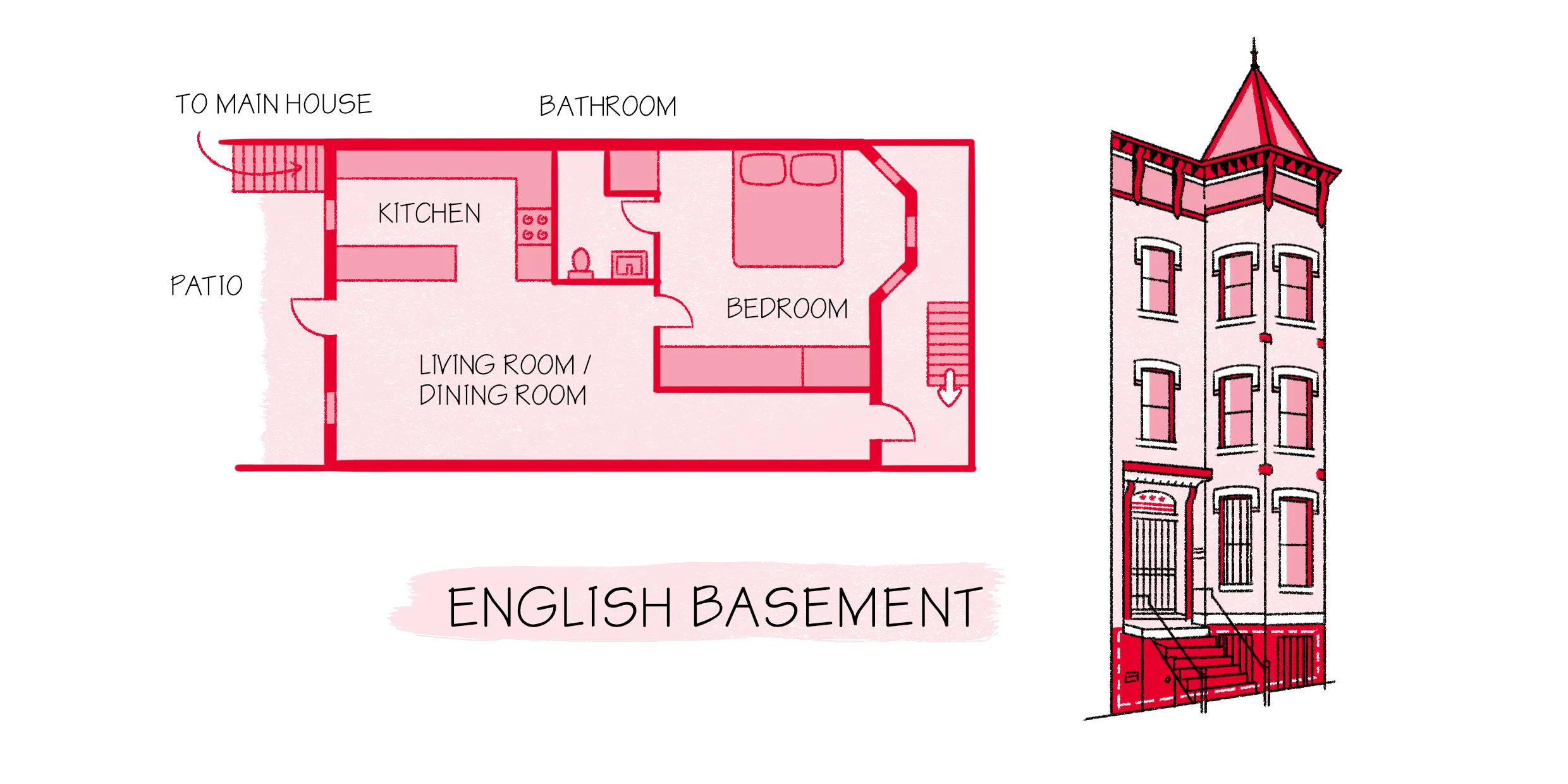
An English basement is characterized by being partially below ground level, typically with at least half of its height above grade, allowing for larger windows and more natural light than a standard basement. This crucial difference transforms it from a dark, utilitarian space into a habitable, desirable living area. Its entrance is often at or slightly above sidewalk level, frequently through a dedicated external door, offering a sense of independence from the main residence.
From a financial perspective, these characteristics are paramount. Natural light and direct access significantly enhance a unit’s market appeal, whether for rental purposes or as part of a larger single-family home. Buyers and renters are willing to pay a premium for bright, accessible spaces, directly impacting potential rental yields and property valuation. The sense of a distinct, self-contained unit also adds to its allure, making it attractive for multi-generational living arrangements or as a standalone rental.
Differentiating from Cellars and Garden Apartments
Distinguishing an English basement from other lower-level units is essential for assessing its financial potential. A traditional cellar is almost entirely below grade, with minimal windows and primarily used for storage, utilities, or recreation. Its financial value is often limited to contributing to the property’s overall footprint, but rarely as an independent income-generating unit due to light and egress limitations. Converting a cellar to a habitable space is usually very costly and often restricted by building codes.
A garden apartment, on the other hand, is typically a ground-floor unit in a multi-story building, with its floor level at or slightly below garden level, often with windows facing a rear yard. While it offers good light and access, it might not always have the same street-level presence or distinct architectural charm as an English basement.
The English basement strikes a balance: it offers the relative privacy and lower-level aesthetic of a basement but with the critical advantage of ample natural light and often a private entrance, positioning it financially above a cellar and often on par with or superior to a garden apartment in terms of desirability and potential income. This hybrid nature often makes it a more cost-effective conversion option than a full cellar, with a higher potential return on investment.
Geographic Prevalence and Market Value Drivers
English basements are most commonly found in older urban centers, particularly in cities with historic rowhouses or brownstones built during eras when such architectural styles were popular. Cities like Washington D.C., Boston, New York, and London are prime examples where English basements are prevalent. Their existence in these high-demand urban markets automatically imbues them with significant financial value.
The market value of an English basement is driven by several factors:
-
Location: As with all real estate, prime urban locations amplify its value.
-
Condition and Finish: A well-maintained, modernly finished English basement fetches a higher price or rental income.
-
Legal Compliance: The ability to legally rent or use the space (e.g., proper egress, zoning compliance) is critical for unlocking its full financial potential.
-
Amenities: Features like in-unit laundry, modern kitchens, and dedicated outdoor space can significantly boost its financial appeal.
Understanding these foundational aspects helps set the stage for exploring the direct financial benefits and considerations associated with an English basement.
Investment Prospects: The English Basement as an Asset
For homeowners and real estate investors, an English basement isn’t merely a structural component; it’s a tangible asset capable of generating significant financial returns. Its versatility opens doors to various income streams and contributes meaningfully to overall property appreciation.
Rental Income Generation: A Steady Stream
One of the most compelling financial benefits of an English basement is its potential for generating rental income. By converting or utilizing an existing English basement as a separate dwelling unit, property owners can tap into a consistent revenue stream. This income can offset mortgage payments, cover property taxes, or contribute to personal savings.
-
Long-Term Rentals: A finished English basement, especially one with a separate entrance, kitchen, and bathroom, can be rented out as an independent apartment. This provides stable, recurring income and can significantly improve the property’s cash flow. The demand for smaller, more affordable urban units makes English basements particularly attractive to students, young professionals, or single occupants.
-
Short-Term Stays: In tourist-heavy areas or cities with high demand for temporary accommodation, English basements can be listed on platforms like Airbnb or VRBO. While this typically involves more active management, it often commands higher nightly rates, potentially yielding greater overall income, especially during peak seasons.
The ability to generate rental income transforms a property from a pure expense into a revenue-generating asset, a fundamental principle of sound financial planning and real estate investment.
Property Value Appreciation: Adding Equity
Beyond immediate rental income, an English basement significantly contributes to the overall appreciation and equity of a property. Adding a legally habitable and appealing dwelling unit to a home increases its total usable square footage and functionality, which are key drivers of market value.
-
Increased Livable Space: A well-designed English basement expands a home’s footprint, making it more attractive to a wider range of buyers, from families needing extra room to individuals looking for income potential. More livable square footage almost always translates to higher property valuations.
-
Versatility and Appeal: The ability to offer a separate guest suite, a home office, an in-law apartment, or a rental unit makes a property stand out. This versatility is a strong selling point that can command a higher asking price when the time comes to sell. Buyers are often willing to pay more for homes that offer income potential or flexible living arrangements.
-
Future Growth: Properties with income-generating units often see accelerated equity growth, as their value is bolstered by both market appreciation and the inherent value of the additional income stream they provide.
Investing in an English basement’s development is often a strategic move to build long-term wealth through real estate.
Renovation ROI: Strategic Upgrades for Maximum Return
To maximize the financial return from an English basement, strategic renovation is key. Not all upgrades offer the same return on investment (ROI), so it’s crucial to prioritize improvements that enhance desirability and functionality.
-
Essential Foundations: Focus first on structural integrity, waterproofing, and ensuring proper egress. These are non-negotiable for habitability and legal compliance, forming the baseline for any financial return. While not glamorous, they prevent costly issues down the line and are prerequisites for obtaining permits for living spaces.
-
High-Impact Finishes: Investing in quality, durable finishes for kitchens and bathrooms yields significant returns. Modern fixtures, efficient appliances, and attractive countertops can dramatically increase a unit’s appeal and, consequently, its rental value or sale price.
-
Energy Efficiency: Upgrades such as improved insulation, energy-efficient windows, and HVAC systems reduce utility costs, making the unit more attractive to renters and increasing its long-term financial viability. Lower operating costs translate directly to higher net income.
-
Separate Utility Metering: Where feasible, installing separate utility meters for the English basement allows for accurate billing of tenants, simplifying financial management and making the unit truly independent financially.
A well-planned renovation can transform a dormant space into a highly profitable asset, demonstrating a clear path from initial investment to substantial financial gain.
Navigating the Financial Landscape: Costs and Considerations
While the financial potential of an English basement is clear, realizing that potential requires a thorough understanding of the associated costs and financial considerations. From initial acquisition to ongoing maintenance, prudent financial planning is essential.
Initial Investment and Acquisition Costs
The initial financial outlay for an English basement can vary significantly, depending on whether one is purchasing a property with an existing, finished English basement or buying a property with a raw space intended for conversion.
-
Purchase Price Premium: Properties featuring a legal, income-generating English basement typically command a higher purchase price than comparable homes without one. This premium reflects the added value and income potential. Investors must weigh this higher upfront cost against the projected rental income and future appreciation.
-
Conversion Costs: For properties with an unfinished English basement, the primary initial investment will be the cost of renovation. This can range from tens of thousands to well over a hundred thousand dollars, depending on the scope of work, local labor costs, and the desired level of finish. Factors like excavation for larger windows, underpinning foundations, and installing new utility lines can be particularly expensive.
-
Closing Costs and Fees: Standard real estate transaction costs, including legal fees, land transfer taxes, appraisals, and financing fees, apply to the overall property purchase. When considering a property with an English basement, these fees are generally higher due to the increased property value.
A comprehensive financial analysis, including detailed cost estimates and projected returns, is critical before committing to an English basement investment.
Renovation Budgets: Estimating Key Expenses
Creating an accurate renovation budget is perhaps the most critical step in realizing an English basement’s financial potential without overspending. Key expense categories include:
-
Structural and Exterior Work: This includes waterproofing (critical for a basement unit), potential underpinning for increased ceiling height, foundation repairs, and creating or improving egress points (e.g., adding an exterior stairwell, larger window wells). These are often the most expensive items but are non-negotiable for habitability and longevity.
-
Plumbing and Electrical: Installation of new plumbing lines for kitchens and bathrooms, as well as upgrading electrical panels and wiring to support a separate unit, are significant costs. These systems must meet current building codes, which can be stringent for basement dwellings.
-
HVAC Systems: Adequate heating, ventilation, and air conditioning are essential. This might involve extending existing systems or installing a separate HVAC unit for independent climate control, impacting energy efficiency and tenant comfort.
-
Interior Finishes: This category encompasses drywall, flooring, kitchen cabinets, countertops, appliances, bathroom fixtures, painting, and trim. While these are “visible” costs, they dramatically impact the unit’s appeal and rental value. Budgeting for durable, attractive materials can pay off in higher rental yields and fewer maintenance issues.
-
Permits and Professional Fees: Don’t overlook the costs of building permits, architectural drawings, engineering assessments, and general contractor fees. These are mandatory and ensure the renovation is compliant and structurally sound.
It’s advisable to add a contingency fund (typically 10-20% of the total budget) for unforeseen issues, which are common in basement renovations.
Ongoing Maintenance and Operational Costs
Once an English basement is established, whether as part of your home or a rental unit, ongoing financial responsibilities continue.
-
Utilities: Even with separate metering, common area utilities (if applicable), and maintenance of shared systems can be a cost. For rental units, whether utilities are included in rent or billed separately affects cash flow.
-
Property Taxes: An improved property with a legal English basement will likely see an increase in its assessed value, leading to higher property taxes. This is a direct financial consequence of increasing the property’s overall worth.
-
Insurance: Homeowner’s insurance policies may need to be updated to reflect the increased value and, crucially, to cover a rental unit if applicable. Specific landlord policies or increased liability coverage might be necessary to protect against tenant-related risks.
-
Maintenance and Repairs: All properties require ongoing maintenance. For a basement unit, this might include periodic waterproofing checks, sump pump maintenance, and general wear and tear repairs. Budgeting for these helps preserve the asset’s value and prevents larger, more costly issues.
-
Property Management Fees: If the English basement is rented out, and the owner prefers a hands-off approach, property management fees (typically 8-12% of gross rental income) will be an ongoing operational cost.
Careful budgeting for these ongoing expenses ensures the English basement remains a profitable and sustainable investment over the long term.
Beyond Traditional Use: Innovative Income Streams
The financial versatility of an English basement extends beyond conventional rental models. With creative thinking and strategic planning, it can be leveraged for a variety of innovative income streams, further enhancing a property’s overall economic contribution.
Home Office or Small Business Space: Monetizing Your Property
In the age of remote work and entrepreneurship, an English basement can be transformed into a dedicated professional space, offering both utility and potential financial benefits.
-
Dedicated Workspace: For self-employed individuals or those working from home, a separate English basement unit can serve as an ideal, distraction-free home office. The financial benefit here comes in the form of tax deductions for home office expenses, reducing taxable income.
-
Small Business Operations: Depending on local zoning, an English basement could house a small, client-facing business such as a consultancy, an art studio, a tutoring center, or a wellness practice. This allows homeowners to run a business from their property, potentially reducing commercial rent expenses and providing a convenient location. The income generated directly from the business operations housed in the basement contributes to the overall financial performance of the property.
-
Leasing to Other Businesses: If the homeowner doesn’t require the space for their own business, they might lease it to another small business or professional for a specific use, generating commercial rental income which can often be higher than residential rates, provided zoning permits.
This approach transforms the English basement into a productive asset that supports entrepreneurial endeavors, offering a direct financial return through business income or indirect benefits via tax savings.
Short-Term Rentals and Vacation Stays: Maximizing Seasonal Demand
While long-term rentals offer stability, short-term rentals can provide significantly higher income, particularly in desirable locations or during peak seasons.
-
High Income Potential: Platforms like Airbnb or Booking.com allow property owners to rent out their English basement on a nightly or weekly basis. In popular tourist destinations, event cities, or areas close to major attractions, nightly rates can be substantially higher than the pro-rated daily equivalent of a long-term rental.
-
Flexibility for Owner Use: This model also offers flexibility. Owners can block off dates for personal use by friends or family, or during periods when they prefer not to have renters, making it a versatile financial tool.
-
Targeting Niche Markets: English basements can appeal to specific short-term markets, such as business travelers seeking a private workspace, or visitors looking for an authentic local experience over a hotel stay. This allows for premium pricing in targeted niches.
However, this strategy often requires more active management, including cleaning, guest communication, and addressing immediate needs, which can be outsourced to a property manager for a fee, impacting net income.
Creative Financial Leveraging: HELOCs and Refinancing
The increased value and income potential generated by a well-appointed English basement can be leveraged through various financial instruments to achieve further financial goals.
-
Home Equity Line of Credit (HELOC): As the value of the property increases due to the English basement, homeowners gain more equity. A HELOC allows access to this equity, providing a flexible line of credit that can be used for further home improvements, education, debt consolidation, or other investments, often at lower interest rates than unsecured loans.
-
Cash-Out Refinance: A cash-out refinance allows homeowners to replace their existing mortgage with a new, larger one, taking the difference in cash. This can be a strategic move after a significant renovation of an English basement has substantially increased the home’s appraisal value, providing capital for other ventures or investments.
-
Investment Property Financing: For those acquiring a property specifically for its English basement’s rental potential, the projected rental income can strengthen loan applications, making it easier to qualify for investment property mortgages or achieve more favorable terms. Lenders often consider future rental income when assessing affordability.
By strategically leveraging the enhanced financial profile of a property with an English basement, owners can unlock additional capital, expand their investment portfolio, or fund other significant life events, truly integrating the basement into a broader financial strategy.
Risk Mitigation and Regulatory Compliance for Financial Success
While the financial rewards of an English basement can be substantial, navigating the regulatory landscape and mitigating potential risks is paramount to ensuring long-term financial success and avoiding costly pitfalls. Adhering to local laws and securing appropriate protections safeguards the investment.
Understanding Local Zoning and Rental Laws
One of the most critical steps in leveraging an English basement financially is to ensure full compliance with local zoning ordinances and rental housing laws. Failure to do so can result in hefty fines, legal challenges, and the inability to legally rent out the unit.
-
Zoning Restrictions: Many municipalities have specific zoning requirements regarding accessory dwelling units (ADUs) or secondary suites. These can dictate minimum lot sizes, parking requirements, occupancy limits, and whether a separate unit is even permitted in certain residential zones. Some areas may require special permits or variances.
-
Building Codes: Renovation or conversion of an English basement must meet current building codes, particularly concerning safety. This includes requirements for ceiling height, egress windows or doors (ensuring emergency exits), ventilation, fire separation, and electrical and plumbing standards. Non-compliance can lead to a “red tag” or forced remediation.
-
Rental Licensing: Many cities require landlords to obtain a rental license for each rental unit. This often involves inspections to ensure the property meets health and safety standards. Operating an unlicensed rental unit can lead to fines and legal complications, including the inability to evict tenants or enforce lease agreements.
-
Tenant-Landlord Law: Understanding local tenant-landlord laws is crucial for managing a rental unit. These laws govern lease agreements, security deposits, eviction procedures, habitability standards, and fair housing practices. Ignorance of these laws can lead to expensive legal disputes.
Thorough research and, where necessary, consultation with local planning departments or legal counsel specializing in real estate law are essential before making any significant financial commitments.
Insurance Considerations: Protecting Your Investment
Standard homeowner’s insurance policies are typically designed for single-family residences occupied by the owner. When an English basement is converted into a rental unit or commercial space, the insurance needs change significantly.
-
Landlord Insurance: If the English basement is rented out, a landlord insurance policy (also known as a dwelling fire policy) is usually required. This provides coverage for property damage to the structure, but crucially, it also includes liability coverage for incidents occurring on the rental portion of the property. This protects the owner from potential lawsuits arising from tenant injuries or property damage.
-
Increased Liability: Having tenants significantly increases liability exposure. Enhanced liability coverage is critical to protect against claims related to accidents, injuries, or property damage sustained by tenants or their guests.
-
Loss of Rental Income: Many landlord policies offer “loss of rental income” coverage, which compensates the owner for lost rent if the property becomes uninhabitable due to a covered peril (e.g., fire, flood). This protects the income stream that the English basement provides.
-
Flood Insurance: Given that English basements are partially below ground, flood insurance (often separate from standard homeowner’s policies) should be seriously considered, especially in flood-prone areas. Water damage can be incredibly costly to repair and can severely impact the financial viability of the unit.
Working with an insurance broker to assess specific risks and ensure adequate coverage is a non-negotiable step in safeguarding the financial investment in an English basement.

Tax Implications of Income-Generating Units
Generating income from an English basement brings specific tax responsibilities and potential benefits that astute owners must understand.
-
Reporting Rental Income: All rental income generated from the English basement must be reported to the relevant tax authorities. This income is generally subject to income tax.
-
Deductible Expenses: The good news is that many expenses associated with owning and operating a rental unit are tax-deductible. These can include:
-
Mortgage interest (for the portion of the loan attributable to the rental unit)
-
Property taxes (again, the portion attributable to the rental unit)
-
Insurance premiums
-
Utilities (if paid by the landlord)
-
Maintenance and repair costs
-
Depreciation of the structure and improvements
-
Property management fees
-
Advertising costs for tenants
These deductions can significantly reduce the net taxable rental income, improving overall profitability.
-
-
Capital Gains: When the property is eventually sold, any profit from the sale may be subject to capital gains tax. If the English basement has been used as a rental, specific rules may apply to how the gain is calculated, especially concerning depreciation recapture.
-
State and Local Taxes: Beyond federal income tax, state and local taxes, such as occupancy taxes for short-term rentals, may apply.
Consulting with a qualified tax professional is highly recommended to ensure compliance, maximize deductions, and develop a sound tax strategy for the income generated by an English basement. This proactive approach ensures that the financial benefits are fully realized without unexpected tax liabilities.
In conclusion, an English basement is far more than an architectural curiosity; it is a versatile financial instrument. By understanding its unique characteristics, carefully planning investments and renovations, exploring diverse income streams, and diligently managing risks and compliance, homeowners and investors can unlock significant financial potential, transforming a distinct architectural feature into a powerful economic asset.
aViewFromTheCave is a participant in the Amazon Services LLC Associates Program, an affiliate advertising program designed to provide a means for sites to earn advertising fees by advertising and linking to Amazon.com. Amazon, the Amazon logo, AmazonSupply, and the AmazonSupply logo are trademarks of Amazon.com, Inc. or its affiliates. As an Amazon Associate we earn affiliate commissions from qualifying purchases.