
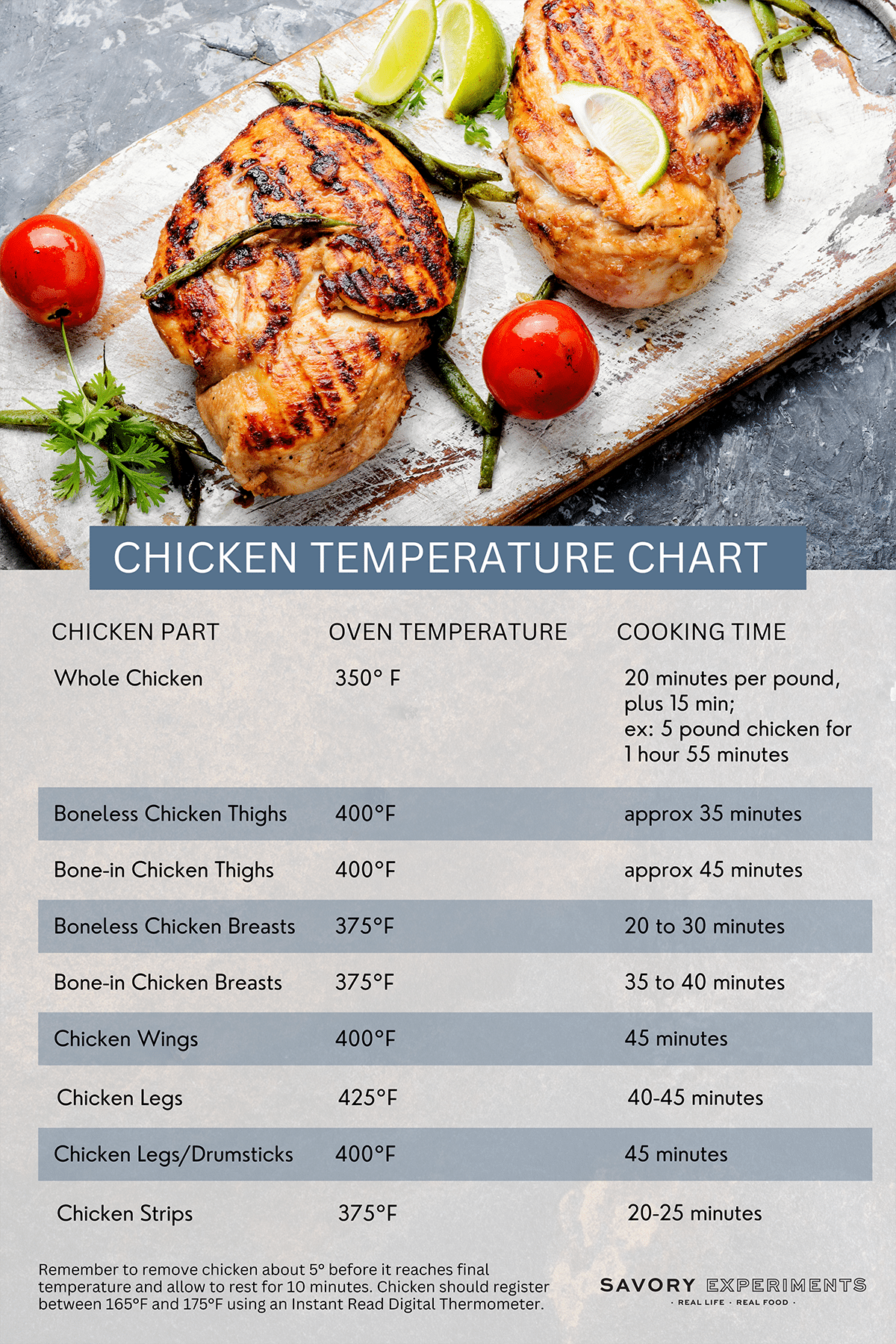
In the contemporary culinary landscape, the question “what temp is chicken legs done” has migrated from the realm of grandmotherly intuition into the domain of high-precision thermal engineering and data-driven technology. While the traditional answer—165°F (74°C)—remains the baseline for safety, the integration of Internet of Things (IoT) sensors, cloud-based predictive algorithms, and advanced metallurgy has redefined how we achieve the perfect dark meat texture.
For the modern tech enthusiast, cooking a chicken leg is no longer a matter of “poking it with a fork.” It is an exercise in managing heat transfer, monitoring real-time data streams, and understanding the digital thresholds that separate a culinary success from a biological hazard.
The Evolution of Thermal Precision: Moving Beyond Analog Guesswork
For decades, domestic cooking relied on bimetallic coil thermometers—analog devices that were often inaccurate and required frequent calibration. In the digital age, the “done” temperature of chicken legs is monitored by sophisticated hardware that mirrors the technology used in laboratory environments.
The Rise of the Thermocouple
The shift toward precision began with the widespread adoption of the thermocouple. Unlike the slow response times of analog thermometers, a Type K thermocouple uses two different conductors that produce a voltage proportional to a temperature difference. This allows for “instant-read” capabilities, providing a digital readout in less than two seconds. For a complex cut like the chicken leg—where bone density and fat distribution create uneven heat pockets—this micro-precision is essential for identifying the exact moment the meat reaches its safety and quality threshold.
Digital Signal Processing in the Kitchen
Modern digital thermometers do more than just read temperature; they utilize Digital Signal Processing (DSP) to filter out environmental noise. When measuring the temperature of chicken legs in a high-heat environment like an air fryer or a convection oven, ambient heat can interfere with the sensor. Modern tech-driven probes use algorithms to stabilize the reading, ensuring that the 165°F displayed on the screen is the actual internal temperature of the protein, not a reflection of the surrounding air.
Hardware Innovation: Smart Probes and IoT Integration
The most significant leap in answering “what temp is chicken legs done” has been the move toward wireless, “leave-in” smart probes. These devices represent the pinnacle of current kitchen tech, turning a simple piece of poultry into a node on a home network.
The Engineering of Wireless Probes
Wireless probes, such as those developed by companies like Meater or Chef iQ, face a significant engineering challenge: electronics do not typically survive 450°F ovens. These devices utilize advanced ceramic shielding and high-temperature-resistant batteries to transmit data via Bluetooth or Wi-Fi from inside the meat. This hardware allows for a continuous data stream, mapping the “heat curve” of the chicken leg from the moment it hits the heat until it reaches its target temperature.
IoT Ecosystems and Cloud Monitoring
By connecting a meat probe to a local Wi-Fi network, the “doneness” of a chicken leg becomes a mobile notification. This IoT integration allows the user to monitor thermal progress via a smartphone app. These apps provide a visual representation of the cooking process, showing the rate of temperature rise and the estimated time of completion. This is not just convenience; it is a data-driven approach to time management in the kitchen, allowing the chef to synchronize side dishes based on the real-time telemetry of the chicken.
The Software of Savor: AI-Driven Cooking Algorithms
Identifying the “done” temperature is only half the battle. The real technological challenge is “carryover cooking”—the phenomenon where the internal temperature continues to rise after the meat is removed from the heat source.

Predictive Modeling and “Time-to-Done”
The latest generation of smart kitchen apps uses machine learning algorithms to predict exactly when to remove chicken legs from the heat. By analyzing the slope of the temperature increase, the software can estimate that if you want a final temperature of 175°F (the preferred texture for dark meat), you must remove it at 169°F. These predictive models account for the mass of the chicken, the ambient temperature of the oven, and the heat retention properties of the meat.
Algorithmic Texture Optimization
While 165°F is the “safe” temperature, data suggests that chicken legs (thighs and drumsticks) benefit from higher temperatures to break down collagen. Tech-forward cooking platforms now offer “algorithmic profiles” for different results. A “Fall-off-the-bone” setting might program the software to target 185°F, while a “Juicy and Firm” setting targets 170°F. The software manages these variables, ensuring that the user doesn’t just reach a “safe” temp, but an “optimal” one.
Food Safety vs. Culinary Excellence: The Digital Threshold
In the world of food tech, the “done” temperature is a balance between microbiology and gastronomy. The USDA’s 165°F standard is a “7-log10 lethality” threshold, meaning it reduces the population of Salmonella by 99.99999%. However, technology allows us to look closer at the “Time + Temp” curve.
The Pasteurization Curve Data
Safety is not just about a single number; it is about the duration of heat exposure. Advanced cooking software now utilizes the pasteurization curve to provide more flexibility. For instance, chicken legs held at 150°F for 52 minutes are just as safe as chicken legs that hit 165°F for one second. High-end sous-vide technology—essentially a computer-controlled water bath—uses this data to cook chicken legs to lower temperatures, resulting in a texture that was historically impossible to achieve safely in a home kitchen.
Thermal Equilibrium and Consistency
In a professional tech-driven kitchen, the goal is thermal equilibrium. This is the state where the temperature is uniform throughout the entire cut of meat. Utilizing precision sensors helps identify “cold spots” near the bone of the chicken leg. By leveraging multi-sensor probes (probes that have 3 to 5 sensors along a single needle), the software can identify the lowest temperature point in the meat, ensuring that every square millimeter has reached the required digital threshold for safety.
The Future of Domestic Kitchen Tech: Automation and Predictive Modeling
As we look toward the next decade, the question of “what temp is chicken legs done” will likely be answered by fully autonomous systems. We are moving away from manual monitoring toward a “set and forget” infrastructure.
The Integration of Computer Vision
The next frontier in kitchen tech is the integration of AI-powered computer vision. Smart ovens equipped with internal cameras can now recognize a chicken leg based on its shape and surface texture. By combining visual data (the browning or “Maillard reaction” on the skin) with internal thermal data from a probe, the oven’s central processing unit can adjust the heat distribution in real-time. If the skin is browning too fast but the internal temp is only 130°F, the system will automatically lower the intensity and increase the humidity.
Robotic Precision and the Democratization of Technique
We are seeing the rise of robotic cooking arms and automated flipping mechanisms that ensure even heat distribution. These machines rely on high-frequency sensors to determine “doneness.” This democratization of technology means that a novice cook can achieve the same precision as a Michelin-starred chef by simply following the data. The “done” temperature becomes a software preset, refined by thousands of previous data points shared across the cloud from users worldwide.
Conclusion: The Data-Driven Kitchen
The quest to determine “what temp is chicken legs done” serves as a perfect microcosm for the broader digital transformation of our daily lives. We have moved from a period of subjective judgment into an era of objective data. Through the use of thermocouples, IoT connectivity, and predictive AI, we have eliminated the margin of error in poultry preparation.
Whether you are aiming for the safety of 165°F or the culinary sweet spot of 175°F, the technology in your kitchen is now the primary driver of success. In the intersection of hardware and hunger, the modern kitchen has become a laboratory where every meal is a successful experiment in thermal dynamics. The future of cooking is not just in the ingredients, but in the silicon and sensors that ensure those ingredients are executed to perfection.
aViewFromTheCave is a participant in the Amazon Services LLC Associates Program, an affiliate advertising program designed to provide a means for sites to earn advertising fees by advertising and linking to Amazon.com. Amazon, the Amazon logo, AmazonSupply, and the AmazonSupply logo are trademarks of Amazon.com, Inc. or its affiliates. As an Amazon Associate we earn affiliate commissions from qualifying purchases.