
In the traditional sense, a pilgrimage is a journey, often into an unknown or foreign place, where a person goes in search of new or expanded meaning about their self, others, nature, or a higher good through the experience. However, in the contemporary landscape of high-level marketing and corporate identity, “pilgrimage” has taken on a profound new meaning. In the context of brand strategy, a pilgrimage represents the ultimate stage of consumer engagement: the transition from a customer who simply buys a product to a devotee who seeks out the brand as a core component of their identity.
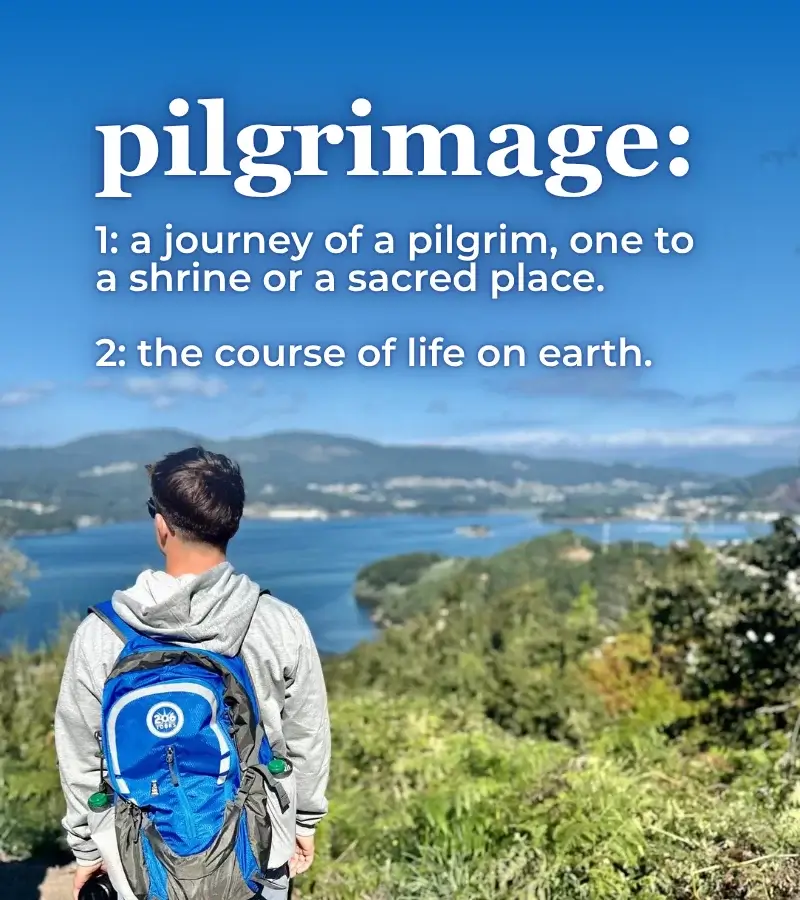
When we ask “What’s pilgrimage?” in a professional branding context, we are investigating the strategic architecture that transforms a storefront into a shrine and a product into a symbol of belonging. It is the pinnacle of brand equity, where the physical journey to a flagship store or a digital deep-dive into a community becomes a transformative experience for the consumer.
Defining the Brand Pilgrimage in the Modern Marketplace
To understand the brand pilgrimage, we must first distinguish it from standard brand loyalty. Loyalty is often transactional—a customer returns because the price is right or the service is reliable. A pilgrimage, however, is emotional and identity-driven. It occurs when a brand successfully aligns its core values with the personal aspirations of its audience.
From Transaction to Experience
The shift from a transactional economy to an experience economy has paved the way for brand pilgrimages. Today’s consumers, particularly Millennials and Gen Z, prioritize experiences over possessions. For a brand to trigger a “pilgrimage,” it must offer more than utility. It must offer a narrative. When a consumer travels hundreds of miles to visit the Apple Park Visitor Center in Cupertino or the Guinness Storehouse in Dublin, they aren’t just looking for a phone or a pint; they are seeking to immerse themselves in the origin story of a brand they admire. This journey validates their choice and strengthens their emotional bond with the company.
The Sacred Spaces of Commerce
In brand strategy, the physical location becomes the “temple” of the brand. These are often referred to as flagship stores, but in a pilgrimage model, they serve a higher purpose. These spaces are designed to be immersive environments that communicate the brand’s DNA through architecture, sensory engagement, and exclusive access. The design is intentional, aiming to evoke awe and a sense of belonging. Whether it is the sleek, minimalist aesthetics of a Leica boutique or the rugged, community-focused atmosphere of a CrossFit affiliate, these spaces act as physical anchors for the brand’s mythology.
The Architecture of a Pilgrimage-Worthy Brand
Creating a brand that inspires a pilgrimage does not happen by accident. It requires a meticulous strategy that blends storytelling, community building, and psychological resonance. Strategic branding experts look at several “pillars” to build this level of devotion.
Storytelling as the Scripture
Every pilgrimage needs a foundational text—a story that explains why the journey is worth taking. In brand strategy, this is your brand narrative. It isn’t just about what you sell, but why you exist. A brand like Patagonia doesn’t just sell outdoor gear; it sells a commitment to environmental activism. Their “scripture” is the preservation of the planet. When customers buy from them, they aren’t just purchasing a jacket; they are participating in a movement. This narrative provides the “meaning” that converts a casual shopper into a pilgrim.
Exclusive Communities and Shared Rituals
A pilgrimage is rarely a solitary endeavor; it is a shared experience that connects the individual to a larger collective. High-level brands foster this by creating “tribes.” These communities are often reinforced by rituals—specific ways of interacting with the product or the community that signal “insider” status. For example, the “Jeep Wave” or the specific unboxing experiences of high-end tech brands serve as rituals that bond the community together. When a brand fosters these rituals, it creates a social ecosystem that users feel compelled to join and maintain.
Case Studies in Brand Devotion: Why We Journey

Looking at successful brand pilgrimages provides a blueprint for how corporate identity can transcend the marketplace and enter the realm of culture.
The Apple Ecosystem: A Cathedral of Design
Apple is perhaps the most cited example of brand pilgrimage. For decades, the brand has cultivated an image of creativity, rebellion (the “Think Different” era), and later, unparalleled sophistication. The launch of a new iPhone used to see thousands of people camping outside stores—a literal pilgrimage to be among the first to touch the new “artifact.” Apple’s stores are intentionally designed to mirror modern cathedrals: high ceilings, glass, light, and a sense of quiet reverence. By focusing on the “User Experience” (UX) as a sacred tenet, Apple has turned its customer base into a global congregation.
Nike and the Pursuit of Potential
Nike’s brand strategy revolves around the “Hero’s Journey.” By positioning every customer as an athlete and every challenge as a hurdle to be overcome, Nike taps into a universal human desire for self-improvement. Their flagship “Houses of Innovation” in cities like New York and Paris are destinations where fans go to customize products and engage with the brand’s history. The pilgrimage here is not just to a store, but to a better version of oneself, facilitated by the brand’s tools and ethos.
Strategic Implementation: How to Build Your Own Brand Pilgrimage
For business leaders and marketing strategists, the goal is to move the needle from “known” to “essential.” Building a brand pilgrimage requires a long-term investment in brand equity rather than short-term sales cycles.
Cultivating Scarcity and Prestige
One of the most effective ways to inspire a pilgrimage is through the strategic use of scarcity. This can be physical scarcity (limited edition drops) or intellectual scarcity (exclusive knowledge or “pro” status). When something is difficult to obtain, the journey to acquire it becomes more meaningful. High-fashion brands like Hermès or streetwear icons like Supreme have mastered this. By making the brand an “attainment,” they ensure that the path to ownership feels like a significant milestone for the consumer.
Leveraging Physical Touchpoints in a Digital World
As the world becomes increasingly digital, the value of physical “shrines” actually increases. In an era of e-commerce, a physical flagship store serves as a high-impact marketing tool rather than just a sales channel. Brands that are “digitally native” often reach a point where they must open physical locations to solidify their brand pilgrimage. These spaces allow for sensory experiences—smell, touch, and personal interaction—that a screen cannot replicate. The strategy here is to use digital channels to build the narrative and physical spaces to provide the climax of the brand experience.
The Future of Brand Pilgrimage: Digital Landscapes and Beyond
As we move further into the age of Web3, the Metaverse, and AI-driven personalization, the concept of the pilgrimage is evolving. The journey is no longer strictly geographic; it can be a digital odyssey.
The Rise of Virtual Pilgrimages
In the digital realm, a pilgrimage might involve a user navigating a complex “Discord” server to earn a “whitelist” spot for a digital asset, or participating in a brand’s virtual world within a platform like Roblox or Fortnite. These digital spaces allow for infinite creativity in brand storytelling. A brand can create a virtual “homeland” where fans interact with the brand’s lore in real-time. The psychological rewards—belonging, status, and achievement—remain the same as a physical journey.

Personalization and the “N-of-1” Journey
The future of brand pilgrimage lies in hyper-personalization. Through AI and data analytics, brands can now tailor the “journey” to the individual. Instead of one mass pilgrimage, there are millions of individual paths. A brand that can make a consumer feel like the hero of their own specific story is a brand that will command lifelong devotion. The goal is to move from a “one-to-many” broadcast to a “one-to-one” relationship, where the brand acts as a guide on the consumer’s personal pilgrimage toward their goals.
In conclusion, when we ask “What’s pilgrimage?” we are really asking how a brand becomes indispensable to the human experience. It is the art of moving beyond the shelf and into the heart. By focusing on deep narrative, community rituals, and immersive experiences, a brand ceases to be a mere commodity and becomes a destination—a place where consumers go not just to spend money, but to find a piece of themselves. For the modern brand strategist, the pilgrimage is the ultimate metric of success.
aViewFromTheCave is a participant in the Amazon Services LLC Associates Program, an affiliate advertising program designed to provide a means for sites to earn advertising fees by advertising and linking to Amazon.com. Amazon, the Amazon logo, AmazonSupply, and the AmazonSupply logo are trademarks of Amazon.com, Inc. or its affiliates. As an Amazon Associate we earn affiliate commissions from qualifying purchases.