
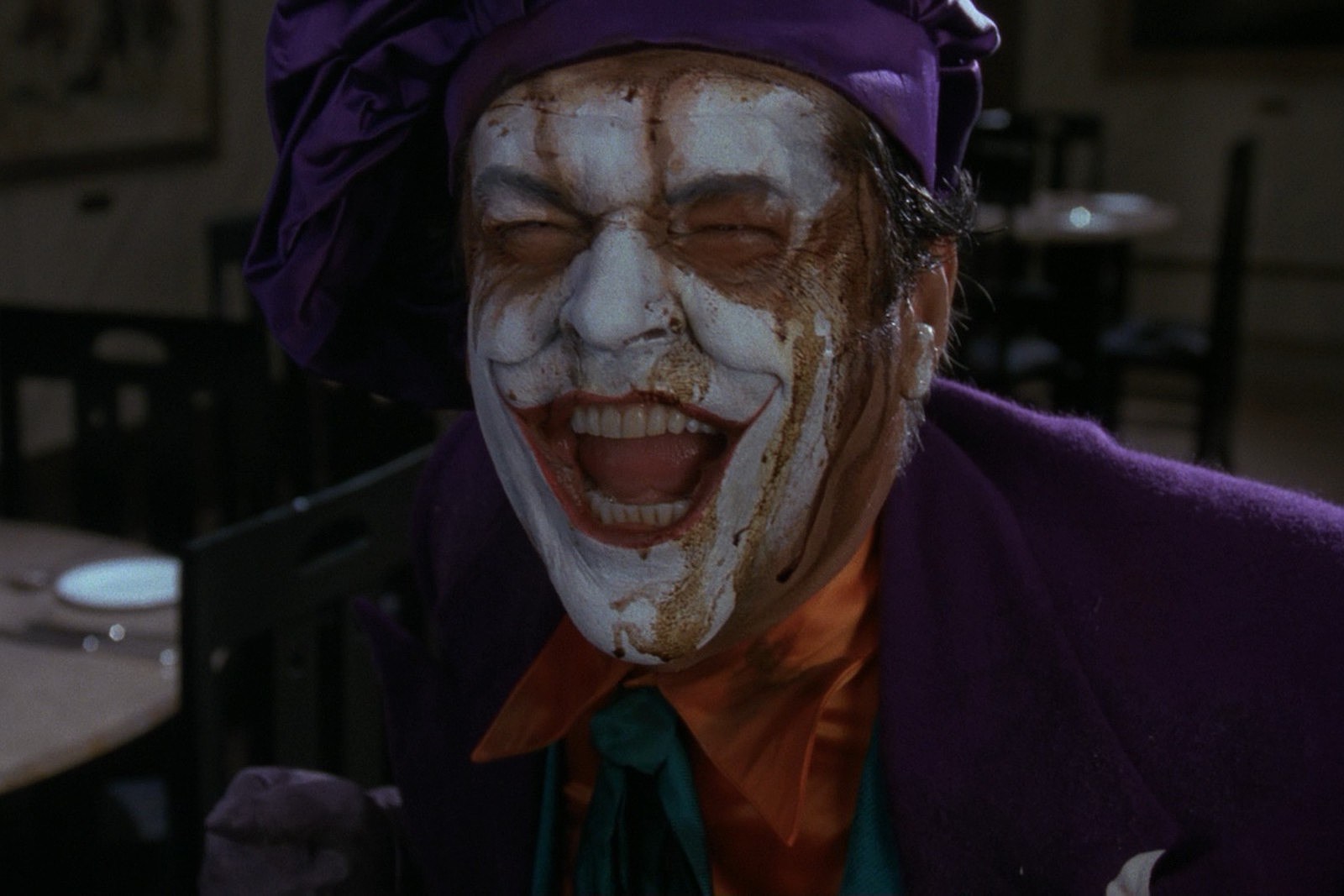
For decades, comic book fans, cinematic theorists, and casual observers have obsessed over a single mystery: what was the Joker’s real name? From the 1989 cinematic portrayal of Jack Napier to the gritty, grounded origin of Arthur Fleck in 2019, the “real” identity of Gotham’s greatest villain remains a subject of intense debate. However, from a brand strategy perspective, the question itself is the most successful marketing hook in literary history.
In the world of corporate identity and personal branding, names are typically the bedrock of trust. We rely on names like Apple, Nike, or Coca-Cola to provide a sense of permanence and reliability. The Joker, however, represents the ultimate “Anti-Brand.” By refusing a definitive name, the character has built a multi-billion-dollar legacy based on strategic ambiguity. To understand why the Joker’s real name is irrelevant—and why his anonymity is his greatest brand asset—we must analyze the mechanics of brand mythology and the power of the enigma.

The Core Identity: Why a Name Doesn’t Matter in Modern Branding
In traditional brand strategy, a name is intended to humanize a product or service. A name provides a history, a point of origin, and a promise of accountability. When we ask, “What was the Joker’s real name?” we are searching for a way to humanize a force of nature. Yet, the Joker’s refusal to provide a consistent answer is exactly what elevates his brand from a mere “character” to a “symbol.”
The Mystery as a Unique Selling Proposition (USP)
In a saturated market, the most valuable currency is attention. Most brands shout their names and histories from the rooftops, hoping to build a connection through transparency. The Joker’s brand does the opposite; it creates a “narrative vacuum.” By not having a real name, the character forces the audience to engage more deeply, filling in the blanks with their own fears and interpretations. This is a masterful application of the “Open Loop” technique in marketing—creating a question that the audience feels compelled to answer, thereby ensuring long-term engagement with the intellectual property.
The Archetype vs. The Individual
From a design and branding perspective, the Joker is an archetype, not a person. A name like “Jack” or “Arthur” tethered the character to a specific socio-economic background, a specific family, and a specific set of limitations. By remaining nameless, the Joker functions as a “Universal Brand.” He can be a failed comedian, a mob enforcer, or a nihilistic philosopher. This fluidity allows the brand to be rebranded and reimagined for every new generation without losing its core essence. In corporate terms, the Joker is the ultimate “White Label” villain—a high-quality framework that can be adapted to any market context.
Building a Legacy Without a Backstory: Case Studies in Brand Mythology
The most successful brands in the world—those that reach “cult” status—often possess an element of mystery or a “founder’s myth” that borders on the legendary. Think of the mysterious identity of Satoshi Nakamoto in the world of Bitcoin, or the elusive nature of the street artist Banksy. These brands prove that you do not need a face or a verified name to build global equity; you only need a consistent set of values and a recognizable visual identity.
The Narrative Void: Inviting Audience Interpretation
When a brand provides too much information, it limits the consumer’s imagination. If the Joker were definitively “Jack Napier” across all media, the character would be a fixed point. By maintaining a “Multiple Choice” origin story—as famously stated in The Killing Joke—the brand creates a collaborative experience with the consumer. In brand strategy, this is known as “Co-Creation.” The audience participates in building the character’s history, which creates a much deeper psychological bond than a one-way narrative ever could.
Consistency in Chaos: How the Joker Stays On-Brand
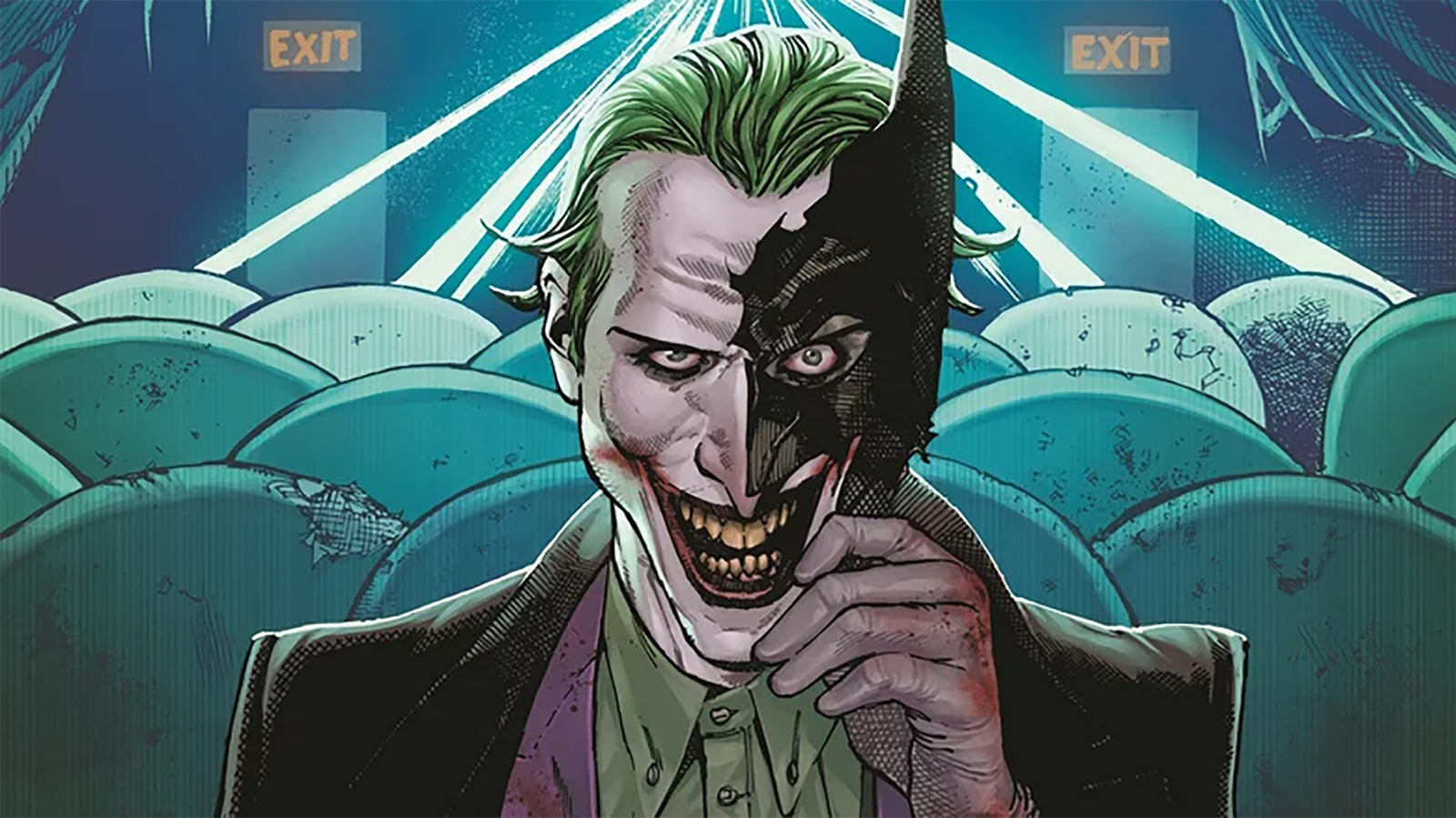
Despite the lack of a real name, the Joker’s brand is incredibly consistent. Whether he is played by Cesar Romero, Jack Nicholson, Heath Ledger, or Joaquin Phoenix, the core “Brand Guidelines” remain the same: the purple suit, the green hair, the permanent grin, and the commitment to theatrical chaos. This is a lesson in visual identity over nomenclature. You don’t need to know the name of the entity if the visual cues and “brand voice” are unmistakable. The Joker’s real name is irrelevant because his visual brand is the strongest in the DC portfolio.
Personal Branding Lessons from the Clown Prince of Crime
The Joker’s success offers a masterclass in personal branding, specifically regarding how to dominate a niche market (in his case, the “supervillain” market). While most professionals strive for likability, the Joker’s brand is built on “Disruption.” He is the ultimate market disruptor, challenging the established order (Batman) and forcing a total reassessment of the “status quo” in Gotham.
Visual Identity and Immediate Recognition
In a world of “Personal Brands,” being instantly recognizable is more important than being understood. The Joker’s color palette—purple and green—is a daring choice that stands out against the dark, monochromatic “brand” of Batman. This is “Contrarian Branding.” By choosing visual markers that are bright, loud, and garful, he ensures that he is the center of attention in any environment. He doesn’t need a name tag because his aesthetic identity is a total monopoly on that specific look.
Owning the “Anti-Brand” Space
Most brands spend millions trying to appear perfect, curated, and safe. The Joker’s personal brand is built on “Authentic Imperfection.” He embraces the scars, the smeared makeup, and the psychological fractures. In the modern era of social media, where “authentic” branding is highly valued, the Joker represents the extreme logical conclusion of being “unfiltered.” He doesn’t pivot, he doesn’t apologize, and he doesn’t “rebrand” to suit public opinion. This level of brand commitment creates a terrifyingly loyal following (or, in his case, a cult of henchmen).
Strategic Ambiguity: How Brands Use Mystery to Drive Engagement
The question “What was the Joker’s real name?” is a powerful tool for brand rejuvenation. Every time a new film or comic book series is released, the creators have the opportunity to offer a new “real name.” This is essentially a product launch or a “Line Extension” within the Joker franchise.
The “Jack Napier” vs. “Arthur Fleck” Dilemma: Brand Rejuvenation
In Tim Burton’s 1989 Batman, the name Jack Napier gave the character a mobster heritage. In 2019’s Joker, the name Arthur Fleck gave him a tragic, mental-health-focused origin. Each name represents a different “Market Positioning” for the character. By providing temporary names that are later discarded or treated as “one of many” possibilities, the stewards of the Joker brand can refresh the character’s relevance for different social climates. They aren’t changing the brand; they are simply updating the “Version 2.0” or “Version 3.0” of the origin story.
Managing Brand Evolution Over Decades
The Joker has survived for over 80 years because he is not tied to a single identity. If he were “born” in 1940 as a specific person, his brand might feel dated or tied to a specific era. Because his “real name” is a moving target, he remains evergreen. He is a mirror to the society he inhabits. In the 1960s, his brand was “The Prankster.” In the 2000s, his brand was “The Terrorist.” Today, his brand is “The Social Outcast.” This adaptability is the hallmark of a world-class brand, made possible only by the lack of a permanent, real-world identity.
Conclusion: The Value of the Unanswered Question
So, what was the Joker’s real name? The answer is that he doesn’t have one—and that is the most brilliant branding decision ever made. In the realm of brand strategy, a name is a fence. It defines where a brand starts and where it ends. By remaining nameless, the Joker’s brand is infinite.
The mystery of his identity acts as a perpetual motion machine for marketing. It generates think-pieces, fuels fan theories, and drives ticket sales for every new iteration that promises to “finally reveal the truth.” As long as the question remains unanswered, the Joker brand remains alive, vibrant, and terrifyingly relevant. In business and in branding, sometimes the most powerful thing you can be is “Unknown.” The Joker’s real name isn’t Jack, Arthur, or any other alias; his real name is the Mystery itself, and that mystery is worth billions.
aViewFromTheCave is a participant in the Amazon Services LLC Associates Program, an affiliate advertising program designed to provide a means for sites to earn advertising fees by advertising and linking to Amazon.com. Amazon, the Amazon logo, AmazonSupply, and the AmazonSupply logo are trademarks of Amazon.com, Inc. or its affiliates. As an Amazon Associate we earn affiliate commissions from qualifying purchases.