
In the realm of brand strategy, words are never just words; they are vessels for culture, class, and consumer expectation. The age-old debate regarding the difference between “dinner” and “supper” may seem like a trivial pursuit for linguists or historians, but for brand architects and marketing strategists, it represents a masterclass in demographic positioning. To a consumer, the choice between these two words can dictate their willingness to pay, their expectation of service, and their emotional connection to a brand.
Understanding the nuance between “dinner” and “supper” allows a brand to align its identity with the specific lifestyle of its target audience. Whether you are building a high-end hospitality group, a meal-kit delivery service, or a lifestyle media empire, the terminology you choose defines the “vibe” and, ultimately, the value proposition of your product.

Linguistic Branding and the Power of Word Choice
The foundation of any successful brand identity lies in its lexicon. Linguistic branding is the practice of using specific language to evoke desired emotions and associations in the consumer’s mind. When we analyze “dinner” versus “supper,” we are looking at how historical usage translates into modern brand equity.
Why Terminology Matters in Brand Strategy
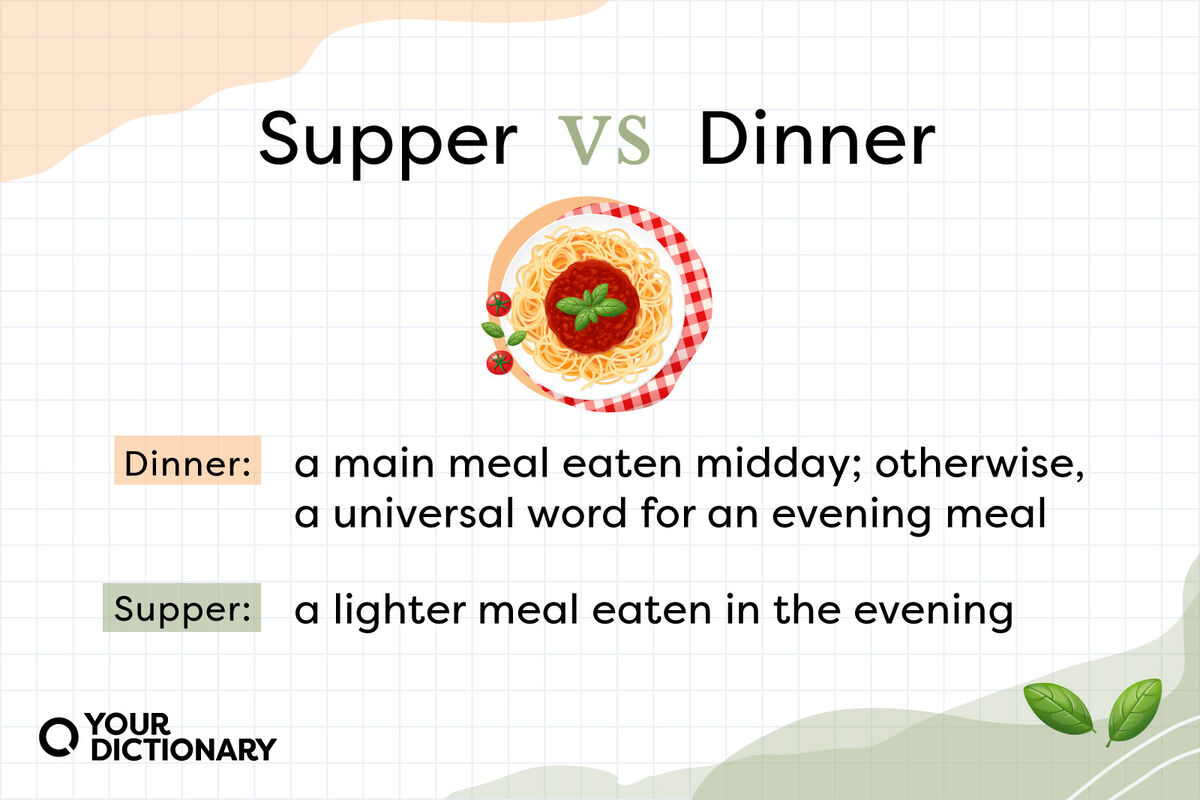
In marketing, clarity is essential, but nuance is what creates a premium feel. Brands that use “dinner” are often signaling a specific type of event. Historically, “dinner” refers to the main meal of the day, regardless of the time it is eaten. In a branding context, this suggests importance, structure, and ritual. When a brand advertises a “Dinner Series,” it implies an elevated experience that demands the consumer’s full attention.
Conversely, “supper” carries a different weight. Derived from the word “to sup,” it historically represented a lighter, informal meal taken in the evening. In the modern brand landscape, “supper” is a tool for brands seeking to project authenticity, intimacy, and a “farm-to-table” or “home-cooked” aesthetic. By choosing “supper,” a brand lowers the barrier to entry while increasing the perceived “soulfulness” of the experience.
Psychological Triggers: Formal vs. Informal
The psychological impact of these words cannot be overstated. “Dinner” triggers associations with formality, tradition, and perhaps a touch of rigidity. For a luxury brand, this rigidity is a feature, not a bug—it suggests excellence and high standards.
“Supper,” however, triggers a sense of relaxation. It is the brand equivalent of “taking your shoes off at the door.” For lifestyle brands focusing on community, mental well-being, and comfort, “supper” is the superior choice. It fosters a sense of belonging rather than a sense of occasion. Identifying which trigger aligns with your corporate identity is the first step in effective narrative marketing.
The Class and Culture Divide: Positioning Your Product
The distinction between dinner and supper is deeply rooted in class structures and the evolution of the working day. Brand strategists must understand these historical layers to avoid “brand dissonance”—where the language used contradicts the price point or the target demographic.
“Dinner” as a Premium Offering
In the 19th and early 20th centuries, the timing of “dinner” shifted based on social standing. For the working class, dinner was the midday meal that provided fuel for labor. For the elite, it moved to the evening, becoming a showcase of leisure and wealth. Modern branding has largely adopted the “evening dinner” as the standard for high-end consumption.
If your brand is positioned in the luxury or “masstige” (mass-prestige) segment, “dinner” is your primary vehicle. It allows for the attachment of adjectives like “gala,” “private,” or “fine.” A “Dinner Menu” at a five-star hotel carries an inherent expectation of a multi-course structure and a higher price ceiling. It is a formal contract between the brand and the consumer: “We will provide excellence, and you will provide your time and resources.”
“Supper” as the Community-Centric Identity
On the other side of the spectrum, “supper” has been reclaimed by brands looking to disrupt the coldness of corporate hospitality. The rise of “Supper Clubs” in urban centers like London, New York, and Berlin is a testament to this shift. These are not just restaurants; they are branded experiences centered on social networking and communal tables.
By branding an event as a “supper,” a company can charge a premium for “exclusivity” and “intimacy” rather than just the food itself. It feels less like a transaction and more like an invitation. For digital-native brands and startups, “supper” is a way to humanize their corporate identity, moving away from the “stuffy” connotations of traditional corporate dinners.
Regionality and Demographic Targeting
One of the golden rules of brand marketing is “Know Thy Customer.” The difference between dinner and supper is heavily influenced by geography. A brand that fails to localize its terminology risks appearing out of touch or “foreign” to its primary market.
Mapping Your Audience: Geographic Variations
In the Southern United States and parts of the Midwest, “supper” is still frequently used to describe the evening meal, while “dinner” may refer to a large Sunday midday meal. If a national grocery brand is launching a regional campaign in Georgia, using the word “supper” in their copy creates an instant rapport with the local demographic. It signals that the brand “speaks their language.”
In the United Kingdom, the terminology is even more divided by class and region. “Tea” might replace “supper” for many, while “dinner” remains the formal standard. For a brand expanding internationally, a “one-size-fits-all” approach to mealtime terminology can lead to marketing failure. Deep-dive market research into regional dialects is a non-negotiable part of a global brand strategy.
Generational Shifts in Dining Terminology
Demographics aren’t just about where people live, but when they were born. Millennials and Gen Z have shown a preference for “brunch” and “dinner,” largely abandoning “supper” unless it is used ironically or as part of a curated “retro” brand aesthetic.
However, there is a burgeoning trend in the “Slow Living” movement where “supper” is being rebranded for a younger, health-conscious audience. It is being marketed as a light, mindful end to the day. Brands in the wellness and organic food space are leveraging this to sell products that promote sleep and digestion, effectively creating a new “supper” category in the financial market for functional foods.
Case Studies in Narrative Marketing
To see the difference between dinner and supper in action, we can look at how different industries utilize these terms to craft a narrative that drives revenue.
Luxury Hospitality and the “Dinner” Experience
Consider a brand like The Ritz-Carlton. Their branding revolves around “The Art of Dinner.” They aren’t just selling food; they are selling a legacy. The word “dinner” here is synonymous with a tuxedo, candlelight, and impeccable service. By sticking to this formal terminology, they reinforce their brand promise of consistency and high-status experiences. If they were to suddenly advertise a “Sunday Supper,” it would confuse their core high-net-worth clientele and potentially dilute their brand equity.
Fast-Casual and the Evolution of the “Supper Club”
Contrast this with a brand like Sweetgreen or various boutique pop-up kitchens. They often use the concept of “Supper” to launch limited-time offerings or community events. By branding an evening as a “Harvest Supper,” they lean into the seasonal, localized, and informal nature of their business model. This attracts a demographic that values transparency and “cool factor” over white-glove service. The “supper” branding allows them to experiment with communal seating and shared plates—concepts that would feel out of place under the “dinner” label.

Strategic Implementation: Choosing the Right Label for Your Brand
So, how does a business decide which path to take? The choice between “dinner” and “supper” should be a data-driven decision based on the following brand pillars:
-
Price Point: If your average transaction value is high and you are selling “prestige,” stick to Dinner.
-
Brand Persona: If your brand is “The Expert” or “The Authority,” use Dinner. If your brand is “The Friend” or “The Neighbor,” use Supper.
-
Customer Lifecycle: Is this a formal introduction to your brand (Dinner) or a recurring, low-pressure engagement for loyalists (Supper)?
-
Operational Style: Does your service model involve structured courses (Dinner) or a more fluid, casual atmosphere (Supper)?
In conclusion, while the dictionary might offer overlapping definitions for dinner and supper, the marketplace does not. One is a pillar of formal commerce and high-end positioning; the other is a tool for community building and lifestyle branding. By mastering the semantics of these two words, brand strategists can more effectively navigate the complex landscape of consumer psychology, ensuring that their message—and their meal—is served exactly the way the audience expects it.
aViewFromTheCave is a participant in the Amazon Services LLC Associates Program, an affiliate advertising program designed to provide a means for sites to earn advertising fees by advertising and linking to Amazon.com. Amazon, the Amazon logo, AmazonSupply, and the AmazonSupply logo are trademarks of Amazon.com, Inc. or its affiliates. As an Amazon Associate we earn affiliate commissions from qualifying purchases.