
The history of European football is often told through goals, trophies, and legendary performances. However, behind every iconic moment on the pitch lies a complex web of financial strategy, risk management, and capital investment. Perhaps no single transaction in the 21st century exemplifies the intersection of high-stakes business finance and sporting success better than the 2003 transfer of Ronaldo de Assis Moreira—better known as Ronaldinho—from Paris Saint-Germain (PSG) to FC Barcelona.
While fans ask “what club did Ronaldinho come from to Barca” to settle a trivia debate, financial analysts look at this move as one of the most successful turnarounds in corporate history. In 2003, FC Barcelona was a brand in decline, facing mounting debt and a lack of competitive relevance. The acquisition of Ronaldinho from PSG for approximately €32.25 million was not just a player recruitment; it was a calculated investment designed to save a multi-billion dollar entity from insolvency.
The Financial Landscape of the 2003 Transfer Market
To understand the magnitude of this investment, one must first look at the economic climate of the early 2000s. The transfer market was experiencing a period of correction after the “Galactico” era spending spree. For FC Barcelona, the financial situation was particularly dire.
The Paris Saint-Germain Valuation
In 2003, Paris Saint-Germain was not the state-funded powerhouse it is today. It was a club with significant talent but inconsistent financial backing. Ronaldinho had arrived at PSG from Grêmio in 2001 for a relatively modest fee, but by 2003, his market value had skyrocketed. PSG’s management recognized that Ronaldinho was their most liquid asset. From a business perspective, PSG needed to maximize the Return on Investment (ROI) for a player who was clearly outgrowing the French league’s commercial infrastructure at the time. The €32.25 million valuation was a premium price, but it reflected Ronaldinho’s potential to generate revenue far beyond the pitch.
Barcelona’s Precarious Economic State
When Joan Laporta took over as President of FC Barcelona in 2003, he inherited a club on the brink of financial collapse. The wage-to-turnover ratio was unsustainable, and the club’s global market share was being eroded by rivals like Real Madrid and Manchester United. Barcelona needed more than a player; they needed a “loss leader”—an investment that might be expensive upfront but would drive traffic, sponsorships, and brand equity back to the institution. The decision to outbid Manchester United for Ronaldinho’s signature was the first major capital expenditure of the Laporta era, signaling a shift from austerity to aggressive growth.
Risk Management: Why Ronaldinho was a High-Stakes Financial Play
In any business finance scenario, a €32 million outlay for a single asset involves significant risk. If the asset fails to perform or suffers from depreciation (in sports, this means injury or loss of form), the impact on the balance sheet can be catastrophic.
The Cost of Acquisition vs. Market Potential
The total cost of the Ronaldinho deal wasn’t just the transfer fee paid to PSG. It included a high-salary package, performance bonuses, and sign-on fees. For a club with high debt levels, this was a “leveraged” move. The risk was that Ronaldinho’s individualistic style might not translate into team success, which is the primary driver of football revenue. However, the board of directors performed a SWOT analysis (Strengths, Weaknesses, Opportunities, Threats) and determined that the “Opportunity” of re-entering the Champions League and securing global sponsorships outweighed the “Threat” of financial overextension.
Negotiating the Deal: Rosell, Laporta, and the Bid War
The negotiation process for Ronaldinho is a masterclass in corporate maneuvering. Manchester United, flush with cash from the sale of David Beckham to Real Madrid, was the favorite to sign the Brazilian. However, Barcelona used their personal connections—specifically Sandro Rosell’s previous relationship with Nike in Brazil—to influence the player’s camp. By positioning the move as a partnership rather than just an employment contract, Barcelona secured the asset. This demonstrates a key principle in business finance: the value of “intangible assets” like networking and brand alignment can often overcome a competitor’s superior cash reserves.

Revenue Streams: How Ronaldinho Monetized the Barça Brand
Once the “asset” was secured from PSG, the focus shifted from acquisition to monetization. Ronaldinho’s impact on Barcelona’s various revenue streams was immediate and transformative.
Merchandising and Global Image Rights
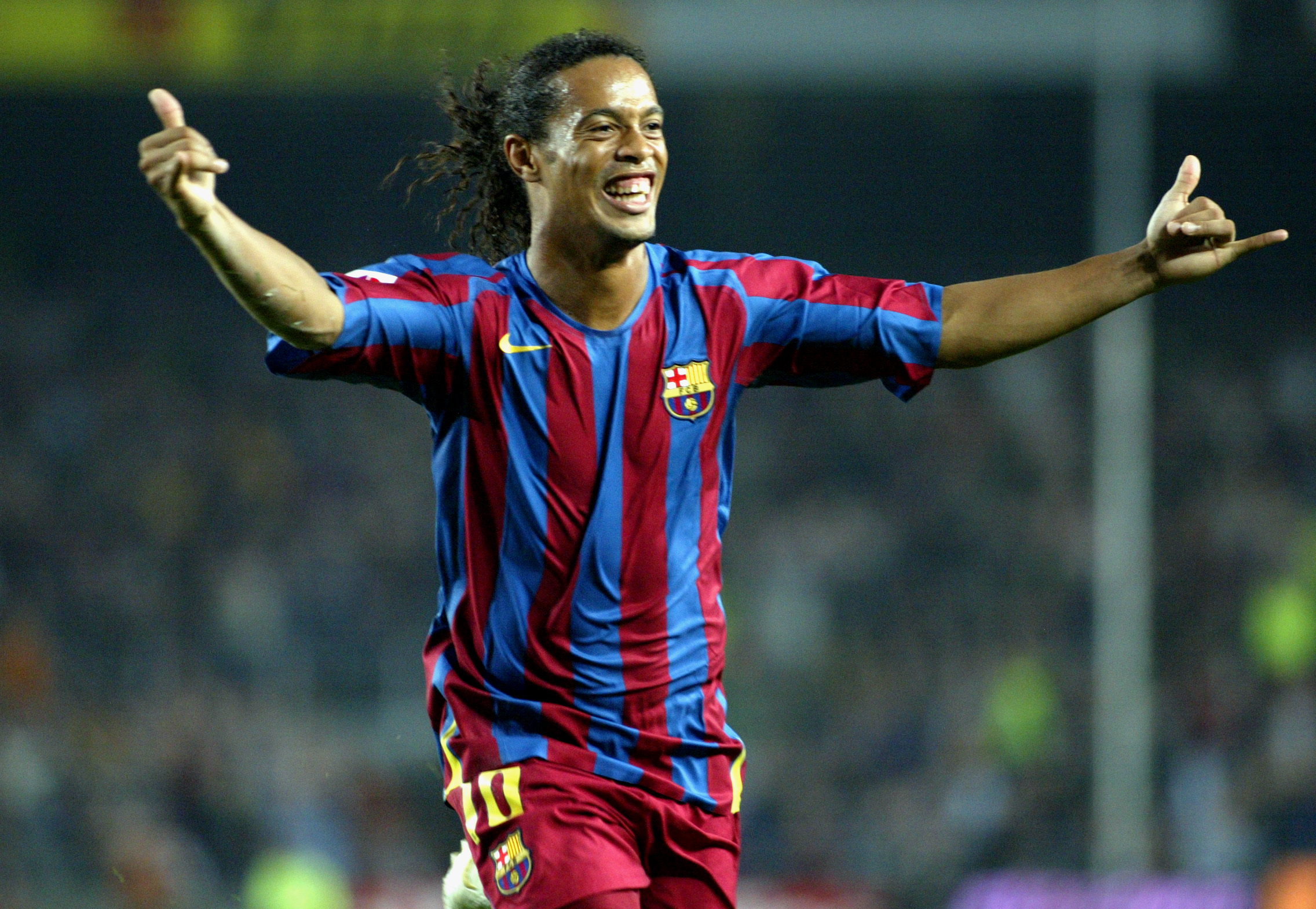
In the modern sports economy, shirt sales are a vital component of the retail revenue mix. Within months of his arrival, Ronaldinho’s “Number 10” jersey became the most sought-after piece of sports apparel in the world. But the monetization went deeper. Barcelona negotiated a favorable split on image rights, allowing the club to profit from Ronaldinho’s massive endorsement deals with companies like Nike, Pepsi, and EA Sports. He became the face of the club, a walking billboard that translated into millions of Euros in licensing fees.
The “Success Premium”: Prize Money and Sponsorship Escalation
In business finance, successful investments often trigger a “multiplier effect.” Ronaldinho’s performance on the pitch led to titles, including two La Liga trophies and the 2006 UEFA Champions League. This sporting success had direct financial consequences:
-
Champions League Distributions: Winning the tournament provided tens of millions in prize money and TV rights.
-
Sponsorship Re-negotiations: Long-term partners like Nike and television broadcasters were forced to pay higher premiums to be associated with the world’s most exciting team.
-
The Unicef Deal: Ronaldinho’s charisma allowed Barcelona to pursue a unique brand strategy—putting Unicef on their shirts for free. While this seemed like a loss of sponsorship revenue, it boosted the “Barça brand value” so significantly that it led to the most lucrative commercial deals in the club’s history later on.
The Long-Term Return on Investment (ROI)
When evaluating the success of the move from PSG to Barcelona, one must look at the long-term fiscal health of the club. Ronaldinho was the catalyst for a decade of financial dominance.
From Deficit to Surplus: A Financial Case Study
By the time Ronaldinho departed for AC Milan in 2008, Barcelona’s annual revenue had more than doubled. The club had transitioned from a localized entity with heavy debts to a global entertainment juggernaut. The “Ronaldinho Era” proved that in the business of sports, spending money to acquire the right talent is often more fiscally responsible than cutting costs and settling for mediocrity. He was the “Foundational Asset” upon which the later success of the Pep Guardiola era was built.
Legacy Assets: The Economic Impact of the “Ronaldinho Era”
Perhaps the most significant ROI of the Ronaldinho investment was the mentorship of Lionel Messi. From a financial perspective, Messi is the most valuable asset in the history of sports. Ronaldinho’s presence provided the perfect environment for Messi to develop, effectively securing the club’s future revenue streams for the next 15 years. If Barcelona had not signed Ronaldinho from PSG in 2003, it is highly likely they would not have had the financial or cultural capital to retain and develop Messi, which would have resulted in the loss of billions in potential revenue.

Conclusion
The question of “what club did Ronaldinho come from to Barca” has a simple answer: Paris Saint-Germain. However, the business reality behind that answer is a sophisticated narrative of financial risk, strategic branding, and massive returns on investment.
The €32.25 million paid to PSG was not a cost; it was a capital injection into a failing brand. It serves as a perennial case study for business leaders and investors: identifying a distressed but high-potential asset, making a bold acquisition, and then aggressively monetizing the brand through global expansion and success-linked revenue streams. Ronaldinho didn’t just bring joy to the fans at Camp Nou; he brought solvency, growth, and a global financial footprint that remains a cornerstone of FC Barcelona’s business identity today. In the world of money and finance, the Ronaldinho transfer remains one of the most profitable “buys” in the history of the industry.
aViewFromTheCave is a participant in the Amazon Services LLC Associates Program, an affiliate advertising program designed to provide a means for sites to earn advertising fees by advertising and linking to Amazon.com. Amazon, the Amazon logo, AmazonSupply, and the AmazonSupply logo are trademarks of Amazon.com, Inc. or its affiliates. As an Amazon Associate we earn affiliate commissions from qualifying purchases.