
For many households, the Amazon Prime membership has transitioned from a luxury convenience to a standard line item in the monthly budget. However, as subscription costs across the digital landscape continue to climb, savvy consumers are increasingly scrutinizing the “Prime tax” to determine if the annual investment aligns with their personal financial goals. Understanding the Amazon Prime membership fee requires looking beyond the raw number; it necessitates a deep dive into cost structures, value-to-expense ratios, and the behavioral economics of the modern consumer.
Understanding the Structure of the Amazon Prime Fee
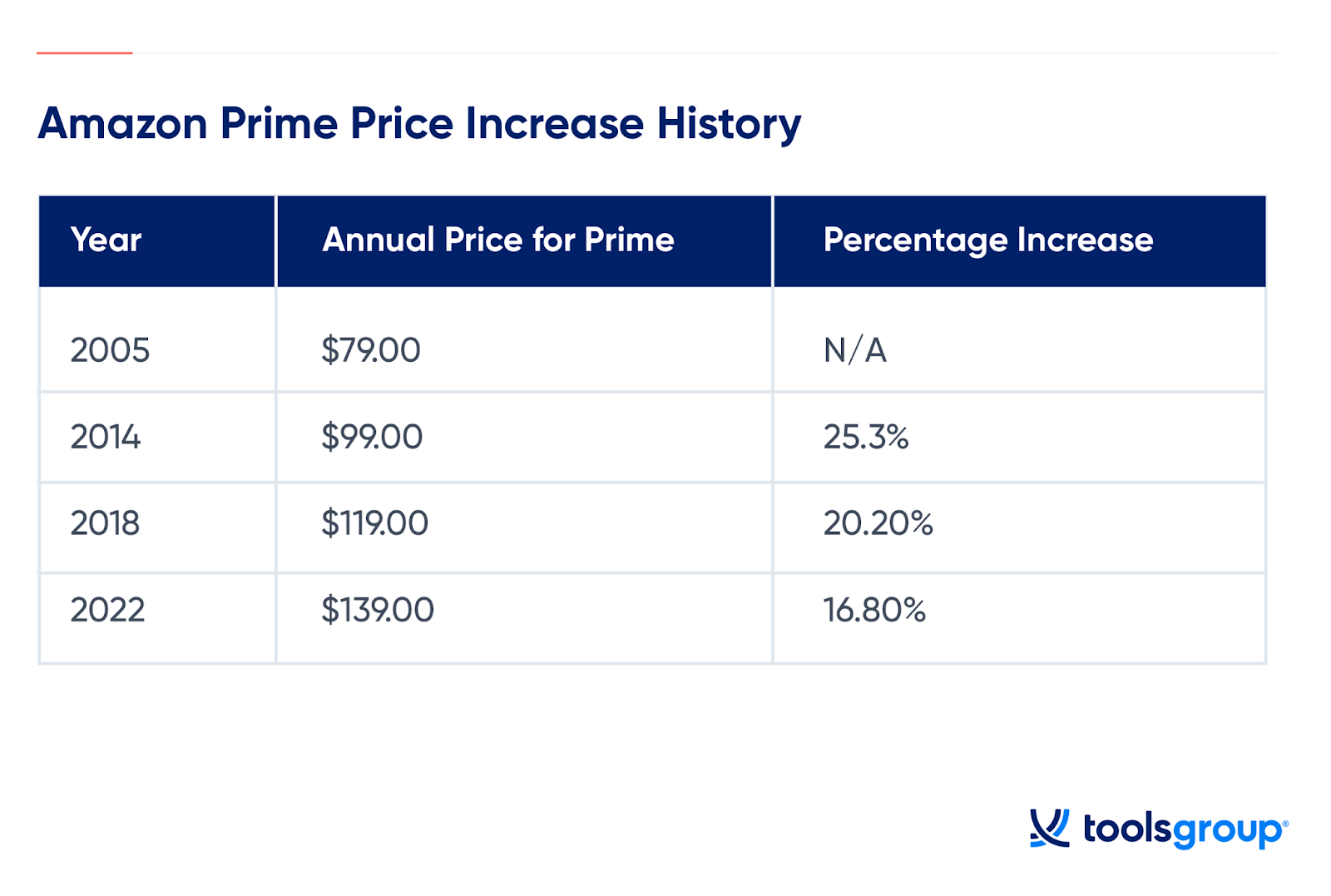
To accurately assess the impact of Amazon Prime on your personal finances, you must first understand the current pricing tiers and the various entry points available to different demographics. As of the current fiscal period, Amazon has standardized its pricing to reflect the rising costs of logistics, labor, and content production.
Monthly vs. Annual Plans: The Cost of Flexibility
The standard Amazon Prime membership is offered in two primary formats for individual consumers. The monthly plan is currently priced at $14.99 per month. For those who prefer a long-term commitment, the annual plan is priced at $139 per year.
From a personal finance perspective, the annual plan offers significant savings. By paying upfront, members effectively reduce their monthly cost to approximately $11.58, representing a nearly 23% discount over the month-to-month option. While the $139 lump sum may impact a single month’s cash flow, the long-term yield makes it the mathematically superior choice for those who plan to use the service year-round.
Discounted Rates for Specific Demographics
Amazon offers specialized pricing to ensure market penetration across various income levels. For students currently enrolled in higher education, “Prime Student” provides a substantial discount, typically priced at $7.49 per month or $69 per year. This tier often includes a six-month trial period, making it a high-value tool for managing the logistical costs of college life.
Furthermore, Amazon provides a discounted membership for recipients of certain government assistance programs, such as SNAP, EBT, or Medicaid. This “Prime Access” tier is priced at $6.99 per month. From a financial inclusivity standpoint, this allows lower-income households to access the logistical savings—such as lower grocery prices through Amazon Fresh or Whole Foods—without the burden of the full-price membership fee.
Business Prime Considerations
For entrepreneurs and small business owners, the membership fee structure changes significantly. Business Prime is tiered based on the number of users, starting with the “Duo” plan (added to a personal Prime account for $69/year for one user) and scaling up to “Small,” “Medium,” and “Enterprise” levels. For those looking to optimize business expenses, these fees are often tax-deductible as a legitimate business expense, a crucial distinction for self-employed individuals and LLCs.
The Cost-Benefit Ratio: Evaluating Your Personal ROI
A membership fee is only as expensive as the value it fails to provide. To determine if the $139 annual fee is a sound investment, consumers must perform a Return on Investment (ROI) analysis based on their specific spending habits.
Shipping Savings vs. Membership Cost
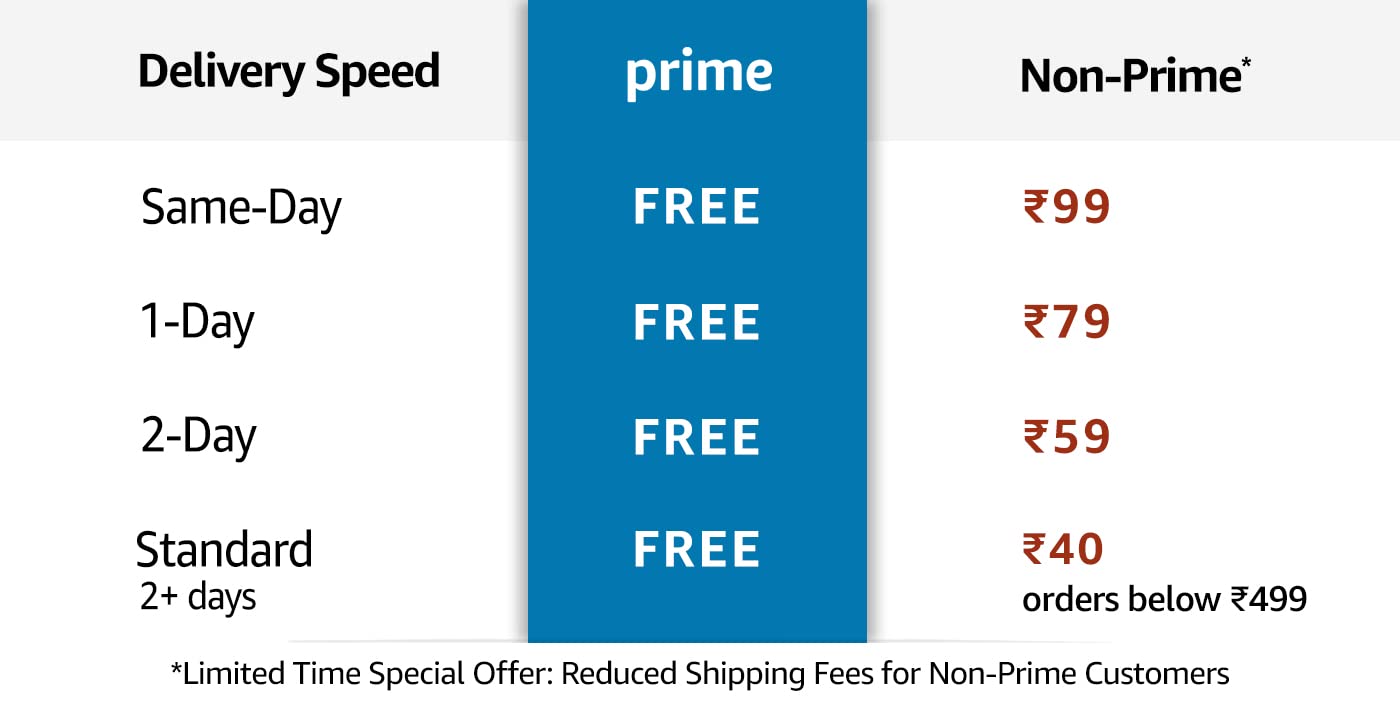
The primary driver of Prime’s value has always been “free” shipping. In a non-Prime environment, shipping costs can range from $5.99 to $15.00 per order depending on weight and speed. For a consumer who places at least 25 orders per year, the membership effectively pays for itself through shipping savings alone.
However, one must account for the “Prime Premium”—the psychological tendency to buy more frequently because the shipping is perceived as free. From a budgeting standpoint, it is essential to track whether the convenience of Prime leads to impulse purchases that outweigh the savings on shipping fees.
Digital Content Valuation
Beyond logistics, the Prime fee grants access to Prime Video, Prime Music, and Prime Reading. When analyzing these from a “Money” niche perspective, one should compare these bundled services against standalone competitors:
-
Prime Video: Competes with Netflix or Max (valued at $10–$20/month).
-
Prime Music: Competes with Spotify or Apple Music (valued at $10.99/month).
-
Prime Reading/Kindle: Competes with various book subscription services.
If a household cancels a $15.49/month Netflix subscription because Prime Video satisfies their entertainment needs, the Amazon Prime membership fee doesn’t just pay for itself—it actually generates a net surplus in the monthly budget.

The Hidden Costs of Convenience
There is a concept in finance known as “opportunity cost.” By committing to the Amazon ecosystem via a membership fee, consumers may ignore better prices at local retailers or specialty online stores. The “Buy Now” button reduces the friction of price comparison. To truly master the financial aspect of a Prime membership, one must remain vigilant and ensure that the convenience of the membership isn’t masking a slow leak in the household budget due to uncompetitive pricing on household staples.
Maximizing the Value of Your Membership Fee
Once the fee is paid, the goal shifts to extraction: how can you squeeze every cent of value out of that $139 or $14.99?
Amazon Household: Splitting the Cost
One of the most effective financial strategies for Prime members is the Amazon Household feature. This allows two adults to share a single Prime membership while maintaining separate accounts and payment methods. By splitting the annual fee with a partner or roommate, the individual cost drops to $69.50 per year. This effectively doubles the ROI of the initial fee and is one of the most underutilized tactics in personal finance for reducing subscription overhead.
Leveraging the Amazon Prime Visa for Cashback
For those with disciplined credit habits, the Amazon Prime Visa card is a powerful tool to offset the membership fee. The card typically offers 5% back on all Amazon.com and Whole Foods Market purchases.
- The Math: To “neutralize” a $139 annual fee, a cardholder would need to spend $2,780 annually at Amazon or Whole Foods (approximately $231 per month).
For many families who use Amazon for groceries, household essentials, and gifts, this threshold is easily met. In this scenario, the cashback rewards can essentially pay for the membership fee, making the service “free” from a net-cash-flow perspective.
Utilizing Niche Benefits: Rx and Grubhub
Amazon has aggressively expanded the Prime umbrella to include services that directly impact daily expenses. The “RxPass” allows members to get all their eligible generic medications for a flat $5 monthly fee, which can save hundreds of dollars for those with chronic conditions. Additionally, the ongoing partnership providing a year of free Grubhub+ (normally $9.99/month) offers significant savings for those who frequently use food delivery services by eliminating delivery fees.
How the Prime Fee Fits Into Your Monthly Budget
Effective financial planning requires categorizing the Prime fee correctly. It should not be buried under “Miscellaneous.” Instead, it should be viewed through the lens of fixed vs. variable costs.
The “Subscription Creep” Phenomenon
Subscription creep occurs when small monthly fees accumulate until they consume a disproportionate share of disposable income. At $14.99, Prime is a “micro-leak.” At $139, it is a significant annual expense. Financial experts recommend reviewing your “Cost Per Use.” If you only use Prime for the occasional gift during the holidays, you are likely better off paying for one month of service in December rather than maintaining an annual subscription.
When to Cancel or Pause Your Subscription
Unlike many utility services, Amazon Prime can be paused or canceled with relative ease. A strategic financial move for those looking to tighten their belt is “Subscription Cycling.” This involves canceling the service during months of low usage and only Reactivating it during high-volume periods, such as “Prime Day” in July or the holiday shopping season in Q4. This tactical approach can save a household $60–$80 per year while still providing access during peak value periods.
Future Projections: Why Membership Fees Continue to Rise
To understand the fee, one must understand the corporate strategy behind it. Amazon’s membership fee is not just a revenue stream; it is a retention tool designed to create “sticky” customers.
Inflation and Operational Logistics
As fuel prices fluctuate and labor costs for “last-mile” delivery increase, Amazon adjusts its membership fee to protect its margins. From an investing and business finance perspective, these fee hikes are necessary to sustain the infrastructure required for one-day and same-day delivery. For the consumer, this means the fee is likely to continue its upward trajectory over the next decade.
The Shift Toward Ecosystem Retention
Amazon is no longer just a store; it is an ecosystem encompassing healthcare, home security (Ring), and grocery (Whole Foods). The membership fee is the “entry ticket” to this ecosystem. As Amazon adds more services—like its recent foray into satellite internet via Project Kuiper—the fee may rise, but the potential to consolidate other bills (like internet or mobile) into one membership could provide a new frontier for personal finance optimization.
In summary, the Amazon Prime membership fee is more than just a price tag; it is a complex financial variable. By understanding the tiers, calculating a personal ROI, leveraging sharing features, and using associated financial tools like cashback cards, consumers can transform a standard expense into a strategic advantage for their household economy. Whether the fee is “worth it” depends entirely on your ability to manage the service as a tool rather than a passive drain on your resources.
aViewFromTheCave is a participant in the Amazon Services LLC Associates Program, an affiliate advertising program designed to provide a means for sites to earn advertising fees by advertising and linking to Amazon.com. Amazon, the Amazon logo, AmazonSupply, and the AmazonSupply logo are trademarks of Amazon.com, Inc. or its affiliates. As an Amazon Associate we earn affiliate commissions from qualifying purchases.