
In the era of peak television, where streaming platforms compete for our attention with high-budget dramas and gritty docuseries, understanding content classifications has moved beyond the simple “PG” or “R” ratings of the cinema. For modern viewers navigating smart TVs, streaming apps, and digital ecosystems, the “TV-MA” rating is perhaps the most significant—and often misunderstood—label in the digital content landscape.
From a technological and user-experience perspective, TV-MA is more than just a warning; it is a data point that triggers complex parental controls, influences algorithmic recommendations, and shapes the infrastructure of digital broadcasting. This guide explores the technical framework of the TV-MA rating and how it integrates into the modern smart home.
The Technical Framework of Content Standards: Decoding TV-MA
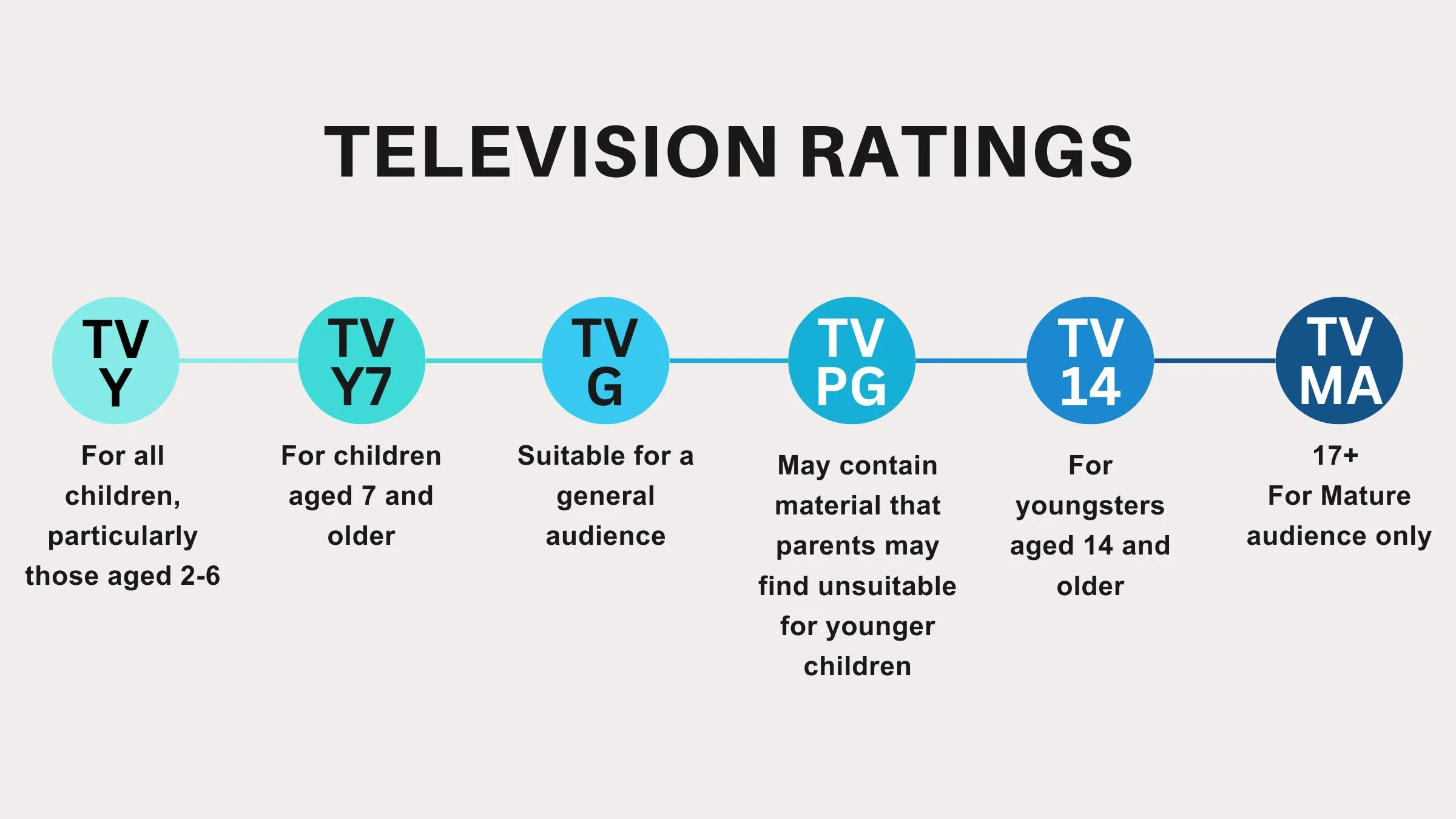
The TV-MA rating (Mature Audience) is the highest classification within the TV Parental Guidelines, a system established in the late 1990s and subsequently integrated into the digital firmware of nearly every television sold in North America. To understand what TV-MA means in a tech context, one must look at the metadata attached to the video stream.
The Criteria for Mature Content Classification
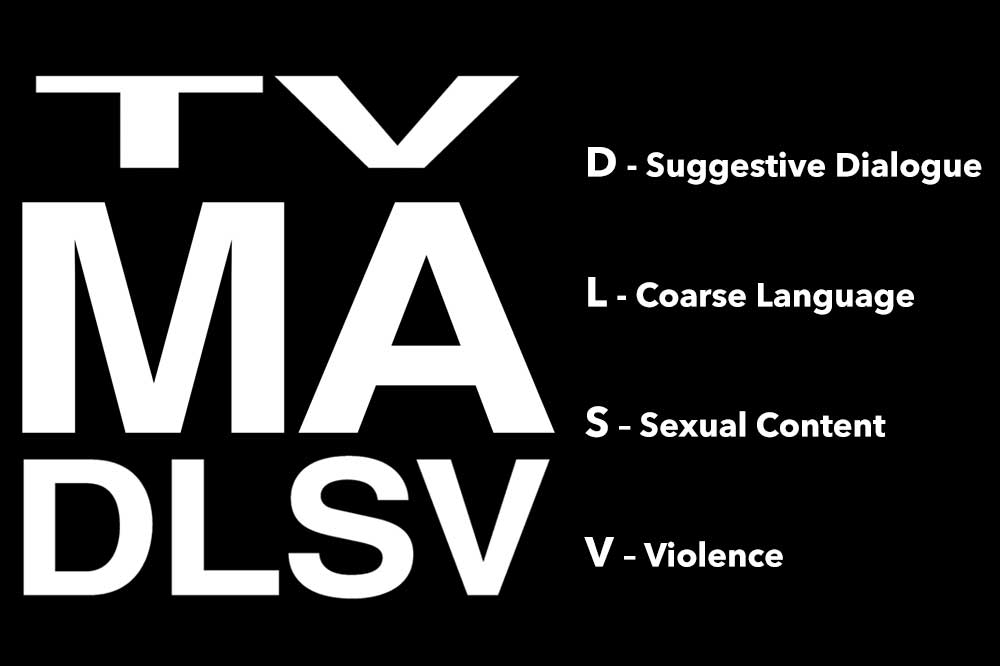
TV-MA is assigned to programs specifically designed for adults and may be unsuitable for children under 17. Unlike lower-tier ratings (TV-Y or TV-G), TV-MA often carries sub-ratings—specific metadata tags—that inform the hardware what kind of content is being processed. These include:
-
V (Violence): Graphic depictions of physical conflict or gore.
-
S (Sexual Content): Explicit sexual situations or nudity.
-
L (Crude Language): Frequent use of strong profanity.
-
D (Suggestive Dialogue): Adult-oriented themes that require a high level of maturity.
The Evolution from Analog to Digital Tagging
In the days of analog broadcasting, ratings were often “burned into” the video signal or sent via Line 21 of the vertical blanking interval (the “V-chip” technology). Today, in the realm of 4K streaming and IPTV, the TV-MA rating is a piece of XML or JSON metadata that travels with the video file. When you click “Play” on a Netflix or HBO Max title, the application’s backend checks this tag against your user profile settings before the decryption keys are even released to your device.
Impact on Algorithmic Discovery
From a software perspective, a TV-MA rating significantly impacts how a platform’s discovery engine functions. Machine learning models used by companies like Amazon Prime or Hulu use these ratings to segment their audience. If a user consistently avoids TV-MA content, the algorithm adjusts the “similarity weights” in its database, ensuring that high-maturity content does not populate the user’s “Recommended for You” rail.
Integrating Parental Controls: Leveraging Tech for Household Safety
As the volume of TV-MA content grows, the technology used to manage it has become increasingly sophisticated. Modern smart TVs and streaming sticks are no longer passive receivers; they are powerful computers capable of enforcing strict digital boundaries based on maturity ratings.
Software-Level Restrictions and Profile Management
The most common way tech interacts with the TV-MA rating is through profile-based filtering. Most streaming apps allow users to create “Kids” profiles. Technically, this creates a filtered view of the service’s API. When a profile is set to a “Junior” level, the software simply refuses to fetch any titles tagged with TV-MA from the server. This is a robust method of digital safety that operates at the application layer, ensuring that even if a child knows how to use the remote, the “Mature” data is simply invisible to them.
Hard-Coding Safety: The Role of the V-Chip and Firmware
While streaming apps handle their own ratings, the hardware itself (the Smart TV) often contains global parental control settings. By accessing the TV’s firmware settings, users can set a “System-Wide Ceiling.” For example, you can program a Samsung or LG TV to require a four-digit PIN for any content rated TV-MA, regardless of whether it’s coming from an HDMI input, an over-the-air antenna, or an internal app. This creates a “secure enclave” within the home theater environment.
The Cybersecurity Aspect of Content Locks
Setting up TV-MA restrictions is, in essence, a form of access management—a fundamental principle of digital security. Using PINs and biometric locks (on some mobile streaming apps) protects the integrity of the viewing environment. Without these tech-driven barriers, “content bleed” occurs, where mature themes permeate spaces intended for younger audiences. For the tech-savvy parent, understanding the TV-MA tag is the first step in configuring a secure home network that prioritizes digital wellbeing.
The Role of AI and Machine Learning in Automated Content Tagging
One of the most exciting tech developments in the world of TV ratings is the move from human-led classification to AI-driven analysis. Historically, a board of human reviewers watched a show and assigned a TV-MA rating. Today, tech giants are utilizing “Computer Vision” and “Natural Language Processing” (NLP) to automate this process.
How Computer Vision Identifies Mature Scenes
AI models are now trained to recognize specific visual patterns associated with TV-MA content. For instance, an algorithm can scan a frame for “skin tone density” to identify nudity or detect “high-contrast red fluid” to flag graphic violence. By analyzing every frame of a series, these AI tools can suggest a TV-MA rating with high accuracy, which is then verified by a human editor. This allows platforms to scale their content libraries at an unprecedented rate.
Audio Analysis and NLP for Script Tagging
It’s not just about the visuals. Machine learning models use NLP to scan audio tracks and subtitles for “L” (Language) and “D” (Dialogue) tags. The software can count the frequency of specific profanities per minute, automatically flagging a show for a TV-MA rating if it exceeds a pre-set threshold. This automated metadata generation ensures that even obscure international titles are correctly categorized before they hit a global audience.
The Future of Dynamic Rating Systems
We are moving toward a “Dynamic Rating” era. Imagine a piece of software that can real-time “edit” a TV-MA show into a TV-14 version by using AI to blur specific scenes or mute specific words on the fly based on the user’s preference settings. While this tech is still in its infancy, the metadata foundation provided by the TV-MA rating makes this level of granular user control possible.
Global Digital Standards and Cross-Platform Consistency
The TV-MA rating is primarily a North American standard, but in a global tech economy, digital platforms must reconcile this with international systems like PEGI (in gaming) or the BBFC (in the UK). This creates a complex challenge for software developers and content distributors.
Mapping TV-MA to International Equivalents
When a US-based streaming service expands to Europe or Asia, its engineering team must “map” the TV-MA rating to local equivalents (like “18+” or “R18”). This is a database management task that requires precision. If the mapping is incorrect, a platform could face significant legal fines for violating local broadcasting laws. The technical architecture must be flexible enough to display “TV-MA” to a user in New York and “18+” to a user in London for the exact same video file.
Hardware Interoperability and HDMI-CEC
There is also the matter of how different devices talk to each other. Through a technology called HDMI-CEC (Consumer Electronics Control), your streaming box (like an Apple TV) can communicate with your Soundbar and Television. Tech developers are working on ways to ensure that rating “flags” can be passed between these devices. For instance, if your TV senses a TV-MA signal is being sent from a console, it might automatically adjust picture settings to a “Cinema” mode optimized for the darker, more detailed palettes often found in mature dramas.
Why Digital Platforms Must Adapt to Local Regulations
Beyond the user experience, the TV-MA rating is a regulatory requirement for many digital broadcasters. In many jurisdictions, streaming services are required by law to provide robust filtering tools for mature content. This means the “Settings” menu of your favorite app is actually a highly regulated piece of software. Failure to properly implement TV-MA blocks can lead to “de-platforming” in certain regions, making the technical accuracy of these ratings a business-critical priority.

Conclusion: The Digital Future of Mature Content
What does TV-MA mean? In the modern tech landscape, it is far more than a simple warning for parents. It is a sophisticated metadata tag that drives algorithmic behavior, secures digital environments through parental controls, and utilizes cutting-edge AI for classification.
As we continue to integrate smart devices into every corner of our lives, the TV-MA rating serves as a vital bridge between content creators and the technology we use to consume their work. By understanding the tech behind the rating, viewers can better navigate the vast digital libraries of the 21st century, ensuring a viewing experience that is not only entertaining but also safe and tailored to their specific technical needs.
aViewFromTheCave is a participant in the Amazon Services LLC Associates Program, an affiliate advertising program designed to provide a means for sites to earn advertising fees by advertising and linking to Amazon.com. Amazon, the Amazon logo, AmazonSupply, and the AmazonSupply logo are trademarks of Amazon.com, Inc. or its affiliates. As an Amazon Associate we earn affiliate commissions from qualifying purchases.