
For decades, the answer to the question “What can I use for dark spots on my face?” was found in a small jar of cream or a chemical peel. However, as we move further into the decade, the solution is increasingly found in silicon, code, and concentrated light. The intersection of dermatology and technology has shifted the paradigm from trial-and-error topical applications to precision-based, data-driven interventions.
Hyperpigmentation—the overproduction of melanin in certain areas of the skin—is no longer just a biological puzzle; it is a technical challenge. From AI-powered diagnostic tools to advanced laser hardware, technology is providing more effective, safer, and more personalized solutions than ever before. This article explores the high-tech frontier of skin clarity, detailing the software and hardware redefining how we treat dark spots.
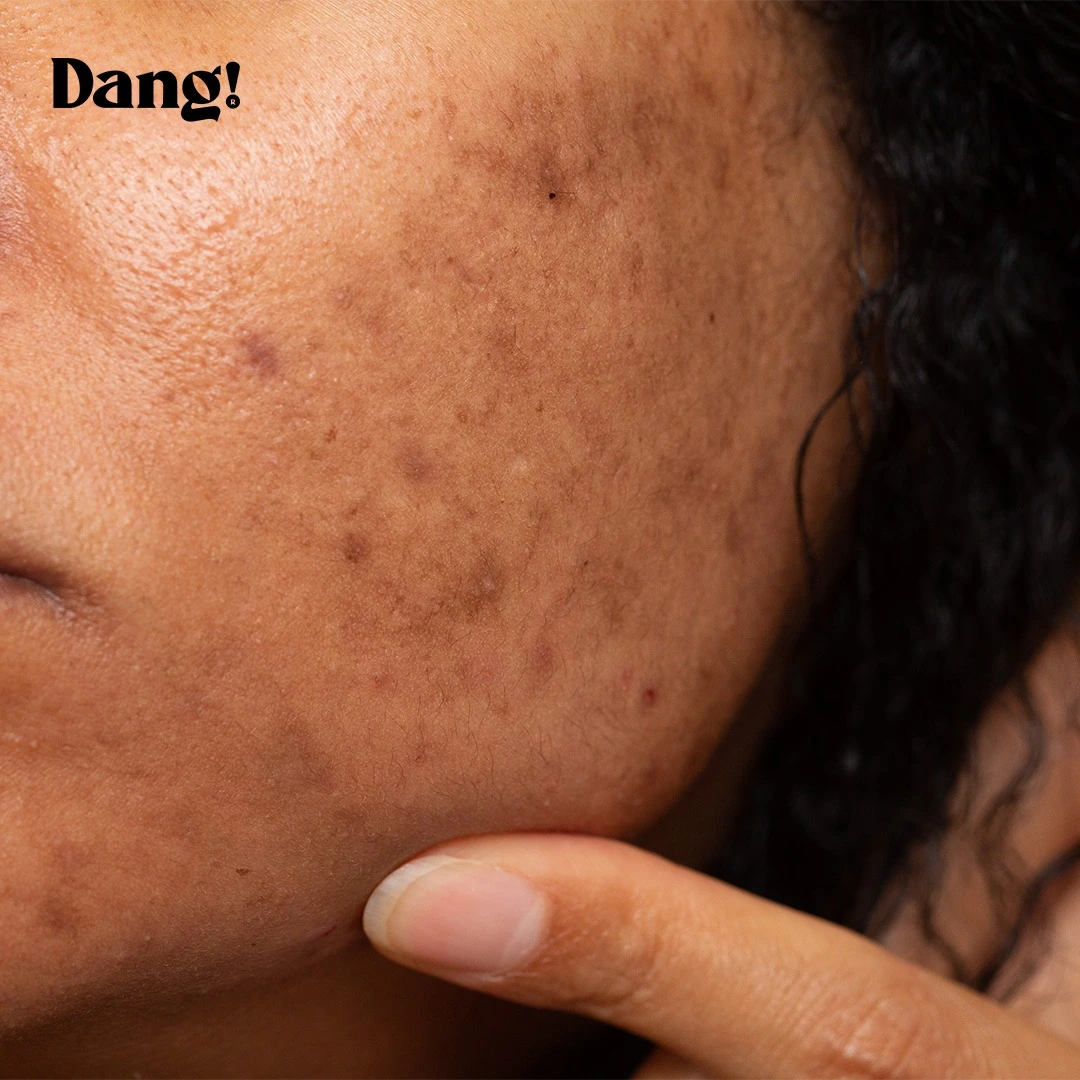
AI-Driven Diagnostics and Personalized Skin Mapping
The first step in treating any skin concern is an accurate diagnosis. Distinguishing between sunspots (solar lentigines), melasma, and post-inflammatory hyperpigmentation (PIH) requires a level of precision that the naked eye often lacks. This is where Artificial Intelligence and Machine Learning (ML) have stepped in to revolutionize the diagnostic process.
Computer Vision and Neural Networks in Dermatology
Modern skincare technology utilizes sophisticated computer vision algorithms to analyze the skin at a granular level. High-resolution imaging systems, often integrated into specialized kiosks or even smartphone apps, use “Deep Learning” to compare a user’s skin against databases containing millions of dermatological images. By identifying the specific depth and pattern of pigmentation, these AI tools can categorize a “dark spot” with a degree of accuracy that rivals professional dermatologists.
These neural networks analyze sub-surface patterns that are invisible to the human eye. For instance, they can detect UV damage that hasn’t yet reached the surface, allowing for proactive tech-based intervention. This software doesn’t just identify the spot; it tracks the “Melanin Index,” providing a quantitative metric to measure the success of treatments over time.
Digital Twins and Predictive Treatment Modeling
One of the most exciting developments in skincare tech is the concept of the “Digital Twin.” By creating a high-fidelity digital map of a user’s face, software can simulate how different treatments—be they lasers or chemical inhibitors—will affect the skin over three, six, or twelve months. This predictive modeling reduces the financial and physical risk of choosing the wrong treatment. Instead of wondering “Will this work for me?”, users can view an algorithmic projection of their skin’s progress, allowing for a data-backed decision-making process.
Advanced Laser Technology and Photon-Based Solutions
When topical treatments fail to penetrate deep enough, hardware becomes the primary solution. The evolution of laser technology has moved away from “ablative” methods (which remove the top layer of skin) toward highly targeted, non-invasive tech that treats the pigment without damaging the surrounding tissue.
Picosecond Lasers: The Physics of Pigment Shattering
The gold standard in tech-based spot removal is the Picosecond laser. Older laser technologies relied on photothermal action (heat) to break down pigment, which often carried a risk of “rebound” hyperpigmentation, especially in darker skin tones. Picosecond technology, however, operates on a “photoacoustic” principle.
By delivering energy in trillionths of a second (picoseconds), the laser creates a pressure wave that shatters melanin into tiny, dust-like particles. Because the pulse is so fast, the skin doesn’t have time to heat up, significantly reducing the risk of side effects. This is a triumph of engineering, requiring high-precision optics and ultra-fast switching components to deliver energy at speeds that were once relegated to experimental physics labs.
Targeted LED and IPL Innovations
Beyond high-intensity lasers, BroadBand Light (BBL) and Intense Pulsed Light (IPL) have seen significant technological upgrades. Modern IPL devices now feature integrated cooling systems and smart sensors that adjust the light intensity in real-time based on the skin’s moisture levels and melanin density.

Furthermore, wearable LED (Light Emitting Diode) technology has moved from the clinic to the home. High-end LED masks use specific wavelengths of light—typically green light (525nm) for hyperpigmentation—to target melanocytes and inhibit the overproduction of pigment. While less powerful than clinical lasers, the software controlling these devices ensures a consistent dosage, providing a “slow and steady” tech solution for spot reduction.
Smart Delivery Systems and Bio-Tech Formulations
The “what” in skincare is often limited by the “how.” Technology has stepped in to bridge the gap between active ingredients and the deeper layers of the dermis where dark spots originate.
Micro-Needle Patches and Controlled-Release Tech
Micro-needle technology represents a convergence of mechanical engineering and pharmacology. These are not needles in the traditional sense; they are microscopic, dissolvable structures made of active ingredients like tranexamic acid or vitamin C. When applied to a dark spot, these “smart patches” physically penetrate the stratum corneum (the outermost layer of skin).
The technology behind these patches involves precise micro-fabrication. Once the needles are embedded, they dissolve at a programmed rate, ensuring that the treatment is delivered directly to the source of the pigment. This is far more efficient than traditional creams, where up to 90% of the product may sit on the surface without being absorbed.
Synthetic Biology and Lab-Grown Brightening Agents
The tech sector is also redefining the ingredients themselves. Through synthetic biology and precision fermentation, companies are now “coding” yeast or bacteria to produce highly pure, bio-identical skin-brightening compounds. This bio-tech approach ensures that the ingredients used for dark spots are free from the impurities often found in traditional botanical extracts. It also allows for the creation of completely new molecules—designed via molecular modeling software—to block specific pathways in the melanogenesis process more effectively than any naturally occurring substance.
Data Security and Ethics in the Beauty-Tech Landscape
As we transition to a world where our faces are scanned, mapped, and analyzed by algorithms, the conversation must shift toward the digital security of our biometric data. The use of apps to treat dark spots brings skin health into the realm of “Big Data.”
Protecting Biometric Facial Data
When a user uploads a high-resolution photo to a skin-analysis app, they are sharing highly sensitive biometric information. Tech companies in this space are now being forced to adopt enterprise-level security protocols. End-to-end encryption and decentralized data storage are becoming standard for the most reputable “Beauty-Tech” firms. The “what can I use” question now includes a secondary consideration: “Is my data safe?” Choosing tools that comply with GDPR or CCPA standards is as important as choosing the right wavelength for a laser.
Addressing Algorithmic Bias in Skin Analysis
A significant hurdle in the development of skincare AI has been algorithmic bias. Historically, many datasets used to train skin-recognition software were skewed toward lighter skin tones. This led to inaccuracies when the tech was used on people of color, sometimes misidentifying benign spots or failing to recognize deeper issues.
The industry is currently undergoing a “correction” phase. Leading tech firms are diversifying their training sets and using “Synthetic Data” (computer-generated images of various skin tones and conditions) to ensure that the AI is equally effective for everyone. This push for “Algorithmic Equity” is essential to ensure that the technological revolution in skincare is inclusive and accurate for all users, regardless of their skin’s baseline pigment.

The Future: Integrating Tech into a Daily Regimen
The answer to “What can I use for dark spots?” has evolved into a sophisticated ecosystem of digital and physical tools. In the near future, we can expect a “Closed-Loop” skincare system: a smart mirror scans your face in the morning (AI), identifies emerging spots, and then 3D-prints a custom serum patch (Robotics) with ingredients specifically synthesized for your DNA (Bio-Tech).
As we embrace these advancements, the focus remains on precision. Technology allows us to move away from the “one-size-fits-all” approach, providing targeted solutions that are as unique as our own genetic code. Whether it is through the shattering power of a Picosecond laser or the predictive power of a neural network, the high-tech path to clear skin is more accessible—and more effective—than ever before.
aViewFromTheCave is a participant in the Amazon Services LLC Associates Program, an affiliate advertising program designed to provide a means for sites to earn advertising fees by advertising and linking to Amazon.com. Amazon, the Amazon logo, AmazonSupply, and the AmazonSupply logo are trademarks of Amazon.com, Inc. or its affiliates. As an Amazon Associate we earn affiliate commissions from qualifying purchases.