
The human brain is the most complex organ in the known universe, protected by a biological fortification known as the blood-brain barrier (BBB). While this barrier is essential for shielding our central nervous system from toxins and pathogens, it presents a monumental challenge for modern medicine. Approximately 98% of small-molecule drugs and nearly 100% of large-molecule therapeutics cannot cross this interface. However, a new era of technology—ranging from sophisticated nanobots to artificial intelligence and focused ultrasound—is beginning to breach this wall.
In the realm of MedTech and biotechnology, “what can cross the blood-brain barrier” is no longer just a biological question; it is a computational and engineering one. This article explores the cutting-edge technologies currently being developed to navigate, bypass, and permeate the BBB to treat neurological disorders.
The Biological Firewall and the Technological Challenge
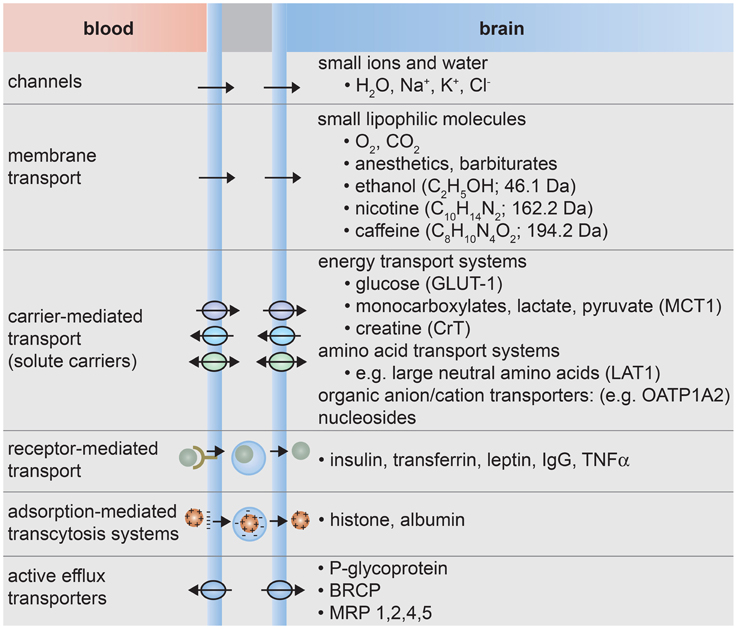
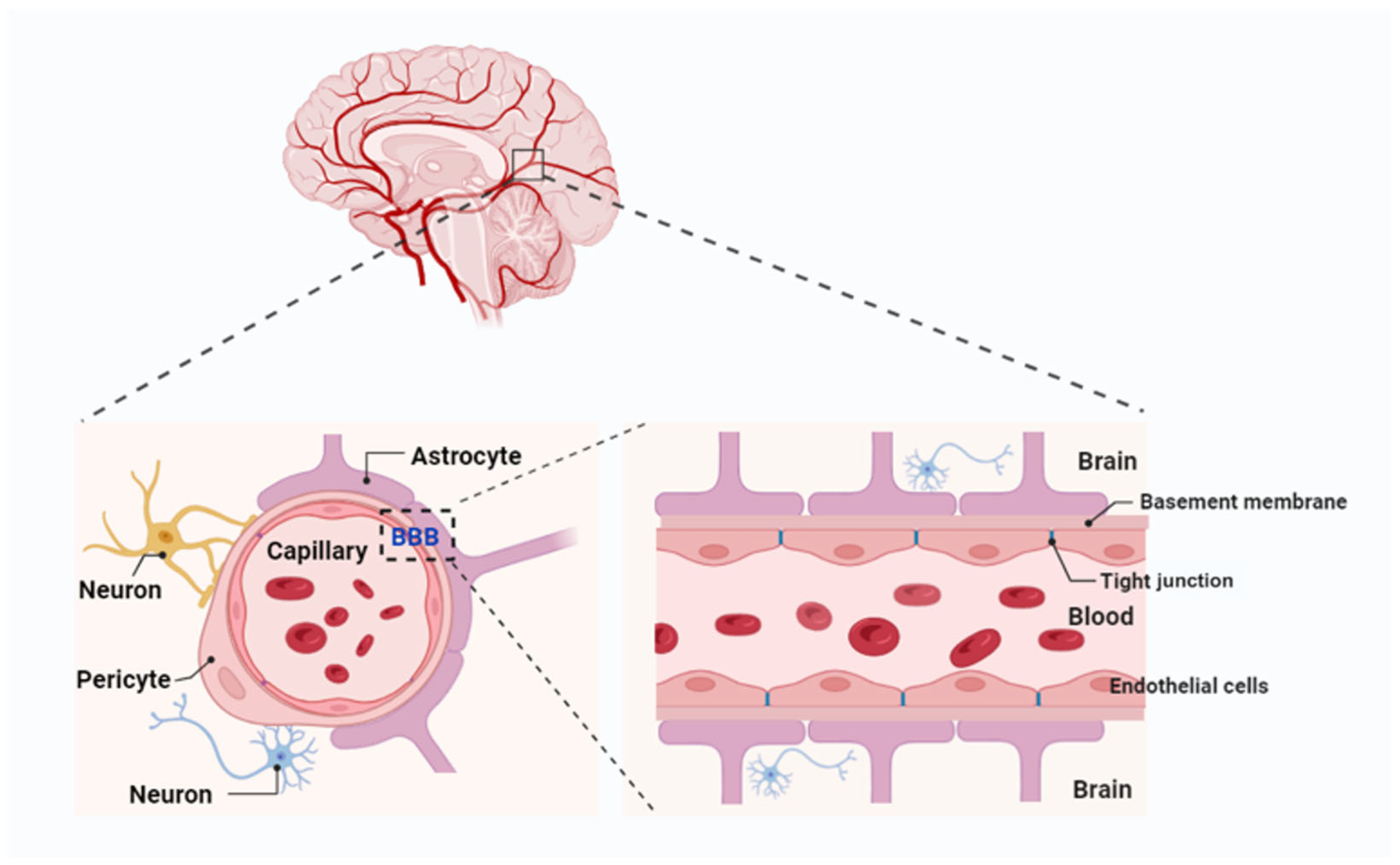
Before exploring the solutions, one must understand the “firewall” itself. The blood-brain barrier is a highly selective semipermeable border of endothelial cells that prevents solutes in the circulating blood from non-selectively crossing into the extracellular fluid of the central nervous system.
Understanding the BBB in a Digital Age
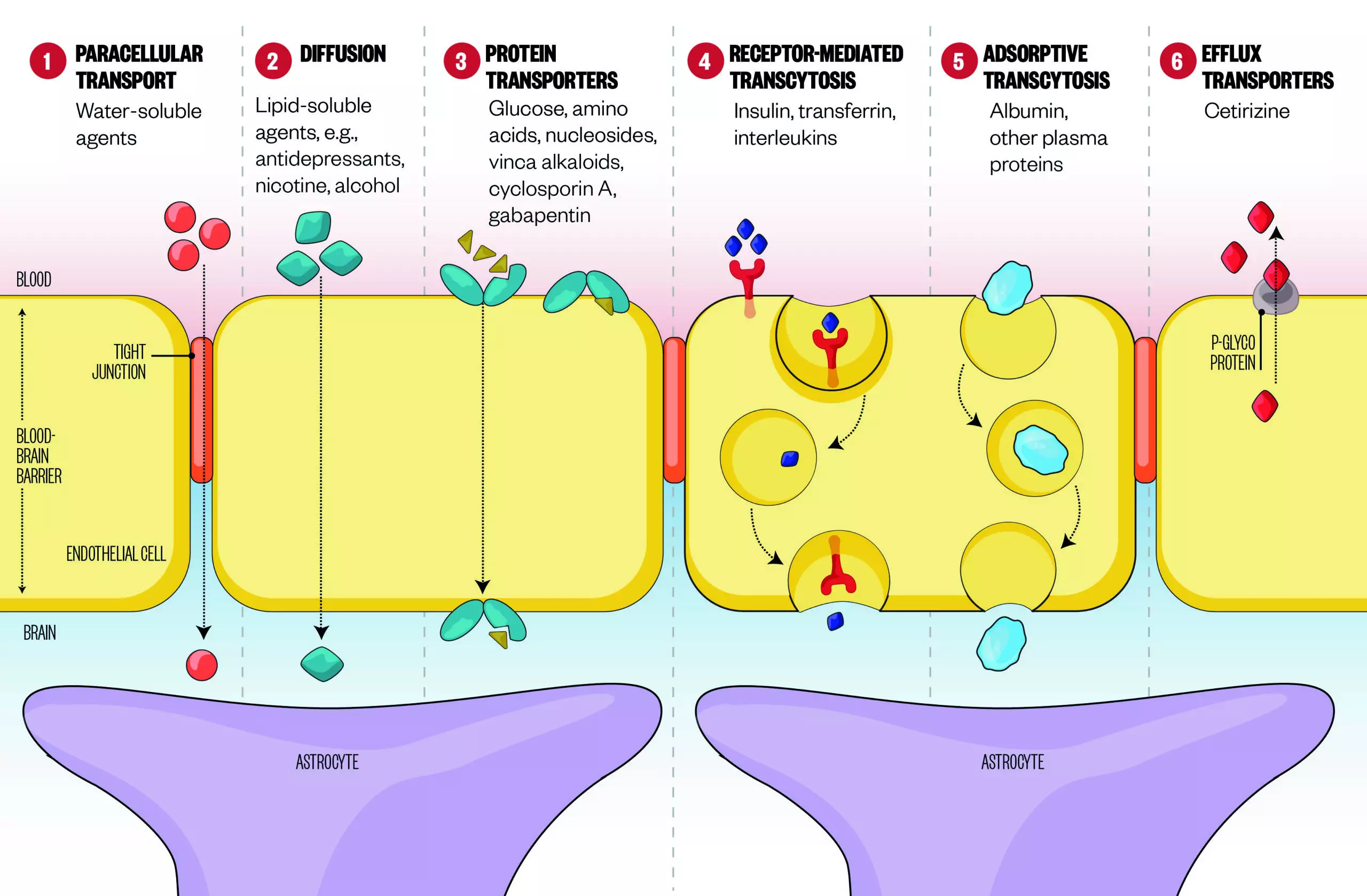
In technological terms, the BBB acts much like a sophisticated network security system. It uses “tight junctions” that act as physical locks, preventing passage between cells. To get “packets” (medicine) through, developers must either find a legitimate “port” (receptor-mediated transport) or use a “brute force” method that temporarily lowers the firewall without causing a system-wide crash.
Why Conventional Medicine Fails the Brain
Traditional pharmacology has largely relied on lipid solubility—the ability of a molecule to dissolve in fats—to sneak through the BBB. However, many of the most effective treatments for Alzheimer’s, Parkinson’s, and glioblastoma are water-soluble or too large to fit through the narrow gates. This has necessitated a shift from chemistry-only approaches to integrated technological solutions that leverage physics, engineering, and data science.
Nanotechnology: The Micro-Engineers of Neural Delivery
Nanotechnology represents the “hardware” side of the solution. By engineering delivery vehicles at the scale of atoms and molecules, researchers can create “Trojan Horses” that trick the BBB into allowing passage.
Liposomal and Polymeric Nanoparticles
One of the most promising tech trends in drug delivery is the use of liposomes—spherical vesicles composed of a lipid bilayer. Modern engineering allows these liposomes to be coated with ligands that mimic the nutrients the brain actively seeks, such as glucose or insulin.
Polymeric nanoparticles take this a step further. These are synthetic structures designed to encapsulate a drug and release it only when specific environmental triggers are met, such as a change in pH levels within the brain. By using biocompatible polymers, tech firms are creating “stealth” delivery systems that can circulate in the bloodstream for extended periods without being detected by the immune system, eventually docking at the BBB and delivering their cargo.
Gold Nanoparticles and Laser-Triggered Delivery
Recent breakthroughs have introduced gold nanoparticles into the neuro-tech landscape. Gold is chemically inert and highly controllable at the nanoscale. When these particles are injected and reach the BBB, they can be “activated” using external stimuli like near-infrared light or lasers. This excitation creates a localized, microscopic heat signature that temporarily loosens the tight junctions of the barrier, allowing therapeutic agents to flow through a precisely timed and located “open port.”
AI and Machine Learning: Mapping the Molecular Shortcut
While nanotechnology provides the physical vehicle, Artificial Intelligence (AI) provides the roadmap. The search for molecules that can cross the BBB was once a process of expensive trial and error. Today, AI tools and deep learning algorithms are revolutionizing molecular modeling.
Predicting Permeability with Deep Learning
AI models are now trained on massive datasets of chemical structures and their corresponding BBB permeability scores. Using “Quantitative Structure-Activity Relationship” (QSAR) models, software can predict with high accuracy whether a theoretical molecule will cross the barrier before it is ever synthesized in a lab. This “in silico” testing saves billions of dollars in R&D costs and accelerates the timeline for bringing life-saving tech to market.
Virtual Screening and De Novo Drug Design
Beyond just predicting, AI is now designing the keys to the barrier. De novo design tools use generative adversarial networks (GANs) to create entirely new molecular structures that are optimized specifically for BBB penetration. These AI-designed molecules are engineered to interact perfectly with transport proteins, essentially “hacking” the brain’s natural import system to gain entry.
Beyond Chemicals: Focused Ultrasound and Electromagnetic Interventions
Some of the most exciting innovations in crossing the BBB don’t involve drugs at all, but rather the use of physical waves and mechanical technology to create temporary openings.
Focused Ultrasound (FUS) and Microbubbles
Focused Ultrasound is a non-invasive tech that is currently in human clinical trials. The process involves injecting microscopic gas bubbles (microbubbles) into the patient’s bloodstream. When these bubbles reach the target area in the brain, clinicians apply high-frequency ultrasound waves.
The sound waves cause the microbubbles to vibrate (oscillate), which mechanically pushes against the walls of the blood vessels. This gentle physical pressure temporarily opens the tight junctions of the BBB for a window of about 4 to 6 hours. This “technological breach” allows large-molecule drugs or even stem cells to enter the brain tissue safely. Once the ultrasound is turned off, the barrier naturally closes, restoring the brain’s protection.
Electronic Tattoos and Neural Interfaces
The intersection of wearable tech and neurology is producing “electronic tattoos”—ultra-thin, flexible sensors that can monitor brain activity through the skull. While these don’t “cross” the barrier in a physical sense for drug delivery, they represent a breakthrough in data crossing. By using electromagnetic induction, these devices can influence neural signaling and potentially modulate the permeability of the BBB through targeted electrical stimulation. This field, known as “electroceuticals,” suggests a future where digital signals, rather than chemicals, are used to treat brain disorders.
The Future of Neuro-Tech and Data Ethics
As we develop technologies that can effectively breach the brain’s primary defense, we enter a new frontier of both medical potential and ethical complexity. The ability to cross the blood-brain barrier is the “killer app” of 21st-century medicine, but it requires rigorous oversight.
Integrating Neural Data with Healthcare Systems
The next step in this technological evolution is the integration of delivery systems with real-time data. Imagine a “smart” nanoparticle that crosses the BBB, monitors neurotransmitter levels, and transmits that data wirelessly to a physician’s dashboard via an implanted neural interface. We are moving toward a paradigm of “closed-loop” neurology, where the tech that crosses the barrier also reports back on its efficacy.
The Security of the Biological Core
As with any technology that bypasses a firewall, security is paramount. If we develop reliable ways to open the BBB, we must ensure these methods cannot be exploited. The tech community is already discussing the “cybersecurity of the body,” ensuring that focused ultrasound devices or nanobot controllers are protected from unauthorized access.
Conclusion: A New Era of Access
The question of “what can cross the blood-brain barrier” has evolved from a biological “no” to a technological “how.” Through the convergence of nanotechnology, AI-driven molecular design, and precision physical interventions like focused ultrasound, we are finally gaining access to the most protected region of the human body.
These technological trends signify a shift from treating symptoms to engineering cures. As these tools move from the lab to the clinic, the “impenetrable” wall of the BBB is becoming a gateway, promising a future where Alzheimer’s, brain tumors, and other neurological conditions are no longer incurable, but are simply technical challenges waiting for the right digital or mechanical solution. The frontier is open, and the tech of tomorrow is already halfway through the gate.
aViewFromTheCave is a participant in the Amazon Services LLC Associates Program, an affiliate advertising program designed to provide a means for sites to earn advertising fees by advertising and linking to Amazon.com. Amazon, the Amazon logo, AmazonSupply, and the AmazonSupply logo are trademarks of Amazon.com, Inc. or its affiliates. As an Amazon Associate we earn affiliate commissions from qualifying purchases.