
As the global marketplace shifts, a new demographic powerhouse is taking center stage: Generation Z. Born between the late 1990s and the early 2010s, this cohort is no longer just a group of teenagers; they are entering the workforce with significant purchasing power and a set of expectations that are fundamentally different from the Millennials who preceded them. For brand strategists, marketing executives, and corporate identity designers, understanding Generation Z characteristics is not merely an academic exercise—it is a prerequisite for survival in a hyper-competitive digital economy.
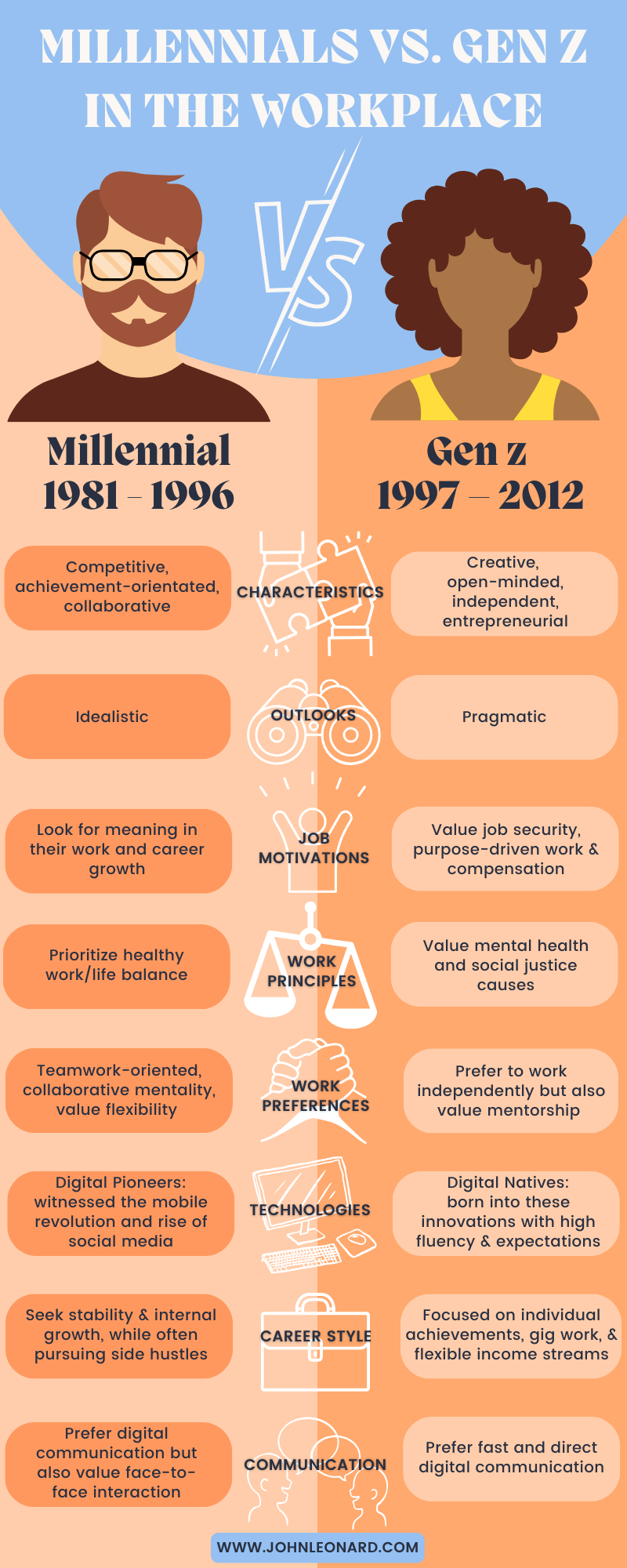
Gen Z is the first generation to be raised as true digital natives. They do not remember a world without high-speed internet or smartphones. This upbringing has forged a psychological profile defined by a demand for transparency, a penchant for pragmatism, and an inherent skepticism toward traditional corporate messaging. To capture their loyalty, brands must move beyond superficial aesthetics and lean into deep-seated values.

The Shift Toward Radical Authenticity
One of the most defining Generation Z characteristics is an allergy to “over-polished” marketing. While Millennials were often associated with the “Instagram Aesthetic”—perfectly curated grids, pastel colors, and idealized lifestyles—Gen Z has pivoted toward a “lo-fi” or “raw” aesthetic. This shift has profound implications for brand identity and visual communication.
Moving Beyond the “Polished” Aesthetic
For a brand to resonate with Gen Z, its visual identity must feel lived-in and relatable. This generation values the “perfectly imperfect.” We see this in the rise of platforms like BeReal and the popularity of unedited, handheld video content on TikTok. Brands that use high-production, glossy advertisements often find themselves ignored or, worse, mocked. To align with Gen Z, corporate design is moving toward bolder typography, clashing colors (often referred to as “Gen Z Yellow” or “Neo-Kitsch”), and imagery that features diverse, real people in everyday settings rather than professional models in studios.
The Power of User-Generated Content (UGC)
In the eyes of Gen Z, a peer’s recommendation is worth a thousand celebrity endorsements. This has led to the dominance of User-Generated Content (UGC) as a core pillar of brand strategy. When a brand integrates content created by real customers into their official channels, they signal that they are part of a community rather than a distant entity. This “community-first” approach builds trust, as Gen Z views UGC as a more authentic representation of a product’s value than a scripted commercial.
Purpose-Driven Consumption and Corporate Social Responsibility
Generation Z is arguably the most socially conscious generation to date. They do not view their purchases as isolated transactions; they view them as an extension of their personal brand and a vote for the kind of world they want to live in. Consequently, brand strategy must now integrate Corporate Social Responsibility (CSR) into the very fabric of the business model.
Sustainability as a Non-Negotiable
Climate change is a primary concern for this demographic. Characteristics of Gen Z shopping habits show a clear preference for brands that utilize sustainable materials, minimize plastic packaging, and offer circular economy options like repair services or resale platforms. However, brands must be cautious of “greenwashing.” Gen Z is highly adept at researching a company’s environmental claims. If a brand’s “green” campaign is found to be a mere marketing ploy without systemic backing, the resulting backlash can be catastrophic for the brand’s reputation.
Ethical Supply Chains and Social Justice
Beyond the environment, Gen Z expects brands to take a stand on social issues, ranging from racial equity to LGBTQ+ rights and fair labor practices. In the past, brands were advised to stay neutral to avoid alienating customers. Today, for Gen Z, neutrality is often interpreted as complicity. A successful brand strategy for this era involves a clear, consistent stance on social justice. This doesn’t mean jumping on every trending hashtag; rather, it requires a long-term commitment to ethical supply chains and inclusive internal hiring practices that are reflected in the brand’s outward communication.
Omnichannel Engagement in the Age of Short-Form Content
The way Gen Z consumes information is rapid, non-linear, and mobile-first. Their digital fluency means they navigate between different platforms with ease, but their attention is a scarce commodity. Brands must adapt their communication styles to meet Gen Z in the specific digital environments where they spend their time.
Mastering the 8-Second Attention Span
Research often cites that Gen Z has an average attention span of about eight seconds when it comes to digital content. While this is often framed negatively, it actually indicates a highly sophisticated “BS filter.” They can determine the relevance of a piece of content almost instantly. For marketers, this means the value proposition must be front-loaded. Long, slow-burn brand stories are being replaced by punchy, high-impact short-form videos. The narrative must be engaging from the first frame, using sound-on strategies and fast-paced editing to maintain interest.
The Rise of Social Commerce
For Gen Z, the line between social media and e-commerce has blurred entirely. They use platforms like TikTok and Instagram not just for entertainment, but as search engines and shopping malls. This has given rise to “Social Commerce,” where the path to purchase happens entirely within a social app. A robust brand strategy must ensure that the transition from discovering a product to checking out is seamless. If a brand’s mobile site is slow or the checkout process is cumbersome, Gen Z will likely abandon the cart in favor of a more tech-savvy competitor.
Personalization and Hyper-Individualism
Gen Z rejects the “one-size-fits-all” approach of the past. They celebrate individuality and expect brands to treat them as unique participants in a brand’s journey rather than just a number in a database. This desire for personalization influences everything from product design to email marketing.
Community-Centric Marketing
Instead of targeting broad demographics, savvy brands are targeting “micro-communities.” Whether it is a group of sustainable fashion enthusiasts, indie gamers, or skincare obsessives, Gen Z gravitates toward brands that cultivate a sense of belonging. This is often achieved through Discord servers, exclusive “close friends” lists on Instagram, or collaborative design projects where customers get to vote on upcoming product releases. By fostering a community, a brand becomes a part of the consumer’s identity.
Data Privacy vs. Tailored Experiences
There is an interesting paradox in Generation Z characteristics: they value privacy, yet they expect highly personalized experiences. They are well aware of how their data is being used and are generally willing to exchange it for tangible value—such as personalized recommendations or exclusive discounts—provided the brand is transparent about its data practices. Brand strategy must therefore balance sophisticated AI-driven personalization with a clear, ethical “privacy-first” identity. Brands that are transparent about their data usage build a level of trust that facilitates deeper consumer relationships.

Conclusion: The Future of Branding is Human-Centric
To successfully market to Generation Z, brands must undergo a fundamental transformation. The traditional top-down approach to corporate identity is being replaced by a more horizontal, conversational, and value-driven model. The characteristics of Generation Z—their demand for authenticity, their commitment to social ethics, their digital agility, and their quest for individuality—are reshaping the global brand landscape.
The brands that will thrive in the coming decade are those that stop acting like faceless corporations and start acting like responsible, transparent, and creative members of the global community. By prioritizing “people and planet” alongside profit, and by embracing the chaotic, vibrant, and fast-paced nature of the digital world, companies can build lasting relationships with the most influential generation of our time. In the end, Gen Z doesn’t just want to buy from a brand; they want to believe in it.
aViewFromTheCave is a participant in the Amazon Services LLC Associates Program, an affiliate advertising program designed to provide a means for sites to earn advertising fees by advertising and linking to Amazon.com. Amazon, the Amazon logo, AmazonSupply, and the AmazonSupply logo are trademarks of Amazon.com, Inc. or its affiliates. As an Amazon Associate we earn affiliate commissions from qualifying purchases.