
The human lymphatic system is an intricate network of vessels, nodes, and organs that acts as the body’s primary defense mechanism against infection and disease. Often referred to as “glands,” lymph nodes are small, bean-shaped structures scattered throughout the body, with high concentrations found in the neck, underarms, and groin. When these nodes become enlarged—a condition medically known as lymphadenopathy—it is rarely a random occurrence. Rather, it is a deliberate, physiological response indicating that the body’s immune system is actively combating an external threat or internal abnormality. Understanding the root causes of this swelling requires a deep dive into the biological triggers that shift these nodes from a state of quiet surveillance to active defensive engagement.
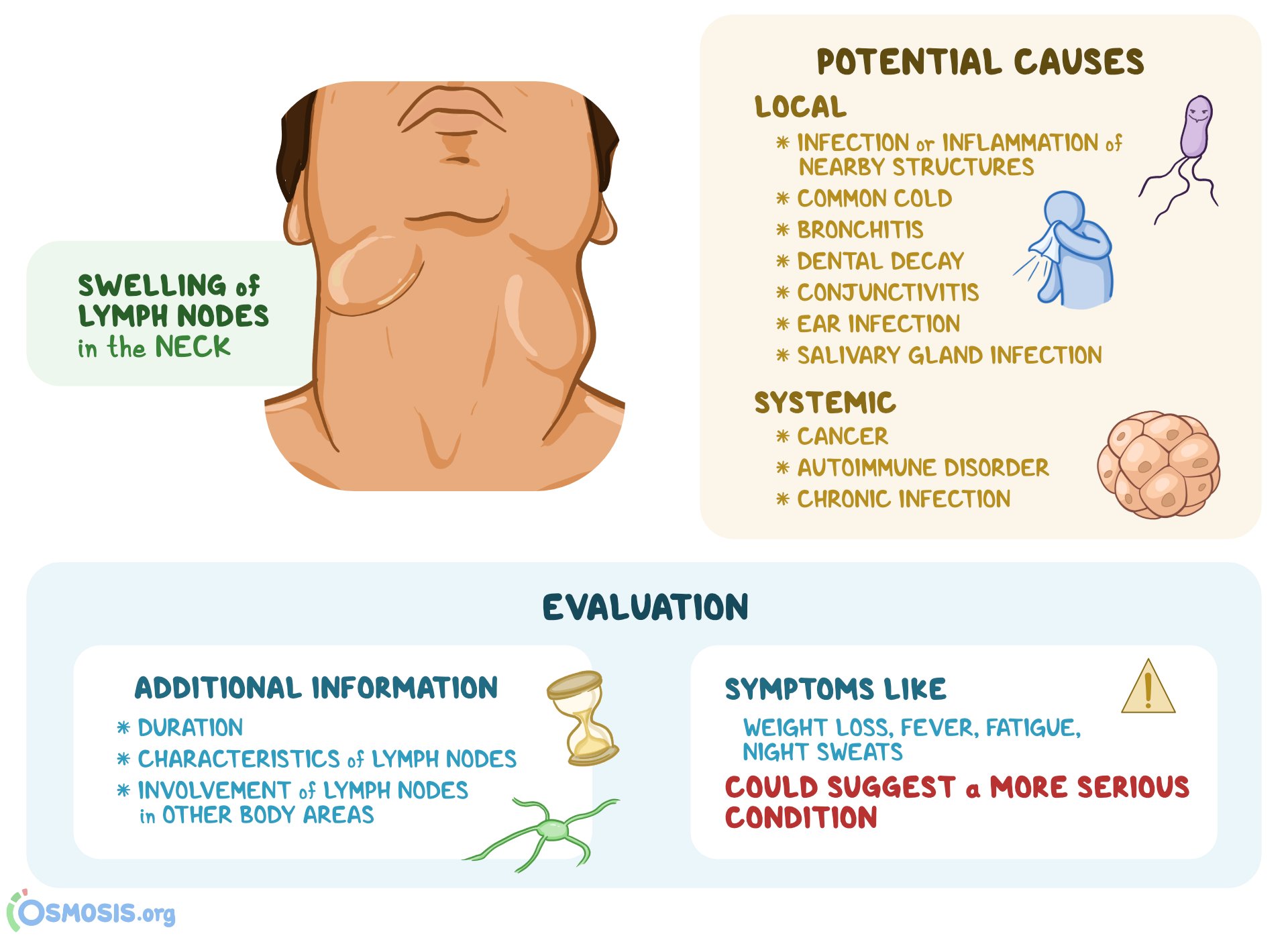
The Role of the Immune System in Lymphatic Response
To grasp why lymph nodes swell, one must first understand their function. Lymph nodes act as biological filters. As lymph fluid—a clear fluid containing white blood cells—circulates through the body, it passes through these nodes. Within the nodes, specialized immune cells, specifically lymphocytes (B cells and T cells), reside to screen for pathogens.
When a threat is detected, the body initiates a rapid mobilization process. The lymph nodes become “reactive,” meaning they begin producing more white blood cells to neutralize the threat. This increased production, combined with the accumulation of trapped pathogens and cellular debris, physically expands the node. The swelling is essentially a sign that the body’s “garrison” is reinforcing its defenses to contain an infection.
Localized vs. Generalized Lymphadenopathy
The clinical manifestation of enlarged nodes is typically categorized into two types: localized and generalized. Localized lymphadenopathy occurs when swelling is confined to a specific area near an infection or site of injury. For instance, an infected tooth might cause swelling in the submandibular nodes (under the jaw), while a skin infection on the arm might trigger swelling in the axillary (underarm) nodes.
Generalized lymphadenopathy, conversely, involves swelling in two or more non-contiguous regions of the body. This is a more systemic indicator, often suggesting a widespread infection, an autoimmune disorder, or, in more serious scenarios, a malignancy. Differentiating between these two states is the primary task in identifying the underlying cause of the condition.
Common Infectious Causes: The Body’s Frontline Defense
In the vast majority of cases, enlarged lymph nodes are the direct result of an infection. Because the lymphatic system is the transit route for immune cells, it is the first place to react when a microbe gains entry to the body.
Viral Infections and Systemic Immune Engagement
Viral infections are perhaps the most frequent culprits behind transient lymph node enlargement. Common conditions such as the common cold, influenza, and mononucleosis (often called “the kissing disease”) place significant demand on the immune system. In the case of mononucleosis, caused by the Epstein-Barr virus, the swelling of cervical (neck) lymph nodes is a classic diagnostic symptom. The body is essentially undergoing a massive activation of T-lymphocytes to manage the viral load, leading to visible and palpable growth in the nodes.
Bacterial and Fungal Triggers
Bacterial infections also cause significant node expansion. Strep throat, ear infections, and skin infections like cellulitis are common triggers. In these instances, the lymph nodes downstream of the infection site work to trap bacteria and prevent them from entering the bloodstream, a process that leads to inflammation and tenderness. Less common, but clinically significant, are fungal infections or localized infections resulting from cat-scratch disease, which can cause persistent swelling in the lymph nodes nearest to the site of the scratch or bite.
Inflammatory and Autoimmune Drivers
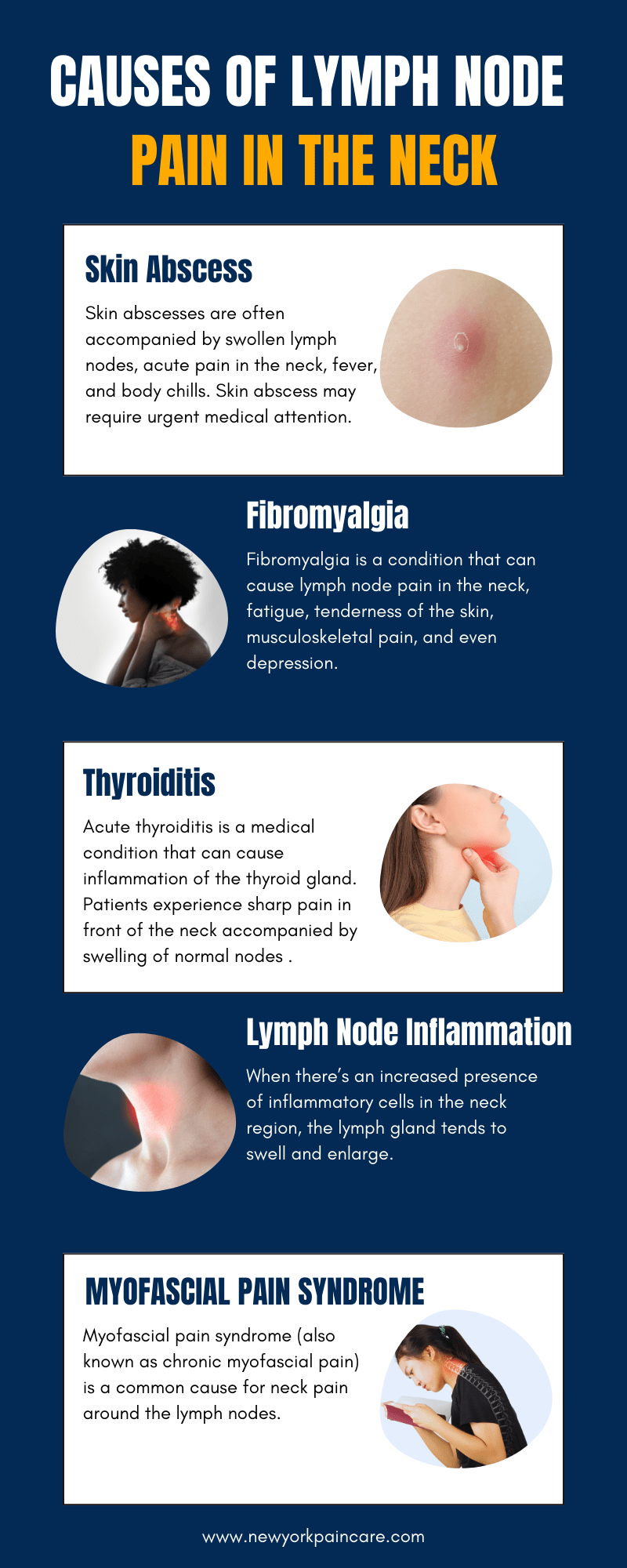
Beyond external microbes, the lymphatic system can react to internal chemical signals. In cases of chronic inflammation or autoimmune disorders, the immune system becomes “confused,” identifying the body’s own tissues as foreign invaders.
Rheumatoid Arthritis and Lupus
Conditions such as Rheumatoid Arthritis (RA) and Systemic Lupus Erythematosus (SLE) involve chronic, systemic inflammation. Because these diseases keep the immune system in a perpetual state of high alert, the lymph nodes may remain chronically enlarged. In these patients, the swelling is not a reaction to a temporary bacteria or virus, but rather a byproduct of the constant activation of the immune system’s inflammatory pathways.
The Impact of Medication and Allergic Reactions
It is also important to note that lymphadenopathy can be a side effect of certain pharmacological agents. Drugs used to treat seizures, such as phenytoin, or certain preventative medications for malaria, have been linked to “pseudolymphoma”—a condition where nodes enlarge in a way that mimics lymphoma but is actually a reactive response to the chemical compounds in the medication. Once the medication is discontinued, the nodes typically return to their normal size, proving that the reaction was driven by chemical sensitivity rather than a disease process.
Identifying Malignancy: When to Seek Professional Evaluation
While most causes of enlarged lymph nodes are benign and resolve as the underlying infection clears, there are instances where persistent or unexplained swelling warrants medical intervention. The primary concern in these cases is the potential for malignancy, such as lymphoma or metastatic cancer.
Signs of Concern
When evaluating the cause of swelling, medical professionals look for specific “red flags.” These include nodes that are hard, fixed to the underlying tissue, painless, or those that continue to grow over several weeks. A node that feels rubbery or is entirely immobile when pushed is significantly more concerning than a tender, soft node that fluctuates in size.
Furthermore, accompanying symptoms—frequently referred to as “B symptoms”—provide vital clues. Unexplained weight loss, drenching night sweats, and persistent fevers are systemic signals that suggest the lymphatic enlargement may be related to a hematological malignancy, such as Hodgkin or non-Hodgkin lymphoma. In these instances, the cancer cells themselves begin to proliferate within the lymph nodes, causing them to enlarge not because they are fighting an infection, but because they are being replaced by malignant tissue.
Metastatic Spread
In the context of solid tumors, lymph nodes are often the first “staging post” for cancer cells migrating from a primary site. For example, breast cancer often spreads to the axillary nodes, while head and neck cancers frequently involve the cervical nodes. In these cases, the node enlargement is a symptom of metastasis. Detecting these changes early is critical, as it dictates the stage of the cancer and the subsequent approach to treatment.

Diagnostic Pathways and Conclusion
Determining the exact cause of enlarged lymph nodes is a process of elimination. A physician will typically begin with a thorough physical examination, assessing the size, texture, and location of the nodes. They will look for markers of infection, such as throat redness or skin lesions, and review the patient’s clinical history for signs of systemic disease.
If the cause is not immediately apparent, diagnostic tools become necessary. Blood tests can identify elevated white blood cell counts or specific inflammatory markers. Imaging studies, such as ultrasounds or CT scans, can provide a clearer picture of the internal structure of the nodes. In cases where the cause remains elusive or malignancy is suspected, a lymph node biopsy remains the gold standard for a definitive diagnosis.
In summary, while the sight or sensation of an enlarged lymph node can be unsettling, it is important to remember that it is, in most instances, a sign that the body’s sophisticated immune system is functioning exactly as it should. Whether responding to a minor viral infection or acting as a guardian against more serious threats, the lymphatic system serves as the body’s frontline monitor. By remaining vigilant about changes in these nodes and seeking professional guidance when swelling persists, individuals can ensure that their health is monitored with the precision required to differentiate between a temporary, harmless immune response and a condition that requires timely medical attention.
aViewFromTheCave is a participant in the Amazon Services LLC Associates Program, an affiliate advertising program designed to provide a means for sites to earn advertising fees by advertising and linking to Amazon.com. Amazon, the Amazon logo, AmazonSupply, and the AmazonSupply logo are trademarks of Amazon.com, Inc. or its affiliates. As an Amazon Associate we earn affiliate commissions from qualifying purchases.