
In the world of personal and business finance, a civil trial is often viewed as the ultimate mechanism for resolving disputes that involve monetary value, contractual obligations, or personal injury. Unlike criminal trials, which focus on guilt, punishment, and the deprivation of liberty, civil trials are fundamentally centered on restitution and the transfer of capital. Whether it is a breach of contract between two corporations or a personal injury claim filed by an individual, the civil trial serves as a structured legal process designed to determine liability and quantify the financial compensation required to “make the plaintiff whole.”
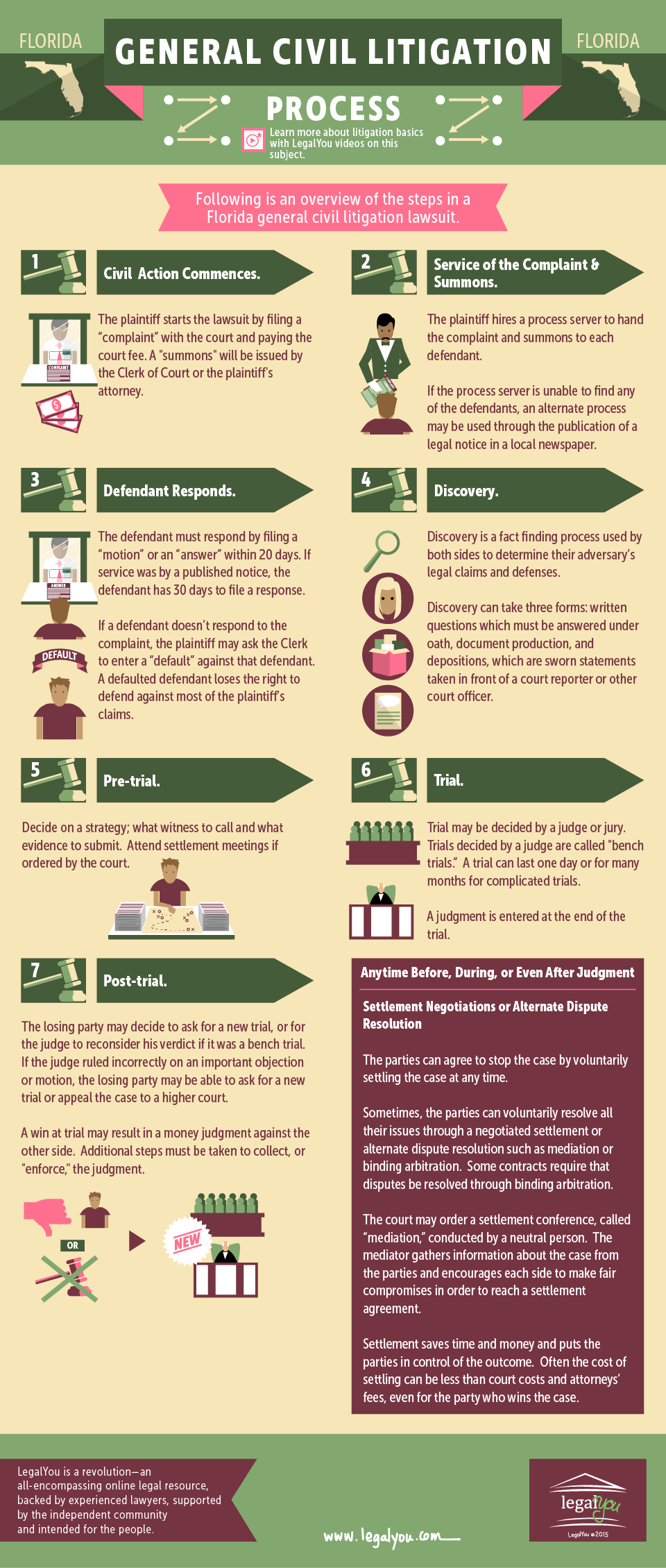
For entrepreneurs, investors, and individuals, understanding the mechanics of a civil trial is not just a matter of legal curiosity—it is a critical component of financial risk management. This guide explores the civil trial through a financial lens, examining the costs, the strategic decision-making involved in settlements, and the long-term impact on a party’s balance sheet.
The Financial Landscape of Civil Litigation
At its core, a civil trial is a dispute between two private parties—the plaintiff and the defendant. While the court provides the venue and the judge or jury provides the verdict, the primary objective is almost always financial. Understanding the underlying financial principles of these trials is essential for anyone navigating a legal dispute.
Compensation vs. Punishment
The primary goal of a civil trial is “compensatory damages.” This is a financial award intended to reimburse the plaintiff for actual losses incurred. These losses can include medical expenses, lost wages, property damage, or lost profits in a business context. In some rare cases, the court may award “punitive damages.” These are not meant to reimburse the plaintiff but are intended to financially penalize the defendant for particularly egregious or reckless behavior. From a financial planning perspective, punitive damages represent a significant “black swan” risk for businesses, as they can far exceed the actual damages caused.
Assessing the Value of a Claim
Before a trial even begins, both parties must engage in a rigorous financial assessment. This involves calculating the “Net Present Value” of the lawsuit. A plaintiff must weigh the potential reward against the probability of success and the mounting legal costs. Conversely, a defendant must calculate the cost of a potential judgment plus legal fees versus the cost of an early settlement. This financial modeling is what drives the majority of legal strategy; in the civil world, the courtroom is often the last resort when financial negotiations fail.
The Real Cost of Seeking Justice: Budgeting for the Courtroom
One of the most significant hurdles in any civil trial is the sheer cost of the process. For many small businesses and individuals, the “burn rate” of a legal battle can be more damaging than the original dispute itself. Navigating a civil trial requires a sophisticated understanding of legal billing and the secondary costs associated with discovery and expert testimony.
Attorney Fees and Billing Structures
The most immediate cost in any civil trial is the legal representation. Attorneys generally bill in one of two ways: hourly rates or contingency fees.
-
Hourly Rates: Common in business-to-business litigation, hourly rates can range from $200 to over $1,000 per hour depending on the firm’s prestige and location. For a trial that lasts several years, these costs can easily reach into the hundreds of thousands, or even millions, of dollars.
-
Contingency Fees: Often used in personal injury or class-action suits, the attorney takes a percentage (usually 33% to 40%) of the final settlement or judgment. While this reduces the upfront financial risk for the plaintiff, it significantly reduces the net amount they receive upon winning.
Expert Witness Fees and Discovery Costs
Beyond attorney fees, the “discovery” phase of a civil trial is a massive financial undertaking. This is the period where both sides exchange documents, take depositions, and gather evidence. In the digital age, “E-discovery”—the searching and processing of millions of emails and digital files—can cost tens of thousands of dollars. Furthermore, civil trials often require “expert witnesses,” such as forensic accountants, medical specialists, or industry analysts. These experts charge significant fees to analyze data and testify in court, often adding a substantial layer to the litigation budget.
Navigating Settlements and Financial Risk Management
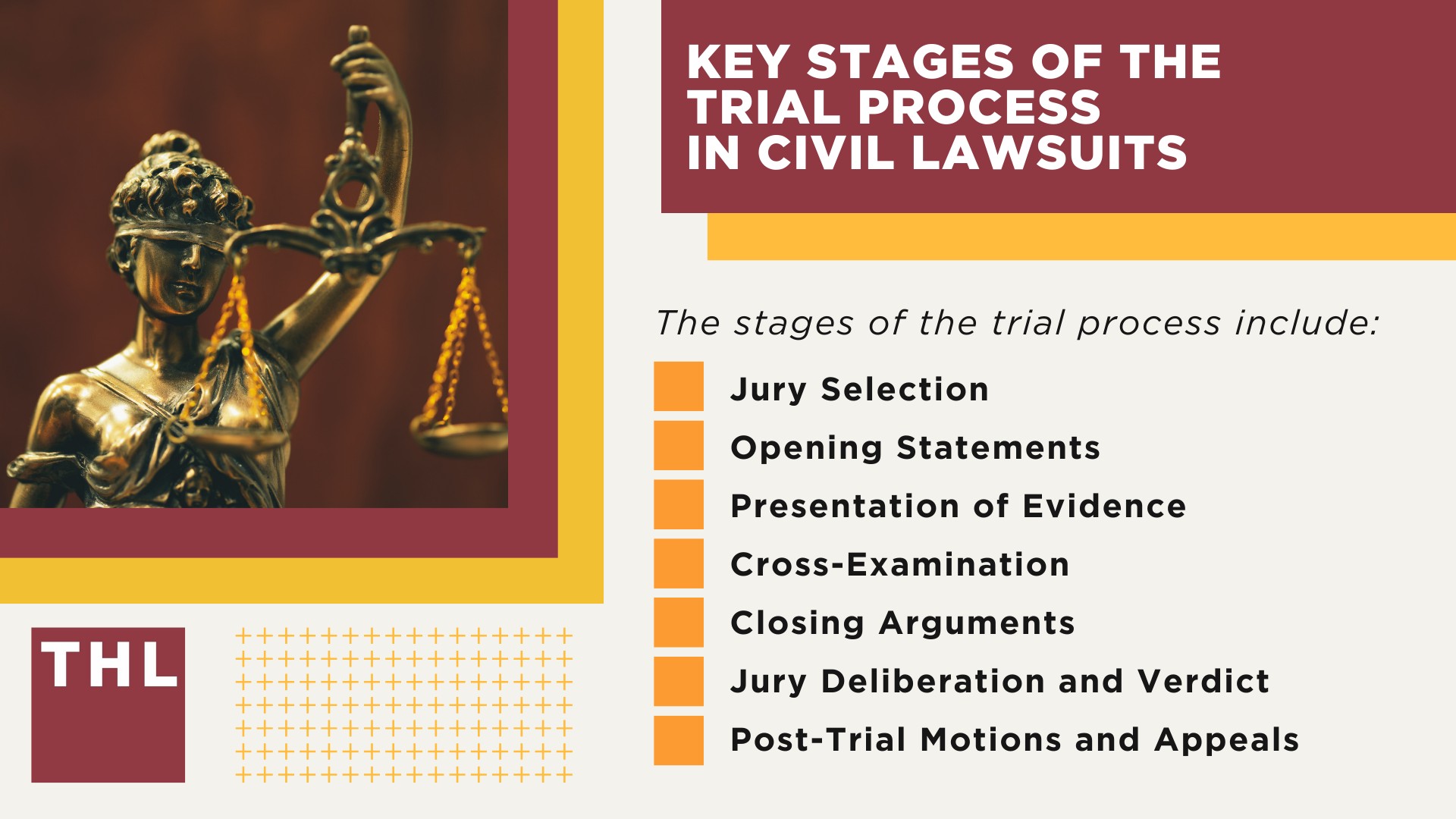
Because of the high costs and inherent unpredictability of a jury, approximately 90% to 95% of civil cases never reach a final verdict. Instead, they end in a settlement. A settlement is essentially a financial contract where the plaintiff agrees to drop the lawsuit in exchange for a specific sum of money from the defendant.
The Cost-Benefit Analysis of Settling Early
From a business finance perspective, settling is often the most logical path. A trial carries “litigation risk”—the possibility that a jury might return a verdict far higher than expected. By settling, a defendant buys “certainty.” They can cap their losses and move on without the continued drain on their resources and the negative impact on their credit or reputation. For the plaintiff, a settlement provides immediate liquidity. Rather than waiting years for a trial and potential appeals, they receive capital that can be reinvested or used to cover immediate needs.
Tax Implications of Legal Settlements
A frequently overlooked aspect of civil trials is the tax treatment of the resulting funds. The IRS treats different types of settlements differently. Generally, proceeds received for physical personal injury are tax-exempt. However, settlements for lost profits, breach of contract, or emotional distress are often considered taxable income. For a business, this means that a $1,000,000 settlement might only yield $700,000 after taxes. Professional financial advice is crucial during settlement negotiations to ensure the “net” take-home pay is sufficient to cover the losses.
Modern Financial Tools for Litigation
As the costs of civil trials have skyrocketed, the financial industry has developed new products to help parties manage the burden. These tools have turned litigation into an “asset class” of its own, attracting investors and providing much-needed capital to cash-strapped litigants.
Third-Party Litigation Funding (TPLF)
Litigation funding is a burgeoning sector in the world of finance. In this model, an outside investor (such as a hedge fund or a specialized funding firm) provides the capital to cover a plaintiff’s legal fees in exchange for a portion of the final recovery. If the plaintiff loses, the funder gets nothing. This allows smaller companies to “punch above their weight class” against larger corporations with deep pockets. From an investment standpoint, litigation funding is attractive because its returns are “non-correlated”—meaning a courtroom win is not affected by stock market volatility or interest rate hikes.
Legal Expense Insurance
For businesses, Legal Expense Insurance (LEI) acts as a buffer against the volatility of a civil trial. Much like fire or health insurance, LEI covers the costs of legal advice and representation if a company is sued or needs to bring a claim. This shifts the financial risk from the company’s balance sheet to the insurer. For startups and mid-sized firms, having this type of financial coverage can be the difference between surviving a lawsuit and filing for bankruptcy.
Post-Trial Financial Outcomes: Judgments and Collections
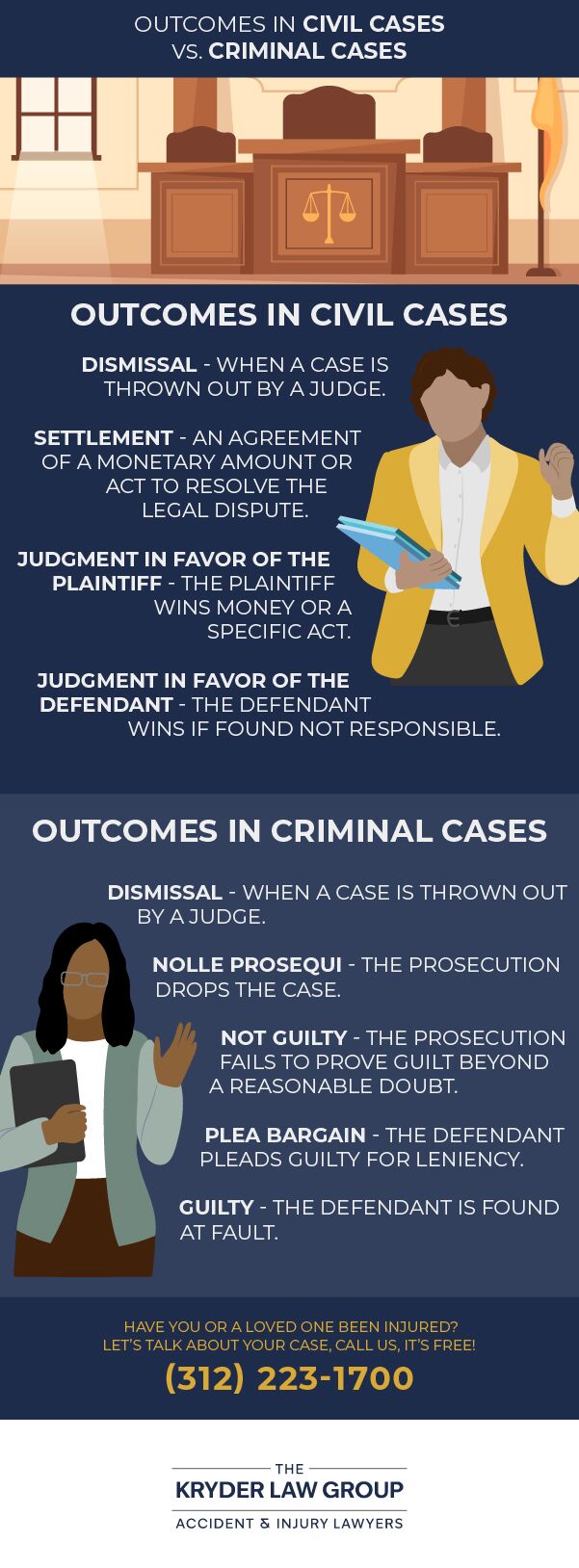
The end of a civil trial is marked by a “judgment.” However, it is a common misconception that a judgment automatically results in a check being cut. In the world of finance, a judgment is simply a “debt” that the court recognizes—it still must be collected.
The Challenge of Collection
Winning a million-dollar judgment is meaningless if the defendant is “judgment proof”—meaning they have no assets, no insurance, and no income to garnish. Savvy plaintiffs perform “asset searches” before even filing a lawsuit to ensure that the defendant has the financial capacity to pay. If a defendant refuses to pay, the plaintiff may have to hire specialized collection agencies or seek further court orders to seize bank accounts, place liens on property, or garnish wages. This adds another layer of time and expense to the financial lifecycle of a trial.
The Impact on Credit and Valuation
For a business, being involved in a significant civil trial can have a lingering effect on its financial health. Pending litigation must be disclosed in audited financial statements, which can spook investors and make it harder to secure loans. A large judgment against a company can decrease its valuation during an acquisition or merger. Conversely, a significant win can provide a massive cash infusion that funds future growth.
In conclusion, a civil trial is more than a legal procedure; it is a complex financial event. From the initial assessment of damages to the final collection of a judgment, every step requires a deep understanding of costs, risks, and capital management. By viewing the civil trial as a financial challenge, individuals and businesses can better navigate the legal system and protect their long-term economic interests.
aViewFromTheCave is a participant in the Amazon Services LLC Associates Program, an affiliate advertising program designed to provide a means for sites to earn advertising fees by advertising and linking to Amazon.com. Amazon, the Amazon logo, AmazonSupply, and the AmazonSupply logo are trademarks of Amazon.com, Inc. or its affiliates. As an Amazon Associate we earn affiliate commissions from qualifying purchases.