
Presale tickets represent an exclusive window for consumers to purchase event tickets before they become available to the general public. This mechanism, while seemingly straightforward, involves a nuanced interplay of financial strategies, marketing tactics, and consumer behavior that profoundly impacts personal finance and entertainment budgeting. Understanding how presales operate is crucial for anyone looking to secure highly sought-after tickets, potentially save money, or simply navigate the competitive world of live event ticketing more effectively.
Understanding the Mechanics of Presale Tickets
At its core, a presale is an early access period designed to reward specific groups or stimulate initial demand for an event. It’s a strategic move by artists, promoters, and venues to manage ticket distribution, build hype, and ensure a strong initial showing before the broad market launch.
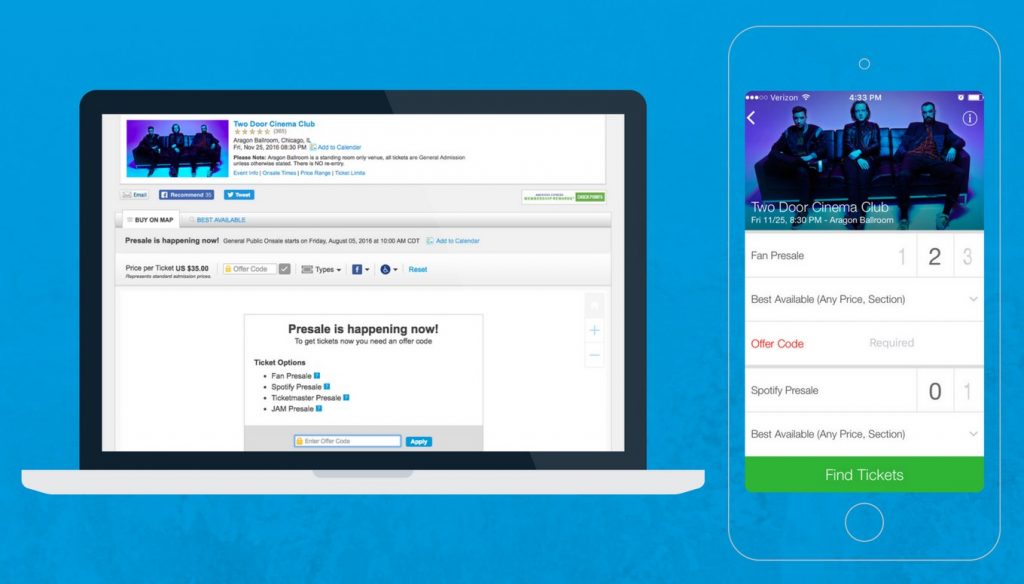
What is a Presale?
A presale, by definition, is a designated period, typically lasting from a few hours to several days, where a limited number of tickets for an event are made available for purchase prior to the public on-sale date. Access to these tickets is usually restricted to specific groups or individuals who possess a unique code, membership, or qualify through particular affiliations. This early access often provides consumers with a significant advantage, increasing their likelihood of securing tickets for popular events that might sell out quickly during the general sale. From a financial perspective, presales allow individuals to allocate funds for specific events ahead of time, integrating these purchases into their personal budgeting plans rather than facing the uncertainty and potential impulse spending of a general sale.
Why Do Artists and Venues Offer Presales?
The motivations behind offering presale opportunities are multi-faceted and often carry significant financial implications for all parties involved. For artists and promoters, presales are a powerful tool for:
-
Demand Management and Early Sales: Presales help gauge initial demand and lock in early revenue, providing a clearer financial picture for the event. This early financial commitment reduces risk for promoters and allows for more accurate projections regarding potential sell-outs and required capacity.
-
Fan Loyalty and Engagement: Rewarding dedicated fans with early access strengthens their connection to the artist or brand. Fan club presales, in particular, monetize loyalty through membership fees while offering a tangible benefit. This engagement can lead to repeat purchases and long-term financial support.
-
Mitigating Scalping: By distributing tickets through controlled presale channels, organizers aim to reduce the inventory available to professional ticket scalpers who might otherwise buy large blocks during the general sale to resell at inflated prices. While not foolproof, it helps to keep more tickets in the hands of genuine fans at face value, which is a financial benefit to the consumer.
-
Marketing and Promotion: Presales generate buzz and media attention even before the public sale. Announcing a presale, especially one tied to a specific credit card or sponsor, provides an additional marketing touchpoint, driving traffic and awareness that can translate into higher overall ticket sales.
Types of Presale Access and Their Financial Implications
Access to presale tickets isn’t universal; it’s typically granted through various channels, each with its own set of financial prerequisites or strategic considerations. Understanding these different avenues is essential for maximizing your chances of securing tickets while managing your personal finances effectively.
Fan Club Presales
Many artists offer dedicated fan clubs that provide members with exclusive presale access. Membership often requires an annual fee, which is a direct financial investment. For this fee, members typically receive a presale code, early access, and sometimes other perks like merchandise discounts. The financial implication here is a calculated risk: is the membership fee worth the guaranteed early access, especially for high-demand events, to avoid potentially higher costs or the complete inability to purchase tickets on the secondary market? For dedicated fans who attend multiple shows, the upfront cost can be a sound investment.
Credit Card Presales
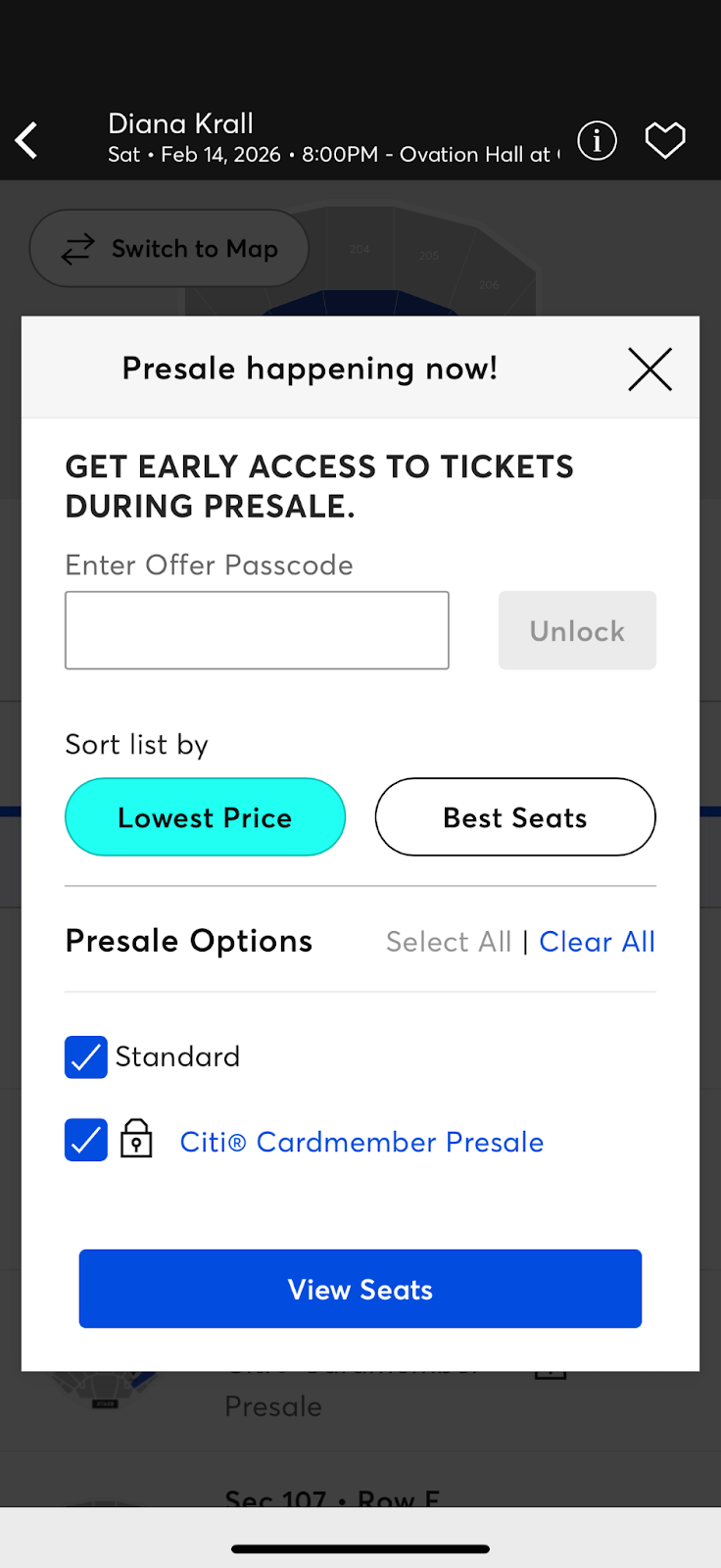
Major credit card companies, notably American Express, often partner with artists, venues, and promoters to offer exclusive presales to their cardholders. Access is typically granted simply by owning a specific credit card and using it for the purchase. The financial aspect involves potentially signing up for a new credit card to gain access, which could involve annual fees or impact your credit score. However, for existing cardholders, it’s a “free” benefit of their financial product. These presales can be highly effective for securing tickets, making the choice of credit card a potential strategic financial decision for consumers who frequently attend events.
Venue and Promoter Presales
Many venues and concert promoters maintain mailing lists or loyalty programs. By signing up for their newsletters, individuals can receive presale codes directly to their inbox. This method is often free, making it a financially accessible option for early access. The primary “cost” is providing an email address and potentially receiving promotional material. For frequent concert-goers in specific cities, this is a highly effective, low-cost strategy to gain presale entry. Similarly, some radio stations or media partners run their own presales, often requiring listeners to tune in for codes or participate in contests.
Artist-Specific Presales
Artists sometimes offer presale codes directly to fans through various means, such as social media promotions, email lists, or even by purchasing their album or merchandise. For example, buying a new album might grant you a unique code for an upcoming tour. The financial implication here is that the purchase of an album or merch acts as a de facto “membership fee” for early access, often bundling the cost of the presale access with other goods. This is a deliberate marketing strategy to boost album sales or engagement while rewarding fans.
Sponsor Presales
Large corporate sponsors often receive an allocation of tickets for their own exclusive presales. These can be tied to a specific product purchase, participation in a brand promotion, or simply being a customer of the sponsoring company. The financial consideration here is whether the “cost” of engaging with the sponsor’s brand or product is justified by the presale access. For consumers already using a sponsor’s services, it can be a valuable, cost-free benefit.
The Financial Benefits and Risks for Consumers
Engaging with presale systems presents both compelling financial advantages and potential pitfalls that consumers must carefully consider. A savvy approach requires weighing these factors against personal budget and risk tolerance.
Securing Desired Tickets
The most significant financial benefit of presales is the increased probability of securing tickets for high-demand events. For popular artists or limited-run shows, general sales can be a chaotic sprint where tickets sell out in minutes. Presale access significantly reduces competition, allowing purchasers to secure their desired seats or entry at face value, avoiding the often exorbitant markups on the secondary market. This security offers peace of mind and can be seen as a form of financial insurance against disappointment and inflated prices.
Potential for Cost Savings
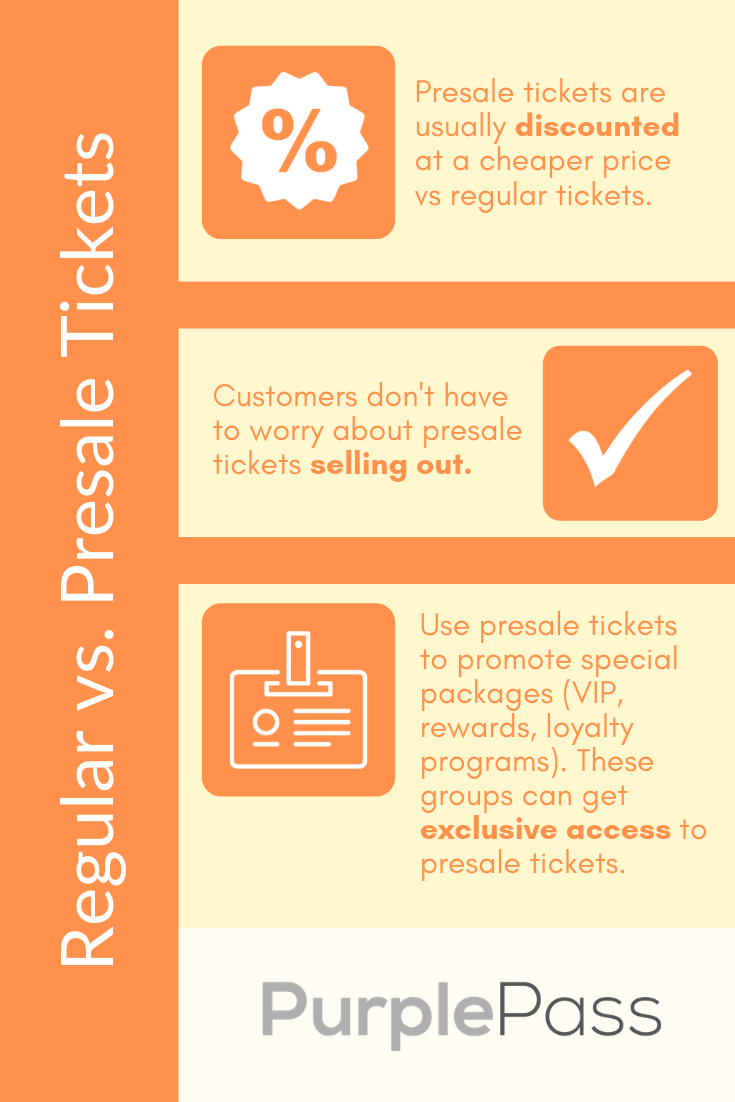
While presale tickets are generally sold at face value, securing them through this method can indirectly lead to cost savings. By avoiding the mad rush of the general public sale, consumers negate the need to turn to ticket resale sites where prices frequently surge well above original cost due to supply and demand. In some rare instances, promoters might even offer slightly discounted “early bird” presale tickets, though this is less common for major events. The primary saving comes from not having to pay speculative market prices later.
Avoiding the Secondary Market
The secondary ticket market, while legitimate in many instances, is fraught with financial risks. Prices can be inflated by hundreds or thousands of percent, and there’s always the risk of purchasing counterfeit tickets or tickets that won’t grant entry, leading to a complete financial loss. Presales offer a direct, authenticated purchasing channel, providing a safer financial transaction and peace of mind that the ticket purchased is genuine and valid at its face value price.
Budgeting for Presale Purchases
For individuals who regularly attend live events, incorporating presale purchases into a personal budget is a strategic financial move. Knowing that certain presales are imminent allows for proactive saving and allocation of funds, preventing impulsive spending or dipping into emergency savings when a highly anticipated event goes on sale. It transforms event attendance from an unplanned expense into a managed entertainment budget item.
The Urgency Factor and Impulse Buying
A significant financial risk associated with presales is the manufactured urgency. The limited time frame and perceived scarcity can pressure consumers into making impulsive purchases they might not have otherwise considered or can’t truly afford. The fear of missing out (FOMO) can override sound financial judgment, leading to overspending, especially if multiple attractive presales occur close together. This can disrupt personal budgets and lead to financial strain. Moreover, some presales might push expensive VIP packages or premium seating which, while offering enhanced experiences, come at a significantly higher cost.
Strategies for Maximizing Your Presale Success
A well-executed strategy is paramount for navigating the presale landscape successfully and responsibly. This involves preparation, vigilance, and a clear understanding of your financial limits.
Do Your Research
Thorough research is your first line of defense against missing out and making poor financial decisions. Identify the artist, event, and venue you’re interested in, then actively seek information about all potential presale opportunities. Sign up for fan club newsletters, venue email lists, and follow artists and promoters on social media. Crucially, note down presale dates, times (including time zones), and any known presale codes well in advance. Having all this information organized prevents last-minute panic and ensures you’re ready when the sale begins.
Prepare Your Payment
Before a presale even starts, ensure your payment method is ready. This includes checking credit card limits, confirming billing addresses, and having your card details securely saved or easily accessible. Online ticketing platforms often have strict time limits to complete purchases; fumbling for card details can cause you to lose your selected tickets. Consider which credit card offers the best rewards or has specific presale access, making it your primary payment option. This financial preparedness streamlines the checkout process, increasing your chances of a successful purchase.
Use Multiple Avenues
Don’t rely on just one presale method. If an event is highly anticipated, try to qualify for multiple presales if possible. For instance, if you’re a fan club member and an American Express cardholder, you might have two separate presale opportunities. Having multiple codes or access points increases your odds significantly. However, remember to only purchase the tickets you intend to use and can afford, even if you gain access through several channels. Duplicate purchases can tie up funds or lead to the hassle of reselling, potentially at a loss if demand wanes.
Be Ready at Go-Time
Presales, much like general sales, often involve a race against time. Be logged into your ticketing account well before the scheduled start time. Have your presale code copied and ready to paste. Use a fast, reliable internet connection and consider using multiple devices if possible (e.g., a desktop and a smartphone) as a backup, though be cautious about using multiple devices simultaneously for the same account on the same presale, as some systems might flag this as suspicious activity. The objective is to be swift and efficient, securing your spot in the queue or on the seating map as quickly as possible.
Navigating the Presale Landscape: A Smart Money Approach
Ultimately, success in the presale ticket environment isn’t just about getting tickets; it’s about doing so intelligently and within your financial means. A smart money approach ensures that the thrill of securing tickets doesn’t come at the expense of your financial well-being.
Setting a Budget
The most critical step in a smart money approach to presale tickets is setting a clear and realistic budget before any tickets go on sale. Determine how much you are genuinely willing and able to spend on entertainment for a specific event or over a certain period. This budget should include not just the ticket price but also potential service fees, taxes, and any associated costs like transportation, parking, food, or merchandise. Sticking to your budget prevents overspending fueled by excitement or FOMO. If tickets within your budget are unavailable during the presale, be prepared to walk away rather than incur financial stress.
Understanding Ticket Fees
Ticket prices often come with a variety of additional fees, including service fees, facility fees, order processing fees, and delivery fees. These can add a substantial percentage to the face value of a ticket, sometimes up to 20-30% or more. Always factor these potential “hidden costs” into your budget. Most ticketing platforms display these fees before final checkout, but it’s wise to anticipate them. Being aware of these additional charges ensures you’re not surprised at the payment screen and can make an informed financial decision about the true cost of your purchase.
Resale Value Considerations
While the primary goal of buying presale tickets is typically personal use, some individuals might consider the potential for resale. It’s important to approach this with caution. Laws regarding ticket resale vary significantly by region, and many artists and venues are implementing measures to restrict resale above face value. If you’re considering purchasing tickets with the intent to resell, understand the legal landscape, potential platform restrictions, and the inherent financial risk. Market demand can fluctuate, and there’s no guarantee that a ticket will retain or increase its value. For most consumers, the focus should remain on purchasing tickets for personal enjoyment within a sustainable budget.
aViewFromTheCave is a participant in the Amazon Services LLC Associates Program, an affiliate advertising program designed to provide a means for sites to earn advertising fees by advertising and linking to Amazon.com. Amazon, the Amazon logo, AmazonSupply, and the AmazonSupply logo are trademarks of Amazon.com, Inc. or its affiliates. As an Amazon Associate we earn affiliate commissions from qualifying purchases.