
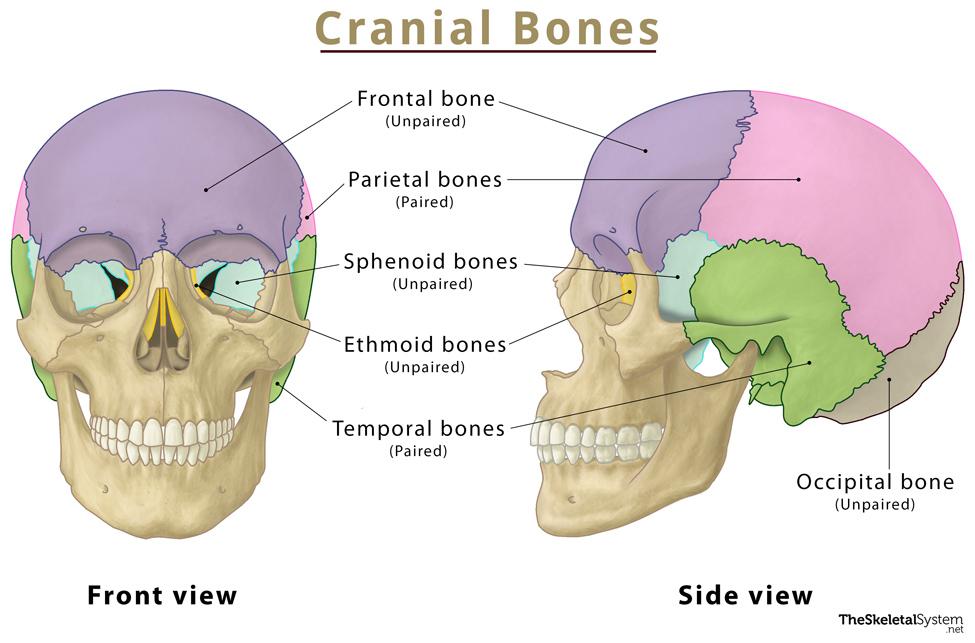
In the rapidly evolving landscape of information technology, metaphors derived from biological systems are frequently used to describe complex digital architectures. When we ask, “What type of bone is cranium?” in a biological context, the answer is a “flat bone,” designed specifically for protection and the housing of the most critical organ—the brain. In the world of technology, this question takes on a profound new meaning. We are currently witnessing the emergence of the “Digital Cranium”: a specialized layer of structural hardware and security software designed to protect the “brain” of the enterprise—Artificial Intelligence (AI).

As AI models become more sophisticated, the “cranium” of the system—the protective framework surrounding neural networks—must evolve. This article explores the transition from traditional hardware enclosures to the cutting-edge “Cranium” security frameworks that define modern technological resilience.
The Architecture of Intelligence: The Cranium as a Hardware Metaphor
To understand the technological equivalent of a cranium, we must look at the physical and logical structures that house high-performance computing (HPC) systems. In biology, the cranium is a set of fused flat bones that provide maximum surface area for muscle attachment while ensuring the brain remains shielded from external trauma.
From Biological Flat Bones to Digital Enclosures
In the tech sector, the “flat bone” architecture is mirrored in the design of modern server blades and motherboard PCBs (Printed Circuit Boards). Just as the cranium consists of layers—the outer table, the diploë, and the inner table—modern tech stacks are layered to facilitate both protection and performance. The “skeletal” structure of a data center is the rack system, but the “cranium” is the individual chassis that houses the GPU or TPU clusters.
These enclosures are engineered with specific “material properties” in mind: thermal conductivity, electromagnetic interference (EMI) shielding, and structural rigidity. As we push toward exascale computing, the “bone density” of our hardware—meaning the density of transistors and the robustness of the cooling plates—becomes the primary limiting factor in cognitive expansion.
The Protective Role of the Chassis in High-Performance Computing
A cranium’s primary job is defense. In tech, this translates to physical and environmental security. High-end AI training rigs are housed in “cranial” structures that utilize advanced liquid cooling (the digital equivalent of cerebrospinal fluid) to prevent the “brain” from overheating during intense computational cycles.
We are seeing a shift toward specialized silicon, where the “bone” and the “brain” are becoming increasingly integrated. Systems-on-a-Chip (SoC) represent a fusion where the structural support and the processing power occupy the same physical layer, creating a more efficient, albeit less modular, digital skull.
Cranium AI: The Skeletal Defense of Modern Machine Learning
Beyond physical hardware, the term “Cranium” has become synonymous with a specific niche in the tech industry: AI Security and Trustworthy Machine Learning. Just as the biological cranium protects against physical impacts, “Cranium” software frameworks protect AI models from adversarial attacks and data poisoning.
Securing the Neural Pathways
The most significant threat to modern enterprise tech is no longer just data theft, but “model manipulation.” If the AI is the brain, then the security layer is the cranium. Cranium AI platforms focus on providing a visibility layer across the entire AI lifecycle.
This involves “hardening” the model. In medical terms, a cranium that is too thin leads to vulnerability; in tech terms, an AI model without a robust security framework (a cranium) is susceptible to “prompt injection” and “adversarial perturbations.” By implementing a digital cranium, developers can monitor for anomalies that suggest an attacker is trying to “fracture” the model’s logic to gain unauthorized access or force incorrect outputs.
Adversarial Machine Learning and the Need for a ‘Digital Skull’
Why do we classify the cranium as a “type of bone” in tech? Because it must be rigid yet adaptable. Adversarial Machine Learning (AML) is a field where attackers attempt to fool models by providing slightly altered inputs. A robust digital cranium acts as a filter, ensuring that only “sane” data reaches the neural network.
The “Cranium” framework provides a dashboard for security teams to view their “AI attack surface.” This is the digital equivalent of a diagnostic X-ray, allowing engineers to see where the structural integrity of their AI deployment might be failing. Without this skeletal oversight, companies risk deploying “soft-skulled” AI that can be easily compromised by sophisticated bad actors.
Neuromorphic Engineering: Building the Silicon Cranium
The intersection of biology and technology is most evident in Neuromorphic Engineering. This field seeks to design hardware that mimics the human nervous system’s efficiency. Here, the question of “what type of bone” the cranium is becomes a design specification for the next generation of processors.
Mimicking the Human Nervous System
Traditional von Neumann architecture separates the “brain” (CPU) from the “memory” (RAM). This is inefficient compared to the biological cranium/brain setup, where processing and storage are deeply intertwined. Neuromorphic chips, such as Intel’s Loihi or IBM’s TrueNorth, are designed to function more like a biological skull-brain unit.
These chips utilize “Spiking Neural Networks” (SNNs). The “cranium” for these chips isn’t just a box; it is a complex web of interconnects that facilitate massive parallelism. The structural “bones” of these systems are the synthetic synapses that allow information to travel at lightning speeds with minimal power consumption.
The Efficiency of Bio-Inspired Structures
In biology, the cranium’s flat bone structure is incredibly light relative to its strength. Tech designers are adopting this through “generative design” in hardware manufacturing. By using AI to design the “bones” of a computer, engineers can create lattices that provide maximum support with minimum material.
These bio-inspired “cranial” structures are now being 3D-printed using carbon fiber and specialized alloys, creating a new class of “ruggedized” AI edge devices. These devices can be deployed in the field—on drones, in autonomous vehicles, or in industrial sensors—where they must survive harsh conditions, much like the skulls of vertebrate animals in the wild.
Future Trends in Structural Tech: Beyond the Physical Cranium
As we move toward cloud-native environments and decentralized computing, the concept of a physical “cranium” is being replaced by a virtualized one. The “bone” is no longer made of calcium or carbon, but of code and cryptographic protocols.
Cloud-Native Skulls: Decentralized Protection
In a decentralized tech ecosystem, the “brain” of an application might be spread across a thousand different nodes. In this scenario, what constitutes the cranium? The answer lies in “Zero Trust” architecture and “Confidential Computing.”
Confidential computing creates a “Trusted Execution Environment” (TEE). This is a secure enclave within a processor—a “digital cranium”—that protects data even while it is being processed. It ensures that even if the rest of the “body” (the operating system or the cloud provider) is compromised, the “brain” (the sensitive data and code) remains encased in an impenetrable shell of encryption.
Quantum Computing and the New Skeletal Reality
Quantum computers represent the ultimate challenge in “cranial” design. A quantum processor is so sensitive that it must be kept at temperatures colder than deep space and shielded from even the smallest vibrations. The “cranium” of a quantum computer is a massive dilution refrigerator—a nested series of shields that look more like a specialized biological protective chamber than a traditional computer case.
As quantum tech matures, the “type of bone” we use to build these structures will shift from stainless steel and copper to exotic superconductors and topological insulators. These materials will form the “skeletal system” of the 21st century’s most powerful thinkers.
Summary: The Evolution of the Digital Skeletal System
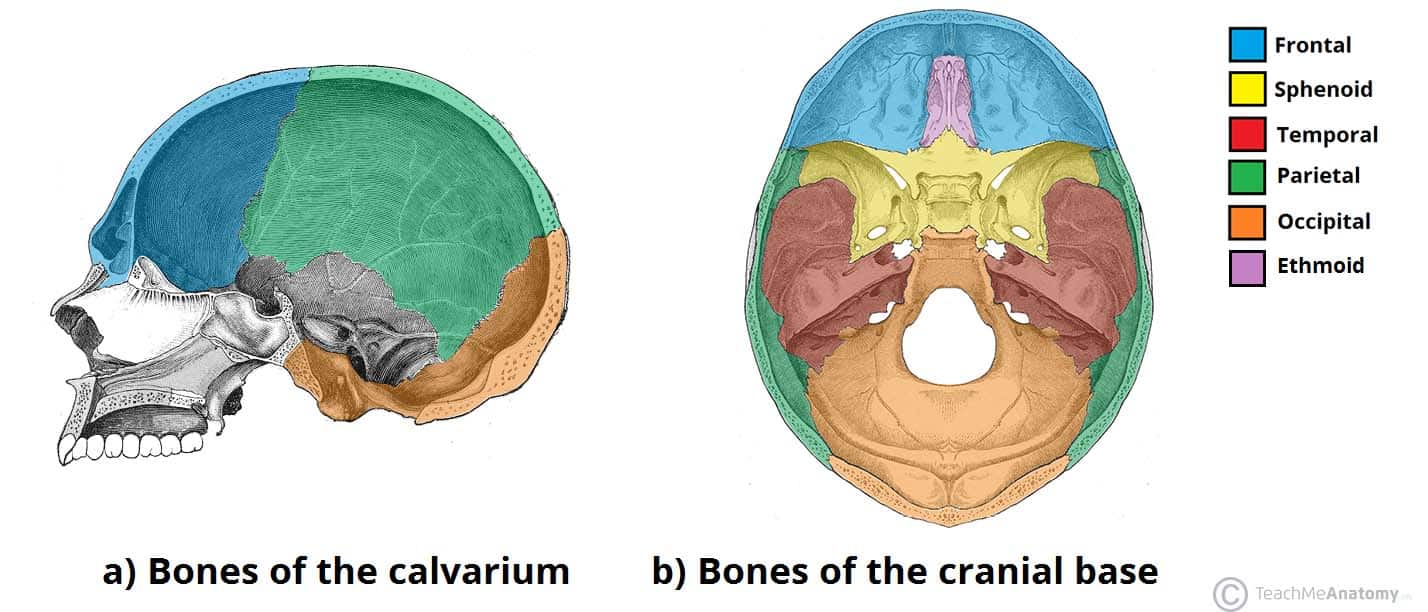
When we revisit the question, “What type of bone is cranium?” through the lens of technology, we see a shift from simple protection to integrated intelligence. Whether it is the physical chassis of a GPU, the security software of an AI model, or the cryostat of a quantum computer, the “cranium” remains the most vital structural component of any system.
The future of tech lies in making these “bones” stronger, lighter, and smarter. As we integrate AI more deeply into our corporate and personal lives, the “Digital Cranium” will become the invisible but essential layer that ensures our most valuable intellectual assets remain safe from the pressures of an increasingly volatile digital world. Just as the biological cranium allowed the human brain to evolve in safety, the technological cranium will provide the secure foundation for the next leap in artificial evolution.
aViewFromTheCave is a participant in the Amazon Services LLC Associates Program, an affiliate advertising program designed to provide a means for sites to earn advertising fees by advertising and linking to Amazon.com. Amazon, the Amazon logo, AmazonSupply, and the AmazonSupply logo are trademarks of Amazon.com, Inc. or its affiliates. As an Amazon Associate we earn affiliate commissions from qualifying purchases.