
In the landscape of American organizational influence, few entities possess a brand identity as potent, polarizing, or persistent as the National Rifle Association (NRA). While often analyzed through the lens of politics or law, the NRA is, at its core, a masterclass in brand strategy. It has successfully transitioned from a niche hobbyist group into a lifestyle brand that commands fierce loyalty and serves as a cornerstone of identity for millions.
To understand what the NRA does from a strategic perspective is to understand how an organization can leverage heritage, emotional resonance, and tribal marketing to maintain a dominant position in the marketplace of ideas. This article explores the NRA’s brand evolution, its tactical community engagement, and the mechanics of its corporate identity.

Building a Lifestyle Brand Around a Constitutional Right
The NRA did not begin as the political titan it is today. Founded in 1871, its initial brand identity was rooted in education, marksmanship, and safety. However, over the last half-century, the organization underwent one of the most significant brand pivots in history, shifting from a technical service provider to a symbolic guardian of cultural values.
The Evolution of Corporate Identity
The “Cincinnati Revolt” of 1977 serves as the pivotal moment for the NRA’s brand. Before this, the organization’s visual and messaging focus was on “The Sportsman.” The identity was built around wood-paneled lodges, hunting safety, and competition. After 1977, the brand underwent a strategic hardening. The corporate identity moved toward “The Defender.”
This shift was reflected in every touchpoint of the brand, from the logo—an eagle clutching crossed rifles—to the language used in its publications. By centering its identity on the Second Amendment rather than the sport of shooting, the NRA elevated its “product” from a service (safety training) to an ideology (freedom). In branding terms, this is the shift from selling a commodity to selling a “Why.”
Marketing Freedom: The “I Am the NRA” Campaign
One of the most successful marketing initiatives in the organization’s history was the “I Am the NRA” campaign. This was a classic exercise in personal branding and social proof. By featuring a diverse array of members—ranging from Hollywood icons like Charlton Heston to average teachers, farmers, and law enforcement officers—the NRA humanized its brand.
The campaign’s goal was to show that the brand was not a monolith of “lobbyists” but a reflection of the American people. This strategy effectively turned the membership into brand ambassadors. When a consumer says, “I am the brand,” the level of brand equity is nearly insurmountable by competitors. This campaign transformed the NRA from a Washington D.C. office into a collective identity.
The Mechanics of Brand Loyalty and Community Engagement
Modern brands strive for “tribalism”—a state where customers feel a sense of belonging and shared purpose. The NRA achieved this long before the digital age, creating a feedback loop of engagement that keeps its audience locked into its ecosystem.
Developing an In-Group/Out-Group Dynamic
Effective brand strategy often involves defining not just what a brand is, but what it is not. The NRA has mastered the art of “oppositional branding.” By positioning itself as the sole bulwark against an “out-group” that seeks to infringe upon the rights of its members, it strengthens the bond within the “in-group.”
From a marketing psychology perspective, this creates high switching costs. Leaving the NRA isn’t just about stopping a subscription; for many members, it feels like abandoning a community and a set of core values. This sense of belonging is reinforced through a multi-tiered membership structure, ranging from annual members to “Benefactor” and “Patron” levels, which use status as a tool for retention.
Strategic Content Marketing: NRA Media and Digital Presence
Long before “content marketing” was a buzzword, the NRA was a media powerhouse. With publications like American Rifleman, American Hunter, and America’s 1st Freedom, the organization provides a constant stream of high-value content tailored to specific segments of its audience.

In the digital era, this expanded into NRA TV and a massive social media footprint. What the NRA does through these channels is provide a curated reality for its followers. The content isn’t just about technical reviews of products; it’s about reinforcing the brand’s narrative of self-reliance, heritage, and vigilance. This consistent messaging across all platforms ensures that the brand voice remains recognizable and authoritative, regardless of the medium.
Political Branding as Corporate Strategy
In many ways, the NRA’s political activities are its most visible marketing arm. For the NRA, influence is the primary value proposition. It sells its members the promise of a seat at the table of power, and it uses political branding to maintain that promise.
Influence as a Brand Value Proposition
Most brands offer a product that solves a problem. The NRA offers “Influence” as its primary product. Through its grading system (A to F for political candidates), the NRA has created a proprietary metric that carries immense weight. This is a form of brand certification. Just as the “Intel Inside” logo once certified a computer’s quality, an “NRA A-Rating” certifies a politician’s alignment with the brand’s values.
This certification creates a symbiotic relationship between the brand and the political class. It allows the NRA to extend its brand reach into the very fabric of government, ensuring that the “NRA” name is mentioned in news cycles daily. This earned media is worth billions in equivalent advertising spend and keeps the brand at the forefront of the national conversation.
Managing Crisis and Controversy through Resilient Branding
High-profile brands often face crises that would bankrupt smaller entities. The NRA has faced numerous legal, financial, and social challenges. However, its brand resilience is a result of its deeply entrenched identity. When the brand is attacked, its strategy is rarely to apologize or pivot toward the center. Instead, it “doubles down.”
From a brand management perspective, this is a “Core-Focus” strategy. By ignoring the criticism of the “out-group” and focusing entirely on the “core” believers, the NRA maintains its base. While this may limit the brand’s growth among new demographics, it prevents the collapse of its foundation. This “siege mentality” branding turns external pressure into internal cohesion.
The Future of the Brand: Modernization and Challenges
Even the most storied brands must eventually face the realities of a changing market. The NRA currently sits at a crossroads where its heritage identity is clashing with modern financial and social expectations.
Navigating Legal Battles as a Brand Risk
A brand’s identity is only as strong as its integrity. Recent years have seen the NRA embroiled in internal leadership disputes and high-profile legal battles regarding its financial management. In the world of corporate identity, this is known as “Brand Erosion.” When the leadership’s actions contradict the brand’s message of “responsibility” and “patriotism,” the internal trust begins to fray.
To mitigate this, the NRA’s strategy has been to reframe these legal battles as part of the broader “attack on the brand” by external forces. By casting legal scrutiny as “political persecution,” they attempt to shield the brand identity from the reality of organizational mismanagement. Whether this strategy will sustain the brand in the long term remains a significant case study for brand analysts.
The Shift in Demographic Outreach
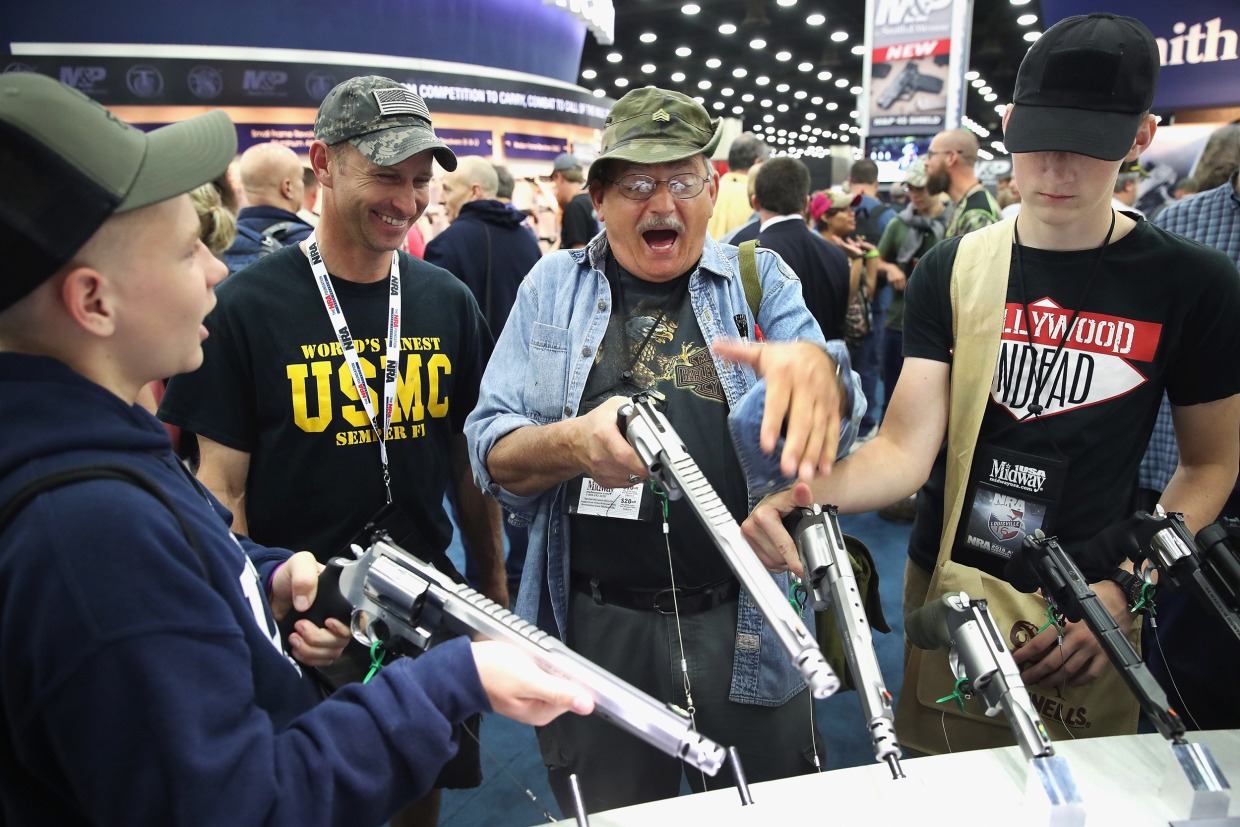
As the American demographic landscape shifts, the NRA has attempted to modernize its brand to appeal to younger, more diverse audiences. We see this in the promotion of female shooters, urban self-defense advocates, and minority brand ambassadors.
This is a delicate balancing act. If the brand shifts too far, it risks alienating its traditional rural, older base. If it doesn’t shift enough, it risks becoming a legacy brand that fades into irrelevance. The NRA’s current “Brand Refresh” involves emphasizing the “Human Right of Self-Defense”—a more universal, less partisan-sounding concept than some of its past rhetoric. This move toward a “Civil Rights” branding strategy is an attempt to reposition the organization for a 21st-century audience.
Conclusion: The Lasting Impact of the NRA Brand
What the NRA does is more than just lobby or teach safety; it manages one of the most resilient and recognizable identities in the world. By turning a constitutional amendment into a lifestyle, it has created a level of brand loyalty that most Fortune 500 companies can only envy.
Its use of tribal marketing, oppositional branding, and proprietary certification metrics provides a roadmap—and a cautionary tale—for any brand looking to exert influence on a national scale. Whether one agrees with its mission or not, the NRA remains a definitive example of how brand strategy can shape culture, politics, and identity. Its ability to navigate the upcoming decades will depend on whether its brand equity is strong enough to survive the internal and external pressures that now threaten its century-old foundation.
aViewFromTheCave is a participant in the Amazon Services LLC Associates Program, an affiliate advertising program designed to provide a means for sites to earn advertising fees by advertising and linking to Amazon.com. Amazon, the Amazon logo, AmazonSupply, and the AmazonSupply logo are trademarks of Amazon.com, Inc. or its affiliates. As an Amazon Associate we earn affiliate commissions from qualifying purchases.