
In the rapidly evolving landscape of food technology, few platforms have managed to disrupt established industry giants as effectively as Resy. Founded in 2014 and later acquired by American Express in 2019, Resy has transformed from a simple booking tool into a comprehensive hospitality technology suite. To understand what Resy is, one must look beyond the surface level of “making a reservation” and examine the sophisticated software architecture, data-driven algorithms, and seamless user interfaces that define the platform today.
Resy operates at the intersection of consumer convenience and enterprise-grade software. It is a dual-sided marketplace that provides a high-performance mobile application for diners and a robust operating system, known as Resy OS, for restaurant owners. By prioritizing tech-forward solutions over legacy systems, Resy has redefined how the hospitality industry manages inventory, handles guest relationships, and optimizes the physical space of a dining room.

The Architecture of Resy: More Than Just a Booking App
At its core, Resy is a cloud-native Software as a Service (SaaS) platform. Unlike the legacy systems of the early 2000s that required on-site servers and clunky hardware, Resy utilizes a distributed cloud infrastructure to ensure 100% uptime and real-time data synchronization across devices.
Cloud-Based Reservation Management
The technical backbone of Resy is built on the premise of real-time inventory management. When a user interacts with the app, they are accessing a live database of “covers” (seats). The system must handle thousands of concurrent queries per second, particularly during “drop times”—the specific moments when high-demand restaurants release their weekly tables. This requires a highly scalable backend, capable of preventing double bookings while processing secure transactions in milliseconds.
Seamless Integration with Point of Sale (POS) Systems
One of Resy’s most significant technological advantages is its ability to “talk” to other software. Through robust API (Application Programming Interface) integrations, Resy connects directly with major Point of Sale systems like Toast, Clover, and Aloha. This integration allows for a closed-loop data cycle: when a guest is seated via Resy, the POS opens a check. When the check is closed, Resy automatically marks the table as available. This automation reduces human error and provides the restaurant with precise data on “turn times”—how long a party actually stays at a table.
Key Features and the User Experience (UX) Framework
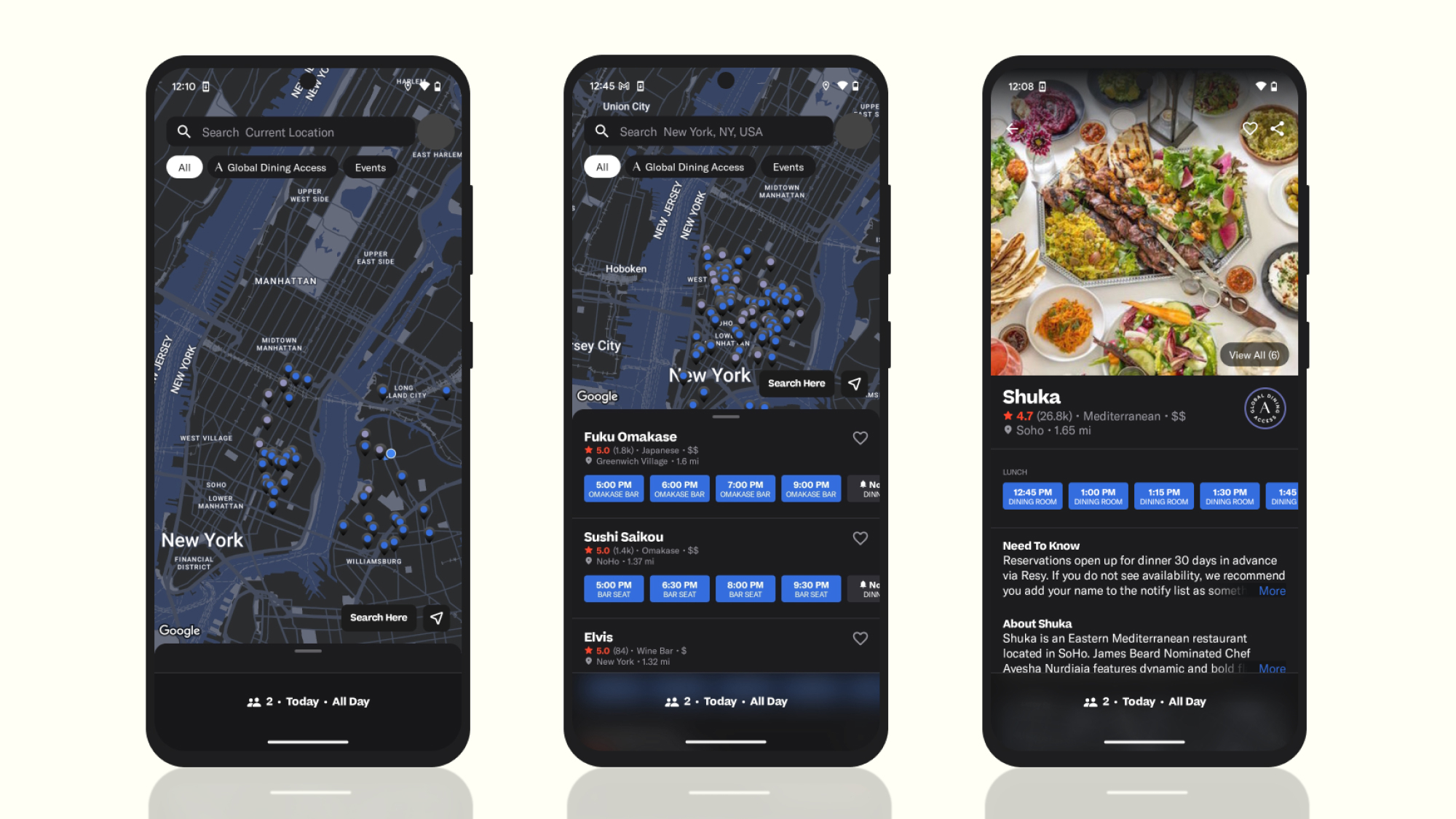
For the consumer, Resy offers a streamlined, minimalist interface that prioritizes speed and discoverability. The design philosophy focuses on reducing the friction between the desire to eat and the confirmation of a table.
The Notify Feature: Algorithm-Driven Waitlists
Perhaps the most famous technical feature of the Resy app is “Notify.” In the event that a restaurant is fully booked, users can set an alert for specific dates and times. Behind the scenes, the Resy algorithm monitors cancellations in real-time. The moment a table is vacated or a booking is canceled, the system pushes a low-latency notification to the mobile devices of users on the waitlist. This feature solves the “perishable inventory” problem for restaurants, ensuring that no table remains empty due to last-minute cancellations.
Mobile-First Interface Design
Resy’s UX is built on a mobile-first framework. While many competitors grew up in the desktop era, Resy was designed for the smartphone generation. The interface utilizes haptic feedback, intuitive swiping gestures, and a “flat” design aesthetic that highlights high-quality photography. This focus on design isn’t just cosmetic; it facilitates a faster booking flow, often allowing a user to secure a table in three taps or fewer.
Personalization and User Profiles
The platform leverages data science to create personalized dining feeds. By analyzing a user’s previous bookings, dietary preferences, and geographic patterns, the Resy app suggests “Hits” and “New Additions” tailored to the individual. This level of algorithmic curation transforms the app from a utility into a discovery engine, using machine learning to predict where a user might want to dine next.
Resy OS: The B2B Tech Solution for Restaurateurs
While diners see a sleek booking app, the “engine room” of the platform is Resy OS. This is the professional-grade dashboard used by hosts, servers, and managers to orchestrate the complex ballet of a busy service.
Real-Time Floor Management
Resy OS provides a digital twin of the restaurant’s physical floor plan. Using a drag-and-drop interface, hosts can assign parties to tables, merge tables for larger groups, and track the status of every diner (e.g., “Appetizer,” “Entree,” “Paid”). The software uses predictive logic to estimate when a table will become free, allowing the host to quote accurate wait times to walk-in guests.
Data Analytics and Customer Insights
Every booking in Resy generates a wealth of data. Resy OS synthesizes this into actionable insights. Restaurant owners can see heat maps of their busiest times, track the lifetime value of a regular guest, and even see guest-specific notes (such as “prefers corner booth” or “celebrating anniversary”). This Guest Relationship Management (GRM) tech allows a restaurant to provide a high-touch, personalized experience that was previously only possible in small, neighborhood spots where the owner knew everyone by name.
Inventory Control and Pacing
A major technical challenge in restaurant management is “pacing” the kitchen. If a host seats twenty tables at once, the kitchen will be overwhelmed. Resy OS allows managers to set “pacing controls,” limiting the number of covers that can be booked in any 15-minute interval. This sophisticated scheduling algorithm ensures a smooth flow of service, balancing front-of-house hospitality with back-of-house capacity.
Security, Scalability, and the American Express Integration
Since its acquisition by American Express, Resy has integrated deeper financial technology (FinTech) layers into its platform, enhancing both security and exclusive access.
Protecting Sensitive Financial Data
Handling credit card information for “no-show” fees and pre-paid ticketed events requires rigorous security standards. Resy employs PCI-compliant encryption and tokenization, ensuring that sensitive payment data is never stored locally on a restaurant’s iPad. This enterprise-level security is a critical component of the platform’s value proposition, particularly for high-volume establishments.
API Ecosystems and Strategic Partnerships
The integration with American Express has allowed Resy to build an exclusive “Global Dining Access” tier. Technically, this involves verifying a user’s card membership in real-time via the Amex API. When a premium cardholder logs in, the Resy backend unlocks a hidden inventory of tables specifically reserved for them. This creates a tiered access system powered by complex database permissions, merging the world of fintech with hospitality.
The Future of Food Tech: Resy’s Role in the Digital Transformation
As we look toward the future, Resy is positioned to lead the “Digital Transformation” of the dining industry. The platform is moving beyond simple bookings into the realms of AI and integrated guest journeys.
AI and Predictive Guest Behavior
The next frontier for Resy is the application of Artificial Intelligence to guest behavior. By analyzing millions of data points across its global network, Resy can begin to predict “no-show” probabilities. If an algorithm identifies a high risk of a no-show based on historical patterns or weather data, it can automatically prompt the restaurant to overbook slightly or send an automated SMS confirmation to the guest.

The Unified Guest Journey
Resy is increasingly looking at the “pre-and-post” dining experience. This includes digital menus, contactless payment systems, and post-dining feedback loops that feed directly into the restaurant’s CRM. The goal is a unified ecosystem where the technology handles the logistics, leaving the human staff free to focus on the art of hospitality.
In summary, Resy is much more than a way to find a table on a Saturday night. It is a sophisticated technological stack that leverages cloud computing, data analytics, and intuitive UX design to solve some of the oldest problems in the restaurant business. By bridging the gap between digital efficiency and physical service, Resy has become an indispensable tool in the modern technological landscape.
aViewFromTheCave is a participant in the Amazon Services LLC Associates Program, an affiliate advertising program designed to provide a means for sites to earn advertising fees by advertising and linking to Amazon.com. Amazon, the Amazon logo, AmazonSupply, and the AmazonSupply logo are trademarks of Amazon.com, Inc. or its affiliates. As an Amazon Associate we earn affiliate commissions from qualifying purchases.