
In the modern professional landscape, the quest for self-awareness has migrated from the therapist’s office to the boardroom. The ubiquitous search for a “what sort of person am i test” is no longer merely an exercise in curiosity or a way to pass time on social media. Instead, it has become a foundational step in personal branding and corporate identity. Understanding one’s psychological profile is the first milestone in building a brand that is not only authentic but also strategically positioned to resonate with a target audience.

In an era where “authenticity” is the primary currency of marketing, knowing exactly who you are allows you to project a consistent, reliable, and compelling image to the world. This article explores how psychometric testing and personality assessments serve as the blueprint for professional brand strategy, transforming subjective traits into objective market advantages.
The Intersection of Self-Discovery and Market Positioning
Before a brand can communicate with the outside world, it must have a clear internal compass. In corporate branding, this is often referred to as the “brand soul.” For individuals, this soul is unearthed through the “what sort of person am I” inquiry. By applying psychological frameworks to personal branding, professionals can move beyond generic resumes and create a distinct market position.
Moving Beyond Buzzfeed: The Science of Brand Archetypes
While many online personality tests are superficial, strategic branding utilizes “Brand Archetypes”—a concept rooted in Carl Jung’s analytical psychology. There are twelve primary archetypes, such as The Creator, The Sage, The Outlaw, and The Caregiver. When a professional takes a personality assessment, they are essentially identifying which archetype they naturally embody.
For instance, if a test reveals you are high in “Openness” and “Innovation,” your brand strategy should lean toward “The Visionary” or “The Magician.” This isn’t just a label; it dictates your brand’s color palette (perhaps bold and futuristic), your tone of voice (inspirational and forward-thinking), and the types of problems you claim to solve. Without this initial “test,” a brand is built on guesswork rather than a psychological foundation.
Why Authenticity is the New Currency in Personal Branding
The digital age has made audiences hyper-sensitive to “faking it.” A brand that tries to project an image discordant with the individual’s true personality will eventually suffer from “brand friction.” This occurs when your marketing promises a personality that your professional delivery cannot sustain.
By using psychometric tests to identify your core traits, you ensure that your personal brand is an amplification of your true self rather than a fabrication. If a personality test identifies you as an “Introverted Thinker,” a brand strategy that requires you to be a high-energy, “life-of-the-party” influencer will lead to burnout and a lack of trust from your audience. Strategic branding aligns your “natural state” with your “marketed state,” creating a seamless experience for clients and collaborators.
Decoding Personality Frameworks for Strategic Growth
To build a robust personal brand, one must look at the specific data points provided by various “What sort of person am I” frameworks. Different tests offer different strategic advantages, depending on whether you are building a brand for leadership, creativity, or technical expertise.
The Big Five and Professional Scaling
The Five-Factor Model (OCEAN)—Openness, Conscientiousness, Extraversion, Agreeableness, and Neuroticism—is widely considered the gold standard in personality psychology. For brand strategy, these five pillars provide a roadmap for scaling your influence.
A professional high in Conscientiousness should build a brand centered on reliability, precision, and “The Ruler” archetype. Their marketing materials should emphasize systems, proven results, and meticulousness. Conversely, a person high in Agreeableness might pivot their brand toward community building and “The Everyman” archetype, focusing on relatability and teamwork. By quantifying these traits, you can decide which aspects of your personality to “turn up” in your public-facing content to attract specific market segments.
The Enneagram as a Tool for Emotional Branding
While the Big Five measures traits, the Enneagram measures motivation. In brand strategy, understanding why you do what you do is essential for storytelling. If a “what sort of person am I test” identifies you as an Enneagram Type 3 (The Achiever), your brand story should focus on efficiency, goals, and success. If you are a Type 4 (The Individualist), your brand should emphasize uniqueness, depth, and creative expression.
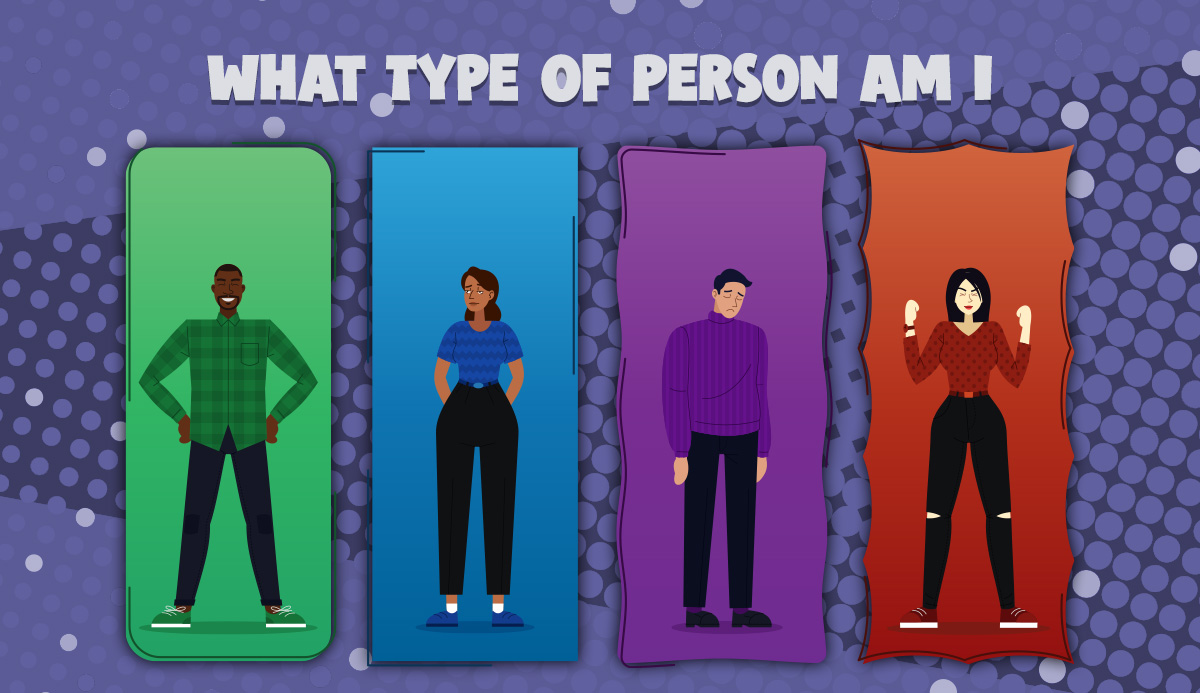
Emotional branding is what connects a service provider to a client on a human level. By identifying your Enneagram type, you can craft a narrative that explains your professional journey in a way that feels vulnerable and honest, yet strategically aligned with your business goals.
Translating Test Results into a Visual and Verbal Brand Language
The transition from “knowing yourself” to “branding yourself” requires a translation process. Once the “what sort of person am I” data is collected, it must be codified into a visual and verbal identity system.
From Personality Traits to Design Aesthetics
Personality tests often reveal whether a person is structured or fluid, traditional or radical. These findings directly influence design choices. A “Traditionalist” or “Guardian” personality should utilize serif fonts, deep navy or forest green colors, and symmetrical layouts to evoke a sense of stability and heritage.
On the other hand, someone identified as a “Rebel” or “Innovator” should experiment with asymmetrical design, vibrant neon accents, and bold, sans-serif typography. The goal is for a potential client to “feel” your personality before they even read a single word of your bio. The visual cues act as a shorthand for the psychometric data you’ve uncovered about yourself.
Crafting Your Brand Narrative Based on Psychometric Data
Your “About Me” page or LinkedIn headline is where the results of your personality assessment meet the market. If your test results indicate a high level of “Empathy” and “Altruism,” your brand narrative should not focus on “crushing the competition.” Instead, it should focus on “empowering others” and “collaborative growth.”
Strategic branding involves choosing a vocabulary that matches your psychological profile. Words like “analytical,” “meticulous,” and “rigorous” belong to one personality type, while “dynamic,” “passionate,” and “transformative” belong to another. Using the wrong “lexicon” for your personality type creates cognitive dissonance in your audience, making your brand feel “off” or untrustworthy.
Case Studies: Successful Brands Built on Personality Archetypes
To understand the power of the “what sort of person am I” approach, we can look at how leading figures and companies use personality-driven strategies to dominate their niches.
The Sage Archetype: Positioning as an Industry Authority
Consider a consultant who consistently scores high in “Intellect” and “Introversion” on personality assessments. By embracing “The Sage” archetype, they stop trying to be a “high-energy” salesperson. Instead, they build a brand around deep-dive white papers, quiet authority, and academic rigor. Their brand becomes the “go-to” source for complex problem-solving. This strategy works because it is rooted in the individual’s actual psychological makeup, making the brand’s authority feel earned and natural.
The Explorer Archetype: The Brand of the Serial Entrepreneur
Many entrepreneurs find through testing that they have high “Sensation Seeking” and “Low Risk Aversion” scores. This points toward “The Explorer” archetype. Their personal brand is built on the narrative of the journey, the discovery, and the disruption of the status quo. By leaning into this, they attract investors and followers who are looking for the “next big thing.” Their brand isn’t about stability; it’s about movement.

Conclusion: The Integration of Self and Strategy
The question “what sort of person am I?” is the most powerful starting point for any branding exercise. In a crowded marketplace, the most sustainable competitive advantage is a unique, well-defined personality. By utilizing professional tests and psychometric frameworks, you move away from a “one-size-fits-all” approach to marketing.
Instead, you create a brand strategy that is an organic extension of your psyche. This alignment leads to greater professional fulfillment, higher audience trust, and a brand that can withstand the volatility of the market. Ultimately, the “test” is not just about discovery—it is about the strategic application of identity to achieve professional excellence.
aViewFromTheCave is a participant in the Amazon Services LLC Associates Program, an affiliate advertising program designed to provide a means for sites to earn advertising fees by advertising and linking to Amazon.com. Amazon, the Amazon logo, AmazonSupply, and the AmazonSupply logo are trademarks of Amazon.com, Inc. or its affiliates. As an Amazon Associate we earn affiliate commissions from qualifying purchases.