
Car insurance is a fundamental component of a responsible personal finance strategy, yet for many, it remains one of the most opaque and frustrating recurring expenses. In the landscape of financial management, insurance is often viewed as a “set it and forget it” utility. However, treating car insurance as a static cost is a significant oversight that can lead to hundreds, if not thousands, of dollars in annual “leakage” from your budget.
Lowering your car insurance premium is not merely about finding the cheapest provider; it is about understanding the actuarial variables that determine your risk profile and strategically maneuvering within those parameters to optimize your financial health. By applying a rigorous, money-focused lens to your policy, you can reclaim control over this essential expense.
Understanding the Factors That Influence Your Premiums
Before you can effectively lower your costs, you must understand the financial metrics that insurance companies use to calculate your premium. Insurance is, at its core, a game of risk assessment and probability. To the insurer, you are a data point representing a potential future liability.
Driving History and Risk Assessment
From a financial perspective, your driving record is your resume. Accidents, speeding tickets, and moving violations are “red flags” that signal a higher probability of a claim. In the world of personal finance, a poor driving record acts much like a high-interest rate on a loan; it makes the cost of the service significantly more expensive. Maintaining a clean record over a three-to-five-year period is the most effective long-term strategy for minimizing insurance costs. If you have past infractions, many insurers offer “accident forgiveness” programs or defensive driving credits that can mitigate the financial impact of these marks.
Credit Score and Financial Responsibility
In many jurisdictions, insurance companies use credit-based insurance scores to determine premiums. Actuarial data suggests a strong correlation between financial responsibility and driving safety. A lower credit score often results in a higher premium because the insurer perceives a higher risk of policy lapses or claims. Therefore, improving your credit score—by reducing debt-to-income ratios and ensuring timely payments—is a dual-purpose financial move that both lowers your cost of borrowing and reduces your insurance overhead.
Vehicle Make, Model, and Safety Ratings
The asset you are insuring is a primary driver of cost. A high-performance luxury sedan costs more to insure than a standard mid-sized SUV, not just because of its market value, but because of the cost of parts, specialized labor, and the statistical likelihood of it being involved in high-speed collisions. When purchasing a vehicle, savvy financial planners consider the “total cost of ownership,” which includes projected insurance premiums. Opting for a vehicle with high safety ratings and low theft rates can lead to immediate and substantial savings on comprehensive and collision coverage.
Proactive Policy Management and Optimization
Once you understand why you are being charged a specific rate, you can begin the process of active optimization. This requires a shift from passive consumption to active management of your financial products.
Shopping Around and Comparing Quotes
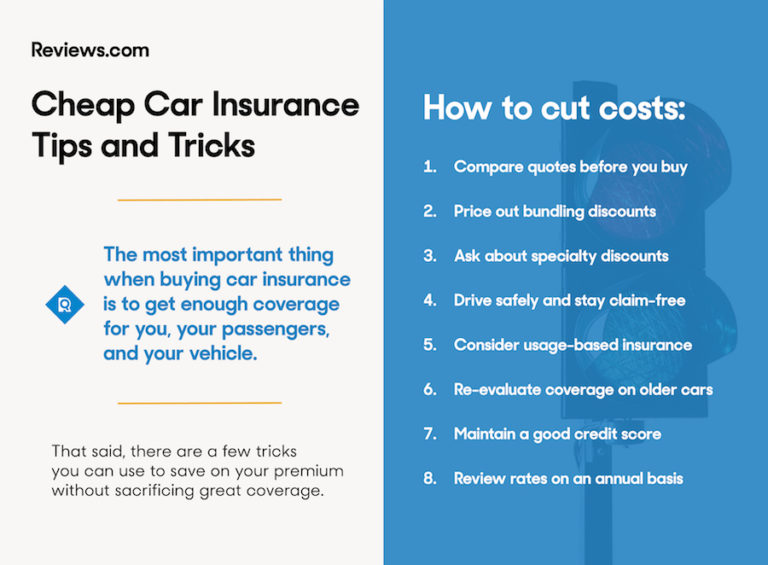
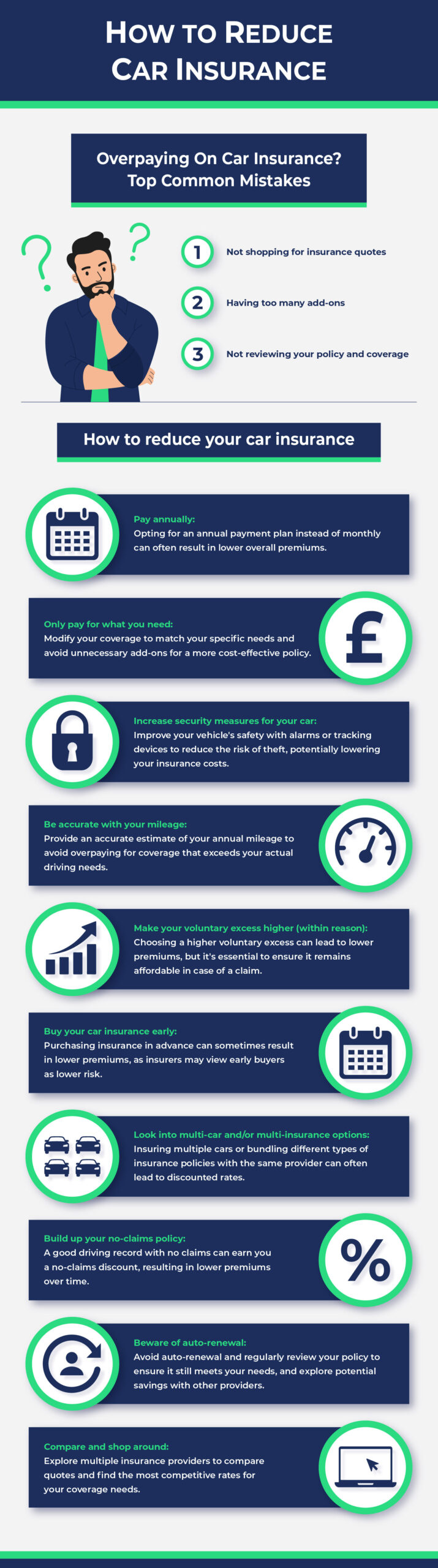
The “loyalty tax” is a very real phenomenon in the insurance industry. Many long-term customers end up paying more than new customers because they do not shop around for competitive rates. Personal finance experts recommend “re-shopping” your car insurance at least once every twelve months or whenever a major life event occurs—such as getting married, moving, or changing jobs. Digital comparison tools and independent agents can help you aggregate quotes from dozens of carriers, ensuring that you are paying the market’s lowest possible rate for your specific risk profile.
Strategic Adjustments to Deductibles and Coverage Limits
One of the most direct levers you can pull to lower your premium is the adjustment of your deductible. The deductible is the amount you pay out-of-pocket before insurance covers a claim. By increasing your deductible from $500 to $1,000, you can often reduce your premium by 15% to 30%. From a money management perspective, this is a calculated risk. If you have a robust emergency fund, you can afford a higher deductible, effectively “self-insuring” the smaller risks to save on the guaranteed monthly expense. Conversely, as a vehicle ages and its market value depreciates, it may become financially prudent to drop collision or comprehensive coverage entirely, as the cost of the premium may eventually outweigh the maximum potential payout.
Bundling Policies for Multi-Line Discounts
Insurance companies value high “customer lifetime value” (CLV). To encourage this, they offer significant discounts to customers who bundle multiple products, such as homeowners, renters, or life insurance, with their auto policy. This is a classic financial synergy. Not only does bundling simplify your monthly bill management, but it often results in a 10% to 25% discount across all combined policies. Before signing a new contract, always ask for a “multi-policy” or “multi-car” quote to see how the aggregate savings affect your bottom line.
Leveraging Discounts and Lifestyle Adjustments
Beyond the structure of the policy itself, there are numerous situational discounts available that many policyholders fail to claim. These are essentially “found money” that can be unlocked with minimal effort.
Safety Features and Anti-Theft Technology
Modern vehicles are equipped with a suite of safety technologies, from lane-departure warnings to adaptive cruise control and advanced anti-theft systems. Many insurance companies provide discounts for these features because they reduce the frequency and severity of claims. If you have installed an aftermarket alarm system or a GPS tracking device (like LoJack), ensure your insurer is aware. These technical additions are investments that pay dividends in the form of reduced insurance premiums.
Professional, Academic, and Membership Discounts
Many insurers have partnerships with professional organizations, alumni associations, and large employers. If you are a member of a specific union, a military veteran, or a graduate of a particular university, you may be eligible for an affinity discount. Furthermore, students with a “B” average or higher can often secure “Good Student” discounts, reflecting the statistical correlation between academic diligence and responsible driving. These discounts are rarely applied automatically; you must proactively provide documentation to your agent to reap the rewards.
Pay-Per-Mile and Usage-Based Insurance Models
For individuals who work from home or rely on public transit, traditional “flat-rate” insurance may be an inefficient use of capital. Usage-based insurance (UBI) programs utilize telematics—either through a plug-in device or a smartphone app—to monitor your actual driving habits, including mileage, braking patterns, and speed. If you drive less than 10,000 miles a year, switching to a pay-per-mile model can drastically reduce your costs. In this model, your premium is directly tied to your behavior, providing a financial incentive for safe and infrequent driving.
Long-Term Financial Planning for Insurance Savings
Achieving the lowest possible car insurance rate is not a one-time event but an ongoing component of your broader financial plan. Sustained savings require a commitment to maintaining a low-risk financial and driving profile.
Improving Your Credit Profile for Better Rates
As mentioned previously, your credit score is a major determinant of your insurance tier. By treating your insurance premium as a reason to maintain excellent credit, you create a positive feedback loop in your personal finances. Regularly reviewing your credit report for errors and maintaining a low credit utilization ratio will eventually trigger lower insurance quotes during your annual re-shopping process. In some cases, a significant jump in credit score can lead to a premium reduction of 20% or more.
The Impact of Annual Policy Audits
A policy audit is a formal review of your coverage to ensure it still aligns with your current life stage. Perhaps you no longer commute to an office, or perhaps your teenage driver has moved away for college and no longer needs to be a primary driver on your most expensive vehicle. These changes in lifestyle represent opportunities for cost reduction. A 15-minute annual audit with your agent can reveal outdated coverage or new discount opportunities that were previously unavailable.

Maintaining a Clean Claims History
The most expensive thing you can do for your insurance premium is to file a small claim. While it may be tempting to use insurance for a $1,200 repair, the resulting premium hike over the next three years could easily exceed the cost of the repair itself. Financial experts often suggest “shadowing” your insurance: handle minor repairs out of pocket and save your insurance for catastrophic losses. This preserves your “no-claims” discount and keeps your risk profile attractive to the most competitive carriers in the market.
In conclusion, getting cheaper car insurance is a strategic exercise in personal finance. By understanding the underlying data, aggressively shopping the market, and aligning your lifestyle choices with risk-reduction strategies, you can transform car insurance from a burdensome expense into a streamlined, optimized component of your financial portfolio. The hundreds of dollars saved each year are not just a reduction in cost—they are a contribution to your long-term wealth and financial independence.
aViewFromTheCave is a participant in the Amazon Services LLC Associates Program, an affiliate advertising program designed to provide a means for sites to earn advertising fees by advertising and linking to Amazon.com. Amazon, the Amazon logo, AmazonSupply, and the AmazonSupply logo are trademarks of Amazon.com, Inc. or its affiliates. As an Amazon Associate we earn affiliate commissions from qualifying purchases.