
Navigating tax season is often cited as one of the most stressful financial events of the year for the average American. Between gathering W-2s, tracking down 1099s, and trying to understand the latest changes to the tax code, the logistical burden is significant. For decades, H&R Block has stood as a titan in the personal finance industry, offering a bridge between complex government requirements and the everyday taxpayer. However, for those looking to manage their personal finances effectively, the primary question remains: “How much does H&R Block actually charge?”

The answer is rarely a single flat fee. H&R Block’s pricing model is built on complexity—the more complicated your financial life, the more you can expect to pay. To help you budget for this essential financial service, we have broken down the costs into clear categories, from DIY digital tools to full-service in-person preparation.
1. Decoding H&R Block Online: DIY Pricing Tiers
For the tech-savvy taxpayer or those with relatively straightforward financial situations, H&R Block’s Online DIY products are the most cost-effective route. These tools are designed to guide you through a series of questions, filling out the necessary forms in the background.
H&R Block Free Online
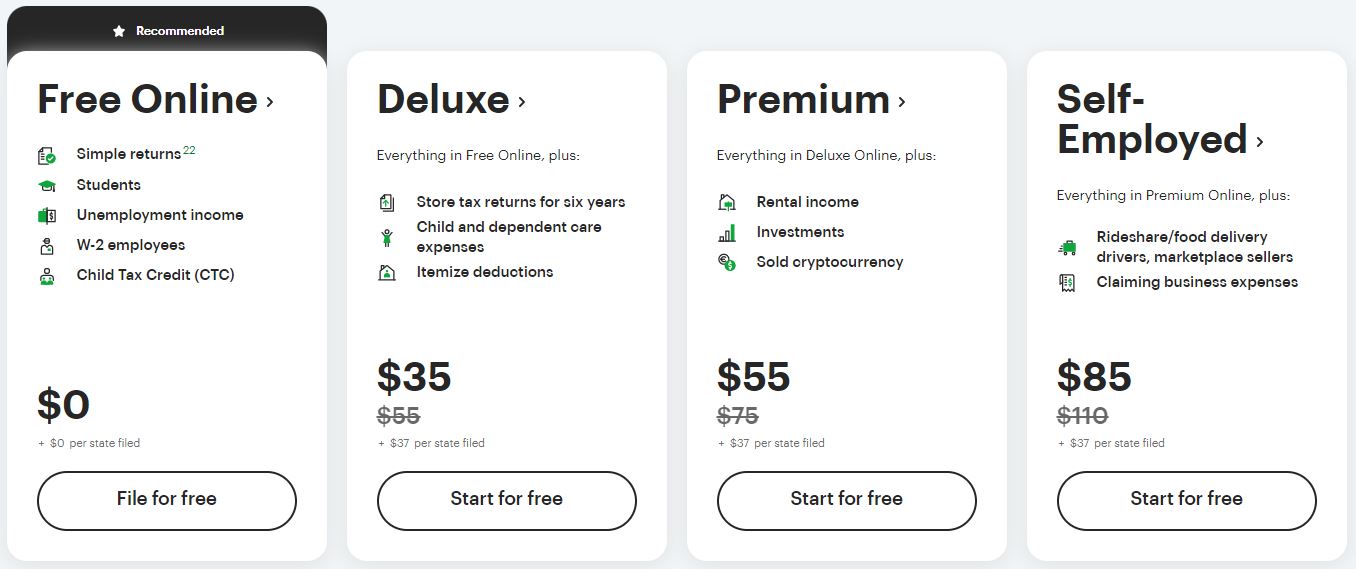
The “Free” version is exactly what it sounds like, but it is restricted to very simple tax situations. This typically includes individuals who only have W-2 income, interest or dividend income (1099-INT/DIV) that doesn’t require complex schedules, and those taking the standard deduction. It is an excellent financial tool for students or entry-level employees. However, be aware that “Free” usually only applies to federal returns; state returns may still carry a fee depending on current promotions.
Deluxe and Premium Options
Once your financial portfolio grows, so does the price of the software. The Deluxe tier (typically ranging from $35 to $55 plus state fees) is designed for homeowners and those with health savings accounts (HSAs) or itemized deductions.
If you have moved beyond simple savings and have entered the world of investing, the Premium tier (typically $60 to $85) becomes necessary. This level handles stock sales, cryptocurrency transactions, and rental property income (Schedule E). From a personal finance perspective, this is often where the value lies for the middle-class investor who needs automated importing of brokerage statements to ensure accuracy.
Self-Employed and Gig Economy Filing
The highest tier of the DIY software is reserved for the Self-Employed (typically $85 to $115). In the modern economy, where side hustles and freelance work are common, many taxpayers find themselves needing this tier to file a Schedule C. It allows for the deduction of business expenses, home office costs, and depreciation. While it is the most expensive online option, the potential tax savings from correctly identified business deductions often outweigh the software cost.
2. In-Person and Virtual Assisted Tax Preparation Costs
For many, the peace of mind that comes from a professional looking over their documents is worth a premium. H&R Block’s “Assisted” services involve a human tax professional who either meets you in a local office or works with you virtually via their “Tax Pro Review” or “Tax Pro Go” services.
The “Starting At” Price Point
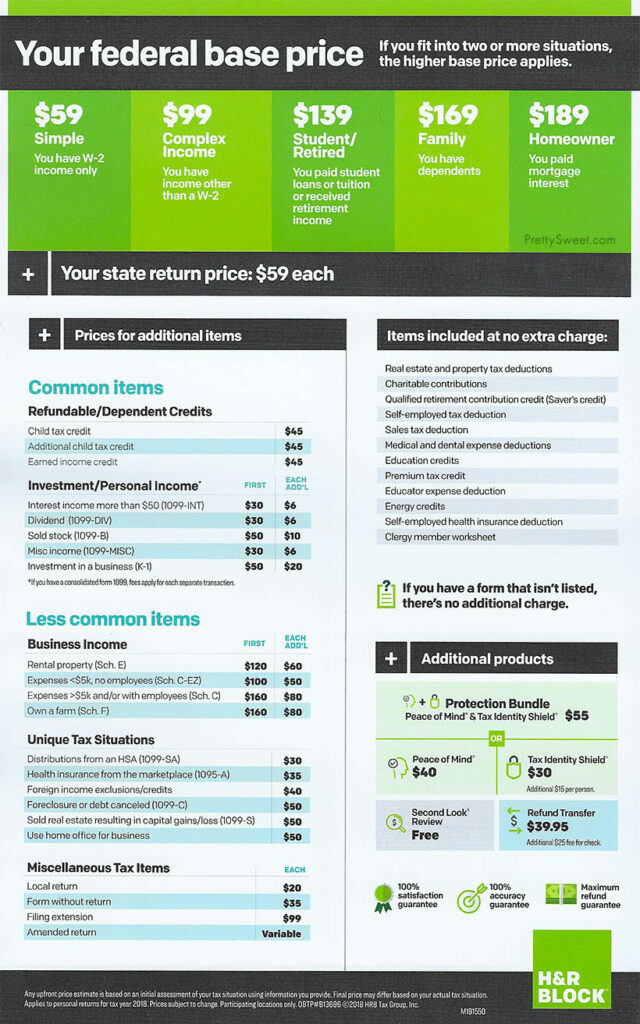
In-person filing at an H&R Block office generally starts at approximately $85. However, it is vital to understand that this is a base fee for a federal return. It covers the most basic filing status. For every additional form, schedule, or complexity—such as dependents, student loan interest, or child tax credits—the price increases. A typical middle-class family with a mortgage, two jobs, and children can expect to pay anywhere from $200 to $500 for a full-service in-person appointment.
Tax Pro Go: The Middle Ground
If you want a professional to do the work but don’t want to spend three hours in a strip-mall office, “Tax Pro Go” is H&R Block’s answer. You upload your documents to a secure portal, and a tax professional completes the return for you within a few days. Prices for this service usually start around $99 and scale upward based on complexity. It offers a hybrid of digital convenience and professional expertise, making it a popular choice for busy professionals who view time as a financial asset.
The Impact of State Returns
Regardless of whether you choose the online software or an in-person pro, state tax returns almost always incur an additional fee. Online, this is usually around $37 to $45 per state. In-person, state filing fees are often integrated into the total quote but can add a significant chunk to the final bill, especially if you worked in multiple states during the year and must file multiple returns.
3. Hidden Costs and Optional Financial Add-ons
When budgeting for H&R Block services, the sticker price of the software or the base fee of the professional is only part of the equation. There are several ancillary services that can quickly inflate the total cost.
Refund Transfers and Financial Products
One of the most common ways taxpayers are “surprised” by their bill is through the Refund Transfer fee. H&R Block allows customers to pay their tax preparation fees out of their tax refund rather than paying upfront. While this sounds convenient, H&R Block (and their partner banks) typically charge a fee of $40 or more for this service. From a personal finance standpoint, it is almost always better to pay the fee upfront with a credit or debit card to avoid this high-interest “convenience” charge.
Audit Protection: Peace of Mind®
H&R Block offers an add-on service called Peace of Mind® Extended Service Plan. For an additional fee (usually around $40), H&R Block guarantees that if you are audited, they will represent you before the IRS at no extra charge and may even reimburse you for certain errors made by their tax pros. For individuals with complex small businesses or high-risk deductions, this insurance-style product provides a layer of security, but for those with simple W-2 income, it is often an unnecessary expense.
Digital Storage and Access
While basic access to your return is usually included for a certain period, H&R Block sometimes charges for long-term digital storage or “unlimited” access to past returns. It is a best practice in personal finance to download and save PDF copies of your signed returns to your own secure cloud storage or a physical hard drive to avoid paying for these “archive” services in the future.
4. Comparing Value: Is H&R Block Right for Your Portfolio?
To determine if H&R Block’s charges are justified, one must compare them against the broader market of financial tools. Tax preparation is not just a cost; it is an investment in accuracy and liability reduction.
H&R Block vs. TurboTax
Historically, H&R Block’s online tools are priced slightly lower than TurboTax, its main competitor. While TurboTax is often praised for a slightly more polished user interface, H&R Block offers a distinct advantage: the physical “safety net.” If you start your return online and get stuck, you can transition to an in-person office. This hybrid model is a unique value proposition that TurboTax cannot match as easily.
The Free File Alliance
For those looking to minimize costs, it is essential to mention the IRS Free File program. If your Adjusted Gross Income (AGI) is below a certain threshold (typically $79,000), you may be eligible to use H&R Block’s full-featured software for free through the IRS website. Many taxpayers pay for the “Deluxe” or “Premium” versions unaware that they qualify for the exact same software at zero cost through this government partnership.
The Cost of Accuracy
The “charge” from H&R Block also includes the cost of their “Maximum Refund Guarantee” and “100% Accuracy Guarantee.” If the software makes a calculation error that results in a penalty, they pay the penalty and interest. For individuals managing significant wealth or complex income streams, this guarantee acts as a form of financial hedging, justifying the higher price point compared to manual filing.
5. Strategies to Lower Your Tax Preparation Bill
If you have decided that H&R Block is the right financial tool for your needs, there are several ways to ensure you pay the lowest possible price.
Early Bird Discounts and Coupons
H&R Block typically offers significant discounts for “Early Bird” filers. Prices for online software are often at their lowest in January and early February. As the April 15th deadline approaches, prices for the exact same software tiers frequently increase by $10 to $20. Similarly, retail stores often provide coupons via mail or email for $20 off in-person preparation if you book early.
Determine Your Necessary Tier
One of the biggest mistakes in personal finance is paying for “over-featured” software. Before you upgrade to the “Self-Employed” or “Premium” version, verify if your specific situation actually requires it. For example, if you have a very small amount of 1099-NEC income, you might be able to use a lower tier if you don’t need to itemize complex business deductions. Read the tier descriptions carefully to avoid the “upsell” at the end of the digital questionnaire.
Organize Your Documents Before the Clock Starts
If you are visiting an office, time is money—sometimes literally. While H&R Block pros usually charge by the form, an organized client who has all their receipts categorized and their 1099s in order is less likely to trigger additional “data entry” fees or consultation charges. Being your own “pre-accountant” ensures that the professional is spending their time on tax strategy rather than sorting through your shoebox of receipts.
In conclusion, what H&R Block charges is a reflection of the complexity of the U.S. tax code and the level of service you require. For a simple filer, it can be $0; for a complex small business owner meeting a senior tax partner in an office, it can exceed $500. By understanding the tier system, avoiding unnecessary add-ons, and filing early, you can ensure that you are using this financial tool effectively without overextending your personal budget.
aViewFromTheCave is a participant in the Amazon Services LLC Associates Program, an affiliate advertising program designed to provide a means for sites to earn advertising fees by advertising and linking to Amazon.com. Amazon, the Amazon logo, AmazonSupply, and the AmazonSupply logo are trademarks of Amazon.com, Inc. or its affiliates. As an Amazon Associate we earn affiliate commissions from qualifying purchases.