
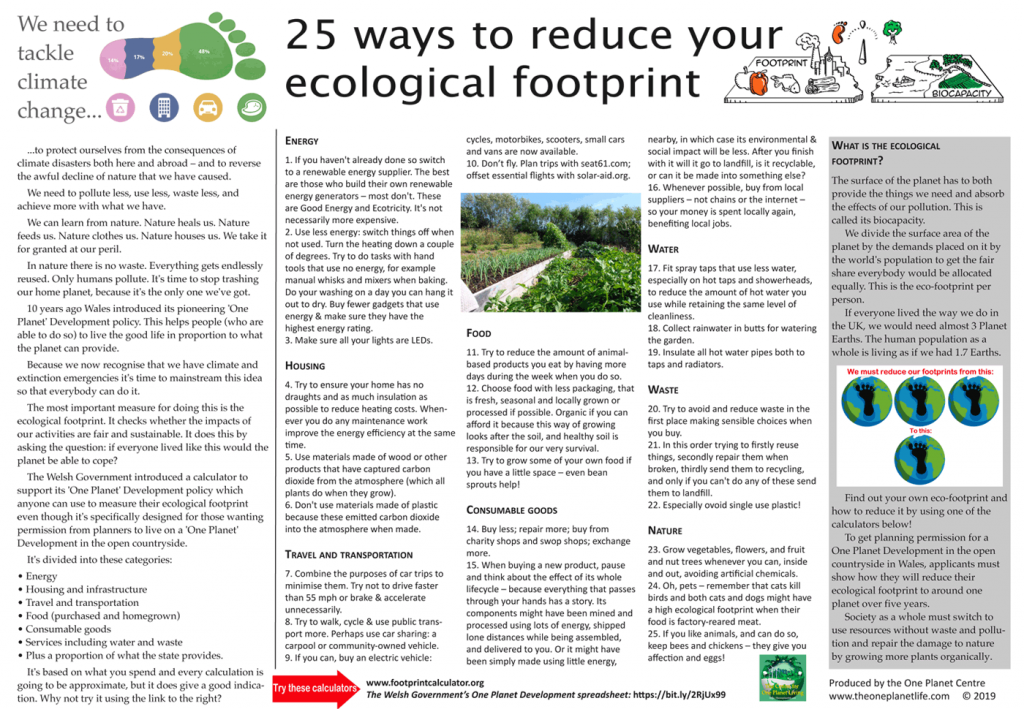
The concept of an ecological footprint, a measure of humanity’s demand on nature, has become increasingly vital in an era defined by climate change, resource depletion, and biodiversity loss. It quantifies the amount of land and sea area required to provide the resources we consume and absorb the waste we generate. As individuals and societies, reducing this footprint is not merely an environmental imperative but a crucial step towards a sustainable future. While lifestyle changes and policy shifts are undeniably critical, technology stands as a powerful, often underutilized, ally in this endeavor. Far from being solely a driver of consumption, technology, when harnessed thoughtfully, offers an expansive toolkit for optimizing resource use, minimizing waste, and fostering a more eco-conscious existence. This article will delve into the multifaceted ways technology empowers us to significantly reduce our ecological footprint, from the smart devices in our homes to groundbreaking innovations reshaping industries.

Smart Homes: The Foundation of Eco-Efficiency
The modern home, once a significant contributor to an individual’s ecological footprint, is rapidly transforming into a bastion of sustainability thanks to smart technology. Integrating intelligent systems can dramatically cut down on energy consumption, water waste, and overall resource demands.
Intelligent Energy Management
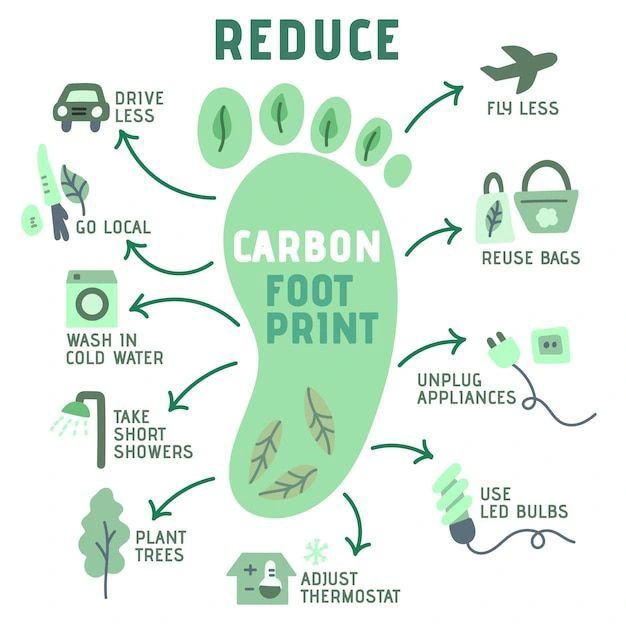
One of the most immediate impacts of smart home technology is in energy conservation. Smart thermostats, such as Nest or Ecobee, learn your preferences and adjust heating and cooling based on occupancy, weather forecasts, and even utility rates, preventing energy waste when you’re away or asleep. Paired with smart lighting systems, which utilize LEDs and offer features like dimming, motion detection, and scheduling, energy use for illumination can drop by up to 80%. Furthermore, smart plugs provide granular control over individual appliances, allowing users to remotely switch off “vampire” devices that passively draw power even when not in use, and monitor their energy consumption in real-time. This level of control and insight transforms passive energy consumption into an active, managed process.
Water Conservation Tech
Water scarcity is a growing global concern, and technology offers significant solutions for home water management. Smart irrigation systems use local weather data, soil moisture sensors, and plant type information to deliver the precise amount of water needed, preventing overwatering and runoff. These systems can reduce outdoor water consumption by 30-50%. Beyond the garden, smart leak detectors can identify plumbing issues early, preventing costly damage and substantial water waste that might otherwise go unnoticed for extended periods. Even smart showerheads are emerging, designed to optimize water flow and temperature, subtly encouraging shorter, more efficient showers without sacrificing comfort.
Appliance Integration & Monitoring
The new generation of energy-efficient smart appliances goes beyond simply using less power; they integrate with the broader smart home ecosystem. Smart refrigerators can suggest recipes based on available ingredients (reducing food waste), washing machines can optimize cycles based on load size and fabric type, and ovens can preheat more efficiently. Crucially, many of these devices come with real-time consumption data accessible via apps, providing homeowners with unparalleled transparency into their energy and water usage patterns. This data-driven approach fosters greater awareness and empowers users to make more informed, eco-conscious decisions about their appliance usage.
Digital Solutions for Sustainable Living
Beyond the physical confines of the smart home, digital tools and platforms are revolutionizing how we interact with our environment, offering convenient and scalable ways to reduce our ecological footprint.
Eco-Tracking Apps and Platforms
Awareness is the first step towards change, and technology excels at providing that awareness. A plethora of personal carbon footprint calculators and eco-tracking apps allow users to input their daily activities – from travel and diet to energy consumption – and receive a personalized estimate of their environmental impact. Apps like “JouleBug” or “My Little Plastic Footprint” gamify sustainable actions, encouraging users to make eco-friendly choices. Similarly, sustainable shopping guides and ethical consumer apps help individuals identify brands and products that align with their values, prioritizing those with transparent supply chains, sustainable materials, and ethical labor practices. These tools make informed, responsible consumption more accessible than ever.
Waste Reduction through Digitalization
The digital revolution inherently reduces our reliance on physical resources. Paperless solutions for banking, billing, communication, and documentation significantly cut down on paper production and associated waste. Cloud storage and digital archives replace filing cabinets, while e-tickets and digital passes minimize the need for printed alternatives. Furthermore, the rise of circular economy apps and platforms facilitates the reuse, repair, and recycling of goods. Apps like Olio or Freecycle connect neighbors to share unwanted items, extending their lifespan and diverting them from landfills. Digital marketplaces for second-hand goods also promote reuse on a larger scale, effectively closing loops in our consumption cycles.
Remote Work & Virtual Collaboration
The global shift towards remote work and virtual collaboration, accelerated by recent events, has a profound ecological benefit. By reducing the daily commute for millions of people, emissions from transportation (cars, public transport, air travel for business meetings) are significantly curtailed. Companies can also reduce their office footprint, leading to less energy consumption for heating, cooling, and lighting large commercial spaces. While digital infrastructure itself has an energy cost, the net environmental benefit of widespread remote work, particularly in densely populated areas, is substantial. Video conferencing and project management tools enable efficient collaboration across distances without the need for physical travel.
Green Tech Innovations & Infrastructure
The impact of technology extends far beyond individual consumer choices, reaching into the very infrastructure of our societies and industries. Cutting-edge green tech innovations are addressing systemic environmental challenges.
Renewable Energy Technologies
The transition to renewable energy technologies is perhaps the most critical component of reducing our global ecological footprint, and technology is its driving force. Advances in solar panel efficiency and affordability have made residential and utility-scale solar power increasingly viable. Smart grids leverage AI and IoT to optimize the distribution of renewable energy, ensuring stability and efficiency even with intermittent sources like solar and wind. Furthermore, breakthroughs in battery storage technology are crucial for capturing and deploying renewable energy when the sun isn’t shining or the wind isn’t blowing, making renewables more reliable and scalable for national grids.
Sustainable Computing & Data Centers
The digital world, for all its eco-benefits, also has its own footprint, particularly concerning data centers. However, there’s a strong push towards sustainable computing. Manufacturers are designing energy-efficient hardware, from processors to storage drives, that consume less power. Data centers are increasingly powered by renewable energy sources, and innovative cooling techniques (like liquid cooling or locating data centers in cold climates) dramatically reduce the energy needed for climate control. Cloud optimization and server virtualization allow for more efficient use of physical hardware, reducing the number of active servers and, consequently, their energy demand. These efforts aim to make the digital infrastructure itself a net positive for the environment.
AI and IoT for Resource Optimization
The synergistic power of Artificial Intelligence (AI) and the Internet of Things (IoT) is being deployed to optimize resource use across vast scales. In smart city initiatives, IoT sensors monitor everything from air quality and traffic patterns to waste levels, with AI analyzing this data to create more efficient urban systems. This can lead to optimized waste collection routes, reduced traffic congestion, and smarter energy distribution. In agriculture, precision agriculture uses IoT sensors and AI to monitor crop health, soil conditions, and weather, allowing farmers to apply water, fertilizers, and pesticides precisely where and when needed, minimizing waste and environmental impact. In industry, AI-powered systems can optimize manufacturing processes, predict equipment failures to extend lifespan, and manage supply chains more efficiently, all contributing to significant resource savings.
The Future of Footprint Reduction: Emerging Technologies
The horizon of technological innovation promises even more transformative solutions for ecological footprint reduction. Emerging technologies are set to unlock new pathways to sustainability.
Blockchain for Supply Chain Transparency
One significant challenge in promoting sustainable consumption is the lack of transparency in global supply chains. Blockchain technology, with its immutable and distributed ledger capabilities, offers a powerful solution. By recording every step of a product’s journey, from raw material sourcing to delivery, blockchain can provide verifiable proof of ethical labor practices, sustainable resource extraction, and environmental compliance. Consumers and businesses will be able to trace products back to their origins, ensuring they are truly supporting eco-friendly and responsible operations, thereby incentivizing brands to adopt more sustainable practices.
Advanced Materials & Manufacturing
Revolutionary advancements in advanced materials and manufacturing processes are poised to dramatically reduce waste and resource consumption. 3D printing (additive manufacturing) allows for the creation of complex objects layer by layer, generating significantly less material waste compared to traditional subtractive manufacturing methods. It also enables on-demand production, reducing inventory and transportation needs. Furthermore, the development of bio-based electronics, biodegradable plastics, and self-healing materials offers alternatives to conventional, often environmentally damaging, components and products, promising a future where technology itself is designed with its end-of-life impact in mind.
Gamification and Behavioral Nudging
Technology can also play a pivotal role in shaping human behavior towards more sustainable patterns. Gamification and behavioral nudging apps leverage psychology to make eco-friendly actions fun and rewarding. By setting challenges, offering points, leaderboards, and virtual rewards for reducing energy consumption, recycling, or choosing sustainable transport, these apps can make environmental responsibility an engaging personal quest. This approach can foster long-term habit formation and cultivate a widespread culture of sustainability, turning individual actions into collective impact.
Challenges and Ethical Considerations in Green Tech
While technology offers immense promise, it’s crucial to acknowledge and address the inherent challenges and ethical considerations that accompany its development and deployment. A truly sustainable future requires thoughtful innovation.
E-Waste Management
The rapid pace of technological innovation often leads to frequent upgrades and a growing problem of e-waste. Discarded electronics contain hazardous materials and valuable rare earth elements, making proper recycling and disposal a complex challenge. Without robust global infrastructure and extended producer responsibility, the environmental burden of e-waste can counteract the benefits of green tech. Solutions involve designing for longevity, modularity, and easy recycling, alongside developing efficient collection and processing systems.
Energy Consumption of AI & Data
The increasing sophistication of AI models, particularly in areas like deep learning and large language models, demands immense computational power, which translates to significant energy consumption for AI and data processing. Training a single complex AI model can generate emissions equivalent to several cars over their lifetime. Addressing this requires greater energy efficiency in algorithms, optimizing hardware, and ensuring that the data centers powering AI are increasingly reliant on renewable energy sources.
Digital Divide and Accessibility
For green tech solutions to be truly effective, they must be accessible to all. The digital divide, which separates those with access to modern information and communication technology from those without, poses a significant barrier. If smart home technologies, eco-tracking apps, or even access to green energy solutions are only available to affluent populations, the collective impact will be limited, and existing inequalities could be exacerbated. Ensuring equitable access and affordability is paramount to achieving widespread ecological footprint reduction.
Conclusion
Reducing our ecological footprint is a monumental challenge, but one that technology uniquely positions us to tackle. From optimizing energy and water use in our homes to reshaping industrial processes and enabling global transparency in supply chains, technological innovations are providing the tools, data, and infrastructure necessary for a sustainable transformation. As we look to the future, emerging technologies promise even more profound impacts. However, it is imperative that we approach this technological revolution with a keen awareness of its own footprint, diligently managing e-waste, optimizing energy use in computation, and ensuring equitable access. By making conscious choices about the technologies we adopt and support, and by continuously innovating with sustainability at the core, we can leverage the power of tech to not only mitigate our impact but also forge a path towards a thriving, regenerative planet.
aViewFromTheCave is a participant in the Amazon Services LLC Associates Program, an affiliate advertising program designed to provide a means for sites to earn advertising fees by advertising and linking to Amazon.com. Amazon, the Amazon logo, AmazonSupply, and the AmazonSupply logo are trademarks of Amazon.com, Inc. or its affiliates. As an Amazon Associate we earn affiliate commissions from qualifying purchases.