
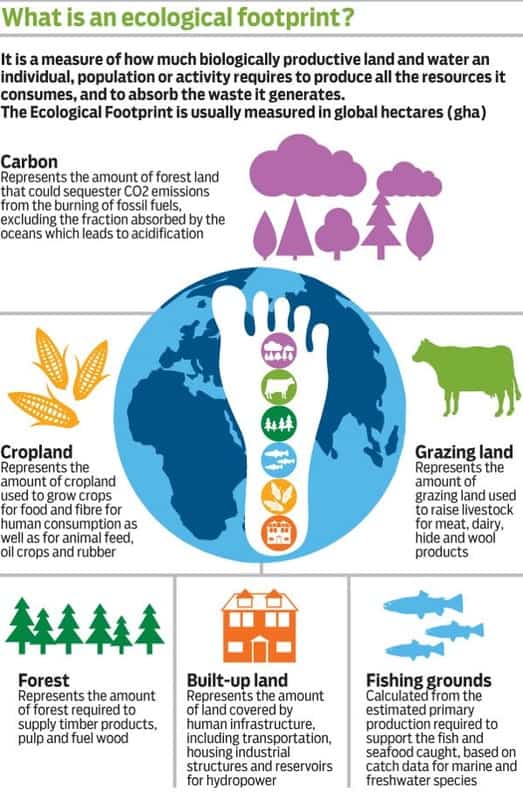
The urgency to address climate change and environmental degradation has never been more pressing. As individuals, understanding and actively reducing our ecological footprint is a critical step towards building a sustainable future. An ecological footprint is a measure of human demand on the Earth’s ecosystems, representing the amount of biologically productive land and sea area required to produce the resources we consume and absorb the waste we generate. While the challenge may seem daunting, technology offers an unprecedented array of tools, gadgets, and software solutions that empower us to monitor, manage, and significantly decrease our environmental impact. From intelligent home systems to advanced tracking applications, the digital age provides innovative pathways to a more eco-conscious lifestyle. This article delves into how leveraging technology can be a game-changer in your personal quest to reduce your ecological footprint, offering practical insights and actionable strategies across various facets of daily life.
Smart Homes: Automating Your Way to Lower Consumption
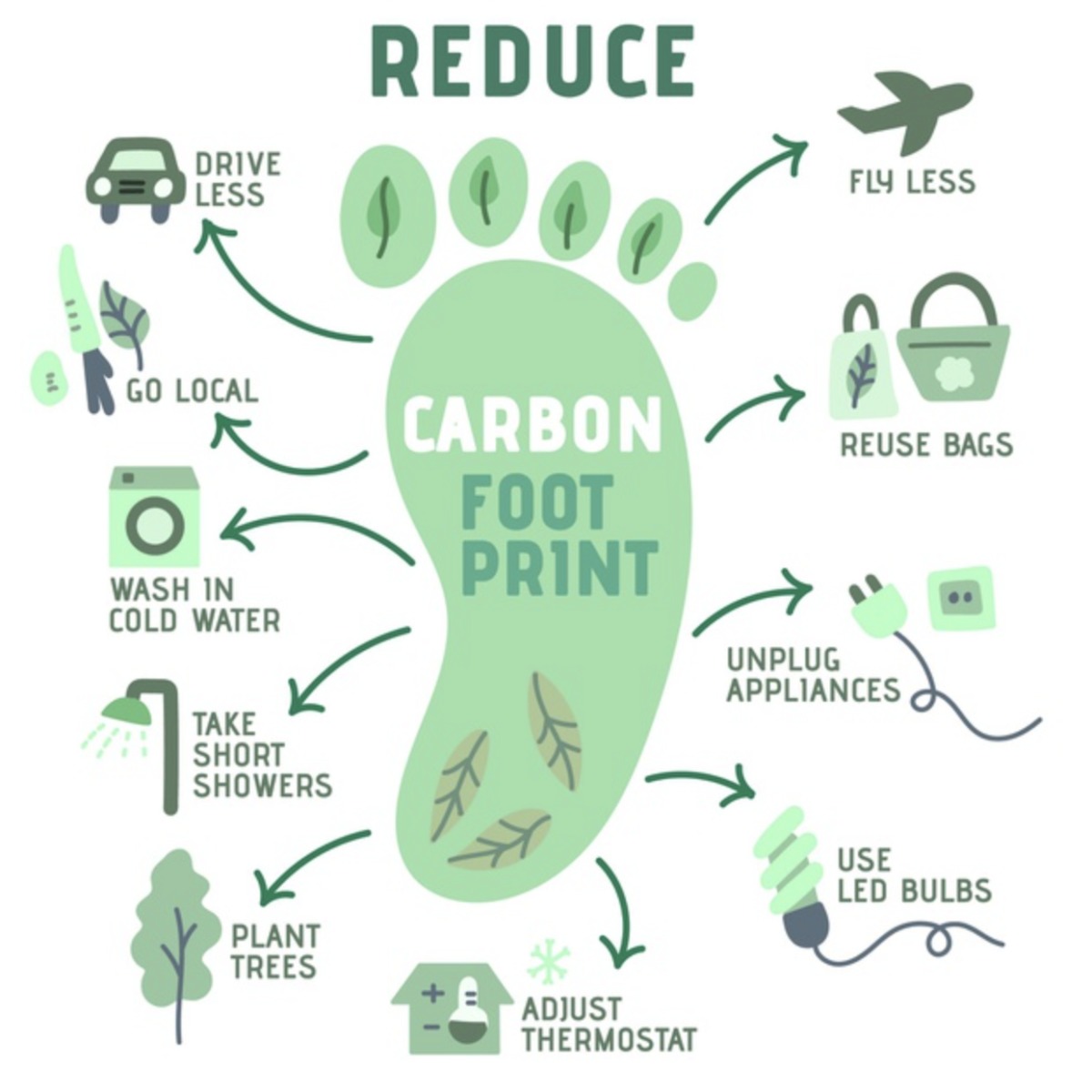
Our homes are often significant contributors to our ecological footprint, primarily through energy and water consumption. Fortunately, smart home technology has evolved rapidly, offering sophisticated solutions to optimize resource use, often without sacrificing comfort or convenience.
Intelligent Thermostats and Energy Monitoring Systems
One of the most impactful ways to reduce energy consumption is through smart heating and cooling. Devices like Nest, Ecobee, and Honeywell Home thermostats learn your preferences, adapt to your schedule, and can be controlled remotely. They use sensors to detect occupancy, integrate with weather forecasts, and even communicate with your utility provider to optimize energy usage during off-peak hours, leading to substantial reductions in electricity and gas bills, and consequently, carbon emissions. Beyond thermostats, smart plugs allow you to monitor and control individual appliances, identifying “energy vampires” that draw power even when turned off. Whole-home energy monitoring systems, like Sense or Emporia Vue, provide real-time data on your entire household’s energy consumption, offering invaluable insights into where and how you can save.
Eco-Friendly Lighting and Appliances
Modern lighting and appliances are designed with energy efficiency in mind, and smart technology amplifies these benefits. LED smart lighting systems, such as Philips Hue or LIFX, consume significantly less energy than traditional bulbs and offer features like dimming, scheduling, and motion activation, further minimizing waste. Many smart appliances, from refrigerators to washing machines, come with Energy Star ratings, signifying their superior efficiency. Integrated with home automation platforms, these appliances can be programmed to run during off-peak energy times or even detect ideal load sizes to conserve water and electricity, making routine chores part of your eco-friendly strategy.
Water Conservation Tech
Water scarcity is a global concern, and technology provides effective solutions for smarter water usage at home. Smart irrigation systems, like Rachio or B-hyve, connect to local weather data to ensure your lawn and garden receive only the water they need, preventing overwatering and waste. Leak detection sensors, such as those from Flo by Moen or Phyn, can monitor water flow throughout your home, alert you to potential leaks (which can waste thousands of gallons annually), and even automatically shut off your water supply in emergencies. Additionally, installing low-flow showerheads and toilets, while not strictly “smart” in the digital sense, represent a technological advancement in fixture design that drastically reduces water consumption without compromising performance.
Sustainable Transportation: Driving the Digital Shift
Transportation is another major component of our ecological footprint, largely due to fossil fuel consumption. Technology is revolutionizing how we move, offering greener alternatives and smarter ways to commute.
Electric Vehicles (EVs) and Charging Infrastructure
The proliferation of electric vehicles (EVs) represents a monumental shift away from internal combustion engines. EVs produce zero tailpipe emissions, and their overall lifecycle emissions are significantly lower when charged with renewable energy. Accompanying this shift is the rapid expansion of charging infrastructure. Apps like ChargePoint, PlugShare, or Electrify America provide real-time maps of charging stations, their availability, and pricing, making EV ownership increasingly practical. Smart charging solutions can even optimize charging times to align with lower electricity rates or periods of higher renewable energy generation on the grid.
E-Mobility and Public Transit Apps
Beyond personal vehicles, technology facilitates sustainable urban mobility. Electric bicycles and scooters offer eco-friendly alternatives for short to medium distances, often integrated into city-wide sharing programs managed by dedicated apps. For longer commutes, public transportation remains a sustainable choice. Apps like Citymapper, Google Maps, or Moovit meticulously plan multi-modal journeys, combining buses, trains, subways, and even ride-sharing services to offer the most efficient and least carbon-intensive routes, encouraging users to leave their cars at home.
Telecommuting Tools and Virtual Collaboration
The rise of remote work, greatly enabled by technology, has significantly reduced commuting emissions. Video conferencing platforms (Zoom, Microsoft Teams), project management software (Asana, Trello), and cloud-based collaboration tools allow individuals to work effectively from anywhere, cutting down on daily travel. While not directly a “transportation” technology, the widespread adoption of these tools fundamentally alters transportation patterns, demonstrating how digital innovation can lead to substantial reductions in our collective carbon footprint.
Waste Reduction and Circular Economy Tech

Waste management is a critical area for ecological footprint reduction. Technology can help us minimize waste generation, facilitate recycling, and promote a circular economy where resources are kept in use for as long as possible.
Recycling and Composting Apps
Knowing what and where to recycle can be complex. Apps like RecycleNation or iRecycle provide localized information on recycling centers, acceptable materials, and specific guidelines for various waste streams. For organic waste, composting apps or smart compost bins with sensors can help manage the composting process, turning food scraps into valuable soil amendments rather than landfill waste. Some apps even connect users with local community gardens or initiatives that accept compost.
Repair and Reuse Platforms
Before discarding items, technology can help us find ways to repair or reuse them. Websites and apps like iFixit offer extensive, free repair guides for electronics and appliances, empowering individuals to extend the lifespan of their gadgets. Platforms like Freecycle, Buy Nothing Project, or local Facebook Marketplace groups facilitate the free exchange of goods within communities, ensuring items find new homes instead of landfills. These tools foster a culture of repair and reuse, challenging the linear “take-make-dispose” model.
Sustainable Shopping and Product Lifecycle Apps
Making informed purchasing decisions is crucial for reducing waste. Apps like Good On You or Buycott help consumers identify brands and products with strong environmental and ethical credentials, avoiding those that contribute to pollution or unsustainable practices. Tools like OLIO connect neighbors to share surplus food, preventing food waste. Additionally, second-hand marketplaces (eBay, Depop, ThredUp) are technologically advanced platforms that extend the life cycle of clothing, electronics, and other goods, significantly reducing the demand for new production and its associated environmental costs.
Digital Tools for Tracking and Impact Assessment
To effectively reduce your ecological footprint, you first need to understand it. Technology provides powerful tools for measurement, analysis, and motivating behavioral change.
Personal Carbon Calculators and Footprint Trackers
A growing number of apps and online platforms are designed to help individuals calculate and track their personal carbon footprint. Websites like Carbon Footprint Calculator or apps like Myplanet, Capture, or Eco-Tracker prompt users to input data about their energy consumption, travel habits, diet, and purchasing choices. These tools then provide an estimated carbon footprint, often breaking it down by category to highlight areas of significant impact. This data-driven approach demystifies an abstract concept, making it tangible and actionable.
Data-Driven Insights for Behavioral Change
The true power of these tracking tools lies in their ability to offer actionable insights and foster behavioral change. By visualizing your impact over time, you can see the direct results of switching to a plant-based meal, opting for public transport, or reducing your energy consumption. Many apps offer personalized suggestions for improvement, track progress towards sustainability goals, and even incorporate gamification elements or social features to encourage friendly competition and collective action, transforming abstract environmental goals into concrete, measurable achievements.
Future Tech: Innovating Towards Net-Zero
The technological landscape is continuously evolving, with emerging innovations promising even greater potential for ecological footprint reduction.
Renewable Energy Integration and Smart Grids
For homeowners, integrating solar panels and home battery storage systems (like Tesla Powerwall) is becoming increasingly accessible. These technologies reduce reliance on grid electricity, especially if generated from fossil fuels. On a broader scale, smart grid technologies use advanced sensors and data analytics to optimize energy distribution, incorporate more renewable sources, and allow consumers to become “prosumers,” feeding excess energy back into the grid. Apps and interfaces enable monitoring and management of these home energy systems, fostering self-sufficiency and resilience.
AI and IoT for Resource Optimization
Artificial intelligence (AI) and the Internet of Things (IoT) are at the forefront of future sustainability efforts. AI can analyze vast datasets to predict energy demand, optimize waste collection routes, or manage complex agricultural systems with precision irrigation and fertilization, minimizing resource use. IoT devices, embedded in everything from urban infrastructure to individual products, can monitor environmental conditions, track resource flows, and provide real-time data that informs smarter, more sustainable decisions across industries and within our daily lives. From smart cities optimizing traffic flow to reduce emissions, to AI-driven systems that detect food spoilage earlier, the potential for these technologies to drive large-scale ecological impact reduction is immense.
In conclusion, reducing one’s ecological footprint is an imperative, and thankfully, technology provides a robust arsenal of tools to achieve this goal. From the intelligent automation within our homes to the digital platforms that redefine our transportation and consumption habits, technology empowers us with the knowledge, convenience, and efficiency needed to make more sustainable choices. By embracing smart gadgets, utilizing insightful apps, and staying abreast of emerging innovations, we can transform abstract environmental aspirations into tangible, measurable actions, paving the way for a healthier planet and a more sustainable future for all. The journey to a reduced ecological footprint is a continuous one, and technology is undeniably our most powerful ally.
aViewFromTheCave is a participant in the Amazon Services LLC Associates Program, an affiliate advertising program designed to provide a means for sites to earn advertising fees by advertising and linking to Amazon.com. Amazon, the Amazon logo, AmazonSupply, and the AmazonSupply logo are trademarks of Amazon.com, Inc. or its affiliates. As an Amazon Associate we earn affiliate commissions from qualifying purchases.