
In the intricate world of finance, few concepts are as fundamental, pervasive, and impactful as “rates.” Far from being a mere numerical value, a rate in financial terms is a powerful metric that quantifies change, comparison, or the cost and return associated with financial transactions over a specified period or relative to a baseline. Whether you’re managing personal savings, evaluating investment opportunities, borrowing money for a home, or running a multinational corporation, understanding rates is not just beneficial—it’s absolutely essential for making informed decisions and navigating the economic landscape. From the interest you earn on your savings to the rate at which your purchasing power erodes, rates are the invisible hand shaping financial outcomes, dictating the flow of capital, and influencing the broader economy. This article will delve into what rates truly are, explore their various forms, and elucidate their profound significance for individuals and businesses alike.
The Fundamental Nature of Rates in Finance
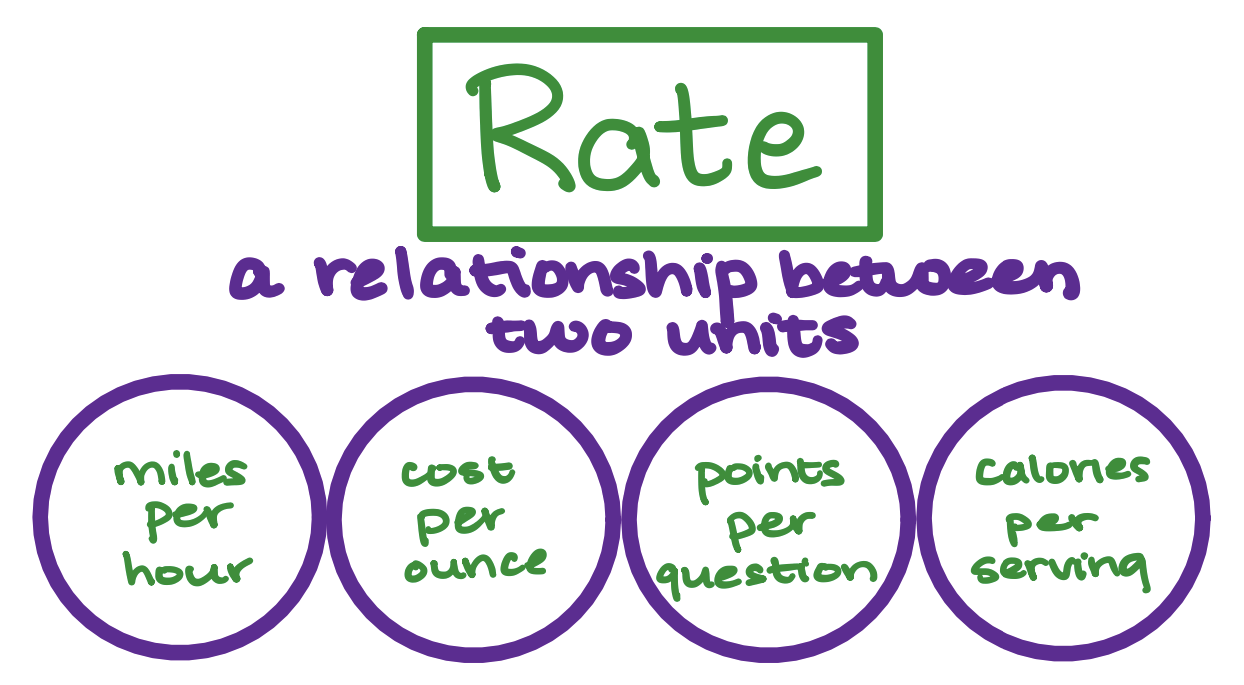
At its core, a financial rate is an expression of a relationship—often a percentage—that helps us understand the dynamics of money over time or in relation to other financial elements. It’s a mechanism for standardizing financial information, allowing for meaningful comparisons and evaluations across diverse contexts.
Rates as Measures of Cost and Return
Perhaps the most intuitive understanding of rates is their role in quantifying the cost of borrowing and the return on lending or investing. When you take out a loan, the interest rate represents the price you pay for using someone else’s money. Conversely, when you deposit money into a savings account or invest in a bond, the interest rate or rate of return signifies the compensation you receive for foregoing immediate consumption or for taking on risk. These rates are not static; they fluctuate based on market conditions, economic policy, risk assessment, and demand and supply dynamics, directly impacting profitability for lenders and affordability for borrowers.
The Time Value of Money Principle
Rates are inextricably linked to the fundamental economic principle of the “time value of money.” This concept posits that a sum of money today is worth more than the same sum will be at a future date due to its potential earning capacity. An interest rate effectively quantifies this value differential, allowing us to discount future cash flows to their present value or compound present sums to their future value. Understanding this relationship is critical for long-term financial planning, investment valuation, and capital budgeting decisions, as it enables individuals and businesses to make rational choices about spending, saving, and investing across different time horizons.
Benchmarking and Decision Making
Beyond just cost and return, rates serve as crucial benchmarks. They provide a standardized basis for comparing different financial products, services, or investment opportunities. For instance, comparing the Annual Percentage Rate (APR) across various credit card offers helps consumers choose the most cost-effective borrowing option. Similarly, investors use expected rates of return to weigh the attractiveness of different assets. By providing these comparable metrics, rates empower individuals and organizations to assess risk, evaluate performance, and make strategic financial decisions that align with their goals and risk tolerance.
Key Types of Rates Every Individual and Business Should Understand
The world of finance encompasses a diverse array of rates, each with its unique definition, application, and impact. Comprehending these key types is vital for financial literacy and effective money management.
Interest Rates: The Price of Money
Interest rates are arguably the most commonly encountered type of rate. They represent the cost of borrowing money or the return earned on lending or investing money, typically expressed as a percentage of the principal amount over a year.
-
Definition: The proportion of a loan that is charged as interest to the borrower, or the proportion of a deposit that is paid by a bank to a depositor.
-
Types:
-
Fixed vs. Variable: Fixed rates remain constant over the loan’s life, offering predictability. Variable rates, however, can change based on a benchmark index, introducing uncertainty but potentially lower initial payments.
-
APR (Annual Percentage Rate) vs. APY (Annual Percentage Yield): APR reflects the annual cost of borrowing, including interest and some fees, without compounding. APY reflects the effective annual rate earned on an investment, considering the effect of compounding interest.
-
Prime Rate: The interest rate that commercial banks charge their most creditworthy corporate customers, often serving as a benchmark for other variable-rate loans.
-
Federal Funds Rate: The target rate set by a central bank (like the U.S. Federal Reserve) for overnight lending between banks, profoundly influencing other interest rates in the economy.
-
-
Impact: Interest rates directly influence mortgage payments, credit card debt, auto loan costs, savings account earnings, and the overall cost of capital for businesses. Changes in central bank interest rates ripple throughout the entire financial system.
Inflation Rates: Eroding Purchasing Power
Inflation is a silent force that steadily erodes the purchasing power of money.
-
Definition: The rate at which the general level of prices for goods and services is rising, and consequently, the purchasing power of currency is falling.
-
Measurement: Primarily measured by indices like the Consumer Price Index (CPI), which tracks the average change over time in the prices paid by urban consumers for a market basket of consumer goods and services.
-
Impact: High inflation reduces the real value of savings and fixed incomes, increases the cost of living, and can distort investment decisions. Central banks often aim for a stable, low inflation rate to maintain economic stability.
Exchange Rates: Valuing Currencies
In an increasingly interconnected global economy, exchange rates are crucial for international trade and finance.
-
Definition: The value of one country’s currency in relation to another country’s currency.
-
Types:
-
Floating Exchange Rates: Determined by market forces of supply and demand for currencies.
-
Fixed Exchange Rates: Pegged to another currency or a basket of currencies, with central banks intervening to maintain the peg.
-
-
Impact: Exchange rates affect the cost of imports and exports, the profitability of international businesses, the cost of foreign travel, and the attractiveness of foreign investments. A strong domestic currency makes imports cheaper but exports more expensive, and vice-versa.
Tax Rates: Contributions to Public Funds
Tax rates are the percentages levied by governments on income, transactions, and assets to fund public services.
-
Definition: The percentage at which an individual or corporation is taxed.
-
Types:
-
Income Tax: A progressive tax (higher earners pay a higher percentage) in many countries, levied on wages, salaries, and other income.
-
Sales Tax: A regressive tax (disproportionately impacts lower earners) levied on the sale of goods and services.
-
Property Tax: Levied on real estate, typically based on the property’s assessed value.
-
Corporate Tax: Applied to the profits of businesses.
-
-
Impact: Tax rates significantly influence disposable income for individuals, profitability for businesses, investment incentives, and overall economic activity. They are a primary tool for fiscal policy.
Discount Rates: Valuing Future Cash Flows
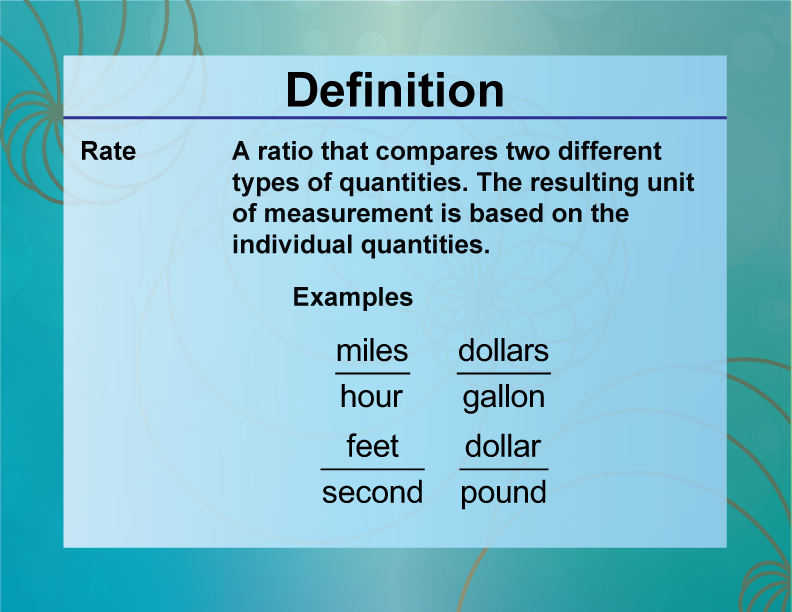
While often related to interest rates, discount rates have a specific application in investment and business valuation.
-
Definition: The rate used to convert future cash flows into present value. It reflects the time value of money and the risk associated with those future cash flows.
-
Application: Crucial in discounted cash flow (DCF) analysis, capital budgeting, and project appraisal. Businesses use discount rates to determine if a future project’s expected returns are worthwhile when brought back to today’s value, considering opportunity costs and risk.
-
Impact: A higher discount rate results in a lower present value for future cash flows, making long-term investments less attractive in the present.
How Rates Influence Personal Finance Decisions
For individuals, a clear understanding of various rates is paramount for achieving financial well-being and making astute personal finance decisions.
Saving and Investing
The rates on your savings accounts and investments directly determine your wealth accumulation. A higher interest rate on savings means faster growth, while an inflation rate exceeding your savings rate means your purchasing power is actually diminishing. For investments, understanding rates of return, coupled with the concept of a discount rate, helps in evaluating the true long-term potential and risk-adjusted value of stocks, bonds, and other assets. Informed investors look beyond nominal returns to real returns (adjusted for inflation) and consider how different rates affect their investment horizons and retirement goals.
Borrowing and Debt Management
Interest rates are the gatekeepers to affordable borrowing. The APR on a credit card, the interest rate on a mortgage, or the rate on a personal loan directly impacts monthly payments and the total cost of borrowing. Fluctuations in central bank rates can significantly alter the affordability of variable-rate mortgages or lines of credit. Savvy consumers actively compare rates from multiple lenders, understand the difference between fixed and variable rates, and strategize debt repayment to minimize interest expenses, thereby saving thousands over the life of their loans.
Budgeting and Financial Planning
Rates weave into the fabric of daily budgeting and long-term financial planning. Incorporating anticipated inflation rates into your budget helps you project future expenses more accurately, ensuring that your long-term savings and retirement plans remain robust against rising costs. Tax rates dictate your take-home pay and the net returns on your investments, requiring careful tax planning to optimize your financial position. Understanding exchange rates is also crucial for budgeting international travel or making foreign purchases, helping you manage currency conversion costs effectively.
The Broader Economic Impact of Rates
Beyond individual finances, rates play a pivotal role in shaping national and global economies, serving as key levers for policymakers and indicators of economic health.
Central Banks and Monetary Policy
Central banks, such as the Federal Reserve in the U.S. or the European Central Bank (ECB), utilize interest rates as primary tools of monetary policy. By adjusting key policy rates (like the federal funds rate), they influence banks’ lending rates, thereby controlling the money supply, stimulating or cooling economic growth, and managing inflation. Lower interest rates typically encourage borrowing, spending, and investment, boosting economic activity. Conversely, higher rates can curb inflation by making borrowing more expensive and encouraging savings, though this can slow economic growth.
Global Economic Interdependence
Exchange rates are critical in determining the competitiveness of a nation’s exports and imports, influencing its trade balance. Fluctuations in exchange rates can shift economic power, impact multinational corporations’ profitability, and affect the flow of capital across borders. For instance, a country with higher interest rates than another might attract foreign investment, leading to an appreciation of its currency, which then affects its trade relationships and overall global economic standing. This interdependence highlights how changes in rates in one major economy can have ripple effects worldwide.
Business Investment and Growth
For businesses, interest rates dictate the cost of capital—the expense of financing new projects, expansions, or operational needs through debt. Lower interest rates make it cheaper for companies to borrow, encouraging investment in research and development, new facilities, and hiring, thus stimulating economic growth and job creation. Discount rates are also crucial for businesses in evaluating potential capital projects, determining their net present value, and making strategic investment decisions that align with shareholder value creation. Tax rates, meanwhile, directly impact a company’s bottom line and its ability to reinvest profits or distribute dividends.

Conclusion
The concept of “rates” is far more than a mathematical construct; it is the language of finance, a dynamic force that quantifies risk, reward, cost, and value across virtually every financial interaction. From the personal decisions of saving for retirement or buying a home to the complex machinations of central banks steering national economies, rates are the silent yet powerful architects of financial outcomes. Understanding interest rates, inflation rates, exchange rates, tax rates, and discount rates empowers individuals to make astute personal finance choices, enables businesses to thrive, and allows policymakers to manage economic stability and growth. In an ever-evolving global economy, continuous learning and adaptation to the nuanced world of rates are not merely advisable but essential for navigating the financial landscape with confidence and success.
aViewFromTheCave is a participant in the Amazon Services LLC Associates Program, an affiliate advertising program designed to provide a means for sites to earn advertising fees by advertising and linking to Amazon.com. Amazon, the Amazon logo, AmazonSupply, and the AmazonSupply logo are trademarks of Amazon.com, Inc. or its affiliates. As an Amazon Associate we earn affiliate commissions from qualifying purchases.