
In the dynamic world of finance, from personal investments to corporate performance analysis, understanding growth is paramount. One of the most fundamental and universally applied metrics for quantifying this growth is the percentage gain. Far more insightful than a raw numerical increase, a percentage gain provides context, allowing for meaningful comparisons across different scales, timeframes, and asset classes. Whether you’re tracking the performance of your stock portfolio, evaluating the profitability of a business venture, or simply monitoring the growth of your savings, mastering the calculation of percentage gain is an indispensable financial skill. This article delves into the mechanics of this vital calculation, exploring its diverse applications and offering insights to empower your financial decision-making.
The Fundamental Importance of Percentage Gain in Finance
At its core, a percentage gain quantifies the relative increase of a value over time. It transforms absolute figures into a standardized ratio, making disparate numbers comparable and easily digestible for analysis. This simplicity belies its profound impact on financial literacy and strategic planning.
What is a Percentage Gain?
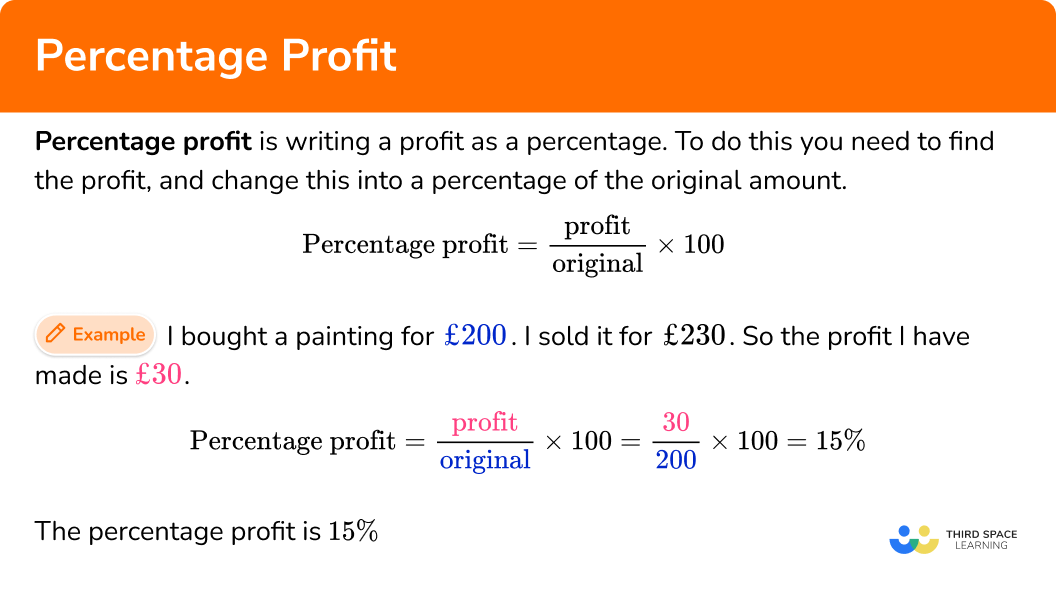
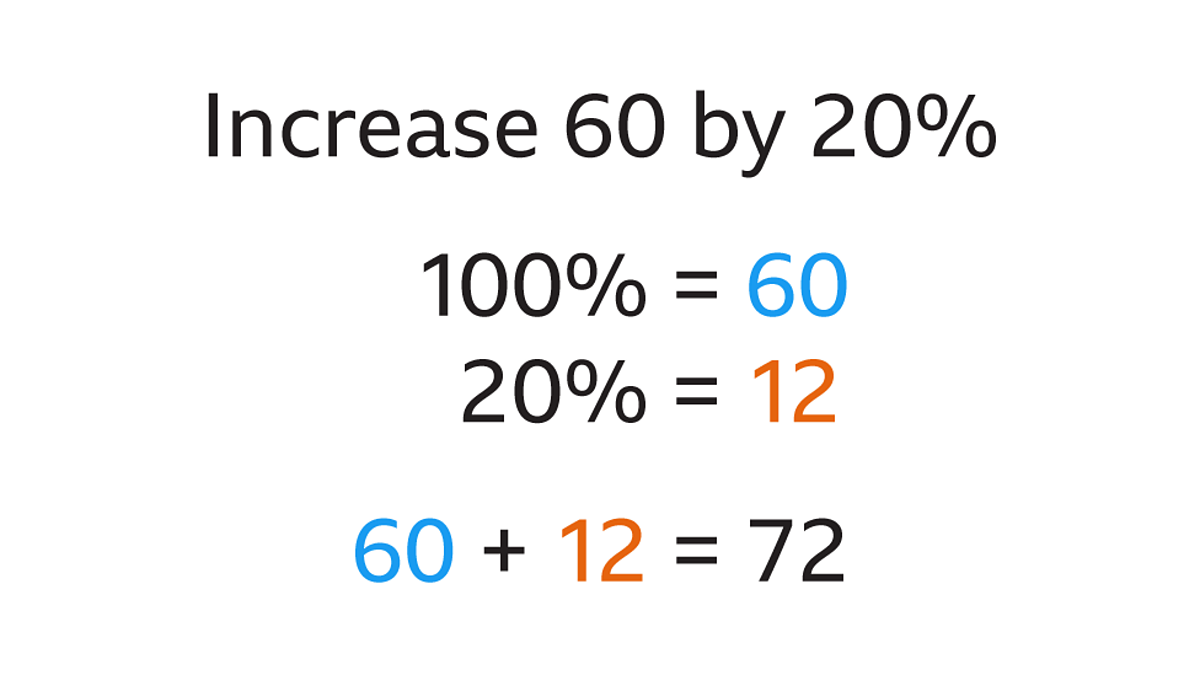
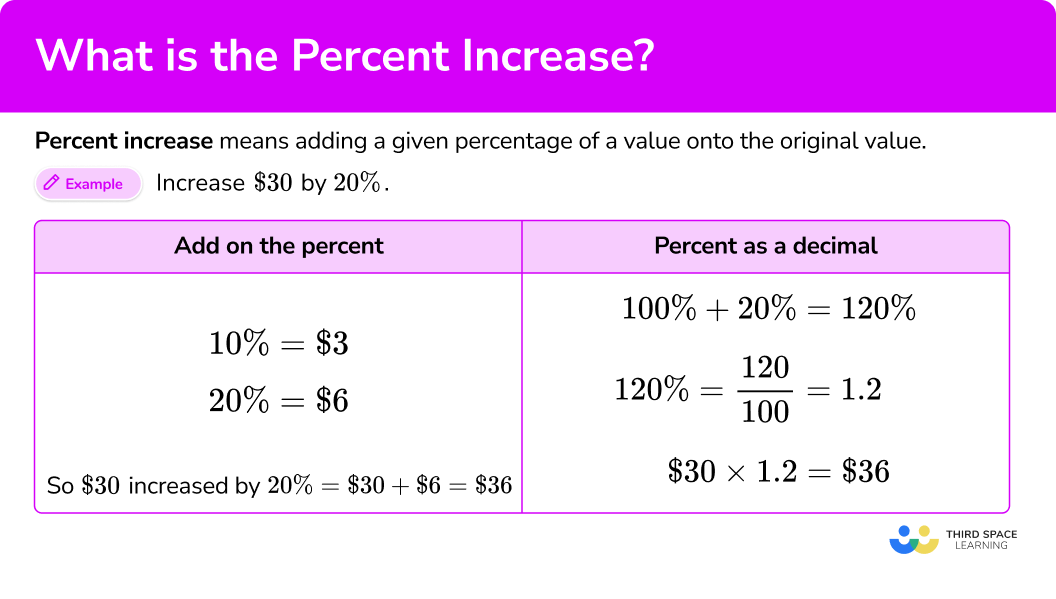
A percentage gain, also known as a percentage increase or rate of return, measures the magnitude of change relative to the initial value, expressed as a percentage. For instance, an investment that grows from $100 to $120 has a $20 absolute gain. While $20 might seem like a small number, the percentage gain—20%—reveals a significant return on the initial capital. Without this proportional understanding, assessing the efficiency or success of an endeavor is significantly harder. It’s the difference between knowing you earned ‘some money’ and understanding ‘how much’ that money truly grew in proportion to what you started with.
Why This Metric Matters Across Financial Spheres
The utility of percentage gain spans virtually every corner of the financial landscape. For individual investors, it’s the primary indicator of portfolio health and investment success. For businesses, it informs decisions on project viability, sales growth targets, and overall profitability. In personal finance, it helps evaluate the effectiveness of savings strategies and the impact of debt reduction. Without the ability to calculate and interpret percentage gains, financial decisions would be made in a vacuum, lacking the crucial context needed for informed choices. It allows us to ask not just “Did I make money?” but “How efficiently did I make money relative to my starting point?” thereby facilitating better resource allocation and risk assessment.
Mastering the Core Formula and Its Application
The beauty of the percentage gain calculation lies in its straightforward nature. Despite its powerful implications, the underlying arithmetic is simple, requiring only two key figures: an initial value and a final value.
Deconstructing the Basic Calculation
The formula for calculating a percentage gain is as follows:
Percentage Gain = ((Final Value – Initial Value) / Initial Value) * 100
Let’s break down each component:
-
Final Value: This is the current or ending value of your asset, investment, or metric after a period of growth.
-
Initial Value: This is the starting value of your asset, investment, or metric at the beginning of the period.
-
Final Value – Initial Value: This subtraction yields the absolute gain or the raw numerical increase.
-
Divided by Initial Value: This step normalizes the absolute gain, expressing it as a decimal proportion of the original amount. For example, a $20 gain on a $100 investment is 0.20.
-
Multiplied by 100: This final step converts the decimal proportion into a percentage, making it easier to understand and compare.
Step-by-Step Examples: From Simple Investments to Business Growth
To solidify your understanding, let’s walk through practical examples:
Example 1: Personal Investment
You invested $5,000 in a mutual fund, and after one year, its value grew to $5,750.
-
Initial Value = $5,000
-
Final Value = $5,750
-
Absolute Gain = $5,750 – $5,000 = $750
-
Proportional Gain = $750 / $5,000 = 0.15
-
Percentage Gain = 0.15 * 100 = 15%
Your investment yielded a 15% gain over the year.
Example 2: Business Revenue Growth
A small business generated $150,000 in revenue last year and $180,000 this year.
-
Initial Value (Last Year’s Revenue) = $150,000
-
Final Value (This Year’s Revenue) = $180,000
-
Absolute Gain = $180,000 – $150,000 = $30,000
-
Proportional Gain = $30,000 / $150,000 = 0.20
-
Percentage Gain = 0.20 * 100 = 20%
The business achieved a 20% growth in revenue.
Important Note: If the final value is less than the initial value, the result will be a negative percentage, indicating a percentage loss. The same formula applies, delivering a negative number that clearly communicates a decline.
Diverse Applications Across Personal and Business Finance
The versatility of the percentage gain metric makes it a cornerstone in evaluating performance across various financial contexts. Its application extends beyond simple investment returns, influencing strategic decisions in both individual and corporate finance.
Personal Investing: Tracking Your Wealth’s Evolution
For individual investors, percentage gain is the most intuitive way to gauge the success of investment decisions. It allows for direct comparison between different investment vehicles, regardless of the principal amount invested.
-
Stocks and Bonds: Comparing a 7% gain on one stock to a 12% gain on another provides clear insight into which performed better relative to its initial cost.
-
Real Estate: Evaluating the appreciation of a property’s value over time, such as a home purchased for $300,000 now appraised at $390,000, yields a 30% gain, showcasing significant capital appreciation.
-
Mutual Funds & ETFs: These funds often report their historical returns as percentage gains, enabling investors to assess management performance and align choices with their financial goals. This metric is essential for understanding your compound annual growth rate (CAGR) over longer periods.
Business Insights: Measuring Performance and Profitability
In the business world, percentage gain is a critical metric for assessing financial health, operational efficiency, and strategic success.
-
Revenue Growth: As shown in a previous example, tracking revenue percentage gain year-over-year is fundamental for understanding market penetration and sales effectiveness.
-
Profit Margins: A company’s gross or net profit margin is often expressed as a percentage, indicating how much profit is generated per dollar of sales. An increase in this percentage points to improved efficiency or pricing strategies.
-
Return on Investment (ROI): For specific projects or capital expenditures, ROI is calculated as the percentage gain (or loss) relative to the initial investment, guiding future resource allocation. For example, if a marketing campaign cost $10,000 and generated an additional $25,000 in profit, the absolute gain is $15,000, and the percentage gain (ROI) is 150%.
-
Market Share Growth: Measuring the percentage increase in a company’s share of its target market indicates competitive strength and strategic effectiveness.
Beyond Investments: Budgeting, Savings, and Debt Management
Even in areas of personal finance not directly related to investments, the concept of percentage gain provides valuable insights.
-
Savings Growth: Tracking the percentage increase in your savings account balance helps visualize progress towards financial goals, especially when coupled with interest earnings.
-
Budgeting Efficiency: While not a direct ‘gain’ in the traditional sense, you can measure the percentage improvement in your savings rate or the percentage reduction in discretionary spending as a form of financial efficiency gain. For example, if you reduced your dining-out expenses from $500 to $350 per month, that’s a 30% reduction, effectively a ‘gain’ in available funds for other purposes.
-
Debt Reduction: Calculating the percentage of a debt paid off can be highly motivating, showcasing the progress made against a loan or credit card balance. While technically a reduction, psychologically and financially, it represents a ‘gain’ in net worth or future financial flexibility by reducing liabilities.
Advanced Considerations and Practical Tools
While the basic formula is straightforward, real-world financial analysis often requires a deeper understanding of nuances that can significantly impact the interpretation of percentage gains. Furthermore, leveraging technology can streamline calculations and enhance accuracy.
Annualized vs. Total Returns: A Critical Distinction
When evaluating investments, it’s crucial to differentiate between total percentage gain and annualized percentage gain.
-
Total Percentage Gain: This is the cumulative gain over the entire holding period, regardless of length. If an investment yields 50% over five years, that’s its total gain.
-
Annualized Percentage Gain (CAGR – Compound Annual Growth Rate): This metric smooths out returns over multiple periods to show the average annual growth rate. It’s particularly useful for comparing investments held for different durations. A 50% gain over five years doesn’t mean 10% per year; the CAGR would be lower due to compounding. For example, a 50% gain over 5 years is approximately an 8.45% annualized gain. This distinction is vital for accurate performance comparisons and projections.
The Silent Impact of Inflation and Compounding Growth
-
Inflation: A percentage gain that doesn’t account for inflation can be misleading. If your investment gains 5% in a year, but inflation is 3%, your real gain (purchasing power increase) is only about 2%. Smart financial analysis often involves calculating “real returns” adjusted for inflation.
-
Compounding: This is the process where the returns on an investment are reinvested, leading to even greater returns in subsequent periods. Understanding percentage gain is fundamental to appreciating the power of compounding. A small annual percentage gain, consistently applied over many years, can lead to substantial wealth accumulation due to this snowball effect. Calculating percentage gains year over year helps visualize this powerful financial phenomenon.
Leveraging Technology for Accuracy: Spreadsheets and Financial Software
While manual calculation is excellent for understanding the concept, technology offers efficiency and reduces error in real-world applications.
-
Spreadsheets (Excel, Google Sheets): These are indispensable tools for financial analysis. You can easily set up columns for initial value, final value, and then use the percentage gain formula to automatically calculate returns for numerous items. Spreadsheet functions like
RATEorXIRRcan also help calculate annualized returns for irregular cash flows. -
Online Calculators and Financial Apps: Numerous websites and mobile applications offer specialized percentage gain calculators, investment return calculators, and portfolio trackers. These tools can simplify complex calculations, provide historical data, and often present results in visually engaging formats.
-
Financial Management Software: Tools like Quicken, Mint, or professional investment platforms often automatically track and display percentage gains for your various assets, providing a real-time overview of your financial health.
Conclusion: Empowering Your Financial Journey
The ability to calculate a percentage gain is far more than a mere mathematical exercise; it is a fundamental pillar of financial literacy. It transforms raw numbers into meaningful insights, enabling you to accurately assess the growth of your investments, the performance of a business, or the efficiency of your personal financial strategies. By understanding the core formula, appreciating its diverse applications across personal and business finance, and considering advanced factors like annualized returns and inflation, you gain a powerful tool for informed decision-making. In a world where financial data abounds, mastering percentage gain empowers you to cut through the noise, evaluate opportunities, and steer your financial journey towards sustainable growth and prosperity.
aViewFromTheCave is a participant in the Amazon Services LLC Associates Program, an affiliate advertising program designed to provide a means for sites to earn advertising fees by advertising and linking to Amazon.com. Amazon, the Amazon logo, AmazonSupply, and the AmazonSupply logo are trademarks of Amazon.com, Inc. or its affiliates. As an Amazon Associate we earn affiliate commissions from qualifying purchases.